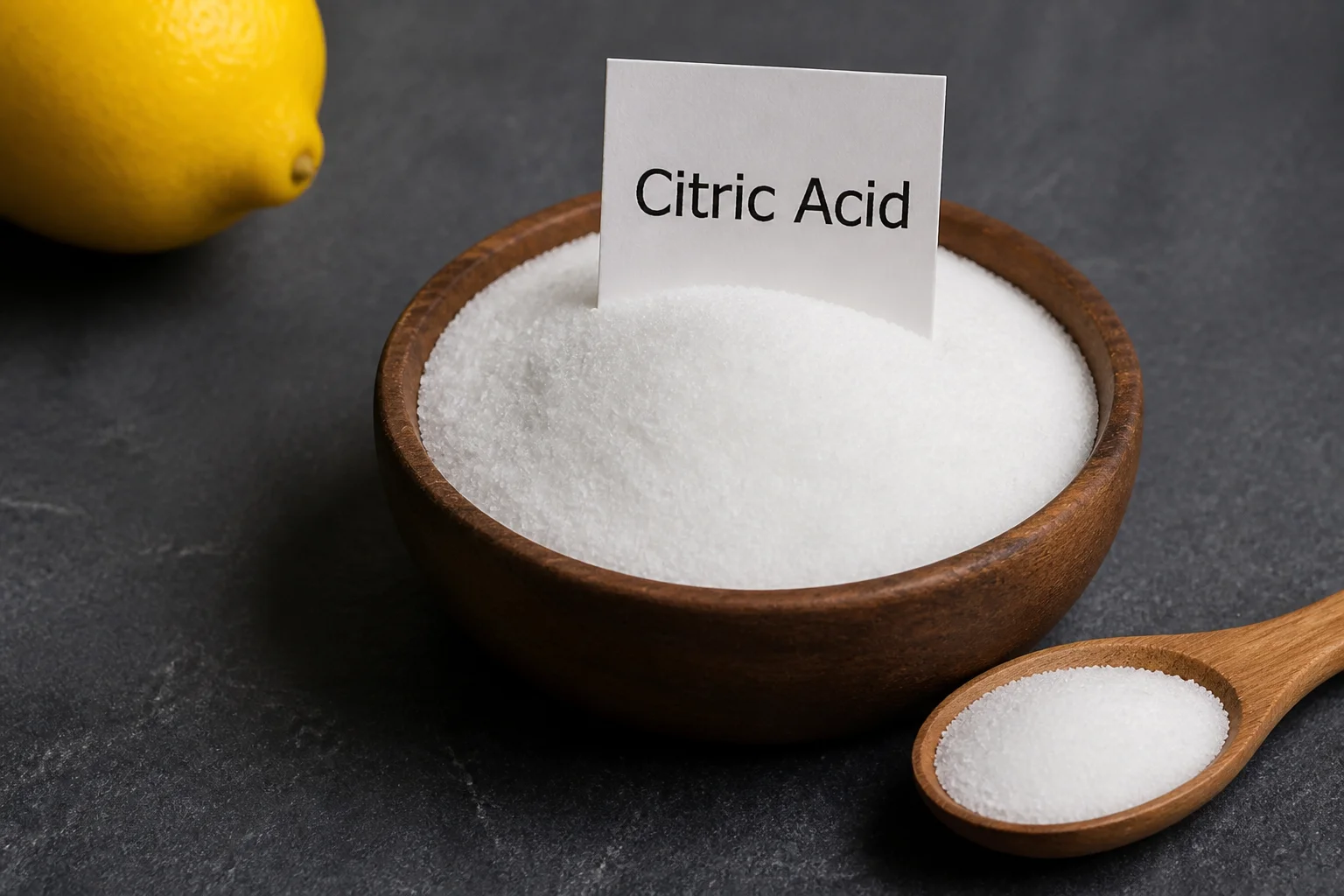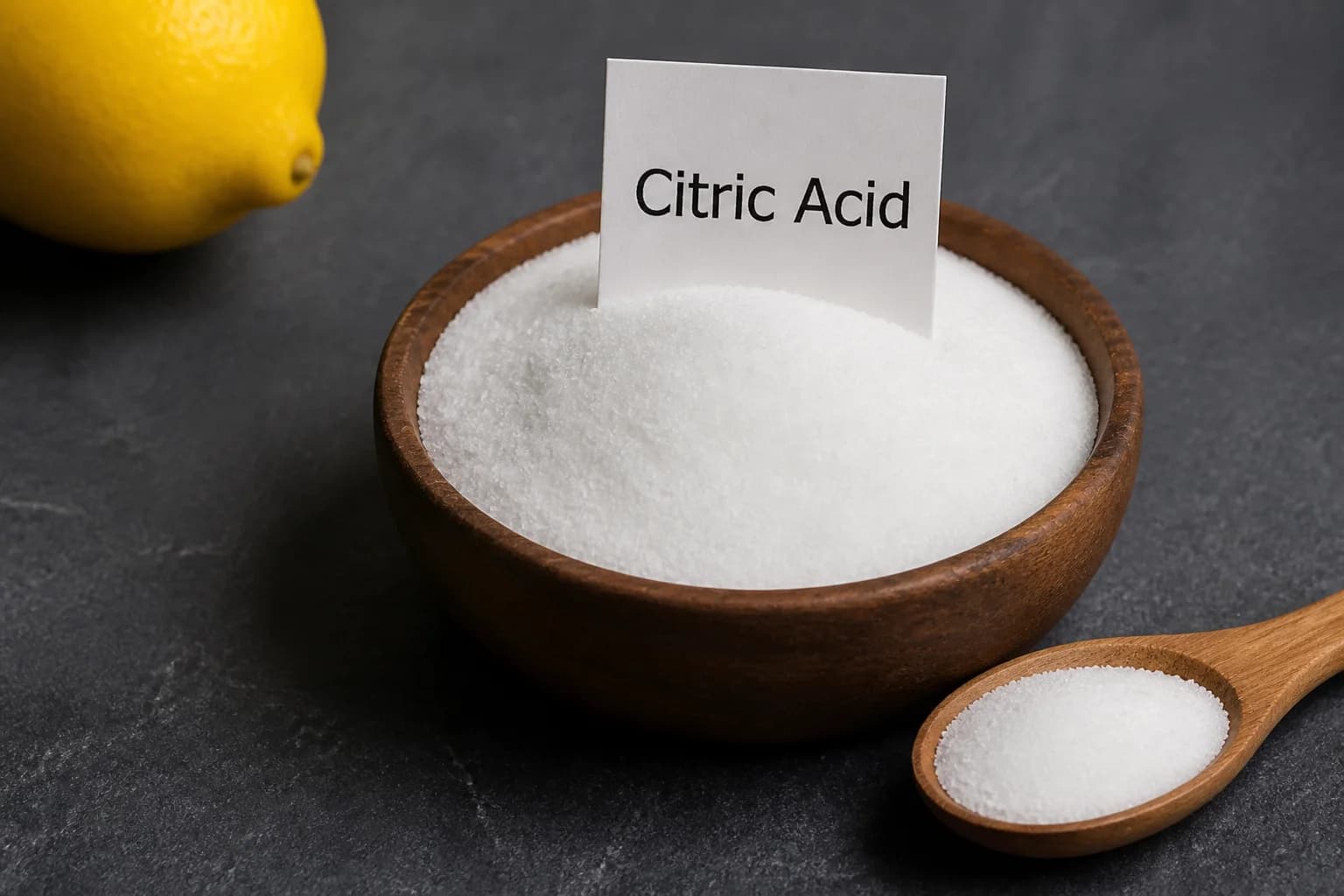


Citric acid appears in countless food products, from sodas to sausages. But regular citric acid dissolves immediately when it contacts moisture, limiting its usefulness in certain applications. Encapsulated citric acid solves this problem through a simple but clever modification: coating citric acid particles with a protective layer that controls when and how the acid releases.
This encapsulation technology transforms citric acid from an immediately active ingredient into a controlled-release system. The coating protects the acid during processing, prevents premature reactions, and triggers release only when specific conditions occur usually heat. Understanding what is encapsulated citric acid reveals how modern food science creates products with better shelf life, controlled acidity, and improved manufacturing efficiency.
What Is Encapsulated Citric Acid?
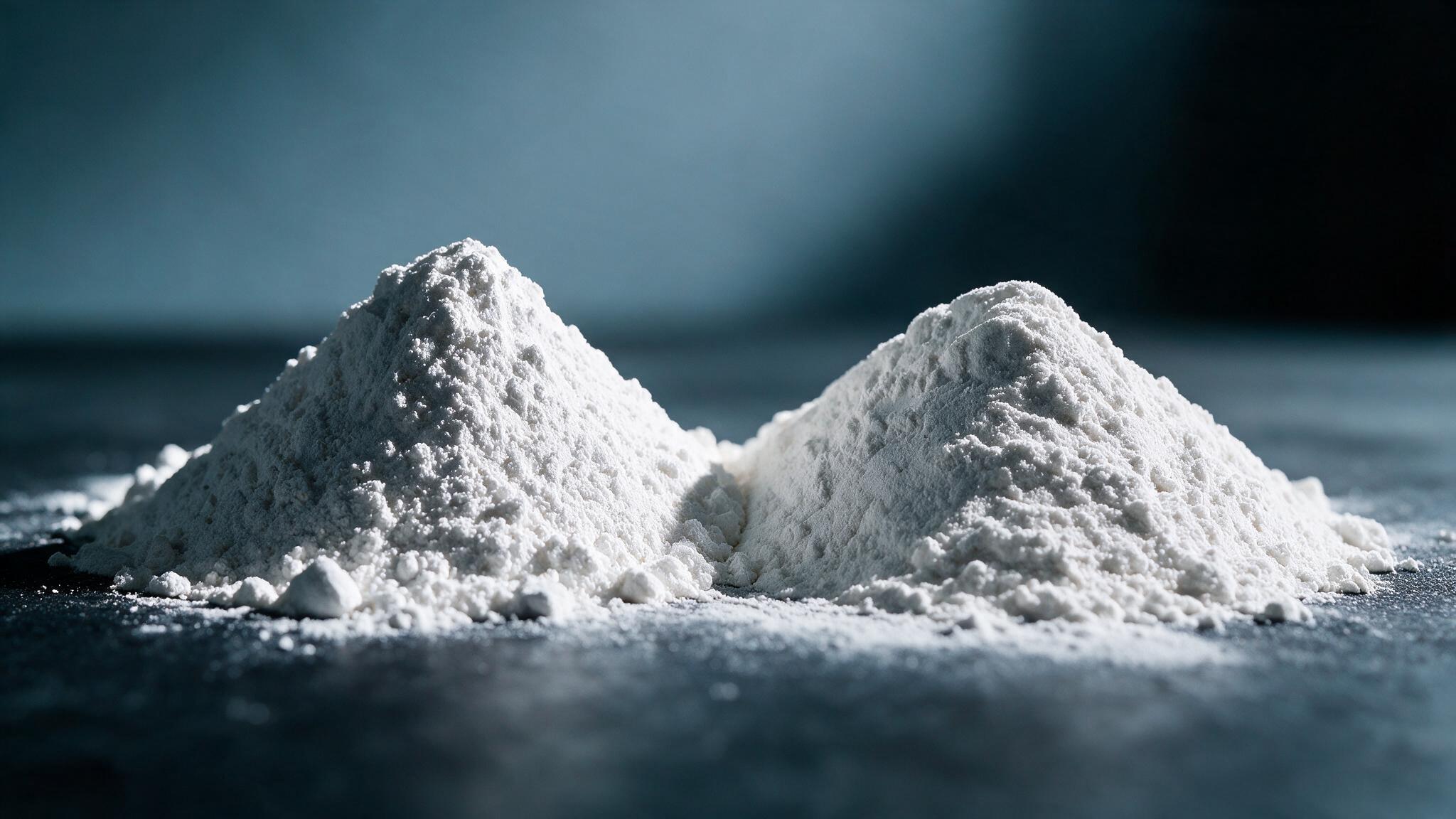
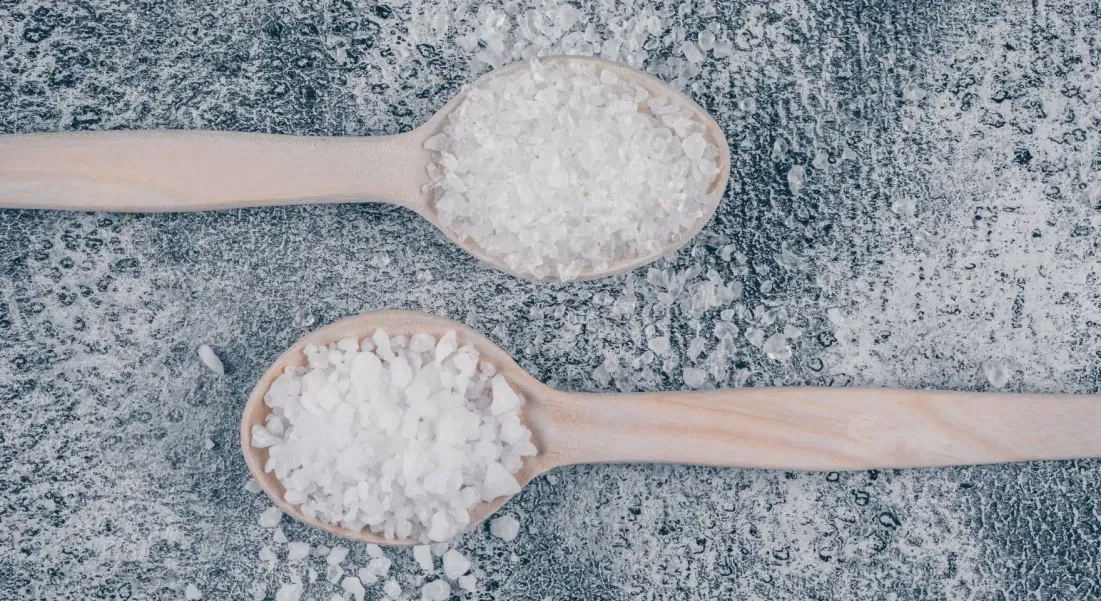
Encapsulated citric acid is regular citric acid with a protective coating that prevents it from dissolving or reacting until specific conditions are met. The coating typically made from food-grade hydrogenated vegetable oils—acts as a barrier that keeps the citric acid crystals isolated from moisture, other ingredients, and environmental factors during storage and processing.
The technology works through temperature activation. At room temperature, the coating remains solid and intact, keeping the citric acid locked inside. When temperature rises above the coating’s melting point (usually 135-165°F depending on formulation), the barrier dissolves and releases the citric acid to perform its intended function. This controlled-release mechanism gives food manufacturers precise control over when acidity develops in their products, solving problems that regular citric acid cannot address.
How Encapsulation Works?
The core concept is straightforward. Pure citric acid crystals get coated with a material that prevents water, other ingredients, and air from contacting the acid until the right moment arrives.
The coating materials typically include:
- Hydrogenated vegetable oils (most common)
- Hydrogenated cottonseed oil
- Palm oil or palm fat
- Glycerol monostearate (GMS)
- Food-grade waxes
These materials share key properties that make them effective encapsulation agents. They’re solid at room temperature but melt when heated. They’re hydrophobic, repelling water and moisture. And they’re food-safe, meeting regulatory standards for edible coatings.
The manufacturing process varies but generally involves:
Spray coating: Citric acid particles flow through a chamber while heated coating material sprays onto them, creating uniform layers.
Wurster coating: A pharmaceutical-grade process that suspends citric acid particles in an airstream while precision-coating them with the barrier material.
Fluidized bed coating: Particles tumble in warm air while coating material atomizes onto their surfaces, building up protective layers.
The final product contains typically 85-95% citric acid by weight, with 5-15% coating material. This ratio balances protection with economic efficiency—more coating means better protection but less active ingredient per dollar spent.
Temperature-Triggered Release Mechanism
The genius of encapsulated citric acid lies in its triggered release. The coating remains solid and intact at room temperature, protecting the citric acid inside. When temperature rises above the coating’s melting point, the barrier dissolves and the citric acid becomes active.
Standard release temperatures:
- 135-145°F (57-63°C): Common for meat processing applications
- 150°F (66°C): Most widely used threshold
- 165°F (74°C): Some specialized formulations
This temperature specificity allows food manufacturers to control precisely when acidity develops during processing. In sausage making, for example, the encapsulated citric acid remains inactive during grinding, mixing, and stuffing. Only during the cooking phase, when internal temperature reaches 150°F, does the coating melt and release the acid to perform its intended functions.
Primary Applications in Food Processing
Meat Processing and Sausage Making
The meat industry represents the largest user of encapsulated citric acid, particularly in fermented and semi-dry sausages.
Key functions in meat products:
pH reduction for shelf stability: The acid lowers pH from around 5.8-6.2 down to 5.3 or below, creating an environment where pathogenic bacteria struggle to grow. This pH drop makes products shelf-stable without refrigeration.
Tangy flavor development: The characteristic tang in summer sausage, salami, and snack sticks comes partly from controlled acidification. The encapsulated form delivers consistent flavor without the harshness of rapidly released acid.
Protein preservation: By releasing only after proteins have bound together during initial cooking, encapsulated citric acid doesn’t interfere with the meat structure. Premature acid release would denature proteins, creating crumbly, dry sausages.
Cure acceleration: The acid speeds nitrite conversion to nitric oxide, reducing curing time and developing the pink color and cured flavor faster.
Typical usage rates run 3 ounces per 25 pounds of meat (about 1 level teaspoon per pound). This ratio achieves desired pH reduction without excessive sourness.
Confectionery Products
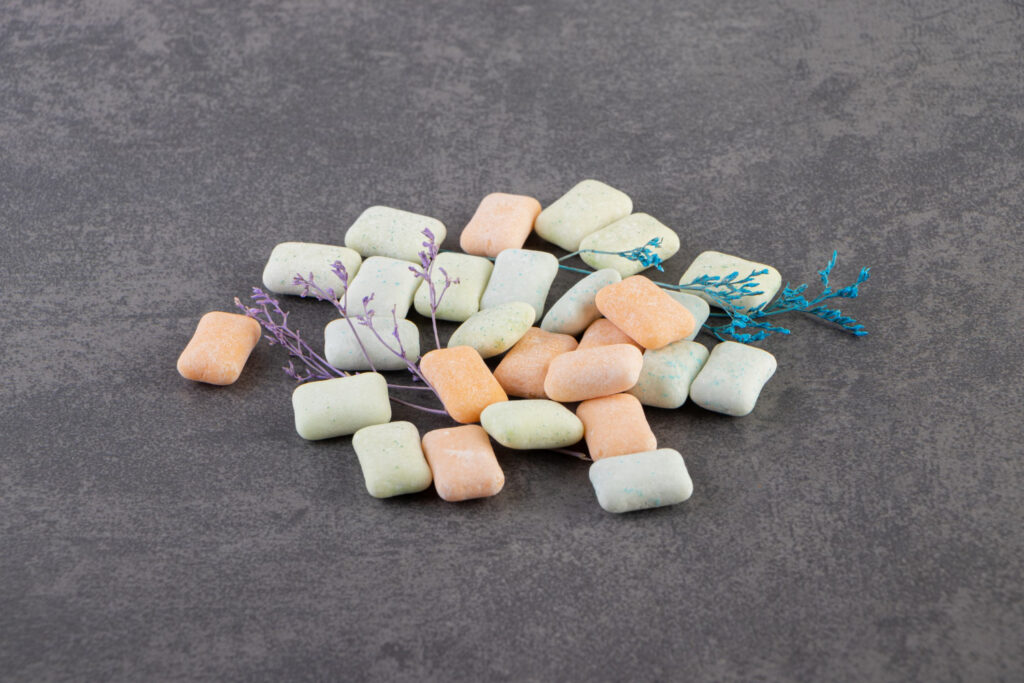
Candy manufacturers use encapsulated citric acid in gummies, jellies, and hard candies for moisture protection and controlled sour coating.
Applications include:
Sour candy coatings: Mixed with sugar to create the sour-then-sweet experience consumers expect. The encapsulation prevents the acid from dissolving prematurely in humid conditions.
Shelf life extension: The protective coating significantly reduces hygroscopicity—the tendency of citric acid to absorb atmospheric moisture. This prevents stickiness, clumping, and premature flavor release.
Controlled release in centers: Some candies use encapsulated citric acid in filled centers, where the coating prevents reaction with other ingredients until the consumer bites through the candy shell.
Research comparing encapsulated versus non-encapsulated citric acid in candy coatings shows dramatic differences. In hot, humid conditions (30°C, 60% relative humidity), non-encapsulated acid absorbs water rapidly, creating sticky surfaces within hours. Encapsulated versions with 10% coating material maintain stable surfaces for days under identical conditions.
Beverage Powders and Instant Drinks
Powdered drink mixes benefit from encapsulation in preventing premature reactions between acids and bases.
Specific advantages:
Prevents CO₂ loss: In effervescent tablets and powders containing citric acid and sodium bicarbonate, encapsulation prevents the two from reacting during storage. The coating keeps them separate until water triggers dissolution.
Controls acidity timing: Some specialty drinks require acidity to develop after mixing rather than immediately. Encapsulated citric acid in cold-water mixes releases gradually as the coating slowly dissolves.
Reduces caking: The hydrophobic coating prevents moisture absorption in packaging, keeping powders free-flowing.
Pharmaceutical Applications
Encapsulated citric acid appears in effervescent tablets, vitamin supplements, and pharmaceutical formulations requiring controlled acid release.
Medical uses include:
Effervescent delivery systems: Vitamin C tablets, pain relievers, and mineral supplements use encapsulated citric acid paired with bicarbonates to create fizzing action only when placed in water.
Taste masking: The coating delays acid release, reducing immediate sourness that might cause patients (especially children) to reject medications.
Enteric protection: Some pharmaceutical formulations use encapsulation to protect acid-sensitive active ingredients until they reach specific parts of the digestive system.
Is Encapsulated Citric Acid Healthy?
The health question breaks into two parts: the citric acid itself and the coating material.
Citric Acid Safety
Citric acid qualifies as GRAS (Generally Recognized as Safe) according to FDA regulations. It’s the same compound found naturally in citrus fruits, berries, and numerous vegetables. The human body produces citric acid as part of normal metabolism through the Krebs cycle.
Safety considerations:
- No known toxicity at levels used in foods
- Naturally metabolized by the body
- Provides mild antibacterial benefits
- Can erode tooth enamel in high concentrations (same as any acid)
- Generally well-tolerated even by sensitive individuals
The amounts used in encapsulated form are typically identical to or less than what would be used in non-encapsulated applications. The encapsulation doesn’t increase exposure; it just controls timing of release.
Coating Material Safety
The coating materials used for food-grade encapsulated citric acid must meet FDA standards for edible oils and fats.
Hydrogenated vegetable oils: These oils undergo hydrogenation to increase melting point and stability. While some concern exists about trans fats in partially hydrogenated oils, the fully hydrogenated oils used for encapsulation contain minimal trans fats. They’re structurally similar to naturally occurring saturated fats.
Glycerol monostearate (GMS): This emulsifier is widely used in food products and considered safe. It’s metabolized like other dietary fats.
Palm oil: When sustainably sourced, palm oil is a standard food ingredient with no special health concerns beyond being a saturated fat.
The coating materials typically represent less than 10% of the product weight. In a typical sausage application using 3 ounces per 25 pounds of meat, the actual coating material amounts to about 0.3 ounces—roughly 8-9 grams total. Distributed across 25 pounds of sausage, the per-serving amount becomes negligible from a nutritional standpoint.
Encapsulated Citric Acid Substitute Options
Several alternatives exist for applications where encapsulated citric acid might be unavailable or undesirable.
Direct Alternatives
Starter cultures: Traditional fermented sausages use bacterial cultures (like Pediococcus species) to produce lactic acid naturally. This method takes longer—sometimes days instead of hours—but creates authentic fermented flavor profiles.
Glucono-delta-lactone (GDL): This compound slowly hydrolyzes to gluconic acid when dissolved in water. It provides controlled pH reduction without encapsulation, though the control mechanism differs.
Encapsulated lactic acid: Similar concept to encapsulated citric acid but using lactic acid as the core material. Creates slightly different flavor profiles.
Non-Direct Alternatives
Vinegar powder: Provides acidity in dry applications but lacks the controlled-release benefits.
Ascorbic acid (Vitamin C): Offers acidification with antioxidant benefits but different flavor characteristics.
Malic acid: Creates sharper, more persistent sourness than citric acid. Also available in encapsulated form.
For meat processing specifically, starter cultures remain the traditional choice for authentic fermented products. They develop complex flavors through bacterial activity that pure chemical acidification cannot replicate. However, starter cultures require temperature control, specific humidity levels, and extended processing times that make them impractical for many commercial operations.
Storage and Handling Considerations

Encapsulated citric acid requires some special handling to maintain the integrity of its coating.
Critical handling rules:
Never regrind after addition: Grinding breaks the encapsulation, releasing the acid prematurely. Add encapsulated citric acid only after all grinding operations complete.
Mix gently: Add during the final 30-60 seconds of mixing to distribute evenly without rupturing the coating.
Don’t hold products: Once added to meat or other formulations, process and cook promptly. Extended holding times allow coatings to break down even at room temperature.
Store in cool, dry conditions: While more stable than regular citric acid, heat can soften coatings prematurely. Refrigerated storage extends shelf life.
Keep sealed: Exposure to moisture can compromise coating integrity over time.
Cost Considerations
Encapsulated citric acid costs significantly more than regular citric acid—typically 3-5 times higher per pound. This premium reflects the additional processing, coating materials, and specialized equipment required for manufacture.
However, cost analysis must consider the functional benefits:
- Prevents product failures from premature acid release
- Eliminates need for expensive starter culture equipment
- Dramatically reduces processing time (hours versus days)
- Improves yield by preventing protein breakdown
- Creates consistent results reducing waste from failed batches
For small-scale operations or home sausage makers, the convenience and reliability often justify the premium. For large commercial operations, the choice depends on product type, production volume, and whether authentic fermentation is essential to the product identity.
Sourcing Food-Grade Encapsulated Ingredients
For food manufacturers requiring encapsulated citric acid or other controlled-release ingredients for product formulation, partnering with suppliers who provide consistent quality and complete documentation ensures both product performance and regulatory compliance. Elchemy’s technology-driven platform connects food companies with verified suppliers of specialty food ingredients meeting FDA and international specifications.
Founded by engineers from IIT Bombay, IIT Delhi, and IIM Ahmedabad, Elchemy transforms chemical distribution through customer-centric technology. Whether you need encapsulated citric acid for meat processing, confectionery applications, or technical support for formulation development, our platform provides transparent sourcing from vetted Indian and global suppliers with complete quality documentation and regulatory support.
Conclusion
Encapsulated citric acid represents a targeted solution to a specific problem: controlling when and how acidity develops in food products. By coating citric acid particles with temperature-sensitive materials, food scientists created an ingredient that remains inactive during mixing and processing but releases precisely when needed during cooking or consumption. This technology enables products like shelf-stable sausages, non-clumping sour candies, and stable effervescent tablets that would be difficult or impossible to produce with regular citric acid. The health profile mirrors that of regular citric acid since the encapsulation simply controls release timing without changing the chemical nature of the acid itself. For manufacturers seeking consistent results, improved shelf life, and better process control, encapsulated citric acid delivers value that justifies its premium cost.