

At a Glance
- Creatine is a nitrogenous organic acid naturally occurring in vertebrates that plays a critical role in the energy metabolism of brain cells, synthesized from arginine, glycine, and methionine
- Creatine, whether taken as a supplement or consumed in foods like meat and seafood, is converted into phosphocreatine in the muscles, which helps produce energy in the form of ATP
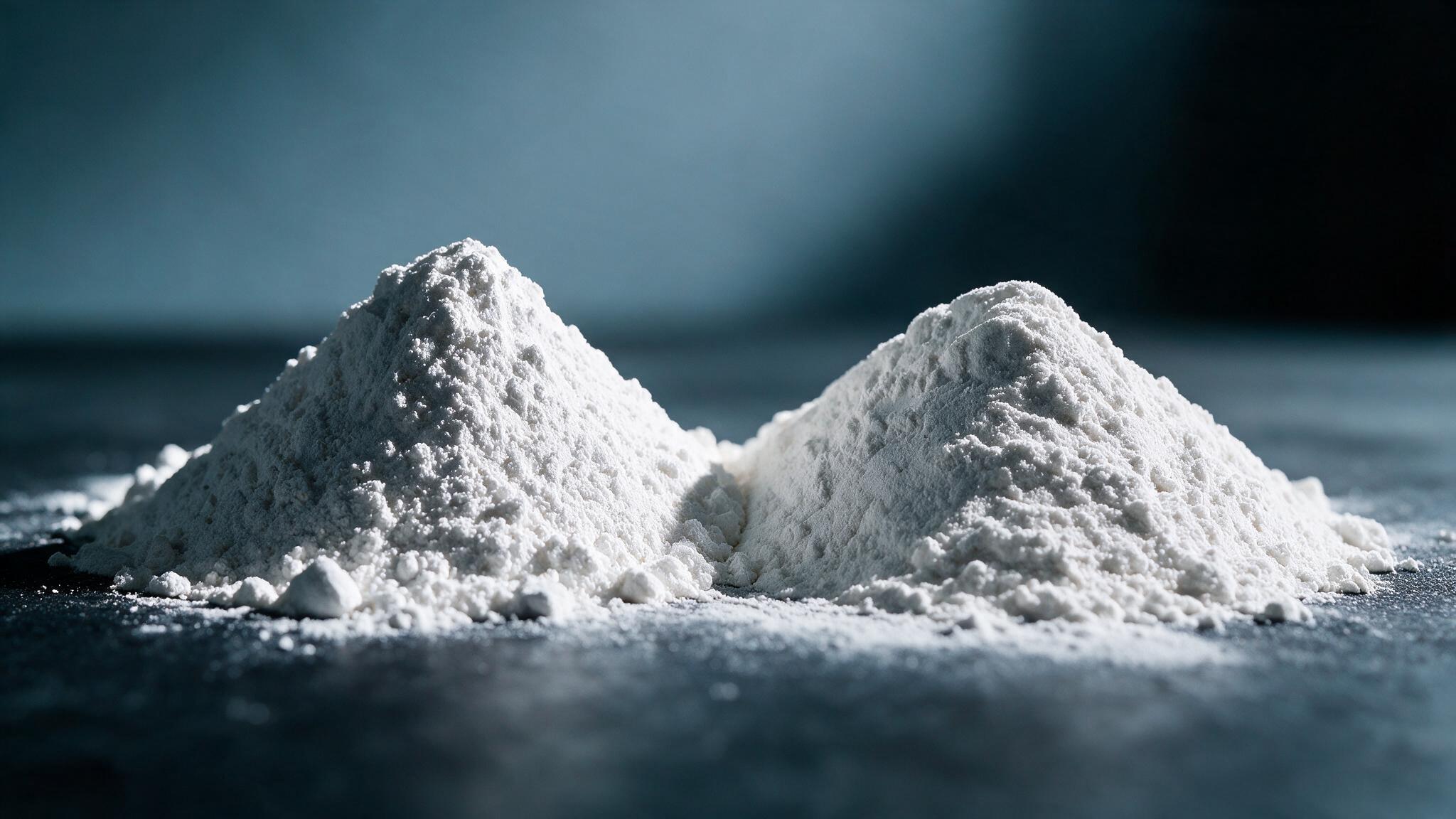
- Creatine monohydrate is the form used in the vast majority of scientific research and has the most evidence, making it the preferred form over other variants
- There is no scientific evidence that short or long-term use of creatine monohydrate has any detrimental effects on otherwise healthy individuals
- Benefits extend well beyond gym performance: brain health, aging, women’s health, and clinical applications are all active research areas
- Creatine may mitigate muscle wasting in sarcopenia, support neuroprotection in Parkinson’s and Huntington’s disease, and improve energy metabolism in chronic fatigue syndrome
- Standard dose: 3 to 5 grams daily. Loading phase optional, not required
Creatine monohydrate is the most researched supplement in sports nutrition history. Full stop. Not the most hyped, not the most marketed, the most actually studied. Hundreds of clinical trials, decades of safety data, and a consistent record of doing what it claims. And yet for most of its commercial history, it has been trapped inside the story of gym performance and muscle building, which is only one part of what it does.
Creatine, whether taken as a supplement or consumed in foods like meat and seafood, is converted into phosphocreatine in the muscles, which helps produce energy in the form of adenosine triphosphate. During high-intensity exercise and resistance training, ATP is rapidly depleted. Creatine helps regenerate ATP, allowing for sustained performance. That is the core mechanism. Everything else, whether it is muscle growth, cognitive function, or aging support, flows from the same fundamental role creatine plays in cellular energy.
What Is Creatine Monohydrate: The Basic Chemistry

Creatine is not an external drug or artificial compound. Your body makes it. Your liver, kidneys, and pancreas synthesize around one to two grams of creatine daily from the amino acids arginine, glycine, and methionine. You also get it from food, primarily meat and fish, which is why vegans and vegetarians consistently have lower baseline creatine stores than omnivores.
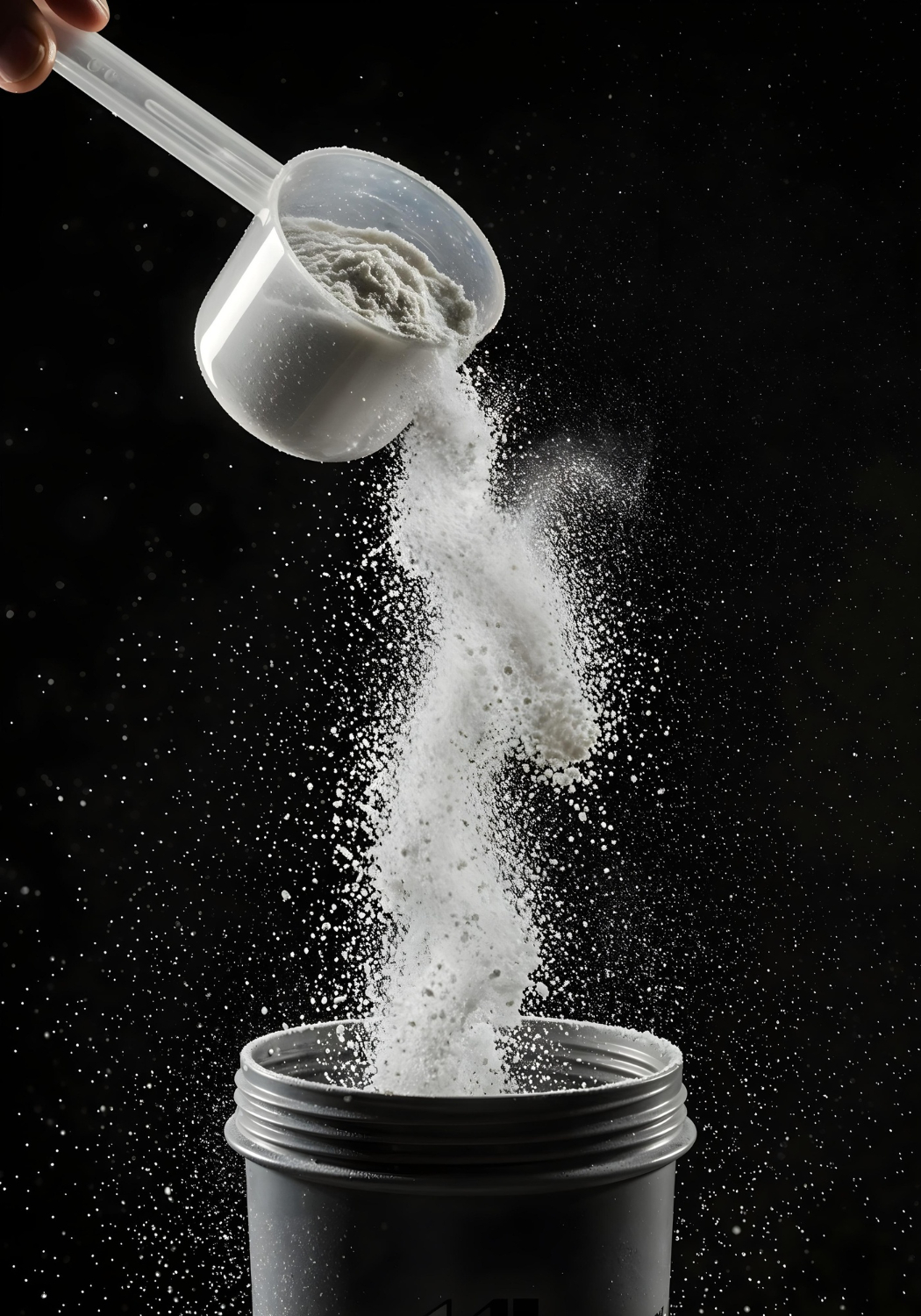
Creatine monohydrate is simply creatine bound to a single water molecule. This bonding improves stability and makes it more soluble than pure creatine. Interest in creatine supplementation for sports science arose in 1992 when it was demonstrated that after five days of oral administration at 20 grams per day, total muscle creatine and phosphocreatine increased by approximately 15 to 20%. Elevated creatine levels in muscle slowly return to normal after five to eight weeks following cessation of supplementation.
The monohydrate form has one specific practical advantage over newer variants like creatine ethyl ester, buffered creatine, and creatine HCl: it has the research. Thousands of studies. Multiple decades. Every other form of creatine is essentially trying to compete with that record, and none have managed it yet.
What Is Creatine Monohydrate For: The Full Picture
Performance and Muscle Strength
Creatine monohydrate supplementation is widely used by athletes in high-intensity, power-based sports due to its ability to enhance short-term performance by increasing intramuscular phosphocreatine stores, which aid in ATP resynthesis during intense muscle contractions.
This works across a specific type of exercise. Creatine is most effective for activities that involve short, intense bursts of effort where the phosphocreatine energy system is the primary fuel source. Think weightlifting, sprinting, HIIT, football, and basketball. It does less for steady-state endurance activities like long-distance running, where the aerobic energy system dominates.
Empirical evidence indicates that creatine supplementation significantly elevates intramuscular creatine content, thereby providing an energy substrate reservoir for exercise performance and facilitating improvements in muscle strength.
What creatine actually does for performance:
- Allows more reps at the same weight before fatigue hits
- Reduces recovery time between high-intensity sets
- Supports lean muscle mass gain when combined with resistance training
- Improves peak power output in sprint and power-based sports
Aging and Muscle Preservation
This is a growing area of research that most gym-focused creatine marketing completely ignores. Creatine monohydrate combined with exercise training significantly affects strength in older adults and has been shown to support muscle gain and help manage osteosarcopenia, the combined loss of muscle and bone density that accelerates after age 55.
The benefits of supplementation run parallel to what people need to counteract many of the effects of aging. Among chronically deconditioned and chronically ill patients, creatine monohydrate supplementation is not only safe but possibly beneficial in regard to preventing injury and managing select medical conditions.
As muscle mass and strength naturally decline with age, the ability of creatine to support ATP availability in muscle tissue becomes directly relevant to everyday function: getting up from a chair, carrying groceries, maintaining balance. This is not a gym benefit. It is a daily life benefit for anyone over 55.
Also Read: Natural vs Synthetic Vitamin E
Brain Health and Cognitive Function
A 2024 systematic review and meta-analysis of sixteen randomized controlled trials involving 492 participants found that creatine monohydrate supplementation showed significant positive effects on memory, attention time, and information processing speed. Subgroup analyses revealed benefits were more pronounced in individuals with diseases, those aged 18 to 60 years, and females.
The mechanism makes sense. The brain is a high-energy organ that relies heavily on phosphocreatine as an energy buffer, particularly during demanding cognitive tasks.
A 2024 study found that a single high dose of creatine monohydrate improved cognitive performance during sleep deprivation, suggesting creatine is a suitable candidate for reducing the negative effects of sleep deprivation on mental performance.
The Alzheimer’s research is early but notable. A 2025 pilot trial at the University of Kansas investigated 20 grams per day of creatine monohydrate for eight weeks in twenty patients with Alzheimer’s disease. Creatine monohydrate was associated with increased brain total creatine and improvements in cognition, supporting its feasibility as a non-pharmacological intervention for further study.
Women, Vegans, and Underserved Populations
In women, who typically have lower baseline intramuscular creatine levels, supplementation may help alleviate fatigue-related symptoms associated with the menstrual cycle, particularly during the early follicular and luteal phases. For vegans and vegetarians who often have reduced creatine stores due to the absence of creatine-rich animal products, supplementation can improve both physical and cognitive performance while supporting adherence to plant-based diets.
This is a genuinely underreported angle. Most creatine research historically focused on young adult males in sports science labs. The expanding evidence base now shows consistent benefits across:
- Women dealing with exercise-related fatigue
- Vegetarians and vegans with chronically low dietary creatine intake
- Older adults managing age-related muscle and cognitive decline
- People with specific neurological or metabolic conditions
How It Works: The ATP Mechanism in Plain Language
Your muscles run on ATP, adenosine triphosphate. During intense effort, ATP depletes fast, within seconds. Phosphocreatine stored in muscle tissue acts as a rapid backup reservoir, donating phosphate groups to regenerate ATP almost instantly.
When you supplement with creatine monohydrate, you increase the phosphocreatine stored in muscle and in brain tissue. More phosphocreatine means more ATP can be regenerated during intense effort, which means you can work harder before fatigue forces you to stop. After the effort, the creatine-kinase system recharges the phosphocreatine stores during rest periods.
The brain uses this same system. High cognitive load, sleep deprivation, or neurological stress depletes brain ATP. Increased brain creatine from supplementation provides a buffer against that depletion, which is why cognitive benefits emerge particularly under demanding conditions rather than in relaxed baseline testing.
Dosing: What Actually Works
| Protocol | Dose | Duration | Who It Suits |
| Loading phase | 20 g daily split into 4 doses of 5 g | 5 to 7 days | Those wanting faster muscle saturation |
| Maintenance dose | 3 to 5 g daily | Ongoing | Most people, standard protocol |
| Low dose, no loading | 3 g daily | 30 days to reach saturation | Sensitive stomachs, budget-conscious |
| Cognitive/aging use | 3 to 5 g daily | Consistent long-term | Older adults, non-athletes |
The loading phase is optional. It speeds up the time to full muscle saturation from around 28 days down to 7 days but does not change the end result. If you are not in a hurry, 3 to 5 grams daily with no loading phase works just as well over a month.
Creatine absorbs slightly better when taken with carbohydrates or protein because insulin helps shuttle it into muscle cells. Taking it post-workout with a meal is a practical approach but timing is not critical for the benefits to accumulate.
Conclusion
So what is creatine monohydrate and what does it do, practically speaking? It tops up your body’s phosphocreatine stores to support ATP production during high-intensity effort, whether that effort is a heavy squat, a sprint finish, a demanding cognitive task, or simply maintaining muscle and function as you age. It is safe, affordable, well-studied, and effective across a range of populations that the gym-bro marketing never fully captured.
What is creatine monohydrate for in 2026? Still performance, yes. But also healthy aging, cognitive support, vegan nutrition gaps, women’s health, and as an emerging area of clinical interest for neurological conditions. The research has outgrown the supplement aisle it started in.
For nutraceutical manufacturers, sports nutrition brands, and supplement companies sourcing Creapure-grade creatine monohydrate, pharmaceutical-grade creatine, or related amino acid and performance nutrition raw materials at commercial scale, Elchemy connects US buyers with verified global suppliers offering complete technical documentation, certificates of analysis, and supply chains built for the compliance demands of the American supplement market.