

At a Glance
- Global aluminum phosphate market: $226.18 million (2025) → $308.22 million (2032), 4.52% CAGR
- Primary applications: Pharmaceutical excipients (18,000+ metric tons annually), Ceramics, Coatings/corrosion inhibition, Adhesives, Dental materials, Environmental/pollution control
- Chemical composition: AlPO₄; phosphate anion (PO₄³⁻) bonded to aluminum cation (Al³⁺)
- Key properties: Thermal stability (maintains structure >1,200°C), Acid-base buffering capacity, Flame-retardant, Low toxicity, Chemical inertness, Controlled solubility
- Pharmaceutical-grade specifications: Ultra-low heavy metals (<5 ppm), USP/EP compliance, Vaccine adjuvant applications (mRNA vaccine production chains)
- Ceramic/refractory applications: Alumina production (exceptional hardness, heat resistance, thermal conductivity), High-temperature kilns, Insulators
- Coatings segment: $3.2 billion South Korea coal plant retrofit project mandating aluminum phosphate coatings (emission control), 6.2% CAGR growth through 2026 (flame-retardant applications)
- Environmental applications: Flue gas desulfurization systems, Corrosion-protective coatings, 85,000 tons annual demand projected by 2026
- Regulatory drivers: EU REACH compliance, Fire safety standards (stringent electronics/construction), USP/EP pharmaceutical grade requirements
- Cost structure: $12-25/kg for pharmaceutical grades; $8-15/kg for industrial/ceramic grades
- Market segmentation: Pharmaceutical 35-40%, Ceramics 25-30%, Coatings/adhesives 20-25%, Environmental 10-15%
Aluminum phosphate (AlPO₄) is a versatile inorganic compound serving critical functions across pharmaceuticals, ceramics, coatings, adhesives, and environmental applications. As industrial processes demand greater thermal stability, corrosion resistance, and flame-retardancy, aluminum phosphate has become indispensable in formulations requiring precise chemical control and compatibility with complex organic/inorganic matrices.
Understanding its diverse applications, performance characteristics, and market positioning enables manufacturers to optimize product performance and capture emerging growth opportunities.
Chemical Composition and Physical Properties
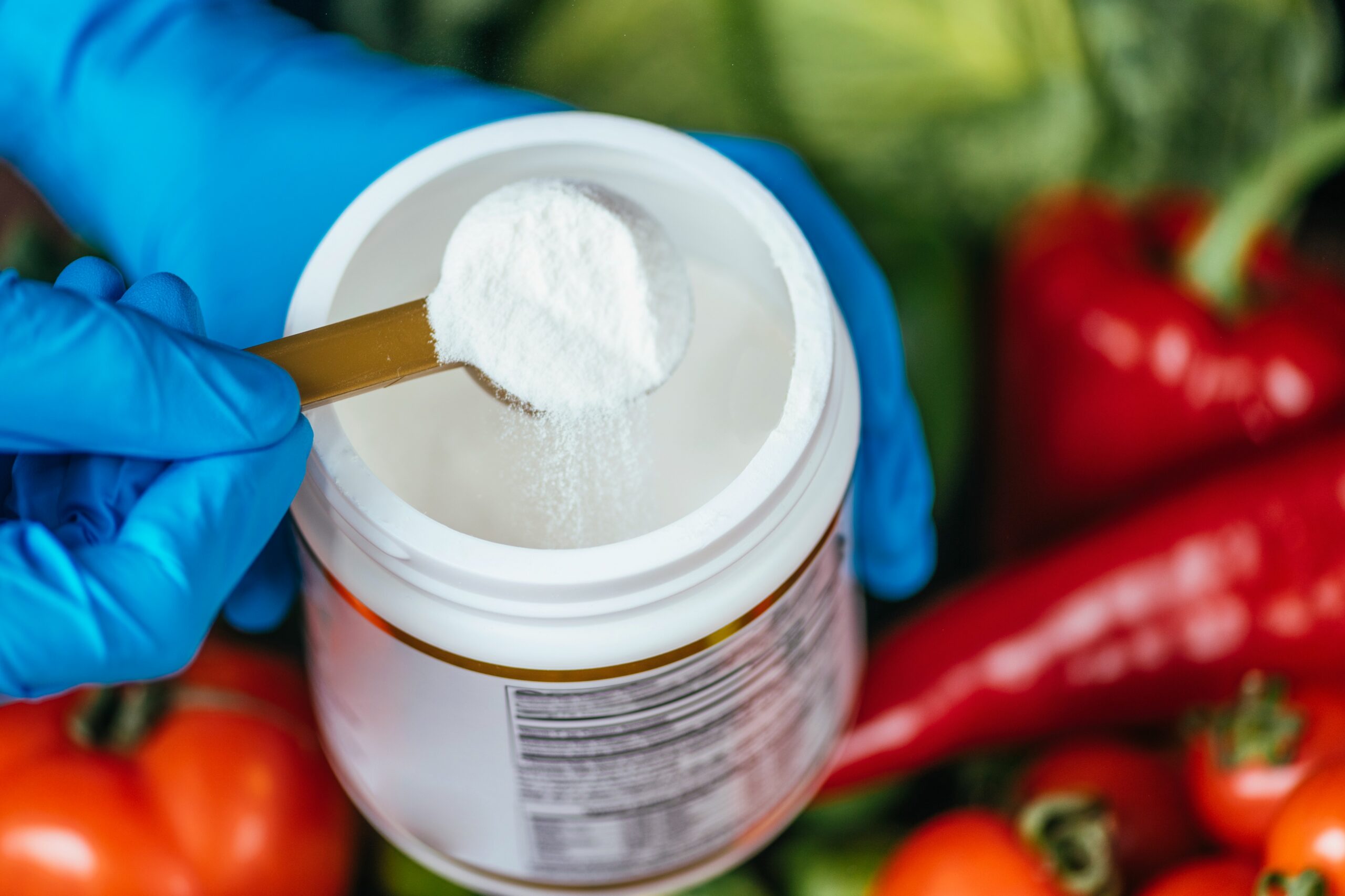
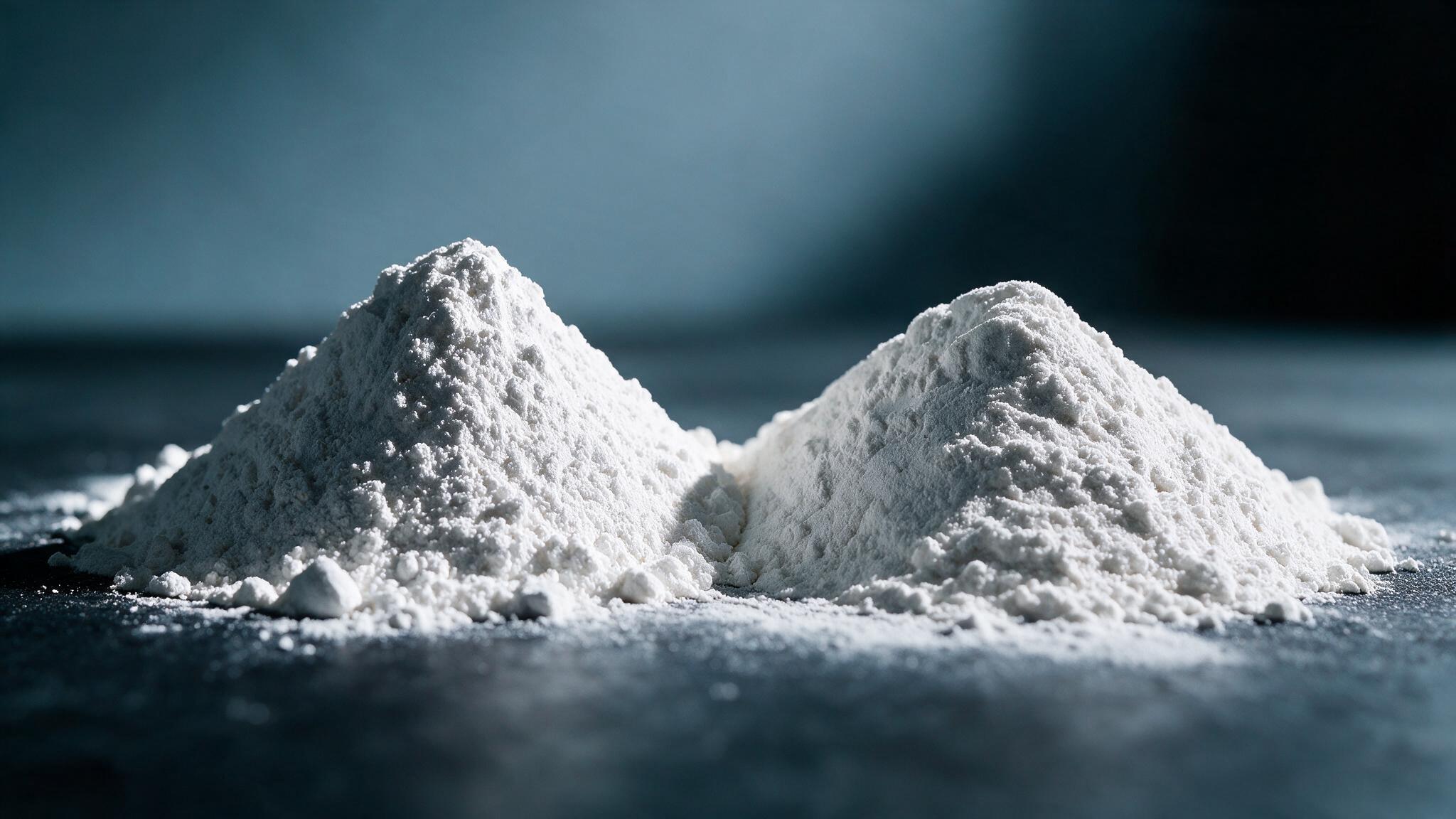
Aluminum phosphate is a white powder with no scent and is made up of aluminum cations (Al³+) and phosphate anions (PO₄³−). The compound can exist in several hydration numbers; the most common are monoaluminum phosphate (Al(H₂PO₄)₃), aluminum dihydrogen phosphate (Al(H₂PO₄)₃), and polyaluminum phosphate.
Key Physical Characteristics
- Molecular weight: 121.95 g/mol
- Thermal stability: Stable to +1200 degrees C, can be used at high temperature
- Melting point: 888 degrees C (anhydrous) or 955 degrees C (hydrated)
- Color: Yellow, Yellowish-white, Yellowish-brown, Yellowish-red, or Yellowish-green
Performance advantages:
The three features allow the use of aluminum phosphate in applications that cannot be achieved with traditional additives: thermal stability, acid-base buffering and controlled solubility. Crystalline compounds will provide predictable behaviour under processing and storage conditions, unlike amorphous compounds.
Also Read: Water-Based Hydraulic Fluids: Benefits, Applications, and U.S. Industry Demand
Pharmaceutical and Healthcare Applications
The aluminum phosphate segment accounts for the most significant end use (35-40% market share) due to its important functional properties in pharmaceutical formulations.
Vaccine Adjuvants
Aluminum phosphate serves as the main pharmaceutical use as an adjuvant for manufacturing of vaccines. Aluminum phosphate serves as an immune system stimulator, through the depot effect. It binds to the vaccine antigens and facilitates slow release of vaccine antigen, which leads to an extended activation of B-cells and T-cells.
Pharmaceutical grade aluminum phosphate containing ultra-low levels of heavy metal (<5 ppm) and involving large human populations receiving billions of doses of vaccine every year is being used by vaccine manufacturers worldwide. More than 18,000 metric tons of aluminum phosphate are used per year in the pharmaceutical industry, including large vaccine companies that are involved in the supply chains of mRNA vaccines for COVID-19.
Dosage: 0.125-0.625 mg aluminum per dose of vaccine (much lower than safety limits)
Supply sensitivity: High (Limited supply from regulatory approved sources, Supply disruption in 2021-2023 caused bottlenecks)
Antacid Formulations
Aluminum phosphate is a component of oral preparations of antacids, which neutralize stomach acid (acid-base buffer). It finds its application as an ingredient in some antacids that help in neutralizing stomach acid.
Efficacy: 2-3 mEq of gastric acid per gram of aluminum phosphate
Advantages vs. alternatives: Less sodium (beneficial to patients with hypertension); more slowly absorbed than aluminum hydroxide (decreases risk of hyperaluminemia with chronic use)
Market size: $180-220 million worldwide (declining because of the preference of H2-receptor antagonists, yet still strong OTC market)
Dental Materials
To obtain biocompatibility and mechanical properties, aluminum phosphate is used in dental cements and bone substitutes. In dentistry, it is frequently employed to make dental cement.
Applications:
- Glass ionomer cements (restorative/luting agent)
- Calcium phosphate composites (bone scaffolds)
- Root canal sealers
Chemical inertness: High chemical inertness to resist degradation in the oral environment; pH stability during setting
Market growth: The market is expected to grow at 7-9% CAGR due to the growing cosmetic dentistry, ageing population and innovation in biomaterials
Applications in Ceramics and Refractories
One of the most important raw materials for advanced ceramics is aluminum phosphate, which makes up 25 to 30 per cent of the consumption.
Alumina Ceramics Production
Aluminum phosphate ceramic materials are extremely hard, heat resistant and corrosion resistant when it is thermally decomposed to alumina (Al2O3). Aluminum phosphate is used as a raw material for alumina ceramics which have high hardness, heat resistance, corrosion resistance and thermal conductivity.
Areas of use:
- High temperature crucibles
- Thermocouple sheaths
- Refractory tiles, kiln/furnaces
- Abrasive media
- Electrical insulators
Processing temperature: Ceramics decompose at 1200-1400 degrees C, and operate at higher temperatures than 1600 degrees C
Purity specification: Alumina ceramics made from phosphate sources are manufactured with a purity of 95-99.9% (which is essential for high performance applications)
Glaze Formulations
Aluminum phosphate is also used in the manufacture of glaze, as an aid in adhesion, thermal matching and surface finish. It is also used to make glazes for application in the ceramic industry.
Function:
- Provides better viscosity control
- Larger firing window
- Better gloss development
Market segment: Tableware and sanitary ware and decorative ceramic (Estimated $8-12 million per year market segment)
Also Read: What Cleaning Products Have Ammonia? Ammonia-Based Cleaning Products for Industrial Uses
Coatings and Corrosion Inhibition
Coatings and corrosion inhibitors make up 20-25% of the use of aluminum phosphates and are the fastest growing applications.
Metal Surface Protection
Aluminum phosphate-based coatings form phosphate conversion coatings that protects the steel from corrosion. It is used in the metal industry as corrosion inhibitor for protection of metal surfaces.
Mechanism: Aluminum phosphate reacts with the surface of the metal and forms insoluble aluminum-metal phosphate complex which blocks oxygen/water diffusion to the substrate
Application method: Spray, dip or electrostatic deposition
Applications:
- Automotive (body panels, suspension parts)
- HVAC system
- Heavy equipment (construction, farming equipment)
Cost advantage: Lower toxicology than hexavalent chromium (Cr6+) coatings; allows to become RoHS and REACH compliant without loss of performance
Environmental Emission Control
The use of aluminum phosphate-based coating is slowly beginning to be used for corrosion protection in the desulfurization system of flue gas in coal power stations. South Korea will be replacing the technology that is being used to retrofit 20 coal plants with emission control equipment by 2025 and the technology involves coating the scrubber units with aluminum phosphate.
Application:
- Scrubber linings
- In FGD (flue gas desulfurization) systems, ducting and mist eliminator coatings are applied
Specification: Resist SO₂ exposure and acid condensation and have an operating temperature of 70-150 degrees C
Future demand: The air pollution controls requirements may result in an extra demand of 85,000 tons of annual demand for aluminum phosphate in environmental applications by 2026
Growth drivers:
- Global coal plant retrofitting
- More stringent emissions standards (EU, China, India)
- Move to cleaner coal combustion technologies
Flame-Retardant Coatings
The demand for aluminum phosphate-based coatings is expected to grow at a CAGR of 6.2% through 2026, as strict fire safety regulations in electronics and construction materials are prompting the use of the coating.
Mechanism: Aluminum phosphate will convert to phosphoric acid when heated, thus protecting the surface of the substrate by creating a protective char layer
Uses:
- Building insulation coatings
- Electrical equipment enclosures
- Textile backcoatings
- Cable jackets
Regulatory drivers:
- UL/IEC fire safety standards
- Building codes (1-hour, 2-hour, 4-hour fire ratings)
- Smoke/toxicity requirements
Adhesive and Binder Applications
Aluminum phosphate is used as high temperature binder for adhesives and refractory cements.
Refractory Cements
Aluminum phosphate is used as a binding agent for castable refractory formulation, where it is used to provide strength during heat cycles. These include furnace lining, ladle repair and molten metal contact surface.
Advantages over ceramic-bonded options:
- Improved green strength (shorter demould time)
- Reduced sintering temperature (less than 1,000 degrees C compared to more than 1,400 degrees C for ceramic-bonded)
- Increased resistance to thermal shock
Market segment: Steel mills, foundries, petrochemical furnaces, with an estimated market size of $15-20 million per annum
Industrial Adhesives
Aluminum phosphate is used for special adhesive compositions to provide a hydrolysis-resistant bond between ceramics, metal and refractory materials. Temperature stability to 500 degrees C+ with thermal cycling resistance are included in the performance requirement.
Environmental and Personal Care Applications
Aluminum phosphate is used in cosmetics as an emulsifier, stabilizer and pH buffer.
Antiperspirants
Aluminum phosphate is also used in antiperspirants, in the cosmetics industry as an emulsifier to improve the stability of some cosmetic products.
Primary functions:
- Dispersing of active substances (for example the anti-perspiration agent aluminum chlorohydrate)
- Stability of the suspension
World market size for aluminum salts: $120-150 million (growing with aluminum-salt consumer concerns causing formulation optimization)
Skincare Products
The buffering capacity (pH 4.5-6.5 for skin compatibility) and emulsifying properties of aluminum phosphate are useful in moisturizers, serums and foundation formulas.
Concentration: 0.5-2% by weight (no irritation has been reported, margin of safety is well established)
Regulatory status: Safe in cosmetics (concentration dependent) as listed in Cosmetic Ingredient Review (CIR)
Fiber, Cloth and Paper Uses
In textile industry, aluminum phosphate is used as a sizing compound and flameproof finishing agent.
Flame-Resistant Textiles
Finish application: 15-25% aluminum phosphate (on finished fabric)
Mechanism: Phosphate based finish evolves phosphoric acid and polyphosphoric acids on thermal exposure disrupts flames propagation
Applications:
- Protective workwear
- Military uniforms
- Home furnishings (such as curtains, upholstery)
- Aerospace composites
Manufacturing Process and Cost Structure
The process for manufacturing aluminum phosphate starts with aluminum salts (aluminum chloride, aluminum hydroxide) and phosphoric acid:
AlCl₃ + H₃PO₄ → AlPO₄ + 3 HCl
or
Al(OH)₃ + H₃PO₄ → AlPO₄ + 3 H₂O
Production procedure:
- Controlled precipitation
- Filtration
- Washing
- Drying
- Mixing
Cost drivers:
- The purity of the phosphoric acid (technical grade/food grade)
- The Al feedstock sourcing
- Energy (drying, thermal processing)
Pricing by Application
- Pharmaceutical Grade (USP/EP certified, <5 ppm heavy metals): $20-25/kg
- Food-grade (FDA GRAS, 95%+ purity): $15-18/kg
- Industrial/ceramic-grade (90%+ purity): $8-12/kg
- Bulk commodity (construction/environmental): $6-10/kg
Regulatory Status and Compliance
Pharmaceutical
- GRAS (Generally Recognized as Safe) by FDA for food/drug use
- USP/EP monographs are available
- Vaccine grade specifications are third party verified
Cosmetics
- EU Approved and listed as safe for use in cosmetic products by Cosmetic Ingredient Review (concentration dependent)
Environmental
- Commercial trade is recommended to be recorded in the EU REACH, but not in most jurisdictions
Safety Profile
- LD50 (oral, rat) greater than 5,000 mg/kg
- Non-toxic when exposed at work
- Not listed as a cancer causing agent
Conclusion
Aluminum phosphate is a multi-functional chemical compound that can be applied in various areas including pharmaceutical, ceramic, coating, adhesive and environmental applications that require the thermal stability, chemical inertness and controlled reactivity. Growth in the market (4.52% CAGR until 2032) is driven by the increased demand for vaccine manufacturing, emission control of the environment, and flame retardation coatings; all of these are subject to market rules that enable premium pricing because of the regulations and desired performances.
Aluminum phosphate is a well-defined, well-established solution, with established supply chains and complete regulatory support from the manufacturers of pharmaceutical excipients, ceramic materials, corrosion protection coatings or environmental systems. Selection is based on the application and the amount of heavy metals present, the shape of the particles, the hydration state of the metal and the compatibility with the other ingredients of the formulation.
Elchemy offers pharmaceutical quality (USP/EP certified with less than 5 ppm heavy metals), food quality (FDA GRAS) and industrial quality formulations with complete technical documentation, particle size specifications and application support for OEM approval and regulatory compliance for industrial users, who obtain aluminum phosphate from a variety of pharmaceutical, ceramic, coating, adhesive and environmental applications.