

At a Glance
- U.S. hydraulic fluids market: $3.12 billion (2024) → $4.75 billion (2032), 5.4% CAGR
- Water-based fluids: 12-15% of market share (2025), projected 18-22% by 2033; growing 7-8% annually
- Primary water-based types: W/O emulsions (water-in-oil, 35-50% water), O/W emulsions (oil-in-water, 50-70% water), Anhydrous phosphate esters (no water, synthetic)
- Fire resistance advantage: Flash point >300°C (water-based) vs 150-250°C (mineral oils); fire-resistant fluid classification reduces insurance 30-60%
- Thermal management: Water heat capacity 3.5x greater than mineral oil; superior performance in tropical/high-duty-cycle operations
- Environmental biodegradability: Water-based >90% degradation in 21 days (OECD 301B); mineral oils <30% degradation, persist 10-30 years
- Cost structure: Water-based $15-25/liter vs mineral oil $4-8/liter (2-4x premium); anhydrous phosphate esters $25-40/liter (highest cost)
- Lubrication trade-off: Water reduces film strength; anti-wear additives compensate but wear rates 15-25% higher than mineral oil
- Water separation critical: Free water contamination reduces fire resistance; requires separator systems, quarterly fluid analysis
- Largest end-use: Mining (MSHA fire-resistant mandates), Metal processing, Marine (offshore/wind turbines), Aerospace maintenance
- Competitive position: Mineral oils 65-70% share (cost-effective, non-hazardous); Synthetic 25-28% (extreme-temperature); Water-based 12-15% (specialty/hazardous-duty)
- Regulatory drivers: MSHA mining standards, EPA spill prevention, state water quality regulations, EU Ecolabel/ISO 15380 HETG standards
Water-based hydraulic fluids represent a paradigm shift in fluid power systems, addressing critical safety, environmental, and performance requirements unmet by traditional mineral oils. Used in mining operations, metal processing, marine environments, and heavy industrial applications, water-based systems deliver fire resistance, biodegradability, and thermal management advantages that justify higher costs in hazardous-duty operations. Understanding water-based fluid composition, performance characteristics, and market positioning enables manufacturers and operators to deploy appropriate fluid technologies across their equipment portfolio.
Also Read: Aluminum Chlorohydrate vs. Aluminum Sesquichlorohydrate: Choosing the Right Deodorant Ingredient
Market Scale and U.S. Industry Momentum
The 2024 U.S. hydraulic fluids market totaled $3.12 billion, which is expected to expand to $4.75 billion by 2032 (5.4% CAGR). Water-based hydraulic fluids are a growing and emerging part of this market, as strict safety requirements, environmental regulations and operator demands for fire resistant fluids have increased in hazardous environments.
Water-Based Adoption Drivers
- Mining industry mandates: MSHA regulations mandate the use of fire-resistant fluids in underground/high temperature operations
- Fire insurance premium reductions: 30-60% premium reduction for mineral-oil systems converted to water-based
- Environmental regulations: EPA and state laws limit hydraulic fluid spills; water-based fluids are biodegradable 90% in 21 days vs mineral-based oils less than 30% in 21 days
- Industrial machinery modernization: $142.7 billion construction equipment market in 2025 with upgrade cycles favoring safer fluids
- Offshore renewable energy: Wind turbine hydraulics requiring extreme water separation and corrosion inhibition
In 2025, the market for the water-based segment was the largest with mining and metal processing being the primary drivers. Growth rate for water-based systems is outpacing the overall market growth rate (7-8% CAGR for water-based vs 3.5-4.7% for blended hydraulics market), indicating that there is consistent demand momentum.
Composition of Water-Based Hydraulic Fluids and Fluid Types
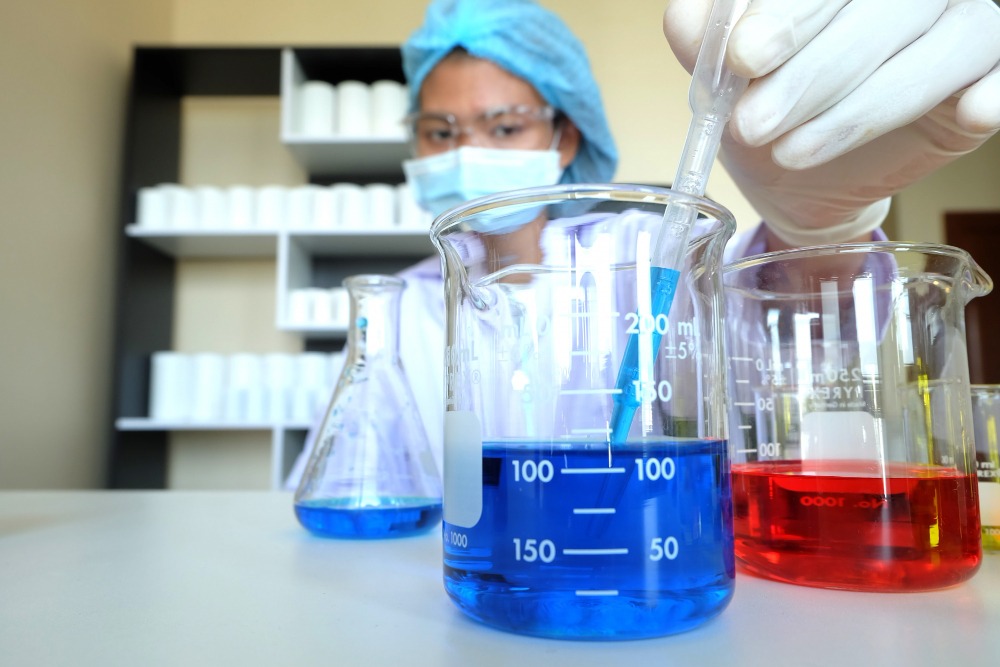
Water-based hydraulic fluids are not just water, however, but a very special mixture of water and various oils, emulsifiers and additives to provide the desired performance properties.
Water-in-Oil (W/O) Emulsions
Composition: 35-50% water in the form of microscopic droplets in a continuous oil phase, stabilized by emulsifier
Mechanism: Water provides fire resistance (because water absorbs heat and suppresses combustion) and oil phase provides lubrication.
Performance characteristics:
- Flash point: >300 degrees C (vs 150-250 degrees C for mineral oils)
- Viscosity stability: Viscosity remains stable over a temperature range of -20 degrees C to +80 degrees C
- Lubrication: Similar to mineral oils, except that lower film strength of water is offset by anti-wear additives
- Water separation: Extremely critical (ambient humidity leads to water contamination and therefore to loss of fire resistance; separator systems are required)
Applications: Mining, steel mills, metal processing where fire hazard is the primary concern
Cost: 2-4x mineral oil ($15-25/liter vs $4-8/liter for mineral oil)
Oil-in-Water (O/W) Emulsions
Structure: Inverse (oil droplets in continuous aqueous phase); 50-70% water
Mechanism: Water base has higher heat capacity, lower combustibility and oil has minimal lubrication
Performance characteristics:
- Ease of combustion: Lowest (inherently fire resistant because of water dominance)
- Lubrication: Reduced vs mineral oils (water is poor film strength)
- Cost: Less than W/O systems, but more than mineral oils
- Corrosion protection: Needs high corrosion protection packages, because water speeds up the corrosion process unless it is protected
Applications: Marine hydraulics (thermal management in tropical environment), municipal wastewater treatment equipment
Limitation: Limited to low stress systems due to poor lubrication; not suitable for high pressure pump/motors
Fire-Resistant Fluids (Phosphate Esters) – Anhydrous
Composition: Synthetic phosphate ester base stocks (no water); fire resistance is due to compound structure, not water content
Mechanism: Phosphate ester chemistry is a free-radical scavenger that works to inhibit flammability
Advantages over water-based:
- Better lubrication (no water to reduce film strength)
- Greater resistance to heat (can be used at higher operating temperatures)
- Extended drain periods (longer service intervals)
Disadvantages:
- Phosphate ester persistence and aquatic toxicity (in some formulations) are environmental concerns
- Higher price premium ($25-40/liter, highest of the fire resistant)
- Phase-out from the regulatory process (EU limiting some of the chemistries of phosphates)
Market position: Decreasing, water-based becoming more popular despite lubrication compromises
Performance Benefits of Water-Based Hydraulic Fluids
Superior Fire Resistance
Water-based fluids are fire resistant and burn at vastly diminished rates as mineral oils. The autoignition point is higher than 300 degrees C for W/O emulsions with 35 to 50% water than autoignition point of mineral oils is 180 to 220 degrees C. In fire hazard areas such as steel mills or in underground mining, this safety margin ensures that catastrophic fires of equipment and injuries to people are prevented.
Water-based fluids are classified as fire-resistant in fire test standards (ASTM D92, ISO 6743-4) which helps lower insurance premiums and allows operation in hazardous areas where mineral oils are not allowed.
Thermal Management
Water’s superior heat capacity (3.5x greater specific heat than mineral oil) enables water-based systems to absorb/dissipate heat efficiently. This property helps to minimize the rise in bulk oil temperature in tropical climate or high duty cycles, reducing the cooling system load, and enhancing the reliability of the equipment. Water-based systems are increasingly specified in Southeast Asia and Middle East marine hydraulics to deal with thermal stress.
Environmental Biodegradability
Water based fluids (O/W emulsions in particular) are biodegradable to greater than 90% within 21 days (OECD 301B test). Mineral hydraulics degrade less than 30% in 21 days, persisting in soil and water systems 10-30 years. Spill environmental damage (40-60 million liters of hydraulic fluids per year released into the environment) makes biodegradable fluids, despite their higher costs, worthwhile.
Regulatory advantage: EU Ecolabel and ISO 15380 HETG compliant water-based fluids, providing access to the European market and emerging environmental markets.
Corrosion Inhibition (When Properly Formulated)
Water boosts the corrosion rate of steel, copper or aluminum, except when inhibitor packages are used. Passivators, acid neutralizers and rust inhibitors can be added to advanced water-based formulations, providing corrosion protection that is equal to or better than mineral oils. Systems with high water levels (up to 15-20% water saturation) will not cause a deterioration of the components if the systems are properly formulated.
Critical requirement: Fluid analysis programs are in place that track water content and acid neutralization number; systems are tested quarterly (annually for mineral oil).

Operational Limitations and Trade-Offs
Reduced Lubrication Film Strength
Water is not a good hydrodynamic film between surfaces. W/O emulsions make up for their shortcomings by using anti-wear additives (zinc dialkyldithiophosphate, ZDDP) and borderline lubrication chemistry. Result: Water based systems can be used on gear pumps, piston motors (moderate stress) but not recommended on swashplate pumps (extreme lubrication demand) or directional control valves (tight clearances).
Consequence: Increased wear rates (15-25% wear increase over mineral oil), reduced component life, increased replacement costs which offset fuel savings.
Water Separation and Contamination Management
When the emulsified phase is statically stored or used at higher temperatures, water will naturally separate out. The water at the bottom of tanks becomes free and leads to loss of component lubrication, the formation of sludge, and a decrease in the ability to resist fire. Separator systems (centrifuges, coalescers and water removal absorbents) are required to keep water levels below critical limits (usually less than 5% for W/O and less than 20% for O/W).
Extra maintenance costs: Fluid testing, separator cleaning, and disposal of separated water ($2,000-5,000 per year, depending on the size of the hydraulic system).
System Component Incompatibility
Some seals, gaskets and coatings deteriorate in aqueous surroundings that demand flushing of systems and replacement of parts. Water based fluids may cause hoses rated mineral oil to swell or harden. It is NOT a simple task to switch fluids in existing systems, as compatibility testing is required ($5,000-20,000 for system audit and replacement).
Industrial Applications and End-Use Sectors
Mining operations (largest segment):
Underground coal mines, hard rock mining (MSHA fire resistant fluid required); water based systems are required for roof bolting, load haul dump vehicles, continuous miners in enclosed environments
Metal processing and steel mills:
Electric arc furnace hydraulics, continuous casting systems run at high temperatures; water-based to reduce fire risk in high temp areas
Marine hydraulics (fastest-growing segment):
Offshore oil/gas platform equipment, wind turbine hydraulics (pitch control, yaw systems) demanding saltwater corrosion protection and excellent water separation
Municipal wastewater treatment:
Sludge handling equipment, lift gates, pump control systems where environmental safety critical; O/W emulsions predominant
Aerospace maintenance (specialized):
Aircraft ground support hydraulics; minimizing fire hazards from aircraft hangars and aircraft maintenance bays
Also Read: 7 Hidden Dangers of Sodium Lauryl Sulphate (SLS) That Manufacturers Must Know
Currently at 12-15% of the global hydraulic fluid market, water-based fluids are expected to increase to 18-22% of the market by 2033 with increased pressure from regulations. Market growth exceeding hydraulic fluid market growth rate (7-8% vs 3.5-4.7% blended market CAGR).
Mineral-oil-based fluids: Maintain the bulk of market share because they are cost-effective, have an already existing infrastructure and are performing well in non-hazardous applications
Synthetic (PAO, ester) fluids: Increasing market share (25-28% U.S. market) for extreme temperature and extended drains
Bio-based/biodegradable fluids: Emerging (5-8% share); Projected the fastest growth (9.5-10% CAGR), as environmental regulations and corporate sustainability mandates are gaining significant traction
Solvent-based: Mainstream, but declining in hazardous-duty applications due to cost/environment/health reasons
Market Drivers and Implementation Drivers in the USA
Regulatory Environment
- MSHA’s underground mining safety standards require fluids must be fire resistant
- EPA spill prevention regulations encourage use of biodegradable alternatives
- Water quality regulations at state level prohibit discharge of hydraulic fluids (e.g., California, Colorado, Washington)
Insurance and Risk Management
- 30-60% premium reductions for water-based systems compared to mineral-oil systems in high hazard industries
- Corporate sustainability actions (ESG commitments) based on biodegradable fluids
- Reduced liability in the event of an environmental spill
Industrial Automation and Fleet Modernization
- Construction equipment market of USD 232.2 billion by 2032 (projection) offering upgrade opportunities
- Warranties that provide longer periods of equipment protection and reduce total cost of ownership for water-based systems
- Predictive fluid monitoring systems (IoT sensors) that allow condition based water removal and fluid maintenance
Conclusion
Water-based hydraulic fluids provide fire resistance, environmental biodegradability and thermal management benefits over mineral oils for hazardous duty applications. The disadvantages are that the lubrication film is weaker, costs are higher, and it is more complex with the need for fluid analysis and fluid management systems.
Market positioning is a reflection of specialization: water based systems have 12-15% market share where the value of safety, environmental benefit outweighs cost (mining, marine, metal processing, etc.). Regulatory requirements, insurance rebates, and corporate initiatives for sustainability are fueling growth trajectory (7-8% CAGR) that is higher than blended market growth.
In the areas of mining, marine, aerospace and heavy industrial operations, water-based hydraulic fluids are a mature alternative to mineral based hydraulic fluids and have proven performance and regulations acceptance for U.S. operators. While implementation costs are incurred, measurable safety, environmental and insurance benefits are realized in appropriate uses. System conversion involves compatibility assessment, component replacement and fluid monitoring protocols.
Elchemy has formulation assistance, anti-wear, corrosion inhibitory, emulsification chemistry packages, and technical documentation to support OEM approvals and regulations for MSHA, EPA, and international fire resistant fluid standards for manufacturers that supply water-based hydraulic fluids in the mining, marine, metal processing and industrial markets.