

At a Glance:
- Trisodium phosphate serves both industrial cleaning and food additive roles
- Powerful degreaser and surface prep agent for painting and metalwork
- Used in cereals, processed cheese, and meat products as pH regulator
- Food grade and industrial grade are different purity standards
- Environmental and health concerns have limited some applications
Introduction: The Chemical With Two Very Different Jobs
Walk into a hardware store and you’ll find trisodium phosphate sold as a heavy-duty cleaner. Walk into a grocery store and you’ll find it listed on cereal boxes. Same chemical. Very different contexts. That’s what makes trisodium phosphate interesting—and controversial.
For decades, TSP was the go-to cleaning agent for tough jobs. Prepping walls before painting. Degreasing engines. Removing mildew. It worked better than almost anything else. Then environmental concerns popped up. Phosphates damage water systems. TSP got phased out of detergents. Its cleaning use dropped.
But it never disappeared. Industrial applications still use it. Food manufacturers still add it to products. Understanding the uses of trisodium phosphate helps explain why this compound remains relevant despite the concerns around it.
What Makes Trisodium Phosphate an Industry Staple
Trisodium phosphate (Na3PO4) is an inorganic salt made from sodium and phosphate. It shows up as white granular or crystalline powder. Dissolves easily in water. Creates a strongly alkaline solution with pH around 11-12. That high pH is what makes it useful for so many applications.
Production is straightforward. Manufacturers neutralize phosphoric acid using sodium hydroxide. First reaction produces disodium hydrogen phosphate. Add more sodium hydroxide and you get trisodium phosphate plus water. The process is simple and scalable, which keeps costs reasonable.
The compound exists in different hydrated forms. Anhydrous form is Na3PO4. Dodecahydrate form is Na3PO4·12H2O with twelve water molecules bound in the crystal structure. Most commercial products are partially hydrated somewhere between these forms. The hydration doesn’t change how it works, just affects handling and storage.
The Many Uses of Trisodium Phosphate Across Industries
TSP shows up in more places than most people realize. Its alkaline properties and cleaning power make it valuable across multiple sectors.
| Industry/Application | Purpose | How It Works | Current Status |
| Cleaning Products | Heavy-duty degreaser | Alkalinity breaks down grease, oils, grime | Still used but declining |
| Surface Preparation | Pre-paint cleaning | Etches glossy surfaces, removes contaminants | Standard in construction |
| Water Treatment | pH adjustment, softening | Neutralizes acidity, precipitates hardness ions | Active use |
| Boiler Systems | Corrosion inhibitor, pH control | Buffers pH, prevents caustic cracking | Industrial standard |
| Food Processing | pH regulator, emulsifier, thickener | Modifies acidity, improves texture | Regulated use |
| Copper Brazing | Flux for medical-grade plumbing | Dissolves copper oxides at brazing temps | Approved in US |
| Ceramics Manufacturing | Deflocculating agent | Disperses clay particles in slip casting | Specialty use |
| Textile Industry | pH regulator in dyeing | Maintains alkaline conditions for dyes | Limited use |
| Metal Cleaning | Degreaser for machinery | Removes oils before coating/painting | Industrial maintenance |
Heavy-Duty Cleaning and Surface Preparation

This is where TSP built its reputation. Nothing cuts through grease like trisodium phosphate. Painters use it to prep surfaces before applying paint or sealant. The alkalinity etches glossy finishes slightly, giving new paint something to grip. It also removes dirt, oils, and contaminants that would prevent proper adhesion.
Contractors mix TSP powder with water at various concentrations depending on the job. Light cleaning might use 1/4 cup per gallon. Heavy degreasing could go up to 1/2 cup or more. Apply it with sponges, brushes, or spray equipment. Let it sit. Scrub. Rinse thoroughly. The surface comes out clean and ready for coating.
Kitchen equipment gets the same treatment. Commercial kitchens dealing with baked-on grease use TSP solutions. Engine blocks covered in oil. Concrete garage floors with years of grime. TSP handles jobs where regular cleaners fail.
But there’s a catch. TSP can damage certain materials. It etches aluminum. It can stain metal fixtures. It damages grout in bathrooms. Users need to know what they’re working with. Test a small area first. That’s standard practice.
Water Treatment and Boiler Systems
Industrial boilers use TSP for pH control and corrosion prevention. Water chemistry in boilers matters enormously. Wrong pH causes scaling. Scaling reduces efficiency and damages equipment. Too much alkalinity causes caustic cracking.
TSP provides what’s called “coordinated phosphate pH control.” The phosphate acts as a buffer. It prevents free caustic from forming. Operators maintain specific ratios—traditionally 3.0 sodium to 1.0 phosphate, now often 2.6 to 1.0. This keeps pH stable even under high-pressure, high-temperature conditions.
The phosphate anions also help repel chloride ions. Chloride causes pitting corrosion in metal. By maintaining the right phosphate concentration, TSP extends equipment life and prevents expensive failures.
Water softening is another application. TSP precipitates calcium and magnesium ions—the minerals that cause water hardness. This matters in textile processing, paper manufacturing, and industrial cleaning operations where hard water interferes with processes.
Why Is Trisodium Phosphate in Food?
This question confuses people. A cleaning agent in breakfast cereal? It sounds wrong. But understanding why is trisodium phosphate in food requires looking at what it actually does and separating food grade from industrial grade material.
Food-grade TSP serves several specific functions that manufacturers value:
pH Regulation: Many processed foods need specific acidity levels. Too acidic and the taste is off. Too alkaline and texture suffers. TSP adjusts pH precisely. Cereals use it to reduce acidity slightly, which affects both taste and appearance. The alkalinity also impacts how cereals flow through manufacturing equipment—smoother flow means fewer jams and better production efficiency.
Emulsification: Processed cheese wouldn’t exist without emulsifiers. When you melt cheese, fats separate from proteins unless something holds them together. TSP (along with other phosphate salts) acts as an emulsifier. It keeps the cheese smooth and spreadable. Same principle applies in sauces and dressings.
Moisture Retention: Meat products use TSP to retain moisture during storage and cooking. Lean cuts especially benefit. The compound helps proteins hold water molecules, keeping the meat tender. This matters for processed meats, canned products, and frozen items.
Texture Enhancement: Baked goods use small amounts as a leavening agent. It works with baking powder to create the right rise and crumb structure. In cereal manufacturing, it affects the final product texture and crunch.
Color Stabilization: Cereals need consistent color batch to batch. TSP helps stabilize pigments during the extrusion process. It’s a minor effect but matters for visual consistency on store shelves.
The FDA lists sodium phosphates including TSP as Generally Recognized as Safe (GRAS). The European Union approves them under E339. Both regulatory bodies set maximum usage levels for different food categories—typically 5g/kg maximum depending on the product.
But here’s where the controversy starts. While food-grade TSP is considered safe, concerns exist about overall phosphate consumption. Americans on average consume 500mg of phosphate additives daily. The recommended acceptable daily intake is 70mg per kg of body weight. For a 150-pound person, that’s about 4,772mg daily maximum. Most people aren’t approaching that limit, but regular consumers of processed foods do accumulate significant phosphate intake.
Food Grade vs Industrial Grade: The Critical Distinction
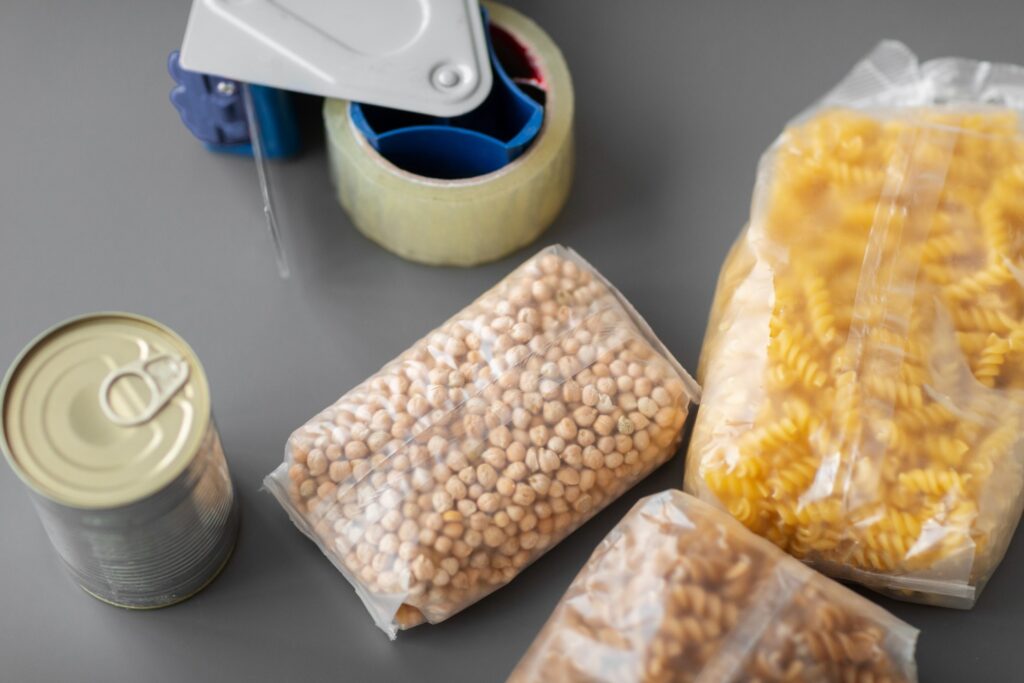
People see “cleaning agent” and “food additive” and assume it’s the same stuff. It’s not. Purity standards matter enormously.
| Factor | Food Grade TSP | Industrial Grade TSP | Why It Matters |
| Purity | 95%+ | 85-90% | Food grade removes heavy metal contaminants |
| Contaminants | Strictly limited (arsenic, lead, mercury) | Less controlled | Safety for human consumption |
| Production Standards | GMP facilities, food safety protocols | Industrial standards | Prevents cross-contamination |
| Testing | Batch testing for food safety | Quality control for performance | Ensures consistent safety |
| Packaging | Food-safe materials | Industrial containers | Prevents migration of packaging chemicals |
| Cost | Higher | Lower | Food safety adds processing costs |
| Certifications | FDA/EU food additive approvals | Industrial safety data sheets | Regulatory compliance different |
| Usage Concentration | Parts per thousand (0.1-0.5%) | Grams per liter (10-50g/L) | Massive difference in exposure |
The dose makes the poison, as they say. A 50-pound bag of industrial TSP with warnings about skin irritation and poisoning if ingested doesn’t mean the tiny amount in your cereal poses the same risk. That confusion led to viral videos claiming breakfast cereals contain “dangerous cleaning chemicals.”
Food manufacturers use milligrams per serving. Industrial cleaners use grams or ounces per application. The difference in concentration is roughly 100-1000 times. Both are technically trisodium phosphate, but the context and amount determine safety.
Safety, Environmental Concerns, and The Shift Away
TSP isn’t without real concerns. Understanding them helps explain why its use is changing.
Health Concerns:
People with kidney disease should limit phosphate intake. Kidneys filter excess phosphorus from blood. Damaged kidneys can’t do this efficiently. Phosphate accumulation causes calcification in soft tissues, blood vessels, and heart. It also pulls calcium from bones, weakening them. For people with chronic kidney disease or kidney failure, foods high in phosphate additives pose real risks.
For healthy people, moderate TSP consumption isn’t dangerous. But diets heavy in processed foods can push phosphate intake too high. Studies link excessive phosphate consumption to:
- Cardiovascular disease (vessel calcification)
- Bone density loss (calcium depletion)
- Intestinal inflammation (particularly Crohn’s and ulcerative colitis)
- Elevated FGF23 hormone (inhibits bone mineralization)
The concern isn’t one bowl of cereal. It’s a diet pattern where processed foods containing phosphate additives make up a large portion of daily calories.
Environmental Impact:

This is where TSP ran into serious problems. Phosphates entering water systems cause eutrophication. Algae blooms explode. Oxygen levels drop. Fish die. Ecosystems collapse. TSP from detergents washing into sewage systems contributed massively to this problem.
That’s why it was phased out of consumer detergents in 2011 under the Clean Water Act. Industrial use continues with wastewater treatment requirements. But the environmental damage from widespread phosphate use drove regulatory action.
The Alternatives:
Cleaning products now use sodium carbonate (soda ash) with zeolites instead of TSP. These work but not as powerfully. Sodium carbonate isn’t as strongly alkaline. Zeolites don’t dissolve completely and can leave residue. Professional contractors still buy real TSP for demanding jobs, but consumer products shifted away.
In food, manufacturers are exploring alternatives. Natural organic acids for pH control. Different emulsifiers for cheese. Some brands market “no phosphate added” products to appeal to health-conscious consumers. The shift is gradual because TSP works well and costs less than many alternatives.
Conclusion
The uses of trisodium phosphate span from industrial cleaning to food processing, demonstrating how one compound serves multiple industries. Its effectiveness as a degreaser, pH regulator, and emulsifier keeps it relevant despite environmental and health concerns.
Understanding TSP means recognizing context matters. Industrial-grade material for heavy-duty cleaning is different from food-grade material in regulated amounts. The applications are legitimate even if the compound’s reputation suffers from confusion between these uses.
As industries continue balancing performance with safety and environmental responsibility, TSP use will likely keep declining in some areas while remaining essential in others. Knowing where and why it’s used helps manufacturers and consumers make informed decisions about products containing it.
For businesses sourcing food-grade trisodium phosphate or other industrial phosphates for manufacturing applications, Elchemy connects you with certified suppliers providing high-purity materials meeting international food safety and industrial standards. Whether formulating food products or sourcing industrial cleaning compounds, explore verified sourcing options that match your specification requirements and compliance needs.