

At a Glance
- Cellulose gel in food comes from purified plant fiber, usually wood pulp or cotton
- FDA approved it as GRAS (Generally Recognized as Safe) for food use
- Works as a thickener, stabilizer, anti-caking agent, and fat replacer
- Your body can’t digest it, so it passes through as dietary fiber
- Found in everything from cheese to ice cream to bakery products
- Generally used at 0.1% to 3% of total product weight
- Helps reduce calories and fat while maintaining texture
- No known toxicity at levels used in food
You’re reading an ingredient label on your favorite ice cream, and there it is: cellulose gel. Or maybe you spotted it in shredded cheese that doesn’t clump together. Your first thought? “What is this stuff, and why is it in my food?”
Here’s the thing. Cellulose gel shows up in tons of processed foods, from low-fat salad dressings to frozen meals. It’s one of those ingredients that sounds vaguely chemical and unsettling, even though it comes from something completely natural. Plants.
After decades working with food-grade additives and helping manufacturers navigate ingredient choices, I’ve seen cellulose gel go from an industrial curiosity to a mainstream food ingredient. Let’s break down what it actually is, how it works in food, and whether you should worry about eating it.
What Actually Is Cellulose Gel in Food?
Let’s start simple. Cellulose is the most abundant organic compound on Earth. It’s what gives plants their structure. Every tree, every blade of grass, every vegetable contains cellulose. It’s basically plant scaffolding.
Cellulose gel is purified cellulose that’s been processed into a specific form for food use. Manufacturers take wood pulp or cotton linters (the fuzzy fibers left on cotton seeds after ginning), clean them extensively, break down the cellulose chemically, and create a gel-like substance.
The technical name is microcrystalline cellulose when you’re talking about the powdered form, or cellulose gel when it’s already in a gel state with water. On ingredient labels, you might see:
- Cellulose gel
- Microcrystalline cellulose
- Cellulose gum (that’s actually carboxymethylcellulose, slightly different)
- MCC (the industry abbreviation)
- E460 (the European food additive code)
The processing matters here. You can’t just grind up wood and call it cellulose gel. The manufacturing involves treating raw cellulose with acid to remove impurities and non-cellulosic material, then mechanically breaking it down to create tiny particles. When these particles mix with water, they form a stable gel network.
How Cellulose Gel Gets Made:
- Raw material selection (wood pulp or cotton linters)
- Chemical purification to remove lignin, hemicellulose, and other compounds
- Acid hydrolysis to break down cellulose chains
- Neutralization and washing
- Mechanical processing to achieve desired particle size
- Drying or keeping in gel form
- Quality testing for food-grade specifications
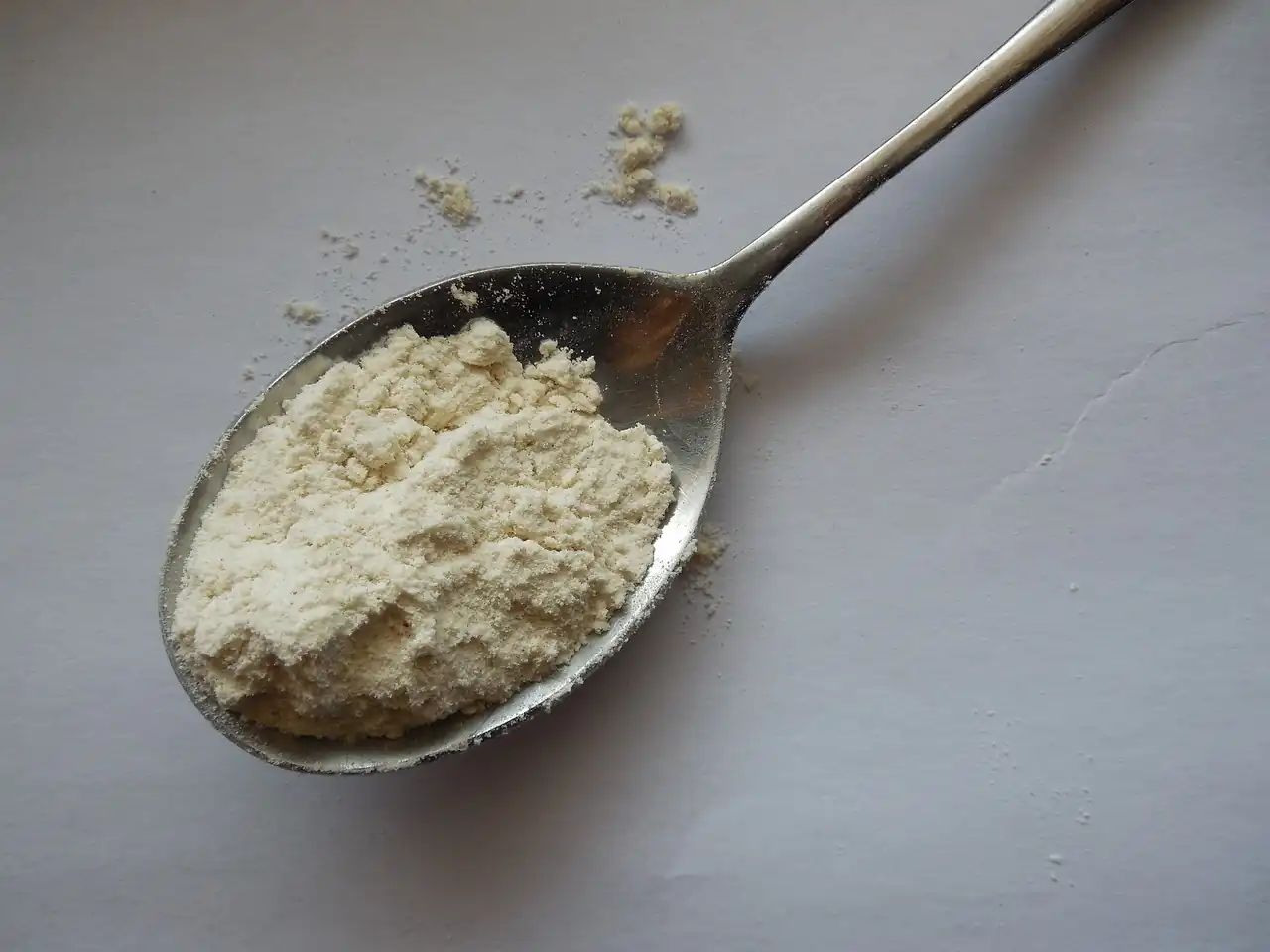
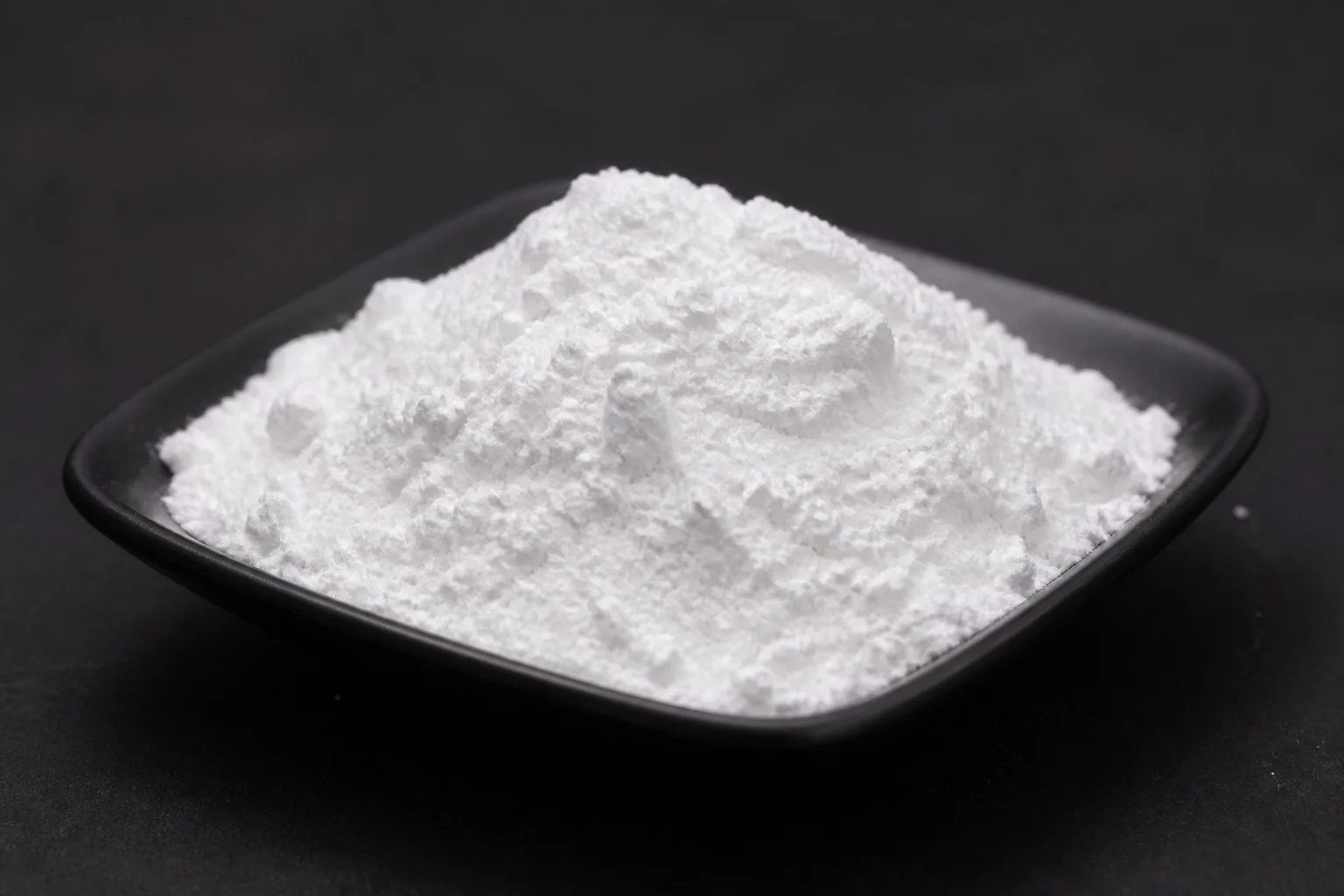
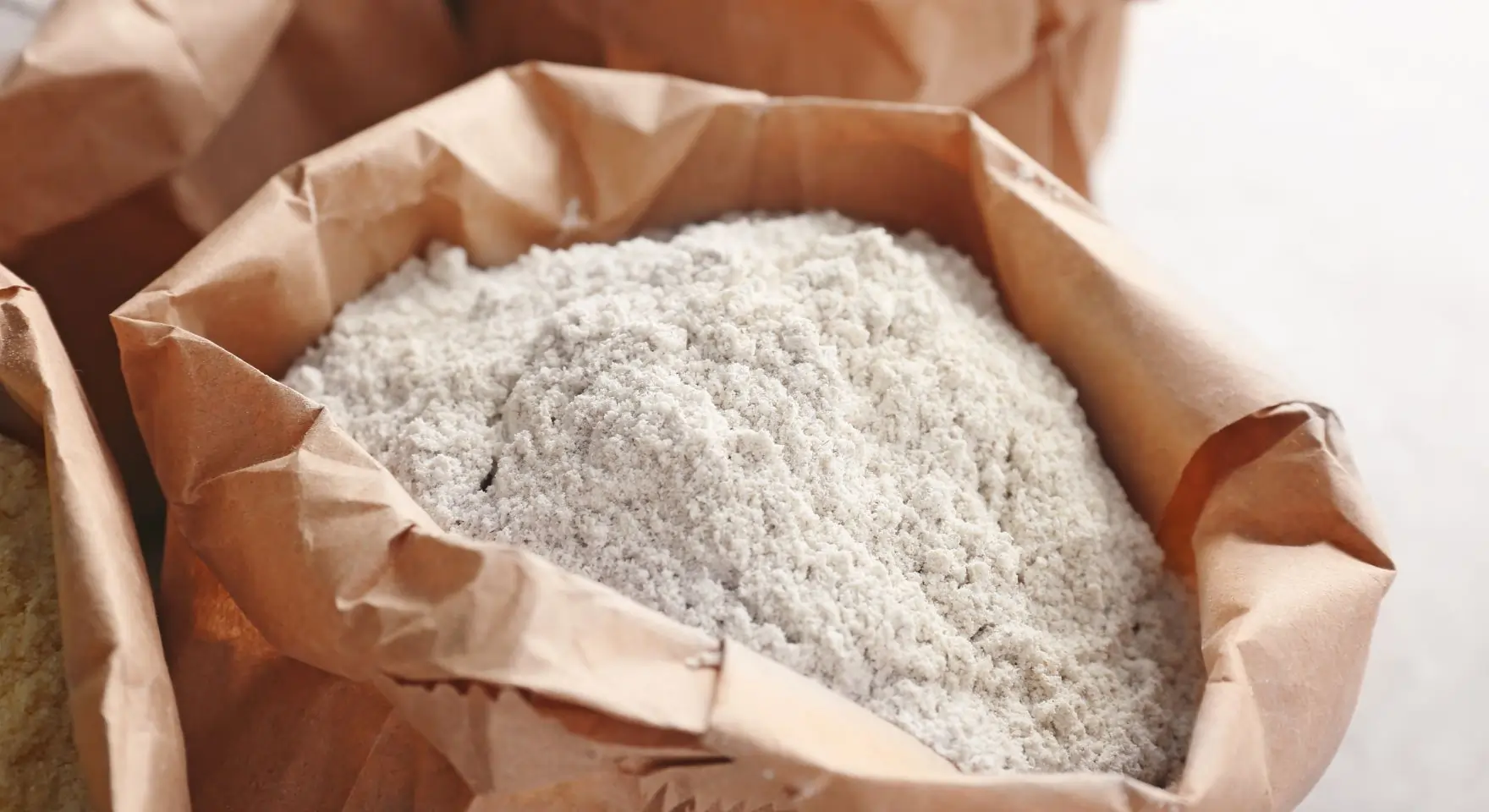
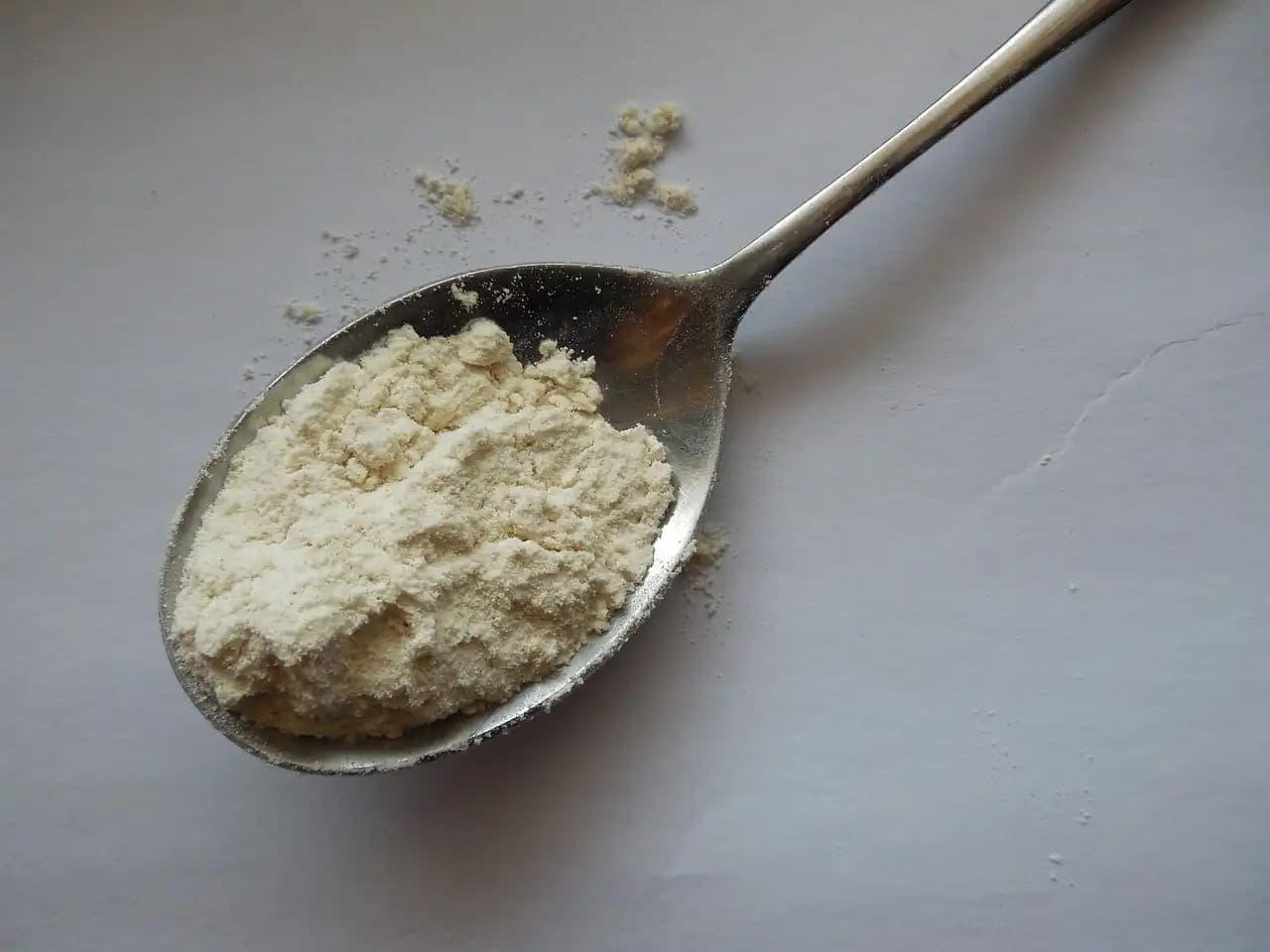
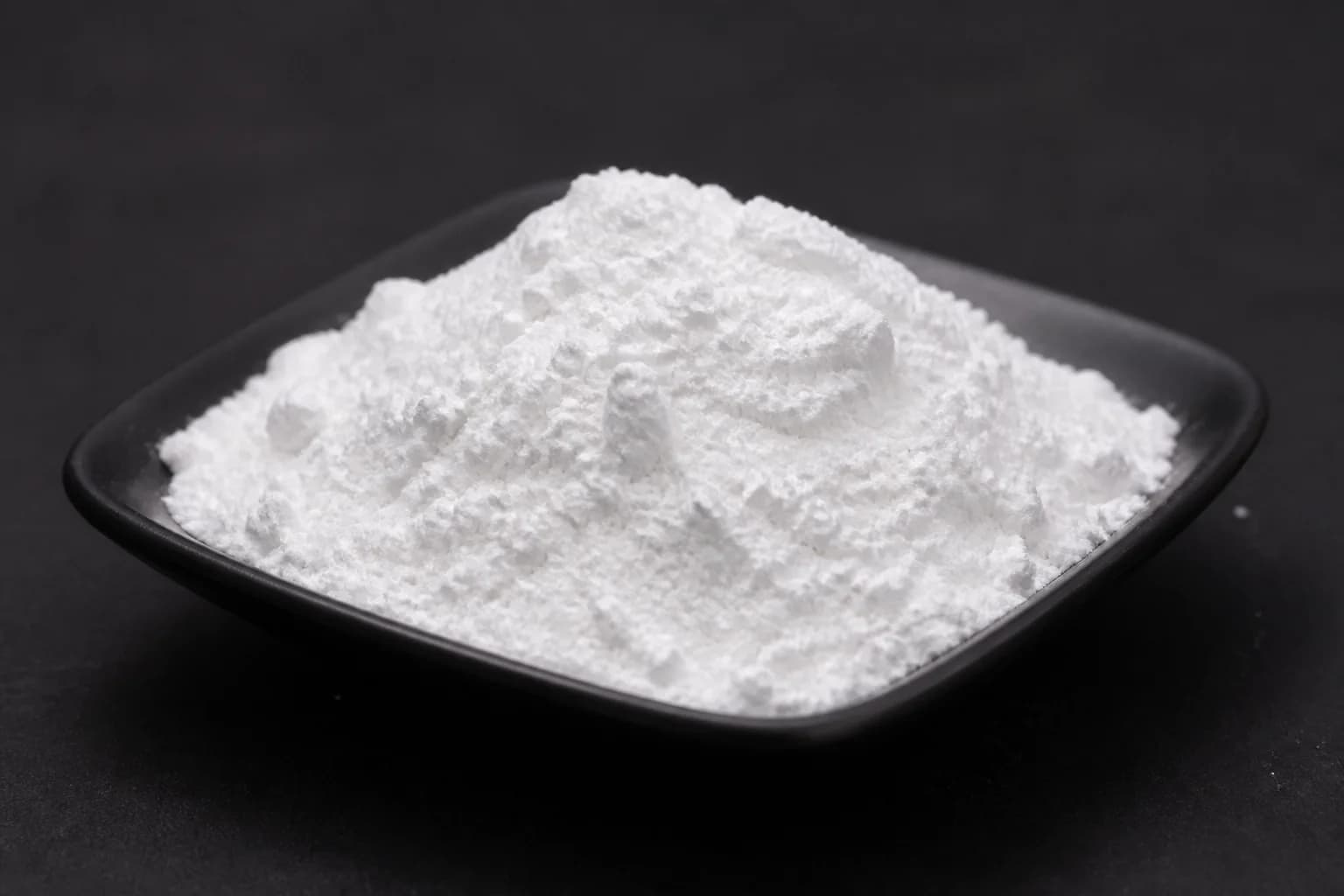
The end product is 99%+ pure cellulose. None of the original wood taste, color, or smell remains. What you get is a white, odorless, tasteless substance that behaves in very specific ways when added to food.
Why Food Manufacturers Love Cellulose Gel
Walk through any processed food section and you’ll find cellulose gel everywhere. That’s not random. This ingredient solves multiple problems for food manufacturers simultaneously.
Key Functions:
- Texture control: Creates creaminess without fat or thickness without starch
- Water binding: Holds moisture in products, preventing separation
- Anti-caking: Keeps shredded cheese from clumping into a solid mass
- Fat replacement: Mimics the mouthfeel of fat at a fraction of the calories
- Stabilization: Prevents ice crystals in frozen desserts
- Volume extension: Adds bulk without adding calories
Think about low-fat salad dressing. When you remove fat, you lose viscosity and mouthfeel. The dressing becomes thin and watery. Add cellulose gel, and suddenly you’ve got body and texture back. The dressing clings to lettuce instead of pooling at the bottom of the bowl.
Or consider shredded cheese. Cheese naturally wants to stick together because of its fat and protein content. Coating the shreds with a tiny amount of cellulose gel creates a barrier that prevents clumping. You get free-flowing cheese that melts normally when heated.
| Food Category | How Cellulose Gel Works | Typical Usage Level |
| Frozen desserts | Prevents ice crystal formation, adds creaminess | 0.3-0.5% |
| Salad dressings | Provides viscosity and stability | 0.5-1.0% |
| Shredded cheese | Anti-caking agent, prevents clumping | 2-3% coating |
| Baked goods | Retains moisture, extends shelf life | 0.5-2.0% |
| Processed meats | Binds water, improves texture | 1-2% |
| Sauces and gravies | Thickening and stabilization | 0.3-1.5% |
The economics matter too. Cellulose gel costs less than many alternative stabilizers and thickeners. A food manufacturer can achieve similar results with guar gum or xanthan gum, but those often run more expensive. Cellulose gel offers good functionality at a competitive price point.
Is Cellulose Gel Bad for You? The Health Perspective
This question comes up constantly. People see “cellulose” and think “industrial additive” rather than “plant fiber.” But here’s what the science actually shows.
Your digestive system can’t break down cellulose. Humans lack the enzymes needed to cleave the chemical bonds holding cellulose molecules together. That sounds concerning until you realize it means cellulose functions exactly like dietary fiber.
When you eat cellulose gel, it travels through your digestive tract unchanged. It absorbs water, adds bulk to stool, and exits your body. That’s literally what insoluble fiber does. The cellulose in celery or lettuce behaves the same way.
What Research Shows
The FDA granted cellulose gel GRAS status decades ago after reviewing safety data. GRAS means “Generally Recognized as Safe” based on extensive testing and long history of use. The European Food Safety Authority (EFSA) approved it too.
Studies examining cellulose consumption show:
- No toxicity even at high intake levels
- No carcinogenic properties
- No allergic reactions in the general population
- No impact on nutrient absorption at normal usage levels
- Acts as insoluble dietary fiber in the digestive system
The Joint FAO/WHO Expert Committee on Food Additives evaluated cellulose multiple times and set no specific Acceptable Daily Intake (ADI). That means they found no evidence of harm even at high consumption levels. You’d need to eat unrealistic amounts to cause any issues.
Potential Concerns (Minor):
- Excessive intake might cause digestive discomfort like any high-fiber food
- Can slightly reduce mineral absorption if consumed in huge quantities (we’re talking 20+ grams per day)
- Some people sensitive to high fiber might experience bloating
But here’s context. A typical food product contains 0.5-2% cellulose gel. Even if you ate 100 grams of that product, you’d consume 0.5-2 grams of cellulose. That’s similar to eating a small salad in terms of fiber content.
Comparing to Natural Fiber Sources
People worry about cellulose gel while happily eating foods naturally loaded with cellulose. That’s backwards.
| Food | Cellulose Content (approximate) |
| Lettuce (100g) | 1.2-1.5g cellulose |
| Broccoli (100g) | 2-3g cellulose |
| Whole wheat bread (100g) | 2-4g cellulose |
| Apples (100g) | 1-2g cellulose |
| Ice cream with cellulose gel (100g) | 0.3-0.5g cellulose |
You’re getting more cellulose from vegetables than from processed foods with cellulose gel added. The difference? The cellulose in plants comes bundled with other compounds. Purified cellulose gel is just the cellulose molecule isolated.
Is that bad? Not really. It’s like comparing table salt to sodium naturally present in celery. Both are sodium chloride. One’s isolated, one’s not. Your body handles them the same way.
FDA Approval and Regulatory Status
The regulatory picture for cellulose gel in food is straightforward. It’s approved, well-established, and generally unrestricted.
FDA regulations allow cellulose gel under 21 CFR 184.1138 as a direct food additive. Manufacturers can use it in standardized and non-standardized foods without specific quantity limitations, though good manufacturing practices apply. That means use the minimum amount needed to achieve the desired effect.
The approval covers various forms:
- Powdered microcrystalline cellulose
- Colloidal microcrystalline cellulose (the gel form)
- Sodium carboxymethylcellulose (a modified version)
- Methylcellulose (another modified form)
Each form has slightly different properties and uses, but all start with purified cellulose. The FDA evaluated them separately and approved them for food use based on safety data.
What the Approval Means:
- Food manufacturers can use cellulose gel without pre-market approval for specific products
- No maximum usage limits imposed (though GMP principles apply)
- Must meet food-grade purity specifications
- Subject to standard food safety manufacturing requirements
- Can be labeled simply as “cellulose gel” or “microcrystalline cellulose”
European regulations mirror US approval pretty closely. The EU lists cellulose as E460, with E460i for microcrystalline cellulose and E460ii for powdered cellulose. No ADI set, no specific usage restrictions beyond GMP.
Countries worldwide have followed similar approval paths. You’ll find cellulose gel in processed foods across Asia, South America, Australia, and everywhere else with developed food safety systems.
Common Foods Containing Cellulose Gel

Wondering where you’re actually eating this stuff? The list is longer than most people expect.
Dairy Products:
- Shredded cheese (anti-caking)
- Low-fat ice cream (texture and creaminess)
- Reduced-fat sour cream (thickness)
- Yogurt drinks (suspension of particles)
Baked Goods:
- Bread and rolls (moisture retention)
- Cakes and muffins (texture improvement)
- Gluten-free products (structure replacement)
- Cookies (texture control)
Sauces and Dressings:
- Low-fat salad dressings (viscosity)
- BBQ sauce (consistency)
- Gravies (thickening)
- Sandwich spreads (stability)
Frozen Foods:
- Frozen dinners (sauce thickness)
- Ice cream and frozen desserts (creaminess)
- Frozen pizza (sauce stability)
Other Products:
- Processed meats (water binding)
- Nutritional shakes (texture)
- Dietary supplements (tablet binder)
- Protein powders (anti-caking)
The “low-fat” and “reduced-calorie” versions of products almost always contain more cellulose gel than full-fat versions. That’s because cellulose gel helps replace the functional properties of fat without adding calories.
Check ingredient labels if you’re curious. Cellulose gel typically appears in the middle of ingredient lists, indicating moderate usage levels. If it’s near the end, the amount is minimal.
Cellulose Gel vs. Other Food Additives
Food manufacturers have dozens of thickeners, stabilizers, and texture modifiers available. How does cellulose gel stack up against alternatives?
| Additive | Source | Function | Digestibility | Cost |
| Cellulose gel | Wood pulp, cotton | Thickener, stabilizer, anti-caking | Indigestible fiber | Low-moderate |
| Xanthan gum | Bacterial fermentation | Thickener, stabilizer | Partially digestible | Moderate-high |
| Guar gum | Guar beans | Thickener | Soluble fiber | Moderate |
| Carrageenan | Seaweed | Thickener, gelling agent | Indigestible | Moderate |
| Modified starch | Corn, potato, tapioca | Thickener | Digestible carbohydrate | Low |
Each option brings different properties. Xanthan gum creates better suspension for particles. Carrageenan gels more firmly. Modified starch adds calories. Cellulose gel wins on cost, calorie-free performance, and clean label appeal since it’s just plant fiber.
The “natural” label matters to consumers. Cellulose gel can be marketed as a natural ingredient since it comes from plants with minimal processing (from a consumer perspective). Modified starches undergo more obvious chemical alteration. Some gums require fermentation processes that sound less natural.
Clean label trends favor cellulose gel. As consumers scrutinize ingredient lists more carefully, food companies prefer additives that sound simple and plant-based. “Cellulose gel” or “plant fiber” fits that profile better than “sodium stearoyl lactylate” or other more complex-sounding additives.
Technical Considerations for Food Manufacturing
If you’re formulating products, cellulose gel offers solid functionality but requires understanding its limitations.
The particle size matters significantly. Smaller particles create smoother gels with better mouthfeel. Larger particles provide more structure but can feel slightly grainy. Suppliers offer different grades optimized for various applications.
Hydration is critical. Cellulose gel needs proper mixing to hydrate fully. Insufficient mixing leaves dry clumps that won’t function correctly. Most manufacturers use high-shear mixing equipment to ensure complete dispersion.
Processing Tips:
- Add cellulose gel to water or liquid phase first, not to dry ingredients
- Use moderate to high shear mixing for complete hydration
- Allow 10-15 minutes mixing time for full gel formation
- Avoid excessive pH extremes (works best between pH 3-9)
- Heat doesn’t significantly affect cellulose gel, making it process-stable
- Can be pasteurized or sterilized without losing functionality
The concentration curve matters too. Small increases in cellulose gel create big texture changes. Going from 0.5% to 1.0% might double viscosity. Food scientists need to dose carefully and test incrementally.
Cellulose gel synergizes well with other hydrocolloids. Combining it with small amounts of xanthan gum or carrageenan often produces better results than using either alone. The cellulose provides structure while the gum provides stability.
Cost optimization comes into play. Cellulose gel typically runs $3-6 per kilogram depending on grade and supplier. That’s cheaper than many gums but more expensive than starches. The calculation depends on how much you need and what functionality you’re replacing.
Sourcing reliable cellulose gel suppliers matters. Quality varies between manufacturers. Food-grade specifications ensure purity, but performance characteristics differ based on particle size distribution, moisture content, and production methods. Companies like Elchemy can connect food manufacturers with vetted cellulose gel suppliers meeting FDA and international food-grade standards, with full documentation and consistent quality batch to batch.
The Bottom Line on Cellulose Gel
So is cellulose gel bad for you? No. It’s plant fiber in purified form. Your body treats it exactly like the cellulose in vegetables, passing it through as dietary fiber.
Should you avoid foods containing it? That’s personal preference, not health necessity. If you prefer less processed foods, you’ll naturally consume less cellulose gel since it appears mainly in processed products. But the cellulose gel itself isn’t causing harm.
The real question is usually about the overall food, not the additive. Low-fat ice cream with cellulose gel might still contain substantial sugar. Reduced-fat salad dressing could have high sodium. Focus on the complete nutritional profile rather than singling out one functional ingredient.
From a manufacturing perspective, cellulose gel solves real technical challenges. It lets companies create reduced-calorie products that still taste good and have acceptable texture. Without it, many low-fat products would be nearly inedible.
The regulatory approval is solid. FDA, EFSA, and food safety authorities worldwide have reviewed the data and concluded cellulose gel poses no safety concerns at levels used in food. That consensus matters.
If you’re developing food products and need reliable cellulose gel or other food-grade additives, Elchemy specializes in connecting manufacturers with qualified suppliers. We source ingredients meeting FDA and international specifications, with documentation and quality assurance to keep your formulations compliant and your products consistent.