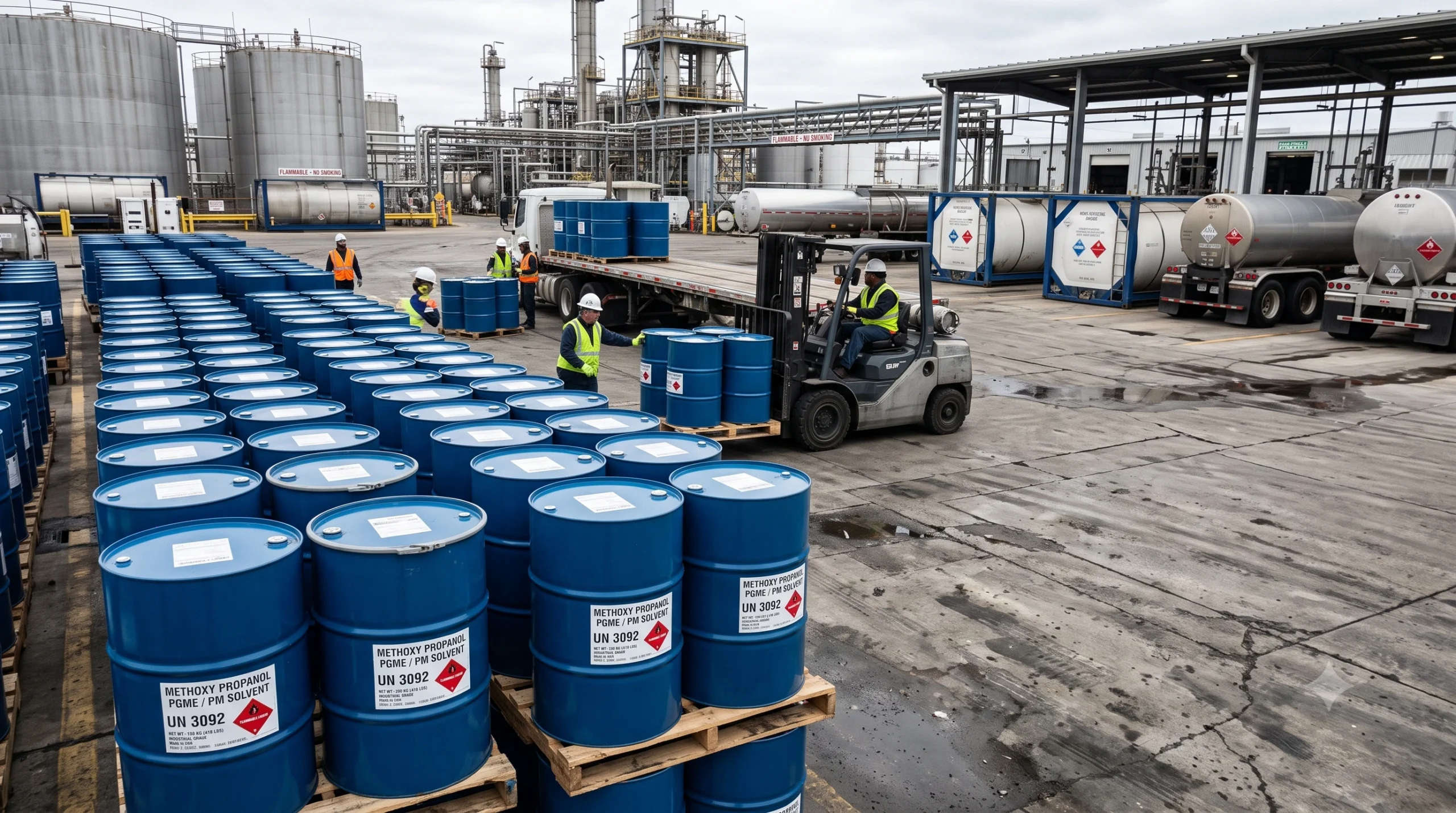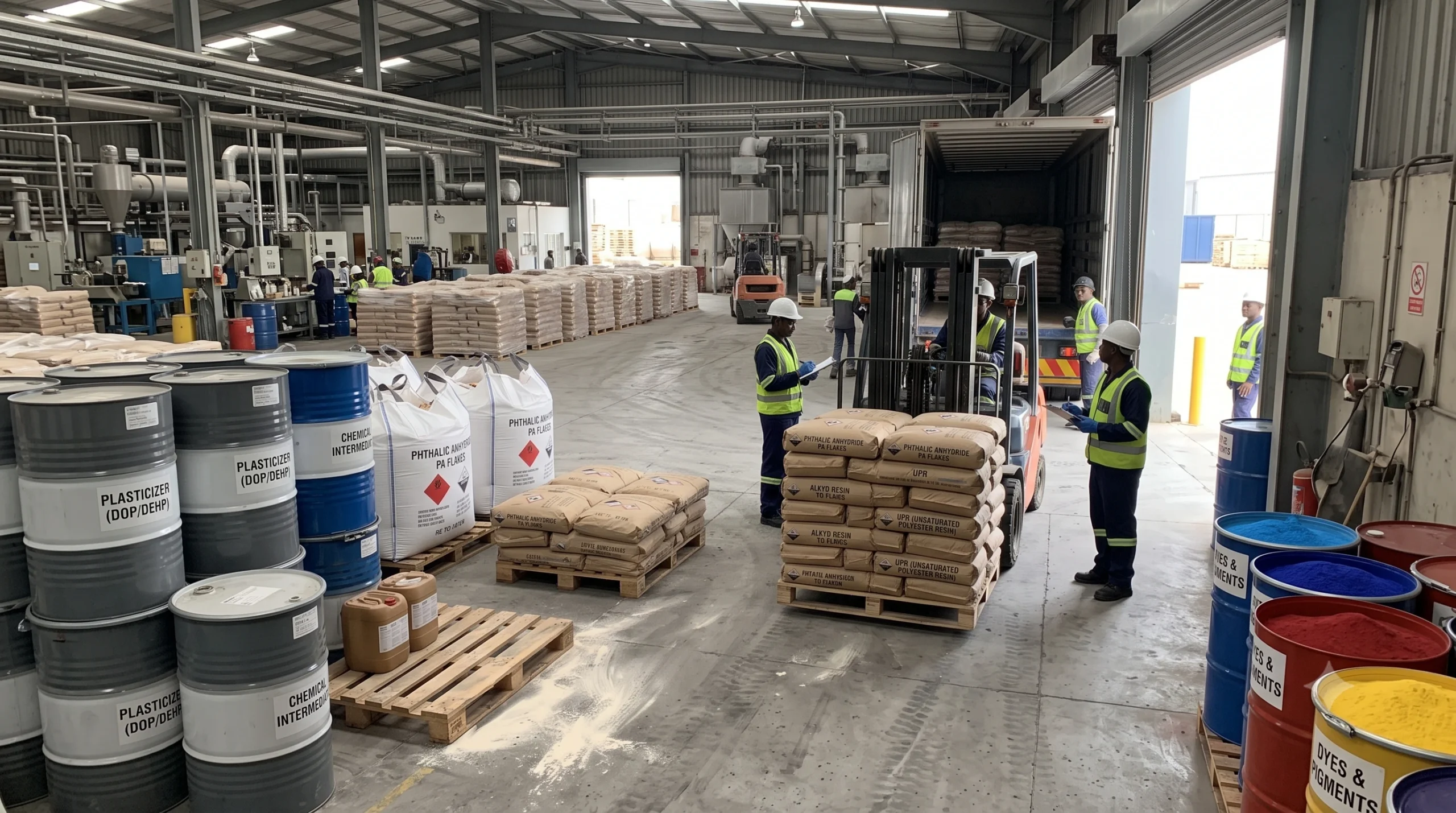


Managing inventory and supply chains in the specialty chemicals industry is far more complex than standard inventory management. These products are often highly sensitive, regulated, hazardous, and application-specific, making storage, tracking, and sourcing critical to business success.
Poor inventory and supply chain management can result in:
- Production delays
- Stockouts or overstocking
- Compliance violations
- Increased operational costs
- Safety risks
According to industry estimates, inefficient supply chain practices can increase costs by 15–25%, while poor inventory planning leads to significant capital being tied up in unused stock.
To stay competitive, businesses must adopt a strategic and technology-driven approach to specialty chemical inventory management.
In this guide, we’ll explore how to efficiently manage specialty chemical inventory and supply chains, along with best practices to improve reliability, reduce costs, and ensure compliance.
At a Glance
- Specialty chemical inventory requires precision, compliance, and safety
- Efficient management reduces costs, risks, and downtime
- Key focus areas include forecasting, storage, supplier coordination, and tracking
- Digital tools and platforms improve visibility and control
- Solutions like Elchemy streamline sourcing and supply chain operations
Why Inventory Management is Critical in Specialty Chemicals
Unlike general inventory, specialty chemicals involve:
- Limited shelf life
- Hazardous storage requirements
- Strict regulatory compliance
- High procurement costs
This makes inventory management essential for:
- Ensuring uninterrupted production
- Maintaining safety standards
- Optimizing working capital
Key Challenges in Specialty Chemical Inventory & Supply Chain
1. Demand Uncertainty
Fluctuating demand can lead to:
- Overstocking (increased holding cost)
- Stockouts (production delays)
2. Compliance and Safety Requirements
Improper storage or handling can result in:
- Legal penalties
- Safety hazards
- Environmental risks
3. Supply Chain Disruptions
Global sourcing increases risks such as:
- Delays
- Supplier dependency
- Logistics issues
4. Limited Visibility
Lack of real-time tracking leads to:
- Poor decision-making
- Inefficient stock management
Key Strategies for Efficient Specialty Chemical Inventory Management
1. Accurate Demand Forecasting
Forecasting helps maintain the right inventory levels.
Best practices:
- Analyze historical data
- Use predictive analytics
- Align with production schedules
👉 Result: Reduced stockouts and excess inventory
2. Implement Inventory Classification (ABC Analysis)
Categorize chemicals based on importance:
| Category | Description | Strategy |
| A | High-value, critical chemicals | Tight control, frequent monitoring |
| B | Moderate importance | Regular tracking |
| C | Low-value items | Minimal control |
👉 Focus resources where it matters most.
3. Optimize Storage and Handling
Specialty chemicals require proper storage conditions.
Consider:
- Temperature control
- Segregation of hazardous materials
- Proper labeling and safety measures
👉 Ensures safety and compliance.
4. Maintain Safety Stock Levels
Keep buffer stock for critical chemicals to:
- Avoid production disruptions
- Handle unexpected demand
5. Use Real-Time Inventory Tracking Systems
Digital tools help:
- Track inventory levels
- Monitor usage patterns
- Improve visibility
👉 Enables data-driven decision-making.
6. Build Strong Supplier Relationships
Reliable suppliers ensure:
- Consistent supply
- Better pricing
- Faster response times
7. Diversify Your Supplier Base
Avoid dependency on a single supplier.
Benefits:
- Reduced risk
- Improved flexibility
- Better negotiation power
8. Streamline Logistics and Distribution
Efficient logistics reduce:
- Lead times
- Transportation costs
- Delivery delays
Supply Chain Optimization Strategies

1. Centralized Procurement
- Manage sourcing from a single platform
- Improve coordination
2. Vendor Managed Inventory (VMI)
Suppliers manage inventory levels based on demand.
👉 Reduces burden on internal teams
3. Just-in-Time (JIT) Inventory
- Minimize holding costs
- Reduce waste
👉 Requires reliable suppliers
4. Risk Management Planning
Prepare for:
- Supply disruptions
- Price fluctuations
- Regulatory changes
Inventory vs Supply Chain: Key Differences
| Aspect | Inventory Management | Supply Chain Management |
| Focus | Stock control | End-to-end flow |
| Scope | Internal | External + internal |
| Goal | Optimize inventory | Ensure smooth operations |
Common Mistakes to Avoid
Avoid these common errors:
- Overstocking without demand planning
- Ignoring compliance requirements
- Relying on a single supplier
- Lack of real-time tracking
- Poor communication with suppliers
👉 These mistakes can significantly impact cost and efficiency.
How Elchemy Helps You Manage Chemical Inventory and Supply Chain
Managing specialty chemical inventory manually is complex and inefficient.
Elchemy simplifies the entire process through a digital-first sourcing and supply chain platform.
With Elchemy, you can:
- Access verified global suppliers
- Ensure consistent supply and quality
- Get faster sourcing and delivery
- Improve visibility across procurement
Elchemy helps businesses:
- Reduce inventory risks
- Optimize supply chain efficiency
- Scale operations seamlessly
👉 Streamline your chemical inventory and supply chain with Elchemy today.
FAQs
1. What is specialty chemical inventory management?
It involves tracking, storing, and managing specialty chemicals efficiently while ensuring safety and compliance.
2. Why is inventory management important in the chemical industry?
It helps reduce costs, prevent stockouts, ensure compliance, and maintain production efficiency.
3. What are the best practices for managing chemical inventory?
Demand forecasting, proper storage, supplier diversification, and real-time tracking.
4. How can technology improve supply chain management?
It provides visibility, automates processes, and improves decision-making.
5. How does Elchemy help in supply chain management?
Elchemy offers reliable sourcing, supplier verification, and end-to-end procurement support.
Conclusion
Efficient management of specialty chemical inventory and supply chains is essential for maintaining operational stability and competitiveness.
By implementing the right strategies—such as forecasting, supplier diversification, and digital tracking—businesses can:
- Reduce costs
- Improve efficiency
- Minimize risks
With platforms like Elchemy, managing chemical inventory and supply chains becomes simpler, smarter, and more reliable—helping you focus on growth and innovation.