

At a Glance
• Sodium methoxide (CH₃ONa) is the sodium salt of methanol with ionic structure Na⁺ and CH₃O⁻ • White crystalline powder that’s extremely hygroscopic and reacts violently with moisture • Commercially available as 25-30% solution in methanol for safer handling and storage • Primary application is biodiesel production accounting for 70-80% of US consumption • Acts as strong base (pKa ~15.5) and nucleophile in organic synthesis reactions • Must be stored under nitrogen or argon blanket to prevent atmospheric moisture and CO₂ reaction • Global market exceeds $450 million annually with US representing 25-30% of demand • Highly corrosive requiring specialized stainless steel or PTFE-lined equipment for handling
A pharmaceutical synthesis lab in New Jersey was scaling up a condensation reaction. On small scale using solid sodium methoxide, the reaction worked perfectly. When they switched to the commercial 25% methanol solution for larger batches, yields dropped from 85% to 62%. After investigation, the issue became clear: they hadn’t adjusted for the methanol in the commercial solution. The extra alcohol shifted equilibrium reducing product formation. Once they accounted for solution composition and compensated with additional reagent, yields returned to 84%.
Same chemical. Different form. Critical difference.
Understanding sodium methoxide structure helps chemists and engineers predict reactivity, select appropriate grades, and design safe processes. This alkali metal alkoxide combines strong basicity with good nucleophilicity making it valuable across chemical manufacturing. But the same reactivity creating useful chemistry also generates safety hazards. Moisture sensitivity, corrosivity, and flammability (from methanol solvent) require careful handling protocols and proper equipment selection.
Chemical Structure and Bonding
Molecular Composition
The sodium methoxide structure consists of sodium cation (Na⁺) and methoxide anion (CH₃O⁻). The molecular formula is CH₃ONa or NaOCH₃ with molecular weight 54.02 g/mol.
The methoxide anion has carbon bonded to three hydrogens and one oxygen. The oxygen carries negative charge delocalized partially onto carbon through resonance. This charge distribution makes the oxygen nucleophilic and basic.
The sodium-oxygen bond is predominantly ionic. Sodium (electronegativity 0.93) readily gives up its valence electron to the more electronegative oxygen (3.44), creating Na⁺ and CH₃O⁻ ions. In solid state, these ions arrange in crystal lattice held by electrostatic forces.
Structural features: Molecular formula: CH₃ONa Molecular weight: 54.02 g/mol Bond type: Ionic (Na⁺ and CH₃O⁻) Geometry: Tetrahedral at carbon, bent at oxygen Resonance: Negative charge delocalized between O and C
In solution, sodium methoxide dissociates completely. Methanol or other polar solvents solvate the ions preventing reassociation. The “free” methoxide anion is the reactive species in most applications.
Comparison to Related Alkoxides
Sodium methoxide belongs to the alkali metal alkoxide family. Other members include sodium ethoxide (NaOEt), potassium methoxide (KOMe), and potassium tert-butoxide (KOtBu). All share similar structural features but differ in properties.
Key differences: Methoxide vs ethoxide: Smaller size makes methoxide better nucleophile, stronger base Sodium vs potassium: Potassium salts more soluble in non-polar solvents Methoxide vs tert-butoxide: tert-butoxide is stronger base (less stabilized anion) but worse nucleophile (steric hindrance)
The choice between alkoxides depends on specific reaction requirements. Sodium methoxide offers good balance of basicity, nucleophilicity, cost, and availability making it the workhorse alkoxide in industry.
Table 1: Alkoxide Comparison
| Alkoxide | Formula | Molecular Weight | Basicity (pKa) | Nucleophilicity | Solubility (MeOH) | Relative Cost |
| Sodium methoxide | CH₃ONa | 54.02 | ~15.5 | High | Excellent | Baseline (1×) |
| Sodium ethoxide | CH₃CH₂ONa | 68.05 | ~15.9 | Moderate-high | Excellent | 1.1-1.3× |
| Potassium methoxide | CH₃OK | 70.13 | ~15.5 | High | Excellent | 1.5-2× |
| Potassium tert-butoxide | (CH₃)₃COK | 112.21 | ~19 | Low (steric) | Good | 3-5× |
| Lithium diisopropylamide (LDA) | [(CH₃)₂CH]₂NLi | 107.12 | ~36 | Very low | Limited | 8-15× |
Physical and Chemical Properties
Pure Sodium Methoxide Characteristics
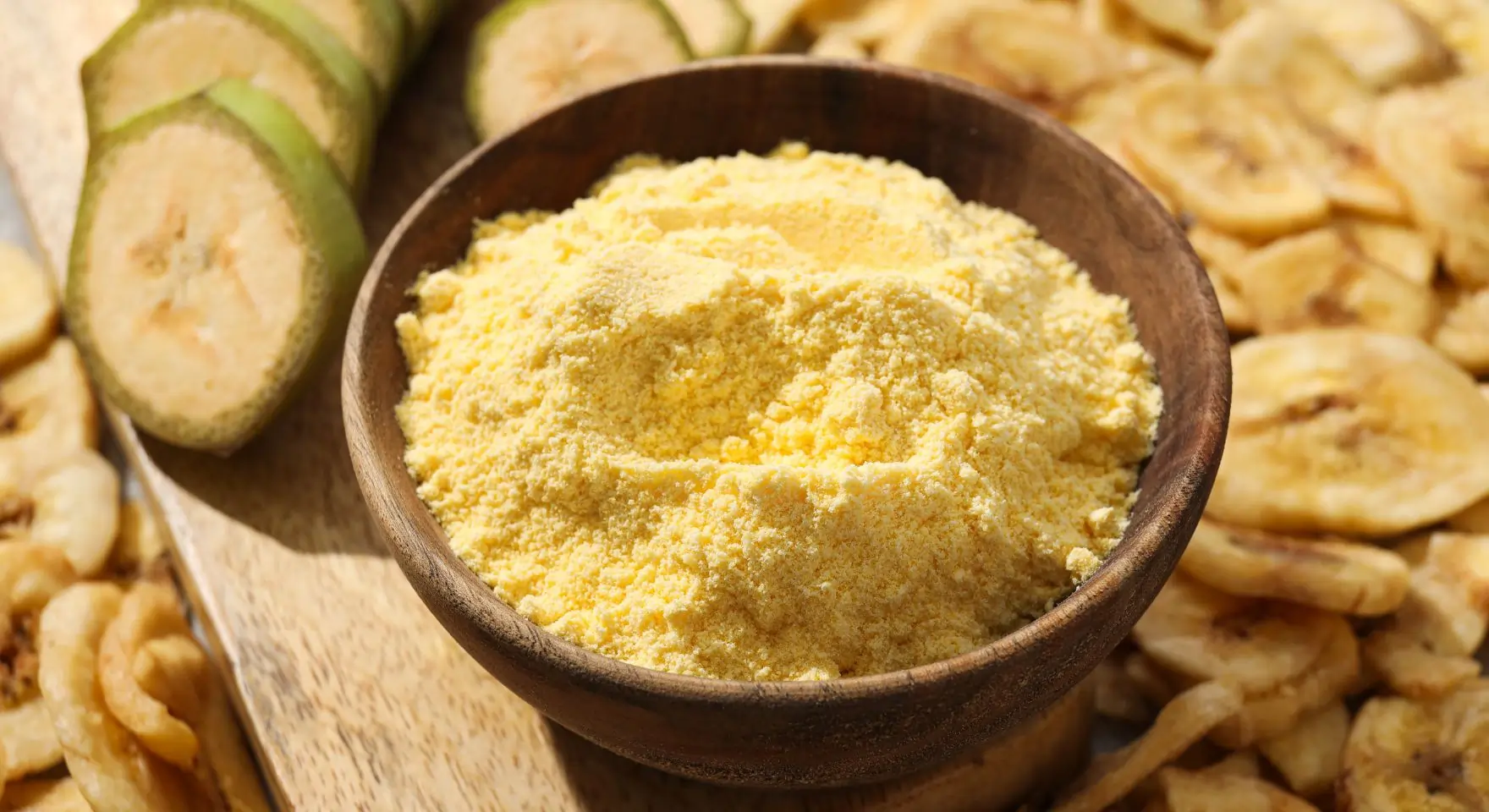
Pure sodium methoxide appears as white to off-white crystalline powder. The solid is extremely hygroscopic absorbing moisture rapidly from air. Exposure to humidity causes material to liquefy and decompose releasing methanol.
Physical properties: Appearance: White crystalline powder Melting point: 127°C (decomposes before melting) Density: 0.97 g/cm³ Solubility in methanol: >50 g/100 mL (very high) Solubility in water: Reacts violently (don’t attempt) Hygroscopicity: Extreme (absorbs moisture readily)
The pure solid is difficult to handle industrially. Opening containers exposes material to atmospheric moisture. Weighing accurately becomes problematic as water absorption adds weight. For these reasons, commercial products are almost always solutions in methanol.
Solution Properties
Commercial sodium methoxide comes as 25%, 27.5%, or 30% solutions in methanol. The methanol stabilizes the alkoxide and prevents atmospheric moisture absorption during storage and handling.
Solution properties (25% in methanol): Appearance: Clear to pale yellow liquid Density: 0.945 g/mL at 25°C Flash point: 12°C (highly flammable from methanol) Boiling point: Begins at ~65°C (methanol boiling point) pH: ~14 (strongly alkaline) Vapor pressure: ~100 mmHg at 20°C (methanol vapor)
The solution is much easier to handle than solid. It can be pumped, metered accurately, and added to reactions in controlled manner. But the methanol solvent introduces flammability hazards requiring explosion-proof equipment and proper ventilation.
Reactivity Profile
Sodium methoxide is highly reactive with water, acids, acidic organic compounds, and many halogenated materials. These reactions generate heat and can be violent if not controlled.
Key reactions: With water: CH₃ONa + H₂O → CH₃OH + NaOH (exothermic, irreversible) With acids: CH₃ONa + HA → CH₃OH + NaA (neutralization, very exothermic) With esters: CH₃ONa + RCOOR’ → RCOOMe + R’ONa (transesterification) With carbonyl compounds: Deprotonation forming enolates With alkyl halides: SN2 substitution forming ethers
The water reaction is particularly important. Even small amounts of moisture deactivate sodium methoxide reducing effectiveness in reactions. This is why anhydrous conditions are critical for most applications.
Sodium Methoxide Applications in Chemical Manufacturing
Biodiesel Production (Primary Use)
Sodium methoxide applications in biodiesel synthesis represent the largest volume use globally. The catalyst enables transesterification converting triglycerides (vegetable oils, animal fats) to fatty acid methyl esters (FAME) — the biodiesel product.
The reaction mechanism involves methoxide ion attacking the carbonyl carbon of triglyceride ester bonds. This cleaves glycerol from the fatty acid chain and attaches methyl group creating FAME. Three moles of methanol plus one mole of triglyceride yields three moles of biodiesel plus one mole of glycerol.
Biodiesel reaction conditions: Catalyst loading: 0.5-1.0% sodium methoxide (by weight of oil) Methanol to oil ratio: 6:1 molar (stoichiometric is 3:1, excess drives completion) Temperature: 60-65°C Reaction time: 1-2 hours Yield: 98%+ with proper conditions
Sodium methoxide offers advantages over alternative catalysts. Compared to sodium hydroxide or potassium hydroxide, it reacts faster requiring lower catalyst loading. This reduces soap formation (saponification side reaction) and simplifies glycerol separation.
The US biodiesel industry produces 1.5-2.5 billion gallons annually depending on feedstock prices and renewable fuel mandates. Most plants use sodium methoxide consuming 50,000-70,000 tonnes of methanol solution per year.
Pharmaceutical Synthesis
Pharmaceutical chemistry uses sodium methoxide in numerous synthetic routes. The reagent serves as base deprotonating acidic protons, as nucleophile forming C-O bonds, and as methylating agent installing methoxy groups.
Pharmaceutical applications: Condensation reactions: Claisen, Dieckmann, aldol condensations forming C-C bonds Methylation: Installing methoxy groups on phenols and alcohols Saponification: Selective ester hydrolysis Cyclization: Ring-closing reactions forming heterocycles Salt formation: Generating sodium salts of acidic drug molecules
High purity reagent-grade sodium methoxide (99%+ purity, low water content <0.5%) is essential for pharmaceutical work. Impurities can compromise yields, introduce unwanted byproducts, or create quality control failures.
Synthesis examples include methylation steps in antibiotic production, condensations forming steroid intermediates, and cyclizations creating heterocyclic cores for various drug classes.
Agrochemical and Specialty Chemical Synthesis
Agrochemical manufacturers producing herbicides, insecticides, and fungicides employ sodium methoxide in multi-step synthesis routes. Many active ingredients contain methoxy groups installed using this reagent.
Specialty chemicals including dyes, pigments, polymer additives, and electronic chemicals also use sodium methoxide. The applications parallel pharmaceutical synthesis — base-catalyzed reactions, nucleophilic substitutions, and methylations.
Agrochemical synthesis uses: Herbicide intermediates: Triazines, sulfonylureas requiring methoxy groups Insecticide synthesis: Organophosphate and carbamate production Fungicide intermediates: Azole and strobilurin precursors
Production volumes are smaller than biodiesel but value is higher. Specialty synthesis might use 100-1,000 kg sodium methoxide per batch versus tonnes for biodiesel plants. But the material costs $2-4/kg for reagent-grade versus $1.50-2.50/kg for technical-grade biodiesel catalyst.
Analytical Chemistry
Laboratory analytical methods use sodium methoxide for sample preparation. Fatty acid analysis requires converting free fatty acids and glycerides to methyl esters for gas chromatography.
Standard methods (ASTM, AOAC, ISO) specify sodium methoxide in methanol for preparing fatty acid methyl esters (FAMEs) from oils, fats, and biological samples. The methylation creates volatile derivatives suitable for GC analysis.
Analytical applications: Fatty acid profiling of food oils Biodiesel quality testing Lipid analysis in biological samples Derivatization for chromatographic methods
Analytical use represents tiny volumes (mL to few liters per lab annually) but requires highest purity. Reagent-grade or ACS-grade material ensures reproducible results and method validation.
Table 2: Application Breakdown
| Application | US Consumption (estimated) | Concentration Used | Key Advantage | Typical Batch Size |
| Biodiesel production | 50,000-70,000 tonnes/year | 25-30% solution | Fast reaction, high yield | 10,000-100,000 L |
| Pharmaceutical synthesis | 2,000-4,000 tonnes/year | 25-30% solution or solid | Strong base, good nucleophile | 10-1,000 kg |
| Agrochemical synthesis | 1,000-2,000 tonnes/year | 25-30% solution | Selective methylation | 50-500 kg |
| Specialty chemicals | 500-1,000 tonnes/year | 25-30% solution | Versatile reagent | 10-200 kg |
| Analytical chemistry | 50-100 tonnes/year | 0.5-2 M solutions | Reproducible derivatization | 0.1-5 L |
Safety Hazards and Handling Requirements
Reactivity with Water and Moisture
The most critical safety concern is violent reaction with water. Sodium methoxide plus water produces methanol, sodium hydroxide, and significant heat. Uncontrolled contact with water can cause splashing, boiling, fires (igniting methanol vapor), and chemical burns.
Water reaction hazards: Exothermic heat generation potentially boiling methanol Sodium hydroxide formation creating caustic liquid Methanol vapor release near flash point Potential ignition if heat ignites methanol Pressure buildup in sealed containers
All handling must occur under dry conditions. Purge transfer lines with nitrogen before use. Keep containers sealed when not actively dispensing. Check gloves for holes — wet gloves contacting sodium methoxide cause immediate caustic burns plus rapid heat generation potentially igniting glove material.
Corrosivity and Chemical Burns
Sodium methoxide is extremely alkaline (pH ~14 in solution). Skin contact causes chemical burns rapidly. Unlike acids that cause immediate pain, alkali burns may not hurt intensely at first creating false sense of safety. But tissue damage progresses quickly and worsens over time.
Eye contact is medical emergency. The alkaline solution damages cornea potentially causing permanent vision loss. Even brief contact (seconds) requires immediate irrigation and emergency medical care.
Personal protective equipment required: Chemical splash goggles or face shield Nitrile or neoprene gloves (check for holes before use) Chemical-resistant apron or coveralls Closed-toe chemical-resistant boots Respiratory protection if vapor/mist possible
Emergency eyewash and safety shower must be within 10 seconds travel time. ANSI Z358.1 compliant equipment is mandatory for areas handling sodium methoxide solutions.
Flammability Concerns
The methanol solvent makes commercial solutions highly flammable. Flash point of 12°C means ignition can occur at room temperature if ignition source is present. Methanol burns with nearly invisible pale blue flame difficult to see in daylight.
Fire safety requirements: Store in flammable storage cabinets or rooms Eliminate ignition sources (sparks, flames, hot surfaces) Use explosion-proof electrical equipment in handling areas Ground and bond containers during transfers Provide alcohol-resistant foam or CO₂ fire extinguishers Post “Flammable” and “No Smoking” signs
Transfer operations create static electricity risk. Always ground metal containers before and during liquid transfer. Use conductive transfer equipment. Never use compressed air to transfer material — this increases fire hazard and introduces moisture.
Table 3: Hazard Summary
| Hazard Type | Severity | Primary Risk | Control Measures | Emergency Response |
| Reactivity with water | High | Violent reaction, fire, burns | Anhydrous conditions, nitrogen blanket | Isolate, do not use water, dry powder or CO₂ |
| Corrosivity | High | Chemical burns (skin, eyes) | PPE, eyewash, safety shower | Flush with water 15+ min, medical attention |
| Flammability | High | Fire from methanol solvent | Explosion-proof equipment, grounding | Alcohol-resistant foam, CO₂, evacuate |
| Inhalation | Moderate | Respiratory irritation, methanol exposure | Ventilation, respirator if needed | Fresh air, oxygen, medical evaluation |
| Environmental | Moderate | Aquatic toxicity, pH impact | Containment, neutralization before discharge | Neutralize, prevent waterway entry |
Storage and Handling Best Practices
Proper Storage Conditions
Sodium methoxide solutions require controlled storage preventing atmospheric moisture and CO₂ contact while managing flammability risks.
Storage requirements: Temperature: 15-30°C (avoid freezing, avoid excessive heat) Atmosphere: Nitrogen or argon blanket (prevents CO₂ and moisture ingress) Containers: Stainless steel or HDPE with nitrogen pad Ventilation: Well-ventilated area, vapor detection recommended Segregation: Separate from acids, water, oxidizers, incompatible materials Secondary containment: Spill pallets capturing 110% of largest container
Bulk storage tanks need nitrogen pad pressure maintained at 2-5 psi continuously. This positive pressure prevents atmospheric air from entering when liquid level drops during dispensing. Tanks should have pressure relief, rupture disk, and temperature monitoring.
Shelf life in properly sealed containers under nitrogen is 6-12 months. Beyond this, assay solution confirming sodium methoxide content hasn’t decreased from CO₂ reaction or moisture absorption. Carbon dioxide slowly reacts forming sodium carbonate and reducing active base content.
Safe Transfer Procedures
Moving sodium methoxide from storage to process requires careful procedures preventing moisture exposure and fire hazards.
Transfer protocols: Purge transfer lines with nitrogen before connection Ground and bond all containers before liquid transfer Use closed transfer systems whenever possible Verify nitrogen blanket on both source and receiving containers Have spill kit and fire extinguisher immediately available Wear complete PPE before starting transfer Never use compressed air to push solution from containers
Pumps must handle corrosive, flammable liquids. Stainless steel or PTFE-lined positive displacement pumps work well. Seals should be Viton or PTFE — not Buna-N which degrades. Motors and controls need explosion-proof ratings (Class I Division 1 or 2 depending on location).
Meters and flow controls require explosion-proof electrical classification if located in classified hazardous areas. Follow National Electric Code (NEC) Article 500 for proper electrical equipment selection.
Material Compatibility and Equipment Selection
Container Materials
Material selection depends on sodium methoxide concentration, exposure duration, and whether material contacts liquid or vapor.
Compatible materials: Stainless steel (304, 316): Excellent for storage and transfer equipment PTFE (Teflon): Excellent chemical resistance, used for gaskets and linings HDPE: Suitable for storage containers (not for high temperatures) Viton (FKM): Gaskets and seals in pumps and valves Glass: Laboratory use only (breaks easily, dangerous for production)
Incompatible materials: Aluminum: Reacts forming sodium aluminate and hydrogen gas Brass/bronze: Corrodes rapidly Zinc coatings: Reacts, damages equipment Neoprene: Degrades over time Natural rubber: Degrades, swells PVC: Limited compatibility (low concentrations only)
For process equipment handling sodium methoxide regularly, stainless steel construction with Viton seals and PTFE gaskets provides reliable service. HDPE drums work for storage and transport but aren’t suitable for heated process vessels.
Equipment Design Considerations
Process equipment using sodium methoxide needs features preventing moisture ingress and managing methanol vapor.
Design requirements: Closed systems with nitrogen blanketing Temperature control (heating/cooling as needed) Vapor recovery or venting to scrubber Level monitoring and control Emergency shutdown capabilities Materials compatible with alkaline, flammable liquids
Agitated reactors should have mechanical seals or magnetic drives preventing shaft leakage. Nitrogen purge on seal area prevents atmospheric moisture from entering vessel. Vapor condensers capture methanol vapor preventing emissions and recovering solvent.
Production and Quality Specifications
Manufacturing Methods
Industrial sodium methoxide production reacts metallic sodium with methanol. The reaction is highly exothermic requiring careful heat management.
Synthesis reaction: 2 CH₃OH + 2 Na → 2 CH₃ONa + H₂
The process occurs in methanol solvent. Sodium metal (granules, wire, or dispersion) gets added slowly to methanol with cooling. Hydrogen gas evolves requiring venting and careful control preventing explosive concentrations (4-75% H₂ in air).
As sodium reacts, sodium methoxide concentration builds in solution. Production continues until target concentration (25%, 27.5%, or 30%) is reached. The solution gets filtered removing any unreacted sodium particles and insoluble impurities.
Quality control testing confirms sodium methoxide content, ensures low water and sodium hydroxide levels, and verifies clarity and color.
Quality Specifications
Different grades serve different applications. Biodiesel catalyst needs adequate purity at lowest cost. Pharmaceutical synthesis requires highest purity with stringent impurity limits.
Typical specifications (25% solution): Sodium methoxide content: 24.5-25.5% w/w Free NaOH: <0.1% Water content: <0.5% Sodium carbonate: <0.1% Appearance: Clear to pale yellow liquid Specific gravity: 0.943-0.947 g/mL
Reagent-grade and ACS-grade materials have tighter specifications particularly for metals (iron, lead, copper) and other trace impurities affecting sensitive reactions or analytical methods.
Table 4: Grade Comparison
| Specification | Technical Grade | Reagent Grade | ACS Grade | Significance |
| NaOCH₃ content | 24-26% | 24.5-25.5% | 25.0-25.3% | Consistency for stoichiometry |
| Water max | 0.8% | 0.5% | 0.3% | Prevents deactivation |
| Free NaOH max | 0.2% | 0.1% | 0.05% | Minimizes side reactions |
| Carbonate max | 0.15% | 0.1% | 0.05% | Avoids insoluble byproducts |
| Iron max | Not specified | 10 ppm | 2 ppm | Critical for some reactions |
| Heavy metals max | Not specified | 5 ppm | 2 ppm | Trace metal sensitivity |
| Price ($/kg) | $1.50-2.50 | $2.50-4.00 | $4.00-6.00 | Reflects purity premium |
Regulatory and Environmental Considerations
Workplace Safety Regulations
OSHA regulates sodium methoxide under general chemical handling standards. While no specific PEL exists for sodium methoxide, methanol exposure has PEL of 200 ppm (skin notation).
Applicable OSHA standards: Hazard Communication (29 CFR 1910.1200): Labeling, SDS, training PPE (29 CFR 1910.132-138): Required equipment selection and use Flammable Liquids (29 CFR 1910.106): Storage and handling Respiratory Protection (29 CFR 1910.134): If vapor control needed
Employers must train workers on sodium methoxide hazards before assignment and provide appropriate PPE. Emergency response procedures covering spills, fires, and exposures must be established and practiced.
Environmental Regulations
Sodium methoxide solutions are corrosive and alkaline requiring careful waste management and spill prevention.
Environmental regulatory touchpoints: CERCLA/SARA: No specific reportable quantity (RQ) for sodium methoxide Clean Water Act: pH discharge limits (6-9 typically) RCRA: May be characteristic hazardous waste if pH >12.5 State regulations: Often stricter than federal
Spent sodium methoxide and washings need neutralization before disposal. Add slowly to water with stirring then neutralize with dilute acid (HCl, acetic acid) to pH 6-9. Monitor temperature — neutralization is exothermic. Discharge according to local pretreatment requirements.
Spill response requires neutralization too. For small spills (few liters), apply dry absorbent (vermiculite, sand), collect carefully, and dispose as hazardous waste. For large spills, dike area preventing spread, neutralize with dilute acid, then absorb and collect.
Conclusion
Sodium methoxide structure as ionic compound of Na⁺ and CH₃O⁻ creates unique reactivity profile combining strong basicity (pKa ~15.5) with good nucleophilicity enabling diverse sodium methoxide applications from industrial-scale biodiesel transesterification consuming 50,000-70,000 tonnes annually in US to precision pharmaceutical synthesis requiring reagent-grade purity. The compound exists commercially as 25-30% solutions in methanol addressing pure solid’s extreme hygroscopicity while introducing flammability hazards from flash point of 12°C requiring explosion-proof equipment, nitrogen blanketing, and rigorous moisture exclusion protocols. Primary application in biodiesel production exploits sodium methoxide’s catalytic efficiency achieving 98%+ triglyceride conversion at 0.5-1% loading with faster reaction rates than hydroxide alternatives, while pharmaceutical and agrochemical synthesis leverages the reagent’s selectivity in methylations, condensations, and cyclizations creating complex molecules. Safe handling demands understanding reactivity with water producing violent exothermic reaction releasing methanol vapor and forming caustic sodium hydroxide, requiring anhydrous conditions, stainless steel or PTFE-lined equipment, comprehensive PPE including face shields and chemical-resistant gloves, and emergency response capabilities including neutralization materials and alcohol-resistant fire suppression. Storage under nitrogen blanket prevents atmospheric CO₂ and moisture degradation maintaining active base content over 6-12 month shelf life, with proper material selection favoring stainless steel over aluminum or zinc-coated equipment that corrodes rapidly. For chemical manufacturers, biodiesel producers, and pharmaceutical companies requiring sodium methoxide across applications, Elchemy connects you with reliable suppliers offering technical-grade, reagent-grade, and ACS-grade solutions with complete specifications including NaOCH₃ content, water analysis, free NaOH limits, and certificates of analysis supporting your specific transesterification, organic synthesis, or analytical chemistry needs while providing technical guidance on safe handling, equipment selection, and regulatory compliance for this powerful but demanding chemical reagent.