

At a Glance
-
- Sodium borate (pH 9.5) is significantly more alkaline than sodium bicarbonate (pH 8.0)
-
- Baking soda is food-safe and non-toxic; borax carries reproductive toxicity warnings
-
- Borax provides superior water softening and emulsification properties
-
- Sodium bicarbonate offers gentler cleaning suitable for delicate fabrics and surfaces
-
- Borax is mined as a natural mineral; baking soda is manufactured or mined as nahcolite
-
- Regulatory restrictions on borax in EU cosmetics don’t apply to sodium bicarbonate
-
- Borax excels at removing oily, greasy stains; baking soda better for odor neutralization
-
- Cost-effectiveness typically favors sodium bicarbonate for bulk applications
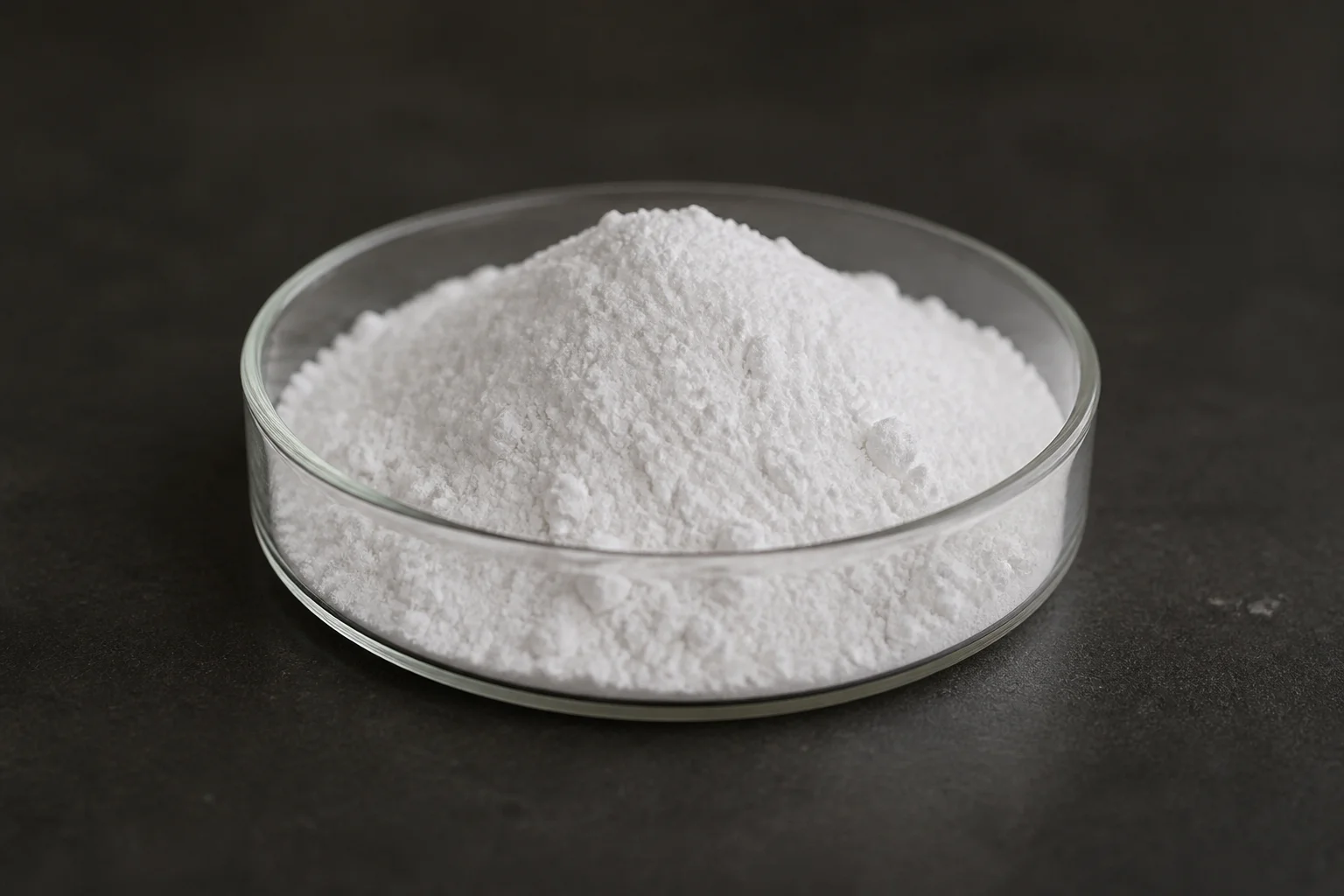
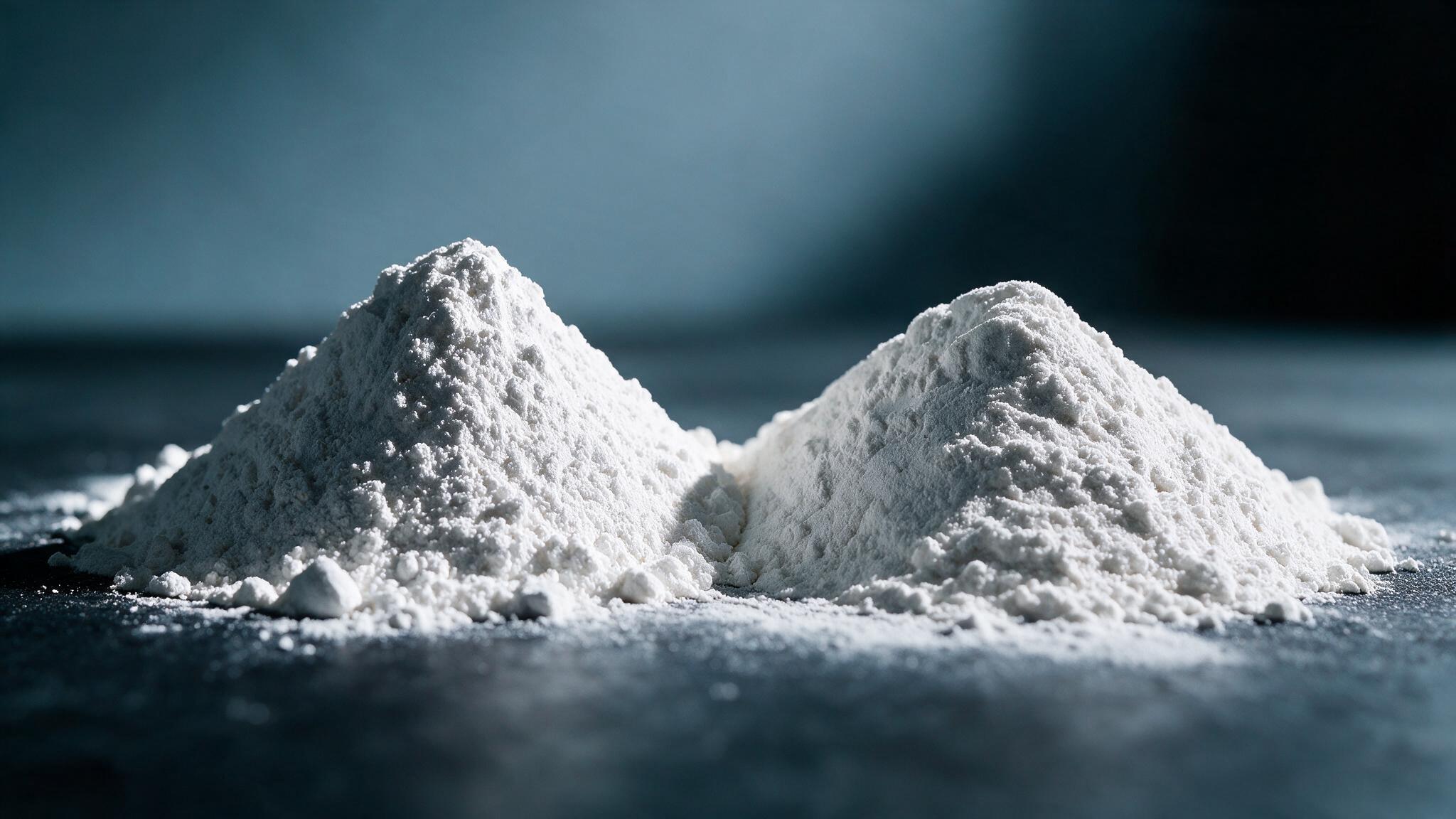
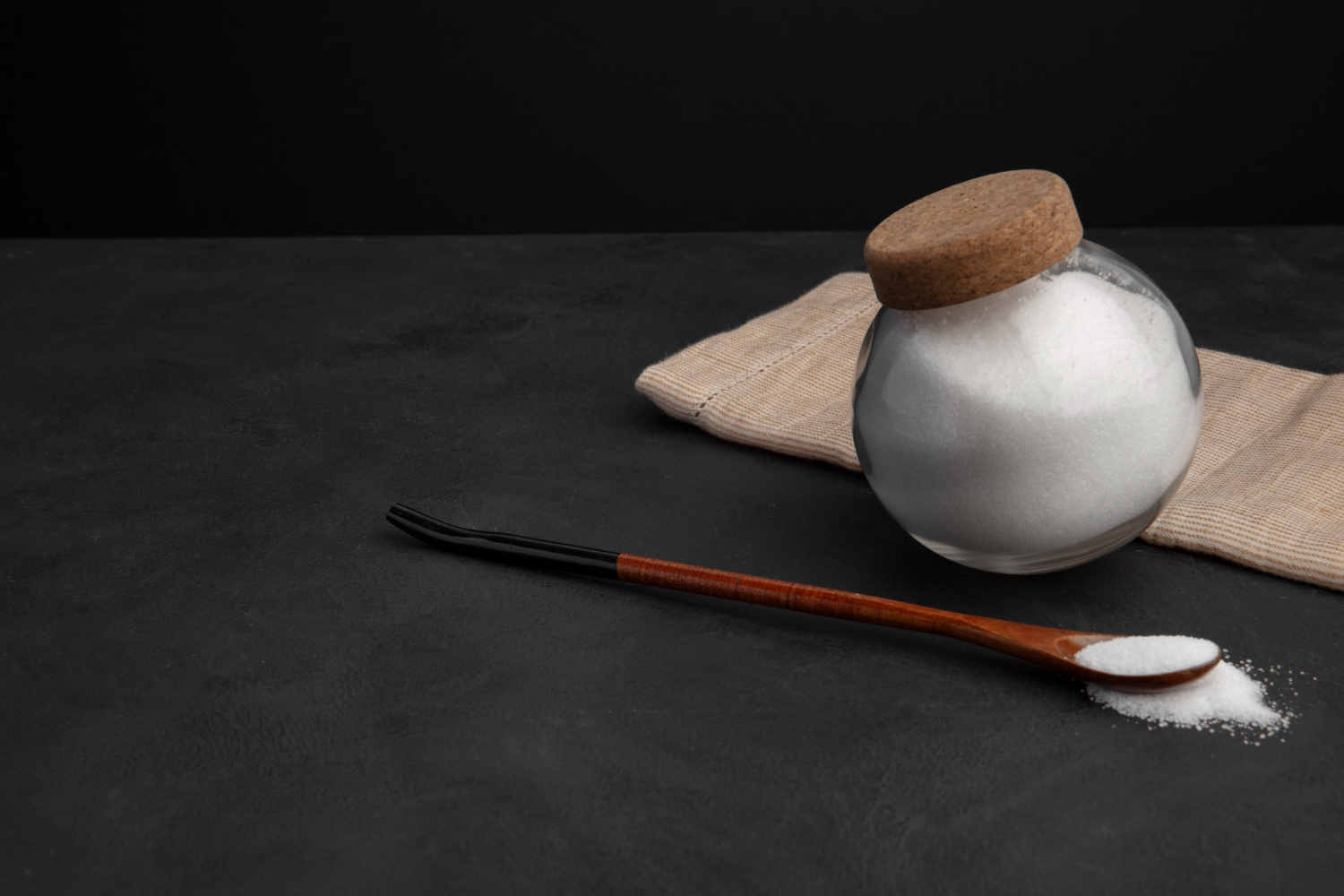
Product formulators face countless ingredient decisions, each affecting performance, cost, safety, and consumer appeal. Among the most common choices in cleaning products, detergents, and personal care formulations comes down to two white powders that look remarkably similar: sodium borate (borax) and sodium bicarbonate (baking soda). While both serve as multipurpose ingredients with cleaning capabilities, their chemical properties, functional benefits, and regulatory considerations differ substantially.
Baking soda is the common name for sodium bicarbonate, which is a naturally occurring chemical compound with the formula of NaHCO3 (one sodium ion to one bicarbonate ion). Meanwhile, Borax is the common name for the naturally occurring mineral sodium tetraborate decahydrate (Na2B407-10H2O). These fundamental chemical differences create distinct performance characteristics that matter greatly when formulating consumer or industrial products.
Understanding when to choose sodium borate or sodium bicarbonate requires examining their properties, functions, safety profiles, and practical applications from a formulator’s perspective.
Sodium Borate vs Sodium Bicarbonate: Core Chemical Properties
Before examining specific applications, formulators need to understand the fundamental chemistry driving these compounds’ behavior.
| Property | Sodium Borate (Borax) | Sodium Bicarbonate (Baking Soda) |
| Chemical formula | Na₂B₄O₇·10H₂O | NaHCO₃ |
| Molecular weight | 381.38 g/mol | 84 g/mol |
| pH (1% solution) | 9.5 | 8.0 |
| Alkalinity | Highly alkaline | Mildly alkaline |
| Water solubility | 31.7 g/L at 0°C | 96 g/L at 20°C |
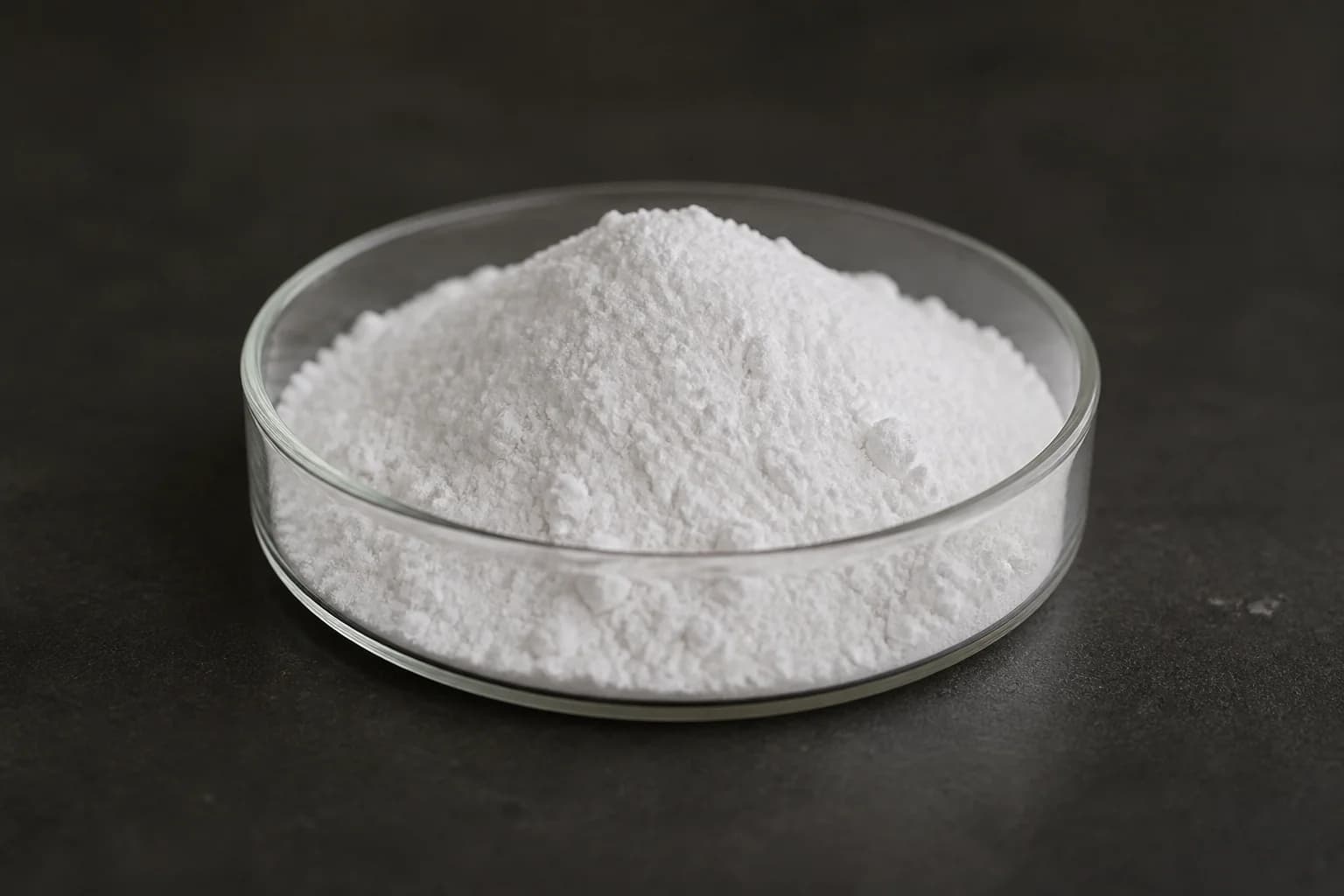
| Appearance | White crystalline powder | White crystalline powder |
| Taste | Sweet, alkaline | Slightly salty, alkaline |
| Natural occurrence | Mined mineral (evaporite deposits) | Mined (nahcolite) or manufactured |
While both borax and baking soda contain sodium, their distinct elemental makeups give each compound unique properties and applications. The boron content in sodium borate creates entirely different reactivity patterns compared to the bicarbonate anion in baking soda.
Borax has the chemical formula Na2B4O7·10H2O, with a molar mass of 381.38 g/mol and appears as a white solid that can easily convert into boric acid. This conversion to boric acid under acidic conditions gives borax pH buffering capabilities valuable in certain formulations.
Understanding pH Differences
Borax, also known as sodium tetraborate, has a pH of 9.5, while baking soda, or sodium bicarbonate, has a pH of 8. This 1.5-point pH difference translates to borax being roughly 30 times more alkaline than baking soda on the logarithmic pH scale.
Borax’s stronger alkaline nature means it can be more effective against tough, oily stains because of its ability to emulsify oils. Alkaline conditions help break down fats and organic materials, making borax particularly effective for heavy-duty cleaning applications.
Baking soda works as a cleaner for two main reasons: First, it’s alkaline, which makes it reactive with acidic things (which include many smelly things), and it’s also mildly abrasive, which makes it good for gentle scrubbing. The milder alkalinity provides cleaning action without the harshness associated with stronger bases.
Difference 1: Safety and Toxicity Profiles
Sodium Bicarbonate
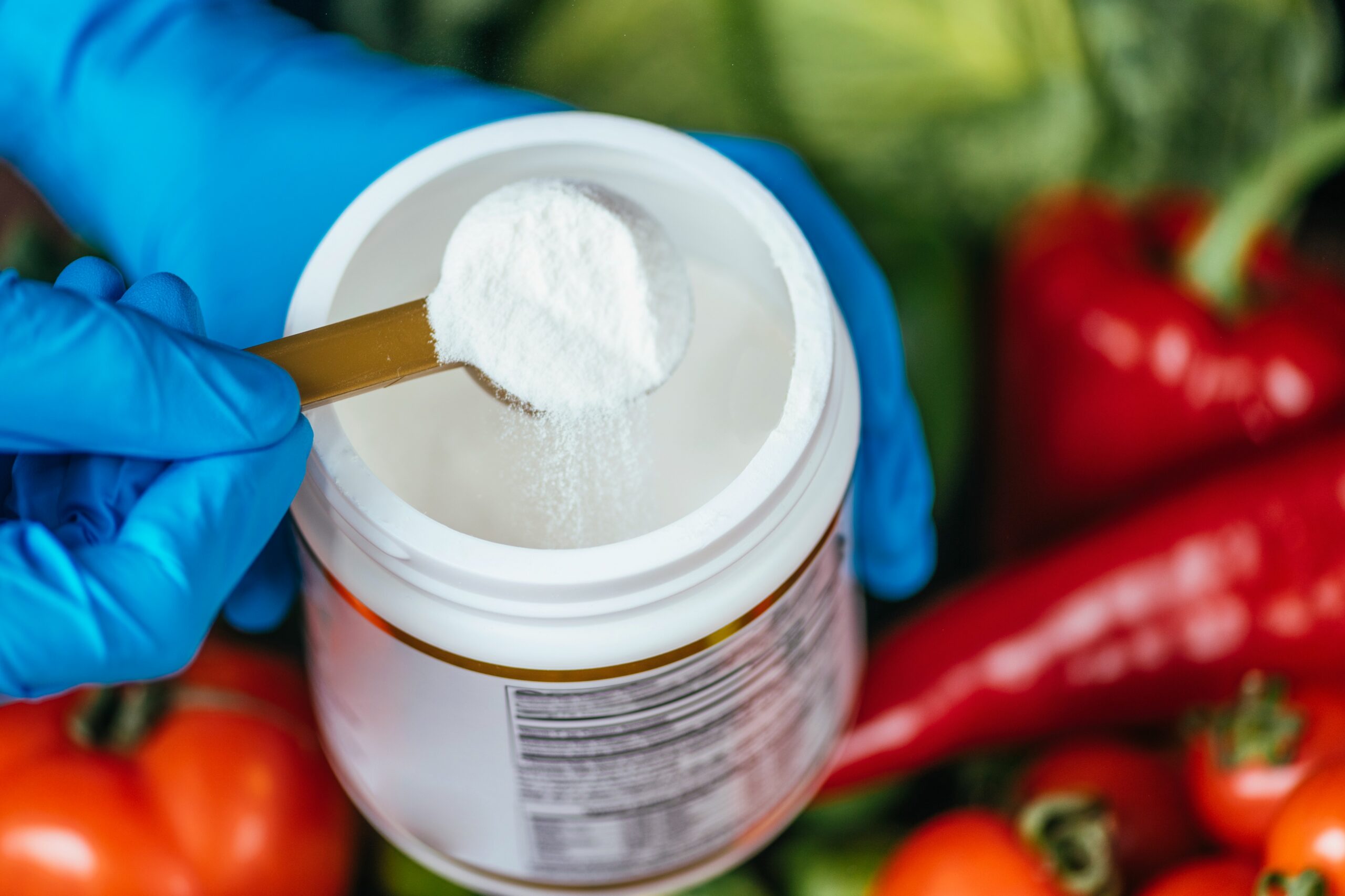
You can safely consume baking soda, while borax should not be eaten, inhaled, or even exposed to your skin. This fundamental safety difference drives formulation decisions, particularly for products with potential human contact or food applications.
Baking soda holds GRAS (Generally Recognized as Safe) status from the FDA for food use. It appears in baking recipes, antacid medications, toothpaste, and countless consumer products without significant safety concerns. The compound’s mild nature makes it suitable for:
-
- Direct food contact applications
-
- Products marketed for children
-
- Formulations for sensitive skin
-
- Oral care products
-
- Cleaning around food preparation areas
Sodium Borate
If you’re deciding between borax and baking soda, you’ve got to factor in safety, especially if you have children or pets in your home, with baking soda winning hands down for being user-friendly and safe for most applications.
Borax carries reproductive toxicity classifications in the European Union, leading to its ban in cosmetics and restrictions in other applications. The safety concerns stem from animal studies showing developmental and reproductive effects at high doses. While household cleaning use presents minimal risk when handled properly, formulators must consider:
-
- Warning label requirements
-
- Restrictions in products for children under 3
-
- EU cosmetics ban
-
- Potential liability in personal care applications
-
- Consumer perception and market trends away from borates
Difference 2: Functional Performance in Cleaning Formulations
Water Softening Capabilities
Both compounds soften water, but through different mechanisms and with varying effectiveness.
Sodium Borate: Typical builders are water softeners that remove hard water calcium ions by reacting with or precipitating out calcium, with borates having a mild builder function. Borax reacts with calcium and magnesium ions in hard water, forming insoluble calcium borate precipitates that prevent these minerals from interfering with surfactant activity.
Sodium Bicarbonate: Baking soda also softens water but to a lesser degree than borax. It precipitates calcium carbonate, reducing water hardness moderately. Formulators requiring significant water softening typically prefer borax or washing soda (sodium carbonate) over baking soda.

Stain Removal and Cleaning Power
For Greasy, Oily Stains: Borax acts as a stain remover by helping to break down and lift stains from fabrics, enhancing the cleaning power of detergent and being particularly effective against stains caused by grease, oil, or food. The higher alkalinity and emulsifying properties make borax superior for heavy-duty cleaning applications.
For General Cleaning: Sodium bicarbonate provides effective cleaning without harsh chemicals, making it suitable for individuals with sensitive skin or those looking for a more eco-friendly laundry option. The mild abrasiveness combined with moderate alkalinity handles everyday cleaning without aggressive chemical action.
Odor Neutralization: Baking soda neutralizes odors by balancing the pH levels of odorous substances, eliminating smells. This acid-base neutralization makes baking soda particularly effective for refrigerators, carpets, and other odor-prone areas. Borax lacks this specific odor-neutralizing advantage.
Difference 3: Applications in Laundry Products
Sodium Borate in Laundry Formulations
Borates offer value to both consumer and commercial laundry detergent formulations, including powdered detergents either in refined form as sodium borate or as an additive in sodium perborate, used for its oxygen bleaching value.
Primary laundry functions:
-
- Enzyme stabilization in liquid detergents
-
- pH buffering to maintain optimal cleaning conditions
-
- Mild bleaching action when combined with hydrogen peroxide
-
- Water softening to enhance surfactant performance
-
- Stain removal boosting, particularly for proteins and oils
The use of enzymes provides cleaning value, particularly for liquid detergents, to remove unwanted stains, however they require some stabilization which borates bring to these formulations. This enzyme protection represents a key technical advantage of sodium borate that sodium bicarbonate doesn’t provide as effectively.
Sodium Bicarbonate in Laundry Applications
Primary laundry functions:
-
- Odor elimination through pH neutralization
-
- Gentle fabric care suitable for delicate items
-
- Slight brightening effect when combined with detergents
-
- pH adjustment in wash water
-
- Residue removal without harsh chemical action
Adding baking soda to laundry helps neutralize odors, soften water (allowing use of less detergent or bleach), and provide brightening effects though not as a bleach. The gentler action makes it preferable for consumers seeking natural cleaning with minimal fabric wear.
Difference 4: Emulsification and Formulation Stability
Sodium Borate as Emulsifier
Sodium borate shows unique emulsifying properties valuable in cosmetic and cleaning formulations. When combined with fatty acids or oils, borax forms stable emulsions by creating soap-like complexes. This emulsification capability makes it useful in:
-
- Cream and lotion formulations
-
- Cleaning products requiring oil-water mixing
-
- Hand soaps and liquid cleaners
-
- Polishing compounds
The emulsifying action allows formulators to create stable products mixing water and oil phases without additional emulsifiers, reducing ingredient costs and simplifying formulations.
Sodium Bicarbonate Limitations
Baking soda lacks significant emulsifying properties. It cannot stabilize oil-water mixtures or create creamy textures in formulations. Formulators requiring emulsification must include separate emulsifying agents when using sodium bicarbonate, adding complexity and cost to formulations.
However, this limitation becomes irrelevant in applications where emulsification isn’t needed, such as dry powder products, simple aqueous solutions, or mechanical cleaning applications relying on abrasiveness.
Difference 5: Cost and Sourcing Considerations
Economic Analysis
Both compounds are relatively inexpensive commodity chemicals, but cost structures differ.
Sodium Bicarbonate:
-
- Bulk price: $0.20-0.40 per pound (technical grade)
-
- Widely available from multiple suppliers
-
- Can be manufactured synthetically or mined
-
- Price relatively stable due to multiple production methods
Sodium Borate:
-
- Bulk price: $0.30-0.60 per pound (technical grade)
-
- Fewer suppliers due to concentrated mining locations
-
- Primarily mined from natural deposits
-
- Price fluctuations tied to mining economics
The higher molecular weight of borax (381 g/mol vs 84 g/mol for baking soda) means formulators need larger quantities by weight to achieve similar molar concentrations. This weight difference affects shipping costs, storage requirements, and handling economics.
Supply Chain Considerations
The US Borax mine near the Mojave Desert in California is one of the largest producers of borax, supplying about 30% of the world’s borates. The concentrated supply chain creates potential vulnerability to supply disruptions from mining operations, labor issues, or regional factors.
Sodium bicarbonate benefits from more diverse production. Nahcolite deposits can be found in Colorado’s Green River Formation, mined similarly to coal using underground mining strategies, and also mined by pumping boiled water through nahcolite beds. Additionally, synthetic production through the Solvay process provides alternative sourcing independent of mineral deposits.
Formulation Decision Framework
Choose Sodium Borate When:
-
- Heavy-duty cleaning power is paramount
-
- Water hardness poses significant challenges
-
- Enzyme stabilization is required
-
- Emulsification properties add value
-
- Target market accepts boron compounds
-
- Products won’t contact food or be used on children
-
- pH buffering at higher ranges (9-10) is needed
-
- Formulation requires mild bleaching action
Choose Sodium Bicarbonate When:
-
- Safety and non-toxicity are critical selling points
-
- Products target children, pets, or sensitive populations
-
- Food contact or consumption is possible
-
- Gentle cleaning preserves fabric or surface integrity
-
- Odor neutralization is a primary function
-
- Marketing emphasizes “natural” and “food-safe” ingredients
-
- EU market compliance is required for cosmetics
-
- Lower alkalinity prevents damage to delicate materials
When Either Works:
For many general cleaning applications, both compounds perform adequately. The choice may come down to:
-
- Cost considerations and ingredient availability
-
- Marketing and label appeal to target consumers
-
- Regulatory requirements in specific markets
-
- Compatibility with other formulation ingredients
-
- Manufacturing equipment and process requirements
Regulatory Landscape
Understanding regulatory differences helps formulators avoid compliance issues.
United States:
-
- Both compounds approved for various applications
-
- Sodium bicarbonate: GRAS status for food
-
- Sodium borate: Restricted in infant products, requires safety warnings
European Union:
-
- Sodium bicarbonate: Widely accepted across applications
-
- Sodium borate: Banned in cosmetics, restricted in other uses
-
- Classification as reproductive toxin (Category 1B) drives restrictions
Global Markets: Regional variations exist, with some countries following EU precautionary approaches while others maintain US-style regulations. Formulators developing products for international distribution should evaluate ingredient acceptance in all target markets.
Sourcing Quality Ingredients
For formulators requiring sodium borate, sodium bicarbonate, or alternative ingredients for cleaning and personal care products, sourcing reliable suppliers with appropriate grade specifications is essential. Elchemy connects product developers and manufacturers with qualified chemical suppliers providing technical, food, and cosmetic grades of these compounds. Whether formulating natural cleaning products, industrial detergents, or specialty applications, we help source materials meeting your quality specifications with full documentation supporting regulatory compliance and quality management requirements.
Conclusion
The sodium borate vs sodium bicarbonate decision depends on carefully weighing performance requirements against safety considerations, regulatory compliance, and market expectations. Neither ingredient is universally superior. Borax excels in heavy-duty cleaning, enzyme stabilization, and emulsification. Baking soda wins on safety, food compatibility, and gentle effectiveness.
Modern formulation trends favor sodium bicarbonate for consumer products, driven by safety perception, regulatory pressures, and clean-label marketing. Industrial applications still utilize sodium borate where its superior performance justifies regulatory complexity and safety precautions.
Successful formulators understand not just the technical properties but also the market dynamics, consumer preferences, and regulatory environments shaping ingredient selection. The choice between these white powders ultimately reflects your product’s purpose, target market, and brand values as much as their chemical properties.