

At a Glance
-
- “Potassium iodine” is a misnomer; the correct term is potassium iodide
-
- Iodine is an element; potassium iodide is a compound containing iodine
-
- Both serve distinct industrial and medical purposes
-
- Chemical properties and applications differ significantly
- Proper terminology ensures accurate material sourcing and usage
The chemical industry frequently encounters terminology confusion between similar substances. This confusion can lead to procurement errors and application failures. Understanding the difference between potassium iodine vs iodide is essential for manufacturers and medical professionals.
Many procurement teams and engineers use these terms interchangeably. However, they represent fundamentally different chemical entities. This distinction impacts everything from industrial manufacturing to patient safety.
Understanding Potassium Iodine vs Iodide
The term “potassium iodine vs iodide” reveals a common misunderstanding in chemical nomenclature. One represents an element while the other is a compound. This difference determines their physical properties, reactivity, and practical applications across industries.
What is Iodine?
Iodine is a halogen element with atomic number 53 on the periodic table. It exists as diatomic molecules (I2) in its pure form. The element appears as purple-black lustrous crystals with a distinctive sharp odor.
Iodine sublimes readily at room temperature, producing violet vapors. This property makes it valuable for specialized applications. The element has strong oxidizing capabilities and reacts with most metals and organic compounds.
Natural iodine comes from seawater, natural brines, and caliche ore deposits. Chile produces nearly 60% of global supply, followed by Japan and China. Annual worldwide production exceeds 30,000 metric tons.
What is Potassium Iodide?
Potassium iodide is an inorganic compound with formula KI. It forms when potassium metal reacts with iodine. The compound consists of potassium cations (K+) and iodide anions (I-) held together by ionic bonds.
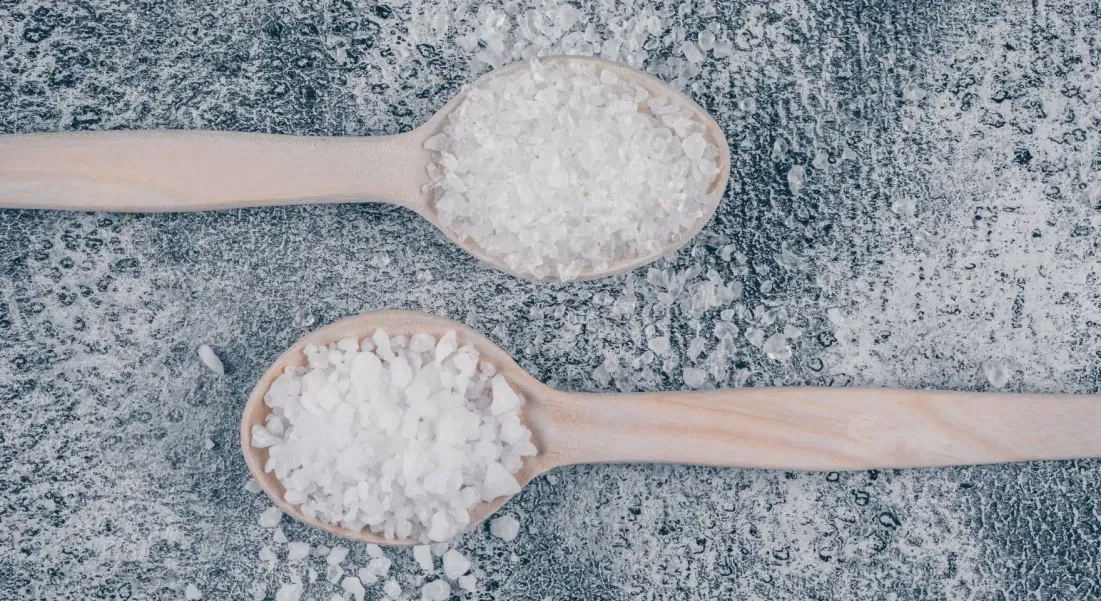
This white crystalline salt dissolves easily in water and polar solvents. The compound remains stable under normal conditions. Manufacturers produce it by treating potassium hydroxide with iodine or through electrolytic processes.
Global potassium iodide production reaches approximately 37,000 tons annually. The pharmaceutical and food industries consume the largest volumes. Its stability and controlled iodine release make it commercially valuable.
The Terminology Confusion
“Potassium iodine” is not a recognized chemical compound. The correct scientific term is always potassium iodide when referring to KI. This naming error stems from casual usage and insufficient technical knowledge.
The confusion likely arises because potassium iodide contains iodine. However, chemical nomenclature follows strict rules. The suffix “-ide” indicates a binary compound formed between a metal and a nonmetal.
Using incorrect terminology creates supply chain problems. Vendors may misinterpret orders, leading to wrong materials being supplied. Clear communication using proper chemical names prevents costly procurement errors.
Is Potassium Iodide the Same as Iodine?
No, potassium iodide is not the same as iodine. They differ fundamentally in composition, properties, and applications. Understanding these distinctions helps professionals select appropriate materials for specific needs.
| Aspect | Iodine (I2) | Potassium Iodide (KI) |
| Chemical Nature | Element (halogen) | Ionic compound |
| Physical Form | Purple-black crystals | White crystalline powder |
| Solubility | Slightly soluble in water | Highly soluble in water |
| Reactivity | Strong oxidizing agent | Stable reducing agent |
| Primary Industrial Use | Catalysts, disinfectants | Chemical synthesis, food fortification |
| Medical Application | Topical antiseptic | Thyroid protection, expectorant |
| Handling Requirements | Requires ventilation, corrosive | Easier to handle, less hazardous |
The key difference lies in chemical structure. Iodine is a pure element existing as I2 molecules. Potassium iodide is a stable salt where iodine exists as iodide ions (I-).
This structural difference affects how each substance behaves. Iodine sublimates and has strong oxidizing properties. Potassium iodide dissolves in water without sublimation and acts as a reducing agent in many reactions.
Key Differences Between Iodine and Potassium Iodide
Both substances play important roles across manufacturing and healthcare sectors. However, their applications rarely overlap due to distinct chemical behaviors. Selecting the wrong material compromises process efficiency and product quality.

Chemical Composition and Physical Properties
| Property | Iodine (I2) | Potassium Iodide (KI) |
| Molecular Structure | Covalent diatomic molecule | Ionic compound |
| Molecular Weight | 253.8 g/mol | 166 g/mol |
| Melting Point | 113.7°C | 681°C |
| Phase Transition | Sublimes at room temperature | Melts without sublimation |
| Water Solubility | 0.03 g/100 mL at 20°C | 144 g/100 mL at 20°C |
| Solvent Preference | Organic solvents (chloroform, CCl4) | Polar solvents (water, alcohols) |
| Electrical Conductivity | Non-conductor in all states | Conducts when dissolved or molten |
| Color/Appearance | Purple-black crystals | White crystalline powder |
The structural differences drive distinct behaviors in manufacturing processes. Iodine’s sublimation property requires closed systems for handling. Potassium iodide’s high water solubility simplifies formulation and delivery across applications.
Industrial Applications
Manufacturing sectors utilize these substances differently based on their unique properties. The tables below outline specific applications where each chemical serves distinct industrial needs.
Iodine in Manufacturing
| Industry | Application | Purpose |
| Electronics | LCD polarizing filters | Controls light transmission with aligned iodine in PVA films |
| Chemical Manufacturing | Catalyst for polymerization | Enables synthetic rubber production through oxidizing reactions |
| Pharmaceuticals | X-ray contrast agents & isotopes | Provides high atomic number for imaging and therapeutic uses |
| Photography | Silver halide emulsions | Improves grain structure and image resolution in specialty films |
| Forensics | Latent fingerprint development | Iodine fuming reveals hidden prints on porous surfaces |
| Water Treatment | Biocide formulations | Controls bacterial growth and biofilm in cooling towers |
Potassium Iodide in Industry
| Industry | Application | Purpose |
| Chemical Synthesis | Reagent and catalyst | Iodination reactions, Finkelstein reactions, Williamson ether synthesis |
| Food Processing | Salt fortification | Public health iodine supplementation with shelf-stable formulation |
| Analytical Labs | Iodometric titrations | Quantifies oxidizing agents (chlorine, ozone, peroxide) in samples |
| Electronics | LED screen manufacturing | Stabilizes phosphor materials for improved brightness and color rendering |
| Photography | Silver halide sensitizer | Controls grain size in specialty films with better precision than iodine |

Medical and Pharmaceutical Uses
Healthcare applications require strict quality standards for both substances. Regulatory approval and patient safety considerations guide their use.
Iodine in Healthcare
| Medical Use | Application Form | Clinical Purpose |
| Topical Antiseptics | Povidone-iodine solutions | Broad-spectrum antimicrobial for wound care and infection control |
| Surgical Preparation | Iodine complex scrub solutions | Preoperative skin disinfection to reduce surgical site infections |
| Thyroid Treatment | Radioactive iodine (I-131) | Treats hyperthyroidism and thyroid cancer through targeted uptake |
| Medical Imaging | Iodinated contrast agents | CT scans and angiography procedures using high atomic number properties |
Potassium Iodide in Medicine
| Medical Use | Dosage/Form | Clinical Purpose |
| Radiation Protection | 130 mg tablets | Saturates thyroid to block radioactive iodine uptake during nuclear emergencies |
| Respiratory Treatment | Oral expectorant | Loosens mucus in COPD patients by increasing respiratory tract secretions |
| Dermatology | Prescribed oral doses | Treats erythema nodosum and sporotrichosis through anti-inflammatory action |
| Thyroid Surgery Prep | Short-term preoperative use | Reduces thyroid vascularity to minimize surgical bleeding risks |
Key Difference in Medical Use: Potassium iodide provides preventive protection and systemic treatment. Iodine compounds primarily serve as topical antimicrobials and diagnostic aids. This functional separation guides clinical selection between the two substances.
Potassium Iodide vs Potassium Plus Iodine
Some confusion arises when people ask about “potassium iodide vs potassium plus iodine.” This question reflects misunderstanding of chemical bonding. Potassium iodide is not simply potassium and iodine mixed together.
Chemical compounds form through specific bonding reactions. Potassium metal (K) reacts violently with iodine (I2) to create potassium iodide (KI). The reaction releases significant energy and produces a completely different substance with new properties.
You cannot substitute a mixture of potassium and iodine for potassium iodide. The compound’s ionic structure determines its solubility, stability, and biological activity. Physical mixtures lack these specific properties.
Industrial and medical applications require the actual compound, not elemental components. Procurement specifications must clearly state “potassium iodide” to ensure correct material delivery. The chemical formula KI leaves no room for interpretation.

Safety and Handling Considerations
Proper handling protocols protect workers and ensure product quality. Each substance requires different safety measures based on its hazard profile.
Iodine Safety Requirements:
-
- Requires adequate ventilation due to vapor hazards
- Corrosive to skin, eyes, and respiratory tract
- Must be stored in tightly sealed containers
- Personal protective equipment includes goggles, gloves, and respirators
- Spills require neutralization before disposal
Potassium Iodide Safety Measures:
-
- Less hazardous than elemental iodine
- May cause mild skin and eye irritation
- Hygroscopic nature requires moisture-free storage
- Standard laboratory PPE sufficient for handling
- Solutions remain stable when protected from light and air
Common Precautions:
-
- Both substances require proper labeling and documentation
- Material safety data sheets must be readily available
- Emergency procedures should be established and practiced
- Storage areas need appropriate temperature and humidity control
- Personnel handling these materials need proper training
Regulatory compliance varies by country and application. Food-grade and pharmaceutical-grade materials face stricter requirements. Documentation proving quality standards helps maintain regulatory approval.
Conclusion
The distinction between potassium iodine vs iodide centers on correct chemical terminology and understanding. Iodine is an element with specific properties and uses. Potassium iodide is a stable compound serving different industrial and medical needs.
Recognizing these differences prevents procurement errors and application failures. Each substance brings unique capabilities to manufacturing and healthcare processes. Proper identification ensures optimal results across all applications.
When sourcing chemicals for industrial or medical use, precise terminology matters. Working with reliable suppliers who understand these distinctions ensures consistent quality and regulatory compliance.
Need reliable sourcing for potassium iodide or other specialty chemicals? Elchemy connects you with verified manufacturers offering consistent quality and competitive pricing for your industrial needs.