

At a Glance
- Potassium gluconate combines potassium with gluconic acid; potassium citrate pairs potassium with citric acid
- Citrate form specializes in kidney stone prevention (74% reduction) and urine alkalinization
- Gluconate form targets simple potassium deficiency with gentler stomach tolerance
- Both demonstrate 94% absorption rates with equivalent bioavailability
- Selection depends on health condition: citrate for urinary issues, gluconate for general supplementation
- Food industry uses both as additives for fortification and acidity regulation
Potassium supplementation addresses one of the most common nutritional deficiencies affecting cardiovascular health, muscle function, and nerve transmission. Adult requirements reach 2,600-3,400 mg daily depending on age and sex. Most individuals fall short of these targets through diet alone. Supplementation becomes necessary for those with chronic conditions, medication-induced depletion, or dietary restrictions limiting potassium-rich food intake.
Two predominant supplement forms dominate the market. Manufacturers formulate products using either gluconate or citrate compounds. Understanding potassium gluconate vs potassium citrate requires examining chemical structures, clinical applications, and physiological effects. The choice between these forms impacts treatment outcomes for conditions ranging from hypokalemia to kidney stone prevention.
This blog evaluates both options across multiple dimensions to inform supplement selection for nutrition and wellness applications.
What Is the Difference Between Potassium Citrate and Potassium Gluconate
The fundamental distinction between these supplements lies in their molecular composition. Each pairs potassium ions with different organic acids creating unique properties.
Chemical Composition and Structure
Potassium gluconate (C₆H₁₁KO₇) bonds potassium with gluconic acid. Gluconic acid derives from glucose oxidation creating a sugar-derived compound. The molecular weight measures 234.25 g/mol. The gluconate portion metabolizes into glucose providing minor energy contribution. This structure creates a relatively neutral pH effect in bodily fluids.
Potassium citrate (C₆H₅K₃O₇) combines potassium with citric acid. Each molecule contains three potassium ions attached to one citrate molecule. Molecular weight reaches 306.4 g/mol. The citrate component plays active roles beyond simple potassium delivery. It alkalinizes urine and binds calcium ions in solution. This creates therapeutic effects distinct from simple potassium supplementation.
The anion attached to potassium determines functional characteristics. While both deliver potassium effectively, the accompanying acid component drives application-specific benefits. Gluconic acid remains relatively inert after dissociation. Citric acid actively participates in metabolic and urinary chemistry alterations.
Physical Characteristics
Visual and sensory properties distinguish these compounds in raw form:
| Characteristic | Potassium Gluconate | Potassium Citrate |
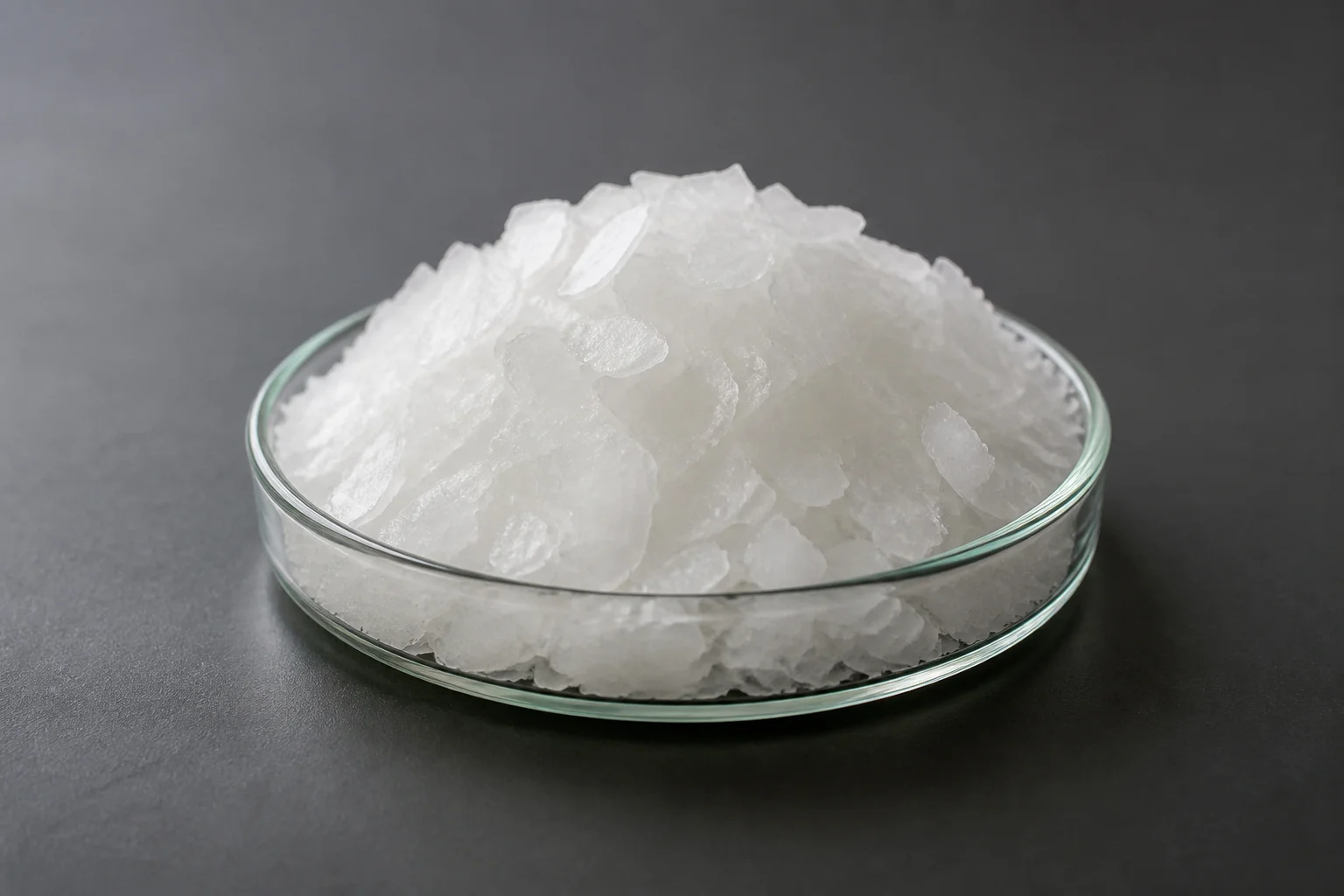
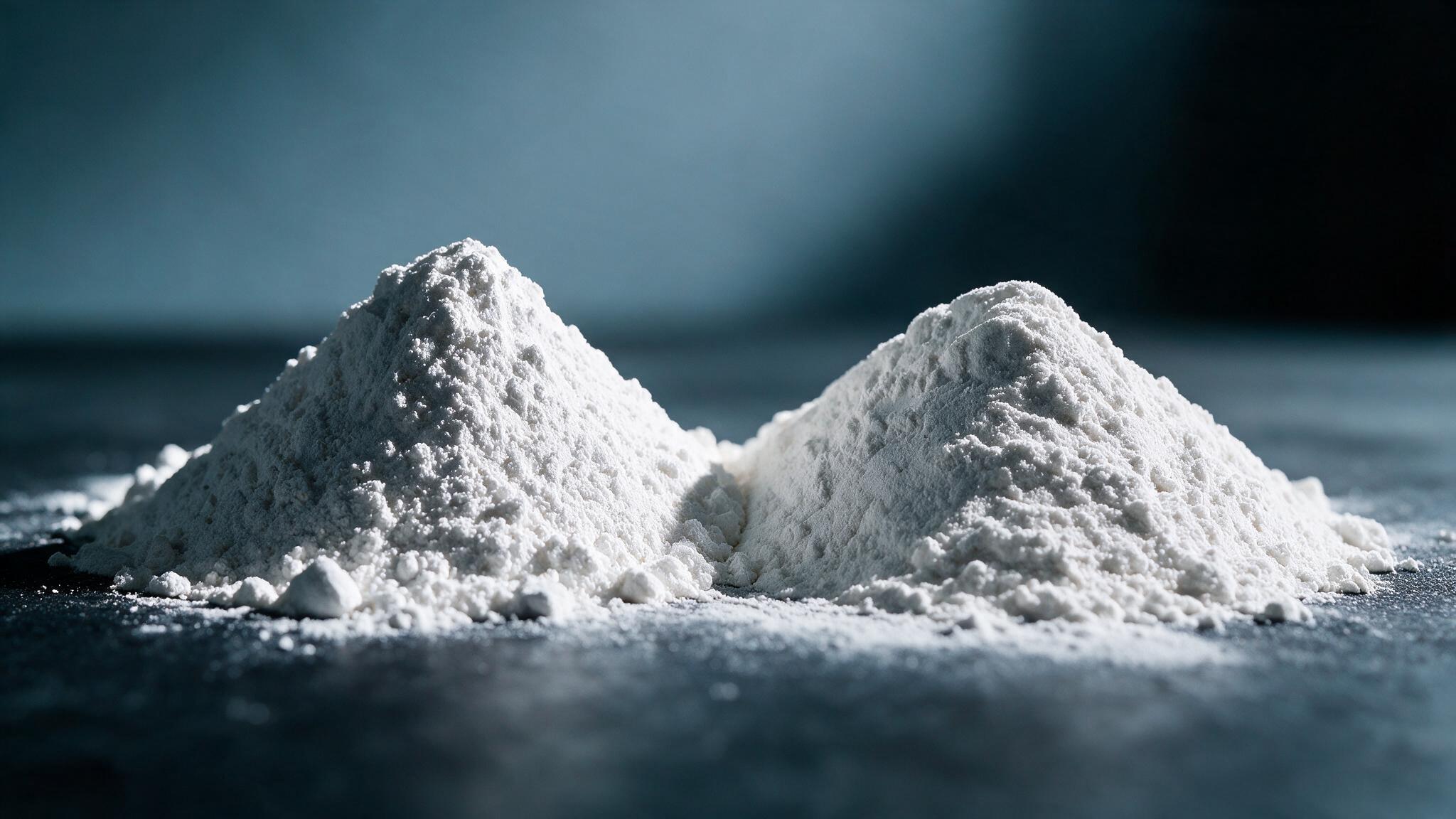
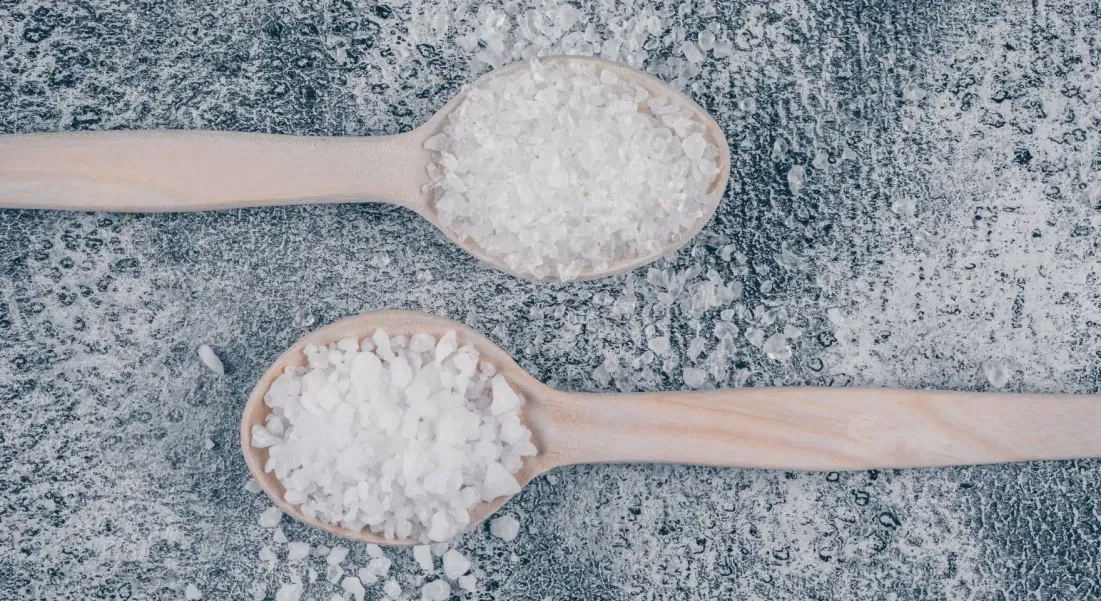
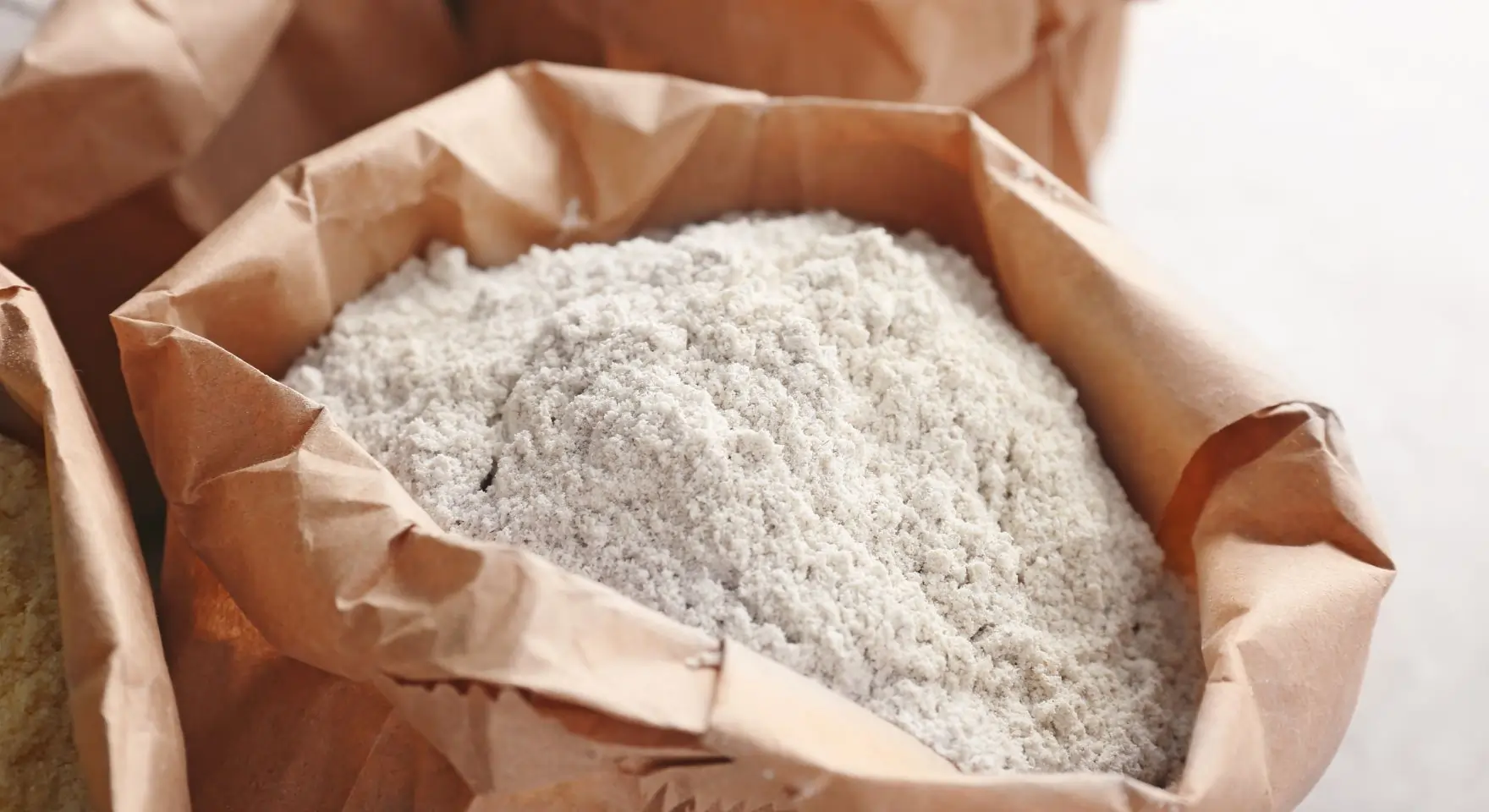
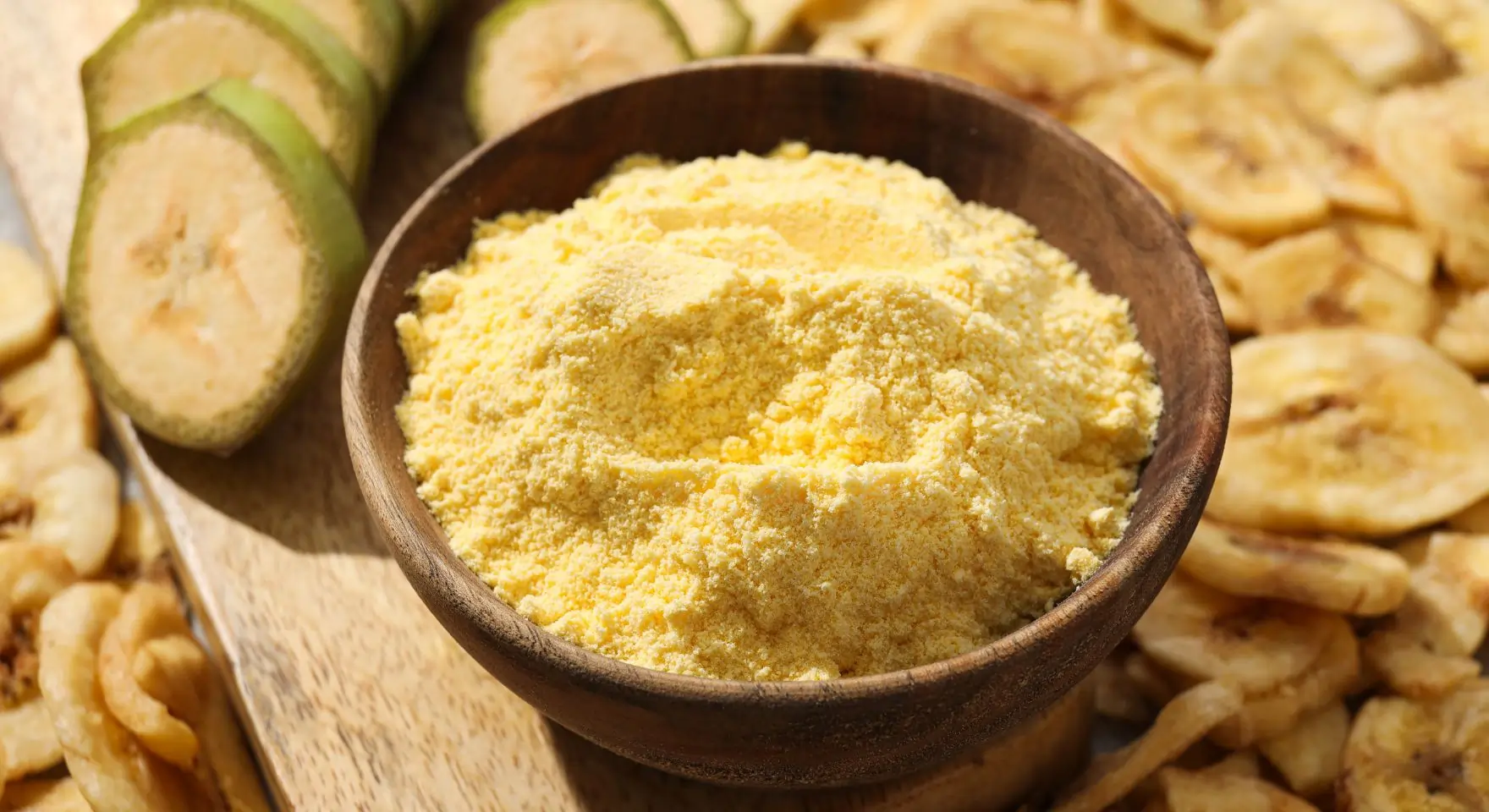
| Appearance | Yellowish-white granules | White or transparent crystals |
| Odor | Odorless | Odorless |
| Taste | Salty | Salty |
| Solubility | Readily soluble in water | Readily soluble in water |
| Form | Powder, tablets, liquid | Powder, tablets, extended-release |
| pH Effect | Minimal alkalinization | Significant alkalinization |
Both compounds dissolve completely in water creating clear solutions. Manufacturers formulate them into tablets, capsules, powders, and liquid preparations. Extended-release formulations exist primarily for potassium citrate due to its medical applications requiring sustained delivery.
Key Chemical Differences:
- Potassium Content: Gluconate provides 16.7% elemental potassium by weight; citrate provides 38.3% elemental potassium
- Citrate content: Potassium citrate delivers citrate ions (important for kidney stone prevention); gluconate does not
- Metabolic fate: Gluconate converts to glucose; citrate metabolizes to bicarbonate (alkalinizing effect)
- Stability: Both stable at room temperature with indefinite shelf life when stored properly
Potassium Gluconate vs Potassium Citrate: Core Applications and Uses
Different clinical and nutritional contexts favor one form over the other based on therapeutic mechanisms.
| Application | Potassium Gluconate | Potassium Citrate | Preferred Choice |
| Hypokalemia (Low Potassium) | Primary indication | Effective | Either – gluconate gentler |
| Kidney Stone Prevention | Not effective | Highly effective (74% reduction) | Citrate only |
| Renal Tubular Acidosis | Not recommended | Primary treatment | Citrate only |
| Muscle Cramps | Effective | Effective | Either – based on tolerance |
| Blood Pressure Support | Effective | Effective | Either |
| Food Fortification | Common | Common | Either – cost dependent |
| Urine Alkalinization | Minimal effect | Strong effect | Citrate only |
| General Supplementation | Preferred (better tolerated) | Effective but harsher | Gluconate |
The choice depends heavily on whether urinary pH modification or calcium binding properties matter for the specific application. For straightforward potassium deficiency without urinary concerns, gluconate offers adequate supplementation with better gastrointestinal tolerance.
Absorption and Bioavailability
Both forms demonstrate excellent absorption profiles with minimal differences in how the body processes potassium.
Absorption Characteristics:
- Absorption rate: Both achieve approximately 94% absorption from the gastrointestinal tract
- Absorption site: Primary absorption occurs in the small intestine via passive diffusion
- Time to peak levels: Blood potassium peaks 1-2 hours after oral administration for both forms
- Food effects: Taking with meals slows absorption slightly but improves tolerance without reducing total absorption
- Bioequivalence: Clinical studies show no significant difference in potassium bioavailability between gluconate and citrate
Distribution and Elimination:
- Total body potassium primarily resides intracellularly (98%) with only 2% in extracellular fluid
- Distribution half-life measures less than 7 hours for most tissues
- Skeletal muscle stores potassium with slower exchange rates (approximately 70-hour half-life)
- Kidneys regulate potassium balance by adjusting excretion rates
- Healthy kidneys excrete 90% of dietary potassium maintaining balance
Practical Implications:
The equivalent bioavailability means potassium delivery efficiency doesn’t determine form selection. Other factors—therapeutic targets, side effect profiles, cost considerations—drive the decision. Someone requiring 20 mEq supplemental potassium daily achieves similar blood levels with either compound assuming equivalent dosing.
Which Is Better Potassium Citrate or Gluconate for Specific Conditions
Effectiveness varies by health condition and treatment objective. Understanding these nuances guides appropriate form selection.
Kidney Stone Prevention and Treatment
Potassium citrate stands as the clear choice for kidney stone management. Evidence strongly supports its efficacy.
Mechanism of Action:
Citrate ions bind urinary calcium reducing availability for calcium oxalate crystal formation. This prevents nucleation and growth of stones. Additionally, citrate increases urine pH (typically from 5.5-6.0 to 6.5-7.0). Higher pH reduces uric acid stone risk and improves calcium salt solubility. Citrate also exhibits direct inhibitory effects on calcium crystal agglomeration independent of calcium binding.
Clinical Evidence:
- Reduces kidney stone recurrence by 74% compared to placebo across multiple studies
- Decreases need for surgical intervention in stone formers by 60-80%
- Shrinks existing stones smaller than 10mm in approximately 67% of cases
- Most effective for calcium oxalate stones, uric acid stones, and stones associated with hypocitraturia (low urinary citrate)
Dosing for Stone Prevention:
- Mild to moderate hypocitraturia: 30 mEq daily (divided into 2-3 doses with meals)
- Severe hypocitraturia: 60 mEq daily (divided into 2-3 doses with meals)
- Maintenance therapy continues indefinitely as discontinuation increases stone recurrence risk
Potassium gluconate provides no stone prevention benefit. It delivers potassium without the critical citrate component needed for urinary chemistry modification. Stone formers requiring potassium supplementation should use citrate formulations exclusively.
Potassium Deficiency Management

For simple hypokalemia without complicating urinary conditions, potassium gluconate offers advantages.
Why Gluconate Works Well:
Potassium deficiency (serum potassium below 3.5 mEq/L) stems from inadequate dietary intake, excessive losses through diarrhea or vomiting, or medication effects (especially diuretics). Treatment requires potassium repletion without necessarily modifying acid-base balance. Gluconate delivers potassium efficiently while remaining gentler on the stomach than citrate.
Tolerability Advantage:
Clinical experience shows gluconate produces fewer gastrointestinal complaints. Patients report less nausea, stomach discomfort, and diarrhea compared to equivalent citrate doses. The sugar-derived gluconate structure appears more compatible with digestive processes. This improved tolerance increases compliance rates for long-term supplementation.
When Citrate Becomes Necessary:
Certain causes of hypokalemia benefit specifically from citrate. Diuretic-induced potassium loss often accompanies metabolic alkalosis or acidosis depending on diuretic class. Potassium citrate corrects both the potassium deficit and acid-base disturbance simultaneously. Renal tubular acidosis requires citrate for both potassium repletion and alkalinization.
Muscle Cramp Relief
Both forms effectively address muscle cramping related to potassium depletion. The choice depends on individual factors.
Gluconate for Cramps:
- Simple structure absorbs quickly providing rapid potassium delivery
- Minimal stomach upset allows higher doses if needed
- Suitable for athletes requiring frequent supplementation around training
- No urinary pH effects that might complicate other health conditions
Citrate for Cramps:
- Alkalinizing properties may benefit cramping associated with acidosis
- Useful when cramping coexists with kidney stone risk
- Better choice for individuals on diuretics causing both potassium loss and acid-base disturbance
Most people find gluconate sufficient for isolated muscle cramp management. The decision to use citrate instead should consider concurrent health conditions requiring urine alkalinization.
Side Effects and Tolerability
Both supplements can produce adverse reactions primarily affecting the digestive system.
Common Side Effects (Both Forms):
- Nausea and vomiting (particularly on empty stomach)
- Abdominal discomfort or cramping
- Diarrhea or loose stools
- Flatulence and bloating
- Metallic taste in mouth
- Throat irritation (especially from tablets)
Comparative Tolerability:
Potassium gluconate generally produces milder side effects. The gluconic acid component shows better gastrointestinal compatibility. Potassium citrate causes more stomach upset especially at higher doses (above 40 mEq daily). The alkaline nature of citrate may contribute to digestive disturbance in sensitive individuals.
Serious Adverse Events (Rare):
- Hyperkalemia (elevated blood potassium): Risk increases with kidney disease, diabetes, ACE inhibitors, ARBs, or potassium-sparing diuretics
- Cardiac arrhythmias: Can occur with hyperkalemia affecting heart rhythm
- Gastrointestinal ulceration: Mostly with older enteric-coated potassium chloride (rare with modern formulations)
Risk Mitigation Strategies:
- Take supplements with meals or within 30 minutes after eating
- Drink full glass of water (8 ounces) with each dose
- Divide daily dose into 2-3 smaller doses rather than single large dose
- Choose extended-release formulations if available for citrate
- Avoid lying down for 30 minutes after taking tablets
- Monitor serum potassium levels regularly if taking >20 mEq daily or have kidney disease
Discontinuation Rates:
Studies show 15-20% of patients discontinue potassium citrate due to side effects. Gluconate shows lower discontinuation rates (approximately 8-12%). This tolerance difference matters for long-term supplementation adherence.
Food Industry Applications

Both compounds serve as food additives with Generally Recognized as Safe (GRAS) status from the FDA.
| Application Category | Potassium Gluconate Uses | Potassium Citrate Uses |
| Potassium Fortification | Sports drinks, meal replacements, infant formula | Beverages, electrolyte drinks, nutritional products |
| Acidity Regulation | Dairy products, beverages | Soft drinks, jams, jellies, wine |
| Flavor Enhancement | Limited use | Enhances citrus flavors, masks bitterness |
| Preservative | Not primary function | Antimicrobial effects in some applications |
| Sodium Reduction | Partial sodium chloride replacement | Partial sodium chloride replacement in processed foods |
| Buffering Agent | Minimal buffering capacity | Strong buffering in acidic products |
Labeling Considerations:
Both appear on ingredient lists as “potassium gluconate” or “potassium citrate” respectively. Products marketed for potassium content must declare amount per serving. Functional benefits (like “supports heart health” or “prevents kidney stones”) require substantiation and FDA compliance.
Cost Factors:
Potassium gluconate generally costs less than potassium citrate on a per-kilogram basis for industrial quantities. However, citrate delivers more elemental potassium per gram (38.3% vs 16.7%). Net cost comparison depends on target potassium concentration in finished product.
Dosage and Administration Guidelines
Proper dosing ensures therapeutic benefit while minimizing adverse effects.
Standard Supplementation Doses:
- Prevention dose: 10-20 mEq (390-780 mg potassium) daily for individuals with borderline intake
- Treatment dose (mild deficiency): 20-40 mEq (780-1,560 mg potassium) daily divided into 2-3 doses
- Treatment dose (moderate deficiency): 40-100 mEq (1,560-3,900 mg potassium) daily under medical supervision
- Maximum single dose: Generally do not exceed 20 mEq per dose to minimize GI irritation
Conversion Reference:
- 1 mEq potassium = 39 mg elemental potassium
- Potassium gluconate 595 mg provides 99 mg (2.5 mEq) elemental potassium
- Potassium citrate 1,080 mg provides approximately 400 mg (10 mEq) elemental potassium
Administration Best Practices:
- Timing: Take with meals or immediately after to improve tolerance
- Hydration: Consume full glass of water with tablets to ensure dissolution and prevent esophageal irritation
- Form selection: Liquid forms absorb slightly faster than tablets; extended-release tablets reduce GI upset
- Swallowing: Do not crush or chew extended-release tablets; swallow whole
- Spacing: Separate doses by at least 4-6 hours when taking multiple times daily
Special Population Considerations:
- Kidney disease: Requires dose reduction and close monitoring; potassium accumulation risk
- Elderly: Start with lower doses; kidney function often reduced even with normal creatinine
- Pregnant/nursing: Safe at recommended doses; adequate potassium important for fetal development
- Children: Dosing based on weight; typically 1-2 mEq/kg/day for deficiency treatment
Selection Criteria: Choosing the Right Form
Decision-making framework for potassium supplement selection:
| Selection Factor | Choose Potassium Gluconate | Choose Potassium Citrate |
| Primary Goal | General potassium supplementation | Kidney stone prevention or urine alkalinization |
| Existing Conditions | Simple hypokalemia, muscle cramps | Kidney stones, gout, renal tubular acidosis |
| GI Sensitivity | High (prefer gentler option) | Low to moderate tolerance |
| Concurrent Medications | None affecting acid-base balance | Diuretics causing metabolic disturbances |
| Budget | Lower cost important | Willing to pay premium for therapeutic benefits |
| Dosing Frequency | Prefer once or twice daily | Comfortable with 2-3 times daily dosing |
| Long-term Use | Indefinite supplementation planned | Disease-specific treatment with defined endpoint |
When to Use Neither:
- Serum potassium already normal or high (>4.5 mEq/L)
- Acute kidney injury or chronic kidney disease stage 4-5 without medical supervision
- Taking potassium-sparing diuretics (spironolactone, amiloride, triamterene)
- Taking ACE inhibitors or ARBs without potassium level monitoring
- Addison’s disease or other conditions causing potassium retention
Consultation Requirements:
Always consult healthcare providers before starting potassium supplementation exceeding recommended daily intake levels (2,600-3,400 mg). Self-supplementation risks hyperkalemia particularly in individuals with undiagnosed kidney dysfunction. Blood tests should establish baseline potassium levels and monitor response to supplementation.
Conclusion
The comparison of potassium gluconate vs potassium citrate reveals specialized applications for each form rather than universal superiority of one over the other. Potassium citrate serves medical applications requiring kidney stone prevention and urinary alkalinization with proven efficacy reducing stone recurrence by 74%.
Potassium gluconate provides gentle, effective potassium supplementation for deficiency management with better gastrointestinal tolerance. Both demonstrate equivalent 94% absorption rates delivering potassium efficiently to address cardiovascular, muscular, and neurological requirements. Selection depends on health conditions, concurrent medications, and treatment objectives rather than bioavailability differences between forms.
For nutrition professionals and wellness formulators requiring pharmaceutical-grade potassium compounds, Elchemy connects buyers with certified suppliers of both potassium gluconate and potassium citrate backed by complete documentation for food-grade and USP applications.