

Walk into any Sephora and flip over five random products. Three will likely list phenoxyethanol somewhere on the ingredient panel. This glycol ether has quietly become cosmetics’ go-to preservative, appearing in everything from $8 drugstore moisturizers to $300 luxury serums. But mention it in a clean beauty Facebook group and watch the panic unfold.
The truth about phenoxyethanol as preservative sits somewhere between “miracle ingredient” and “chemical villain.” Regulatory bodies worldwide approve it. Scientists validate its safety at approved concentrations. Yet consumer anxiety persists, fueled by misunderstood studies and oversimplified social media posts.
Understanding what this preservative actually does, why brands choose it, and whether concerns hold weight helps cut through the noise surrounding one of cosmetics’ most debated ingredients.
What Phenoxyethanol Actually Does in Your Products
Open a jar of face cream and leave it on your bathroom counter for a month. Without preservatives, bacterial colonies turn that expensive formulation into a biohazard. Phenoxyethanol prevents this nightmare scenario.
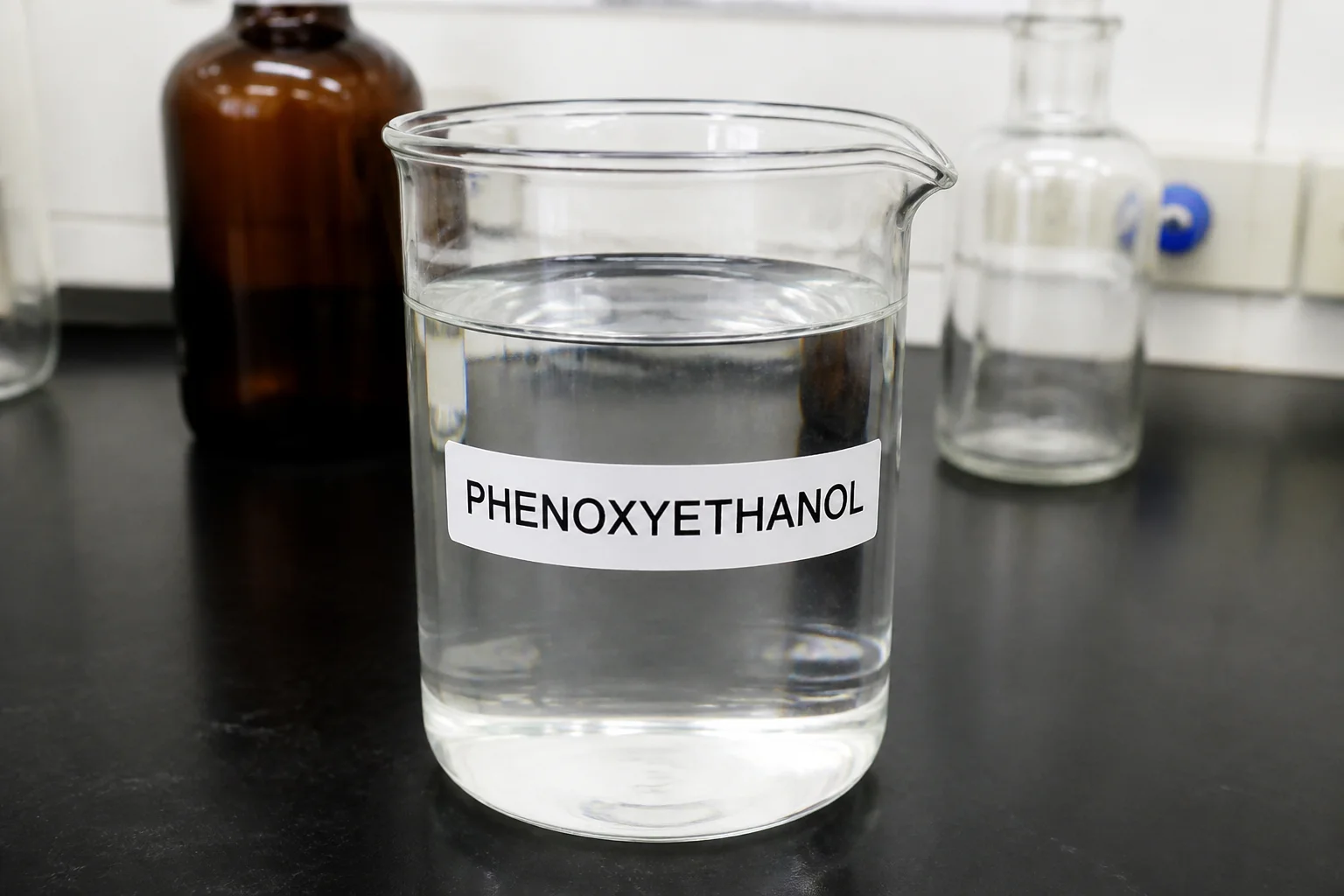
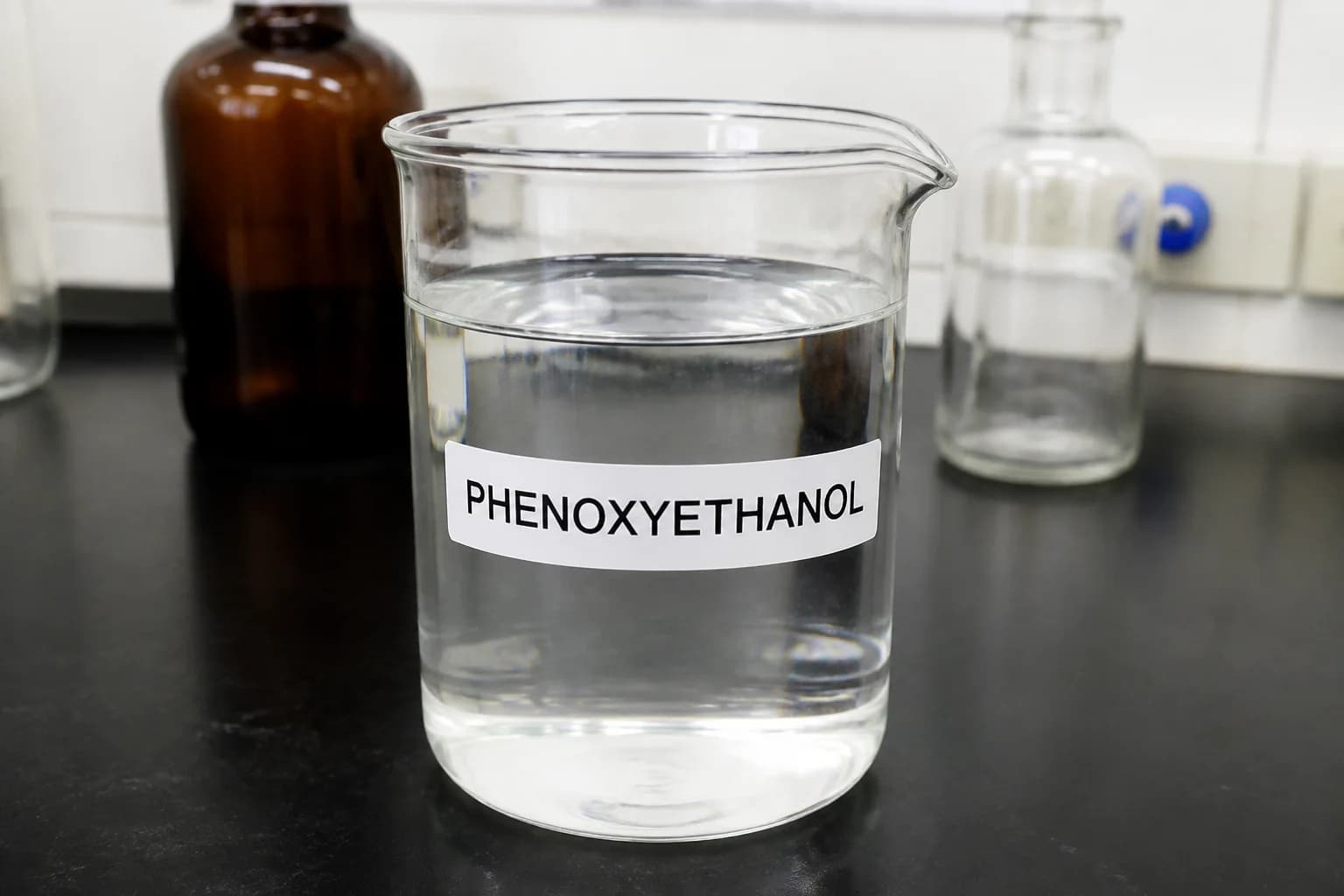
The chemical formula C₈H₁₀O₂ represents a relatively simple molecule. It’s slightly viscous, colorless in pure form, and carries a faint rose-like scent that doesn’t interfere with product fragrances. This glycol ether works as both preservative and solvent, killing bacteria, yeast, and mold while helping other ingredients dissolve properly.
The antimicrobial mechanism targets microbial cell membranes. Phenoxyethanol disrupts membrane integrity, preventing microorganisms from maintaining essential cellular functions. Death follows quickly for bacteria trying to colonize your moisturizer.
But here’s what makes it valuable: effectiveness at low concentrations. While some preservatives require 2-3% concentrations, phenoxyethanol works at 0.5-1%. That’s the whole story in your product. Less preservative means fewer potential irritants competing for space in formulations.
Why Formulators Reach for Phenoxyethanol Preservative
Product developers face impossible demands. Create formulations that last two years on store shelves. Use “clean” ingredients consumers recognize. Keep costs reasonable. Pass rigorous safety testing. Oh, and make sure nothing grows in there.
Phenoxyethanol checks multiple boxes simultaneously. It provides broad-spectrum antimicrobial activity against Gram-positive and Gram-negative bacteria plus yeasts. That coverage handles most contamination scenarios cosmetics encounter through manufacturing, shipping, retail display, and consumer use.
The ingredient plays well with others. Unlike some preservatives that destabilize at specific pH ranges or interact poorly with common cosmetic ingredients, phenoxyethanol remains stable across pH 3-10. It doesn’t break down under light exposure or oxidize when containers open repeatedly.
Formulators also appreciate the clean sensory profile. Some preservatives smell terrible or feel sticky on skin. Phenoxyethanol’s faint aroma disappears in finished products, and it doesn’t create tacky residues that consumers notice.
Cost matters too. While not the cheapest preservative option, phenoxyethanol costs less than many “natural” alternatives delivering comparable protection. A typical 500-kilogram purchase runs $6-9 per kilogram, making it economically viable for both mass-market and premium brands.
The Paraben Replacement Story
Remember when parabens dominated cosmetic preservation? Then studies showed they could be detected in breast tumor tissue. The findings didn’t prove parabens caused cancer, but consumer panic followed anyway. Brands scrambled for alternatives, and phenoxyethanol stepped into the spotlight.
Over 50% of natural and organic product lines from major brands now use phenoxyethanol as their primary preservative. The shift happened quickly starting around 2015 as “paraben-free” became a mandatory marketing claim.
But here’s the twist: parabens never got banned. Multiple regulatory reviews concluded they’re safe at typical use concentrations. The switch was driven by consumer perception, not science. Phenoxyethanol benefited from arriving at the right moment with the right properties.
Does that make it better than parabens? Not necessarily. Both work effectively. Both show safe toxicity profiles at approved concentrations. The main difference is consumer acceptance, which currently favors phenoxyethanol despite both being synthetic.
Concentration Limits and Regulatory Approval
Global regulators agree on phenoxyethanol safety at 1% maximum concentration:
United States: FDA approves phenoxyethanol for cosmetic use at concentrations up to 1%. No mandatory warning labels required.
European Union: The Scientific Committee on Consumer Safety (SCCS) concluded 1% phenoxyethanol is safe for all consumers including children. Products sold in EU markets must comply with this limit.
Japan: Ministry of Health, Labour and Welfare permits phenoxyethanol at 1% maximum in cosmetics and personal care products.
Canada: Health Canada classifies it as safe at approved concentrations with no special restrictions beyond the 1% limit.
This global consensus doesn’t happen often. Regulatory bodies rarely agree so uniformly, especially across regions with different consumer protection philosophies. The alignment suggests solid safety data supporting these limits.
Real-world product analysis shows most brands use considerably less than maximum allowed. A 2015 study examining 43 cosmetic products found only 25% contained phenoxyethanol above 0.6%. Average concentration was 0.46%, nearly half the permitted maximum.
Where You’ll Find It
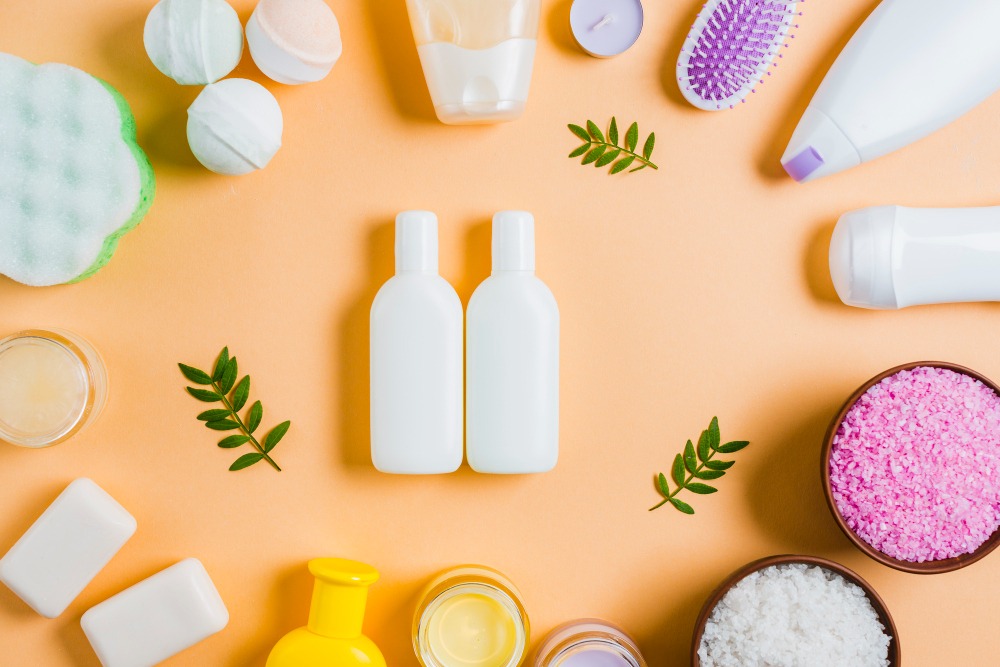
Phenoxyethanol appears across cosmetic categories:
Skincare Products: Face creams, serums, cleansers, toners, masks, eye creams, sunscreens. The preservative protects water-based emulsions from bacterial contamination during months or years of shelf life.
Makeup: Foundations, concealers, mascaras, liquid eyeliners, cream eyeshadows. Wet formulations need robust preservation since they contact skin and tools repeatedly.
Hair Care: Shampoos, conditioners, styling products, hair masks. Water content and repeated cap-opening create contamination risk that phenoxyethanol addresses.
Body Care: Lotions, body washes, deodorants, intimate care products. High-surface-area application and bathroom storage conditions demand reliable preservation.
Baby Products: Wipes, lotions, shampoos designed for infant use. Despite France’s specific restrictions on nappy-area products for children under three, most markets permit phenoxyethanol in baby formulations at standard concentrations.
Understanding the Safety Debate
Search “phenoxyethanol safe” and you’ll find contradictory information. Some sources call it toxic. Others insist it’s among the safest preservatives available. What’s actually true?
The Infant Concern
France’s National Agency for Medicines advised against using phenoxyethanol on diaper areas for children under three. This recommendation stemmed from theoretical concerns about absorption through damaged skin combined with infants’ developing systems.
Important context: This was precautionary advice, not evidence of actual harm. No documented cases exist of phenoxyethanol causing problems in baby products. The French agency essentially said “we’re not 100% certain, so better safe than sorry for this specific vulnerable population and application.”
Other countries reviewed the same data and reached different conclusions. US, EU, Canada, and Japan all permit phenoxyethanol in baby products, considering the safety margin adequate even for infants.
The Metabolism Question
Your body breaks down phenoxyethanol rapidly into phenoxyacetic acid, which then gets excreted through urine. Studies show 85% leaves your body within 24 hours. Unlike some chemicals that accumulate in tissues over time, phenoxyethanol doesn’t stick around.
This rapid metabolism and excretion matters for safety. Chemicals causing long-term problems typically bioaccumulate, building up faster than your body eliminates them. Phenoxyethanol doesn’t follow that pattern.
Sensitization and Irritation
Can phenoxyethanol cause allergic reactions? Technically yes, but it’s considered a rare sensitizer. Challenge testing on hundreds of subjects found very low reaction rates compared to many other cosmetic ingredients.
Studies show reactions occur primarily at concentrations exceeding 1%—above what regulations permit. At approved use levels (typically 0.5-1%), most people tolerate phenoxyethanol without issues.
That said, individual sensitivity varies. Someone reacting to phenoxyethanol at 0.5% isn’t imagining it. Their skin might genuinely not tolerate this particular preservative. But population-level data shows this affects a small minority.
Natural Alternatives: Do They Measure Up?
Clean beauty brands tout “natural preservatives” as superior alternatives. Essential oils, plant extracts, fermented ingredients—these sound appealing. But do they actually work?
The Efficacy Problem
Grapefruit seed extract sounds great until you learn it often contains synthetic preservatives as adulterants. Without those added chemicals, it provides weak antimicrobial protection.
Essential oils like tea tree and lavender offer some antimicrobial activity but require higher concentrations (1.5-3%) than phenoxyethanol (0.5-1%). Those higher concentrations increase irritation risk and create strong scents that limit formulation flexibility.
Radish root ferment (leucidal) works in some formulations but struggles with challenging microbial loads. Products preserved only with ferments sometimes fail challenge testing, requiring reformulation or additional preservatives.
The Consistency Challenge
Synthetic preservatives deliver batch-to-batch consistency. Phenoxyethanol performs identically whether produced in January or July, in Texas or Taiwan. Natural preservatives vary based on growing conditions, harvest timing, processing methods.
This variability creates formulation headaches. A preservative system working perfectly in batch one might fail in batch twelve because the radish root ferment came from a different harvest with slightly different antimicrobial properties.
The Cost Reality
Natural preservation systems typically cost 2-4 times more than phenoxyethanol while providing inferior protection. For brands committed to natural positioning, that’s an acceptable trade-off. For mainstream brands prioritizing affordability and reliability, it’s a dealbreaker.
The Layering Accumulation Concern
Here’s where critics make a valid point. You don’t use just one cosmetic product. Your routine might include:
- Face wash (0.5% phenoxyethanol)
- Toner (0.4% phenoxyethanol)
- Serum (0.6% phenoxyethanol)
- Moisturizer (0.5% phenoxyethanol)
- Sunscreen (0.7% phenoxyethanol)
- Makeup (multiple products at 0.3-0.6%)
Does this cumulative exposure matter? Regulatory safety assessments consider typical use patterns, but “typical” varies dramatically. Someone using two products daily faces different exposure than someone using twelve.
Current safety limits assume reasonable use. If you’re layering eight products all containing maximum phenoxyethanol concentrations, you’re exceeding intended exposure scenarios. Whether this creates actual risk remains debated, with most toxicologists considering it unlikely but consumer advocates urging precaution.
What the Science Actually Shows
Multiple comprehensive reviews have examined phenoxyethanol safety:
A 2019 European study concluded it’s effective against various bacteria and yeasts with only weak effect on beneficial skin flora. This selectivity matters—you want preservatives killing pathogens without destroying skin’s protective microbiome.
The Cosmetic Ingredient Review Expert Panel (US) evaluated all available data and concluded phenoxyethanol is safe at concentrations up to 1% in cosmetics. This assessment considered dermal irritation, sensitization, reproductive toxicity, and systemic exposure.
Animal studies showed adverse effects only at exposures 200-fold higher than human cosmetic use generates. This wide safety margin suggests approved concentrations pose minimal risk.
Making Your Own Choice
The phenoxyethanol preservative debate ultimately comes down to risk tolerance and priorities.
Choose products with phenoxyethanol if you:
- Want proven, reliable preservation
- Prefer formulations with extensive safety data
- Accept synthetic ingredients in skincare
- Need products with long shelf life
- Trust regulatory body assessments
Avoid phenoxyethanol if you:
- Prefer all-natural formulations regardless of tradeoffs
- Have personal sensitivity to this ingredient
- Want to minimize synthetic chemical exposure
- Don’t mind shorter product shelf life
- Accept higher costs for natural alternatives
Neither choice is wrong. Both stem from valid personal values about cosmetic ingredients.
The Industry Perspective
Cosmetic formulators generally view phenoxyethanol as a reliable workhorse. It’s not perfect—no preservative is—but it balances efficacy, safety, cost, and consumer acceptance better than most alternatives.
The ingredient has been used for over 70 years with excellent safety records. Billions of product applications worldwide have generated minimal adverse event reports. For many formulators, this extensive real-world use history outweighs theoretical concerns.
The shift toward phenoxyethanol as preservative continues accelerating as brands move away from parabens and formaldehyde-releasing preservatives. Unless compelling new safety data emerges or consumer preferences shift dramatically, it’s likely to remain cosmetics’ dominant preservative for years ahead.
After formulating with hundreds of ingredients over decades, perspective matters. Phenoxyethanol sits firmly in the “proven performer” category. Regulatory approval across major markets, extensive safety testing, minimal sensitization rates, and reliable antimicrobial activity make it a rational choice for product preservation.
The clean beauty movement raises valid questions about synthetic ingredients. But replacing phenoxyethanol with less-effective natural alternatives doesn’t automatically improve products or safety. Sometimes the synthetic option actually makes more sense.
For businesses formulating cosmetics and personal care products, Elchemy connects you with reliable chemical suppliers offering cosmetic-grade phenoxyethanol, alternative preservatives, and technical formulation support to create products meeting both safety requirements and consumer expectations.