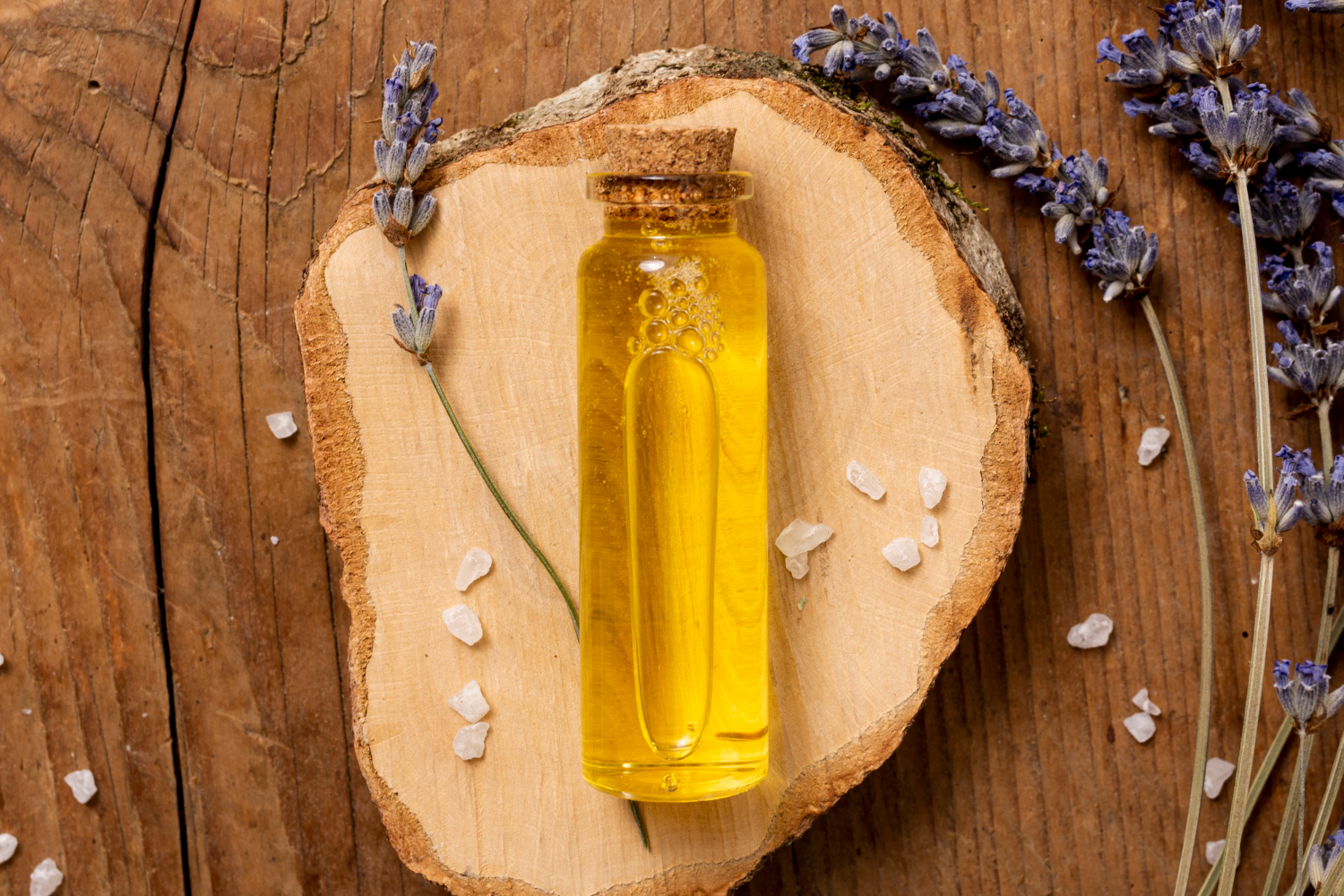


At a Glance
- Patchouli oil is an FDA-approved flavoring ingredient with over 140 identified bioactive compounds including patchouli alcohol, terpenoids, flavonoids, and alkaloids
- Primary benefits: anti-inflammatory, antimicrobial, antifungal, antidepressant, skin health, and insect repellent
- In aromatherapy, patchouli oil is used to relieve depression, stress, calm nerves, control appetite, and improve sexual interest
- Research is promising but most patchouli oil health benefits are still being formally studied; much evidence is from animal studies and small human trials
- Safe for topical use when diluted; not recommended for oral consumption in medicinal amounts
- North America holds 35% of the global patchouli oil market; the essential oil market overall is growing at over 9% CAGR
- Not advised for children under six or pregnant women without medical guidance
Patchouli oil has been used in traditional medicine across South and Southeast Asia for centuries. In India and China it was a remedy for colds, headaches, nausea, and snake bites. It protected silk shipments on trade routes from insects. It became shorthand for the 1960s counterculture in the West. And now, in 2026, it is a serious ingredient in US wellness, personal care, and aromatherapy markets, backed by a growing body of scientific research that is finally catching up with what traditional medicine practitioners have known for generations.
Patchouli oil is an essential oil derived from the leaves of the patchouli plant, a type of aromatic herb, and in recent years researchers have been actively investigating many of its uses and benefits. The honest picture: some benefits are well supported, some are promising but need more human studies, and a few are largely anecdotal. This article covers all three categories so US consumers and wellness brands know what they are actually working with.
Patchouli Oil Benefits: What the Research Shows
P. cablin contains different biologically active compounds including alcohols, terpenoids, flavonoids, organic acids, phytosterols, lignins, aldehydes, alkaloids, and glycosides, which possess many biological activities such as anti-inflammatory, antioxidant, anti-mutagenic, antimicrobial, antidepressant, anti-cancer, anti-emetic, antiviral, and cytotoxic properties. That is a wide spectrum. Here is how each major benefit area breaks down.
Anti-Inflammatory Properties
This is one of the most researched patchouli oil benefits and one with reasonably solid backing. Several studies have demonstrated that patchouli oil has an anti-inflammatory effect. A study found that one component of patchouli oil decreased chemically induced swelling, and a 2011 study reported that pretreating immune cells called macrophages with patchouli alcohol lowered the levels of inflammatory molecules produced by the cells when they were stimulated.
Patchouli oil has antiphlogistic properties, meaning it has the power to soothe inflammation in the body. With inflammation at the root of most chronic disease, patchouli oil can address both internal inflammation in conditions such as arthritis and gout, and external inflammation present in skin infections or irritations.
How to use it for inflammation:
- Dilute 3 to 5 drops in a carrier oil like jojoba or coconut oil
- Massage directly onto inflamed joints or irritated skin areas
- Use in a warm bath with 10 drops for general inflammation relief
Mood, Stress, and Antidepressant Effects
Patchouli oil is commonly used in aromatherapy due to its depressant-remedying properties. Because of the impact that inhaling patchouli oil has on hormones, it encourages the release of serotonin and dopamine, which ease feelings of anger, anxiety, and anxiousness.
A 2020 randomized controlled trial published in the Journal of Alternative and Complementary Medicine found that short-term inhalation of patchouli oil reduced stress levels and improved quality of professional life in emergency nurses. That is a meaningful real-world population. Early research also suggests that inhaling patchouli oil may reduce stress when used for two days, though it is unclear if the benefit is maintained beyond that period.
The mechanism here is direct. Inhaled aromatic compounds interact with the olfactory system, which has direct pathways to the limbic system, the brain region governing emotion, memory, and stress response. Patchouli alcohol, the primary active compound, appears particularly active in these pathways.
Antimicrobial and Antifungal Activity
Patchouli oil might help fight certain kinds of bacterial and fungal infections and may also reduce inflammation. Studies into patchouli oil have found that it can offer strong antimicrobial properties, with researchers finding that bacterial and fungal activity could be addressed with the oil, offering good levels of protection against infection.
Practical applications that follow from this research:
- Topical diluted application for minor skin infections and fungal conditions like athlete’s foot
- Addition to natural cleaning product formulations as an antimicrobial fragrance ingredient
- Use in personal care products like deodorants and facial cleansers where antimicrobial function is desired
Patchouli oil’s antifungal properties make it useful in treating athlete’s foot, and it also helps alleviate signs of dandruff in hair, as it balances oiliness and builds strength.
Skin Health
Patchouli oil has the potential to treat conditions such as eczema, dermatitis, and acne vulgaris. It provides a defensive barrier against bacteria living on the skin from causing skin infections or acne, soothes irritated skin, and makes it soft and supple. Patchouli oil is now a common inclusion in various skincare products and brands of creams and lotions for its versatile skincare benefits.
The astringent qualities of patchouli oil allow it to keep the skin looking tight and youthful. Topical application also helps with the regeneration of new skin cells, leaving the skin looking fresher and brighter. Its antibacterial properties possess the ability to clean pores whilst its antifungal qualities reduce the symptoms of athlete’s foot.
In formulation, patchouli oil brings multiple functions to skincare products simultaneously: fragrance, mild antimicrobial action, anti-inflammatory support, and astringency. This is why clean beauty brands use it not just for scent but for functional purposes.
Natural Insect Repellent
Early research shows that applying patchouli oil to the skin can repel mosquitoes for about two hours. Applying patchouli oil in combination with turmeric oil and another oil might work for even longer.
According to a study published in 2003, the application of patchouli oil showed it to be a highly effective termite repellent. For years people have also used patchouli oil to repel moths, ants, fleas, and mosquitoes. For US consumers looking for DEET-free insect repellent options, patchouli is one of several essential oils with legitimate research support, though the protection window of around two hours is shorter than synthetic repellents.
Anti-Aging: Emerging Research
A 2025 study published in the journal Life Sciences investigated patchouli essential oil’s anti-aging potential using C. elegans as a model organism. PEO modulated lifespan and healthspan extension of the worms, ameliorated senescence characteristics, and increased survival in stress resistance. The mechanism involves the JNK-1/DAF-16 pathway, which regulates antioxidant genes and stress response.
This is animal and in-vitro research, not human clinical data. But it is recent, published in a peer-reviewed journal, and points toward a mechanism worth watching as human studies develop.
Respiratory Health
Inhalation of patchouli essential oil significantly ameliorated the inflammatory response in cigarette smoke-induced COPD mice, leading to improved lung function. This 2024 Nature Scientific Reports study is one of the more interesting recent pieces of research on patchouli. The airway anti-inflammatory mechanism is consistent with its broader anti-inflammatory profile but applied to respiratory tissue. Again, mouse model data, not yet replicated in human trials.
Patchouli Oil Health Benefits in Traditional and Modern Use
In traditional medicinal practices, patchouli is used to treat colds, headaches, fever, nausea, vomiting, diarrhea, abdominal pain, insect and snake bites. Modern evidence does not yet fully validate all of these applications, but several overlap with the pharmacological research now emerging.
The traditional uses that have the most modern research alignment:
| Traditional Use | Research Status |
| Depression and anxiety relief | Supported by animal studies and one RCT in humans |
| Anti-inflammatory for pain | Supported by multiple in-vitro and animal studies |
| Antimicrobial and antifungal | Supported by laboratory studies |
| Insect repellent | Supported by field research, two-hour window confirmed |
| Digestive complaints | Some animal study support; limited human data |
| Skin conditions | Strong anecdotal and formulation evidence; growing lab research |
How to Use Patchouli Oil Safely?
You can apply the diluted oil to your skin or use it for aromatherapy. Much of the evidence for the benefits of patchouli oil is anecdotal but some promising research is beginning to show anti-inflammatory, antimicrobial, and pain-relieving properties.
For aromatherapy and diffusion:
- Add 3 to 5 drops to a diffuser with water
- Run for 30 to 60 minutes at a time, not continuously
- Works well blended with lavender, bergamot, sandalwood, or frankincense
For topical use:
- Always dilute before skin application. Dilution ratio: 1 to 3% in a carrier oil (6 to 18 drops per ounce of carrier oil)
- Do a patch test 24 hours before full application, especially on sensitive skin
- Common carriers: jojoba, coconut, almond oil
For hair and scalp:
- Add 2 to 3 drops to your regular shampoo or conditioner to address dandruff and oily scalp
- Can also be mixed into a scalp massage oil
Safety, Side Effects, and Who Should Be Careful
Patchouli oil is regarded as safe when used in regulated amounts. It is not advised for children who are under the age of 6. There is not a lot of scientific evidence to support the safety of patchouli oil for children and women who are pregnant or breastfeeding, so if you plan to use the oil, regulate the doses. Because it works as a sedative, in large amounts it can alter your energy levels. It can also cause sensitivity when used topically in large amounts.
Key safety points:
- Never take patchouli oil by mouth in medicinal amounts. Food-flavoring amounts used in manufacturing are considered safe but therapeutic oral dosing lacks sufficient safety data
- Start with a low dilution (1%) and increase gradually if no reaction occurs
- The FDA does not regulate essential oil purity or quality, so source matters. Look for GC/MS tested, third-party verified oils with clear country of origin (Indonesian patchouli is the global standard for quality)
- People on sedative medications should use with caution given patchouli’s sedating properties at higher amounts
U.S. Wellness Market: Where Patchouli Fits in 2026
The US essential oils and natural wellness market has seen consistent growth driven by three converging forces: the post-pandemic wellness boom, the clean beauty movement away from synthetic fragrance, and rising consumer interest in plant-based functional ingredients.
Patchouli oil sits at the center of all three. It is used in:
- Aromatherapy products – Diffuser blends, roll-ons, inhalers, and meditation oils where its grounding quality is the primary appeal
- Natural personal care – Deodorants, face oils, shampoos, and body washes where it provides functional antimicrobial benefit alongside fragrance
- Clean beauty formulations – As a natural base-note fragrance alternative to synthetic musks and woody accords
- Supplements and functional wellness – Increasingly in adaptogen and mood-support blends as the stress-relief research gains awareness
- Natural cleaning products – As an antimicrobial fragrance ingredient in plant-based household cleaners
The US aromatherapy market alone is expected to surpass USD 3 billion by 2028. Patchouli’s role is expanding within that, driven by increasing consumer familiarity and a generational shift in perception. For younger US consumers who did not grow up associating patchouli with the 1970s, the scent reads as warm, earthy, and grounding rather than dated, which has opened up entirely new product positioning opportunities for brands.
Conclusion
Patchouli oil benefits span a wider range than most consumers realize and a narrower range than some wellness marketing suggests. The anti-inflammatory, antimicrobial, and mood-support evidence is solid enough to warrant serious consideration in both personal use and formulation. The anti-aging and respiratory research is early but genuinely interesting. The traditional uses for digestive complaints and fever have some scientific plausibility but still need proper human trial data.
For US consumers choosing an oil, quality and sourcing transparency matter most. For brands formulating with it, Indonesian-sourced patchouli with verified patchoulol content, GC/MS testing, and organic certification gives you both the performance and the label story that the US clean beauty and wellness market expects. For manufacturers and formulators sourcing certified patchouli oil, essential oil blends, or botanical extracts at scale, Elchemy connects buyers with verified essential oil manufacturers USA brands trust, offering full quality documentation and consistent supply chains built for the American market.