

At a Glance
| Key Point | Detail |
| Market size (2024) | USD 1.23 billion globally; North America holds 35% share |
| Growth projection | USD 2.56 billion by 2033, growing at 9.2% CAGR |
| Primary compound | Patchoulol, a sesquiterpene alcohol that drives scent and therapeutic properties |
| Key benefits | Stress relief, skin health, antifungal, natural insect repellent, mood grounding |
| Best blends with | Sandalwood, bergamot, lavender, rose, geranium, clary sage, frankincense |
| Two main types | Dark patchouli (aged, richer) and light patchouli (fresher, cosmetics use) |
| Skincare adoption | 31% of new skincare brands now include patchouli in their formulations (2024) |
Patchouli oil has a reputation that precedes it. Most people either love the deep, earthy, almost smoky scent or find it overwhelming on first encounter. But here is the thing: in the US wellness and personal care market right now, patchouli oil aromatherapy is having a serious moment. Not a nostalgic comeback tied to 1970s counterculture, but a genuine, data-backed surge driven by the clean beauty movement, rising interest in holistic wellness, and a growing consumer preference for plant-based ingredients.
The patchouli essential oil market was valued at USD 1.23 billion in 2024 and is projected to reach USD 2.56 billion by 2033, growing at a CAGR of 9.2%. Around 53% of consumers are now choosing patchouli oil specifically for relaxation, stress relief, and mental well-being. For brands and formulators, this is not a niche ingredient anymore. It is a mainstream one.
What Makes Patchouli Oil Work in Aromatherapy
Patchouli oil’s primary active compound is patchoulol, a sesquiterpene alcohol that gives the oil its distinctive grounding scent and drives most of its therapeutic properties. In early 2024, Firmenich announced a patented extraction technology achieving 19% higher patchoulol concentration in its patchouli oil, improving both the potency and stability of the oil for high-performance skincare and therapeutic applications.
The oil is extracted through steam distillation of dried patchouli leaves. Drying is actually important here. Fresh leaves produce a lower quality oil. The longer the leaves are dried and fermented before distillation, the richer and more complex the resulting oil, which is why aged dark patchouli commands premium prices in perfumery and high-end aromatherapy.
Two main types used commercially:
- Dark patchouli oil: Aged longer, distilled in iron vats, deeper and earthier aroma. Used in high-end perfumery and therapeutic applications.
- Light patchouli oil: Steam distilled in stainless steel, lighter and more herbaceous. Preferred in cosmetic formulations where a subtler scent is needed.
Patchouli Oil Aromatherapy Benefits
Stress Relief and Emotional Grounding
This is the benefit most people associate patchouli with, and it is well supported. Patchouli oil is often used in aromatherapy for its calming and grounding scent, which can help promote relaxation, reduce stress, and alleviate anxiety. The patchoulol compound interacts with the limbic system when inhaled, which is the part of the brain that regulates emotions, memory, and stress responses.
In practice this means:
- Diffusing patchouli in the evening can help signal the body to wind down
- Applied to pulse points, it works as an on-the-go calming tool
- Particularly effective for anxiety tied to overthinking and mental overwhelm
- Often used in meditation spaces because the scent encourages staying present
Skin Benefits
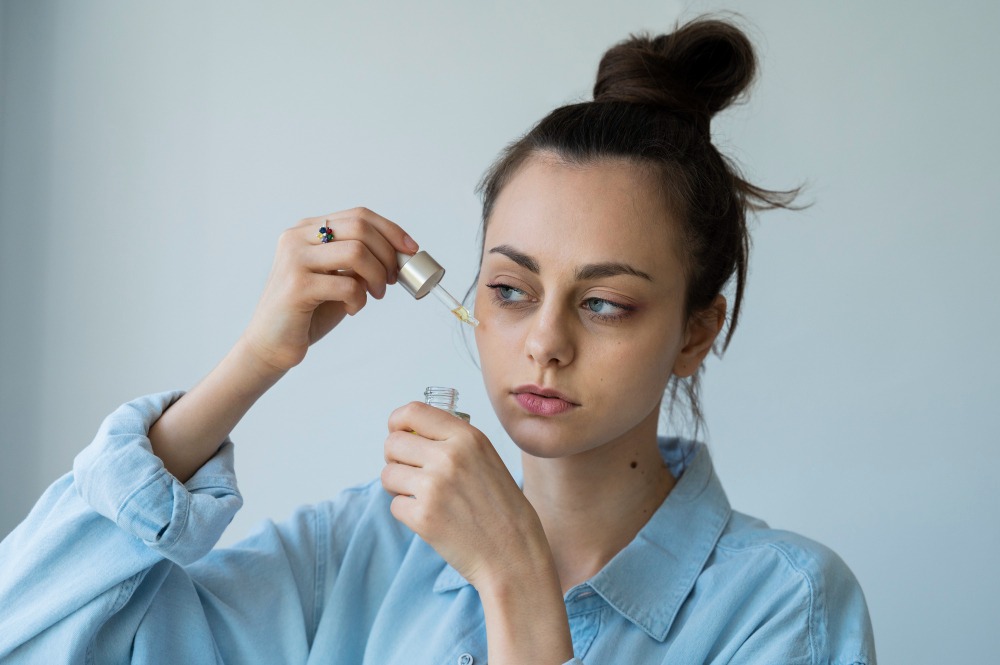
Patchouli oil has antioxidant activity and showed a significant decrease in wrinkle scores in patients in clinical study, working on skin by combating signs of aging. It also helps balance the skin’s oil production, making it one of those rare oils that works for both dry and oily skin types depending on how it is formulated.
Known skin benefits backed by use and research:
- Anti-inflammatory action that helps with acne, eczema, and dermatitis
- Antifungal properties useful in treating minor skin infections
- Promotes cell regeneration, which supports wound healing and scar fading
- Traditionally used to help detoxify skin by interacting with the skin’s glands
Anti-inflammatory and Antifungal Properties
Patchouli oil acts as an antifungal agent, pain reliever, and potential treatment for skin conditions like dermatitis, acne, and dry skin. It also aids in alleviating cold symptoms, headaches, stomach upset, depression, and stress-related anxiety.
These properties make it relevant beyond just personal care. In traditional medicine across Southeast Asia, patchouli has been used to treat fevers, nausea, and headaches for centuries. The science behind these applications is still being studied, but the traditional use record is long.
Natural Insect Repellent
This one surprises people. Insects are deterred by patchouli oil, making it an effective insecticide and antibacterial agent, and historically it was used to protect silk and textiles during transport from Asia to Europe. Today it shows up in natural insect repellent formulations and household cleaning products as a functional fragrance with a purpose.
Mood and Confidence
Patchouli oil is particularly valued for its calming, grounding, and antidepressant effects. Diffusing patchouli in workspaces has been linked to better focus and reduced mental fatigue. Some aromatherapists use it specifically for confidence and self-assurance work because the oil has a centering quality that reduces scattered, anxious thinking.
Best Patchouli Oil Blends for Aromatherapy
Patchouli is a base note oil. On its own, the scent is strong and can feel heavy. The real magic happens when it is blended. A few drops of patchouli will anchor a blend and keep lighter scents from evaporating too quickly, rounding out the overall profile.
| Blend Purpose | Oils Used | Drops Ratio |
| Evening relaxation | Patchouli, lavender, bergamot | 3:3:2 |
| Meditation and focus | Patchouli, cedarwood, frankincense | 3:2:2 |
| Natural perfume (skin) | Patchouli, ylang ylang, sweet orange, rose geranium | 4:4:3:3 |
For Relaxation and Stress Relief
Patchouli blends well with sandalwood, bergamot, peppermint, geranium, lavender, rose, and clary sage for diffusion. A simple evening blend of 3 drops patchouli, 3 drops lavender, and 2 drops bergamot covers grounding, floral, and citrus notes in a balance that is warm and calming without being heavy.
For Meditation and Focus
A woody, grounding blend of patchouli, cedarwood, and frankincense is widely used in yoga studios and meditation spaces. The frankincense deepens the contemplative quality of patchouli without competing with it. Try 3 drops patchouli, 2 drops cedarwood, 2 drops frankincense in a diffuser for a 30-minute session.
For a Natural Perfume or Skin Application
Patchouli blends well with citrus scents like lemon, tangerine, and orange as well as floral scents like lavender, ylang ylang, and rose. A wearable skin blend diluted in jojoba or fractionated coconut oil at 2 to 3%: 4 drops patchouli, 4 drops ylang ylang, 3 drops sweet orange, 3 drops rose geranium.
The ylang ylang acts as a foundation for the blend, making it last longer, while the patchouli adds a grounding earthy spice.
Safety Note
Always dilute patchouli in a carrier oil before applying to skin. Typical dilution is 1 to 3%, roughly 6 to 18 drops per ounce of carrier oil. Avoid use during pregnancy without consulting a health professional. A patch test is advisable before full skin application, especially for those with sensitive skin.
The US Market: Why Demand Keeps Growing
North America currently accounts for the largest share of global patchouli oil demand. The growing popularity of essential oils in aromatherapy and high adoption of natural oils in personal care products are helping this region maintain its dominance in the global marketplace.
A few specific forces driving this:
- The post-pandemic wellness boom pushed essential oil adoption sharply higher across all demographics, not just traditional wellness consumers
- Clean beauty brands actively reformulating away from synthetic fragrance are turning to patchouli as a natural base note in perfumes and scented products
- 27% of total patchouli oil sales now happen through e-commerce, making it accessible to consumers who would never have found it in traditional retail
- Growing inclination toward organic and sustainably produced products means organic patchouli oil is increasingly preferred over conventional grades by both brands and end consumers
The cosmetics and personal care segment holds 36.2% of the global patchouli oil market in 2025, driven by rising demand for natural fragrances and the convergence of clean beauty with aromatherapeutic efficacy. Aromatherapy itself holds another 31% of consumption, making these two segments together the engine of the whole market.
Conclusion
Patchouli oil aromatherapy is no longer an edge case in the US wellness market. It sits at the intersection of several powerful trends: the move toward natural personal care, the growing understanding of aromatherapy’s real effects on stress and mood, and the clean beauty shift away from synthetic fragrance. For consumers, it is one of the most versatile and well-supported essential oils available at any price point.
For brands and formulators, the sourcing story matters as much as the chemistry. Indonesian-sourced patchouli with verified patchoulol content and organic certification is what the premium end of the market is asking for, and supply chain transparency is increasingly a purchase decision factor for US buyers. For manufacturers sourcing certified patchouli oil, essential oil blends, or related botanical ingredients at scale, Elchemy is the bulk essential oils supplier connecting buyers with full quality documentation and consistent supply chains built for the demands of the US personal care market.