

Paint removal often demands aggressive chemistry, and few solvents work as quickly as a methylene chloride paint stripper. For years, it has been used to remove thick coatings, epoxies, and industrial paints from metal, wood, and composite surfaces. Speed made it popular. Health risks changed everything.
In the United States, methylene chloride paint strippers are now tightly regulated due to their link to serious injuries and fatalities. Anyone handling these products today must understand where use is restricted, how exposure occurs, and how disposal is legally required.
This guide explains the chemical, its risks, current U.S. regulations, safe handling practices where permitted, and compliant disposal methods.
What is methylene chloride paint stripper
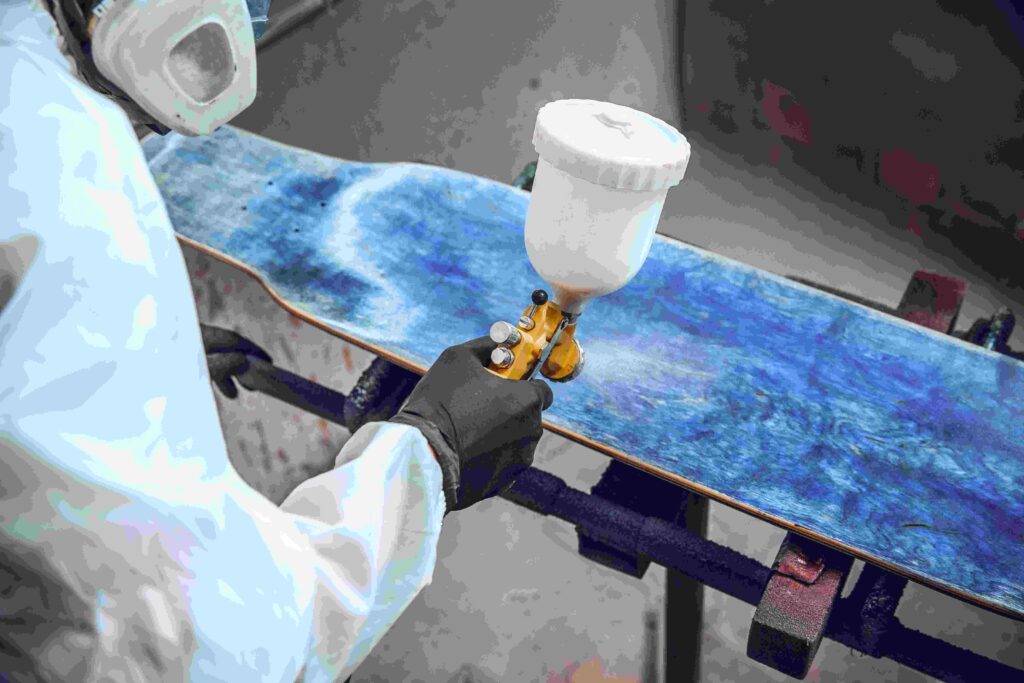
A methylene chloride paint stripper is a solvent-based formulation that penetrates paint films and breaks adhesion to the substrate. The coating swells and loosens, allowing removal with minimal mechanical force.
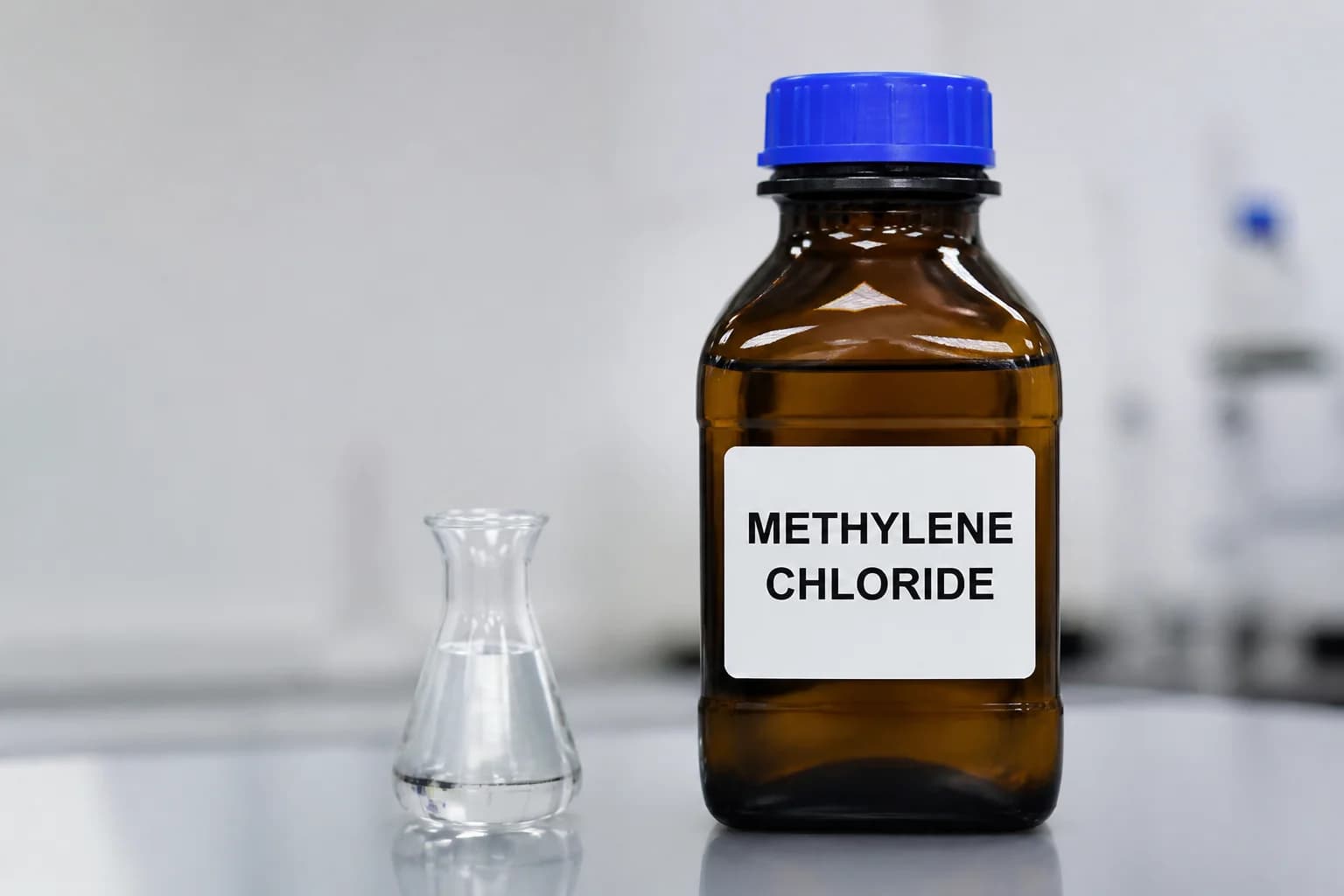
Methylene chloride is a chlorinated solvent with a low boiling point. It evaporates quickly and produces heavy vapors that can displace oxygen in enclosed or low-ventilation areas. That physical behavior is central to its safety concerns.
Historically, it was used across:
- Furniture and antique refinishing
- Aircraft and automotive maintenance
- Industrial equipment cleaning
- Bathtub and tile resurfacing
Most of these applications are now restricted or banned in the U.S.
Why methylene chloride is considered high risk?
The health hazards of methylene chloride are well documented and severe. Exposure does not require long durations or high awareness to become dangerous.
When inhaled, methylene chloride is metabolized into carbon monoxide. This reduces oxygen delivery to vital organs and places strain on the heart and nervous system. High concentrations can cause collapse without warning.
Key risks include:
- Rapid loss of consciousness
- Cardiac stress and arrhythmia
- Respiratory failure
- Chemical skin burns
- Increased cancer risk from chronic exposure
Confined spaces amplify these risks. Bathrooms, tanks, pits, and small workshops are especially dangerous environments.
U.S. regulatory status and restrictions
U.S. regulators have taken decisive steps to limit exposure to methylene chloride paint stripper products.
Federal actions
- 2019: Consumer sales of methylene chloride paint removers banned by the EPA
- 2024: Expanded EPA rule prohibiting most industrial and commercial uses
- OSHA: Enforces a dedicated methylene chloride standard for workplaces
Only narrowly defined industrial uses may continue, and only under strict compliance programs.
What this means in practice
- Consumers cannot legally buy or use these products
- Contractors must verify that use is allowed before handling
- Employers must document exposure controls and training
- Legacy inventory cannot be used casually
Non-compliance can result in enforcement action, fines, and liability exposure.
methylene chloride stripper
The term methylene chloride stripper is still widely found on older labels, safety data sheets, and warehouse inventories. Many facilities encounter these products during cleanouts or audits.
Any product identified as a methylene chloride stripper should be treated as hazardous until proven otherwise. Most are legacy materials that predate current regulations.
If discovered:
- Do not open or use the product
- Isolate the container in a ventilated area
- Verify regulatory allowance before any handling
- Plan disposal rather than consumption
Using these products without confirmation can violate both EPA and OSHA rules.
Safe handling where limited use is permitted
In rare cases where methylene chloride use is still allowed, safety controls must be comprehensive. Partial measures are not acceptable.
Engineering controls
Ventilation is mandatory and must be designed for solvent vapors.
Required controls often include:
- Local exhaust ventilation at the source
- Enclosed application systems
- Continuous or periodic air monitoring
- Restricted access to work areas
General room ventilation alone is not sufficient.
Administrative controls
Written procedures must define how exposure is managed.
These typically cover:
- Authorized personnel only
- Time limits for tasks
- Confined space entry protocols
- Emergency response procedures
- Medical surveillance programs
Training must be documented and refreshed regularly.
Personal protective equipment
Standard PPE is not adequate for methylene chloride.
Protection typically requires:
- Supplied-air or approved respirator systems
- Chlorinated solvent-resistant gloves
- Chemical splash goggles or face shields
- Protective clothing to prevent skin contact
Incorrect glove material or respirator selection can create a false sense of safety.
Common exposure routes and controls
| Exposure Route | Risk Description | Primary Control Measure |
| Inhalation | Rapid vapor buildup in enclosed areas | Local exhaust ventilation, respirators |
| Skin contact | Chemical burns and absorption | Solvent-resistant gloves and clothing |
| Eye contact | Severe irritation and injury | Goggles and face shields |
| Container leaks | Vapor release during storage | Sealed containers, ventilated storage |
Each route must be addressed simultaneously for controls to be effective.
Why consumers should never use it
There is no safe consumer-use scenario for methylene chloride paint strippers. DIY environments lack industrial ventilation and monitoring systems.
Many recorded fatalities occurred during:
- Bathroom refinishing
- Basement paint removal
- Garage stripping projects
These incidents directly influenced the consumer ban. If a homeowner finds an old product, disposal is the only lawful and safe option.
Disposal requirements in the U.S.
Disposal rules for methylene chloride are strict and often misunderstood.
Once discarded, these products typically qualify as hazardous waste. Improper disposal can contaminate water systems and expose sanitation workers.
Household disposal
Households must use designated household hazardous waste programs.
Key points:
- Never pour into drains or trash
- Keep containers sealed and upright
- Deliver directly to approved collection sites
- Follow local instructions for transport
Most counties offer periodic collection events.
Commercial and industrial disposal
Businesses must follow hazardous waste regulations.
Requirements include:
- Use of licensed hazardous waste contractors
- Proper labeling and storage
- Waste manifests and documentation
- Regulated handling of empty containers
Even residual solvent in “empty” cans can trigger regulatory requirements.
Comparison: use vs disposal decision
| Situation | Allowed Action |
| Legacy consumer product | Disposal only |
| Unverified industrial inventory | Isolate and assess |
| Permitted industrial use | Controlled handling |
| Unknown container contents | Treat as hazardous waste |
When in doubt, disposal is safer than use.
Emergency response basics
Emergency preparedness is critical wherever methylene chloride is present.
Inhalation exposure requires immediate movement to fresh air and emergency medical attention. Rescue attempts without protection are extremely dangerous.
Skin exposure requires flushing and removal of contaminated clothing. Large spills require evacuation and trained responders equipped with proper respiratory protection.
Written emergency plans should be accessible and rehearsed.
Industry transition to safer alternatives
The decline of methylene chloride paint stripper use has accelerated adoption of alternatives.
Common substitutes include:
- Benzyl alcohol-based strippers
- Water-based stripping systems
- Mechanical and abrasive removal
- Heat-assisted paint removal tools
While some alternatives work slower, they significantly reduce health, regulatory, and disposal burdens.
Conclusion
A methylene chloride paint stripper is effective but exceptionally hazardous. U.S. regulations reflect the risks, with consumer use banned and industrial use tightly controlled.
Safe handling requires engineered ventilation, trained personnel, specialized PPE, and continuous oversight. Disposal must follow hazardous waste rules at both household and commercial levels.
For most users, elimination is the best strategy. Where methylene chloride remains in legacy stock, responsible disposal protects workers, communities, and compliance standing.