

At a Glance
- Licorice root has been used since ancient Egyptian, Roman, Greek, and Chinese medicine for throat infections, respiratory health, liver disease, and skin conditions
- Modern research covers licorice root use across respiratory, gastrointestinal, cardiovascular, and genitourinary systems
- Primary active compounds: glycyrrhizin, glabridin, liquiritin, and licochalcone A, each driving different benefits
- Glabridin inhibits tyrosinase, the enzyme responsible for melanin production, making it one of the most studied natural skin-brightening compounds available
- Oral licorice products without glycyrrhizin, called deglycyrrhizinated licorice or DGL, may be safe for up to four months for digestive use
- Licorice contains glycyrrhizin which can cause serious adverse effects including irregular heartbeat at high doses or in people with hypertension, heart, or kidney conditions
- Available as root powder, standardized extract, DGL tablets, liquid extract, tincture, and topical preparations
Licorice root is one of those ingredients that keeps showing up across completely different contexts and it fits in all of them. In your dermatologist’s recommended dark spot serum. In a digestive supplement for acid reflux. In an old Ayurvedic formula for coughs. In a Korean beauty essence for uneven skin tone. There are more than 30 species of the Glycyrrhiza genus, and licorice has been the most prescribed herb in ancient Egyptian, Roman, Greek, East Chinese, and Western medicine systems for thousands of years.
That kind of historical track record either means something or it is the world’s longest-running placebo effect. In licorice root’s case, modern science has been steadily validating the traditional uses while also identifying exactly which compounds are responsible for which effects. The result is an ingredient with clearly defined active chemistry, a genuinely useful range of applications, and a safety profile that requires some real attention before you start reaching for high doses.
What Is Inside Licorice Root Extract?
The key components of licorice root that make it effective include glycyrrhizin, the primary active ingredient and a potent anti-inflammatory; glabridin, a flavonoid that inhibits melanin production; liquiritin, which has antioxidant and anti-inflammatory properties and disperses existing melanin; and licochalcone A, a polyphenol with antioxidant, anti-inflammatory, and antibacterial properties.
Each compound drives a different set of uses:
| Compound | Primary Activity | Where It Shows Up |
| Glycyrrhizin | Anti-inflammatory, antiviral, demulcent | Digestive, respiratory, oral health products |
| Glabridin | Tyrosinase inhibitor, antioxidant | Brightening serums, dark spot treatments |
| Liquiritin | Melanin dispersal, anti-inflammatory | Skin tone evening products |
| Licochalcone A | Antimicrobial, anti-inflammatory, oil control | Acne products, sensitive skin formulas |
| Isoliquiritigenin | Antioxidant, anti-inflammatory | Cosmeceutical and research applications |
Understanding this separation matters practically. A licorice root extract standardized for glabridin content is a different product from a glycyrrhizin-containing whole root extract. They are not interchangeable and their risk profiles are not the same.
Licorice Root Extract Uses in Skincare
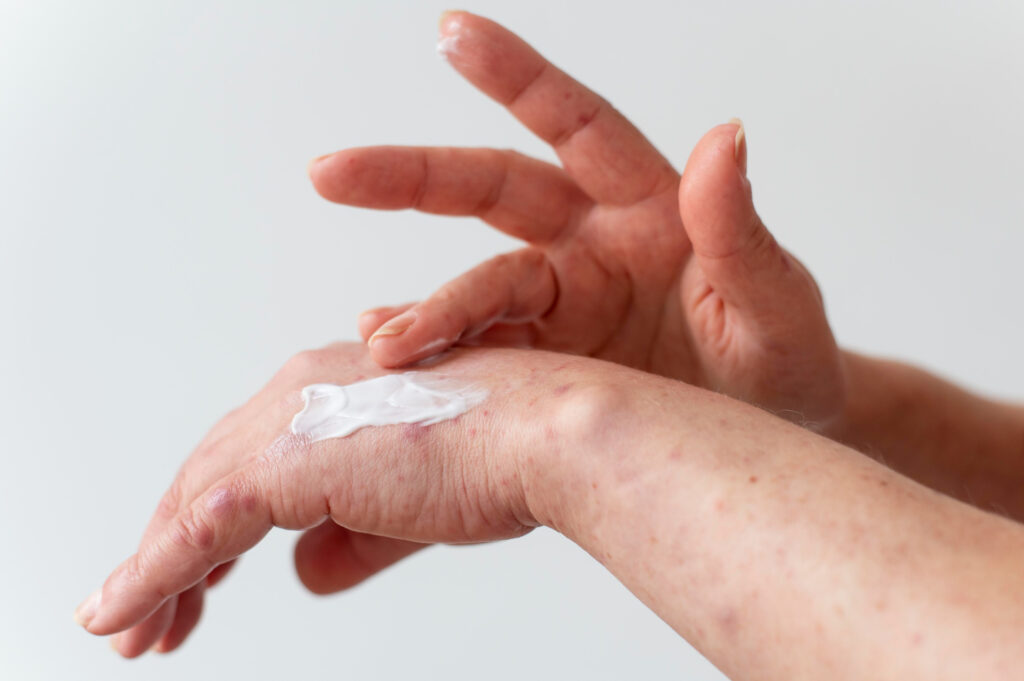
This is where the ingredient has genuinely taken off in the US market, driven by the Korean beauty wave and growing demand for natural brightening alternatives to hydroquinone.
Skin Brightening and Dark Spot Treatment
Licorice root has become a well-known natural solution for dark spots, age spots, oily skin, and splotchy skin, with active compounds like glabridin and liquiritin naturally brightening and soothing the skin via their effects on dispersing and removing excess melanin.
The mechanism is specific and well understood. Glabridin inhibits tyrosinase, the enzyme that helps make melanin, which is responsible for skin pigmentation. By inhibiting this enzyme, glabridin helps to treat hyperpigmentation and age spots. Liquiritin works differently: rather than stopping melanin production, it disperses existing melanin already deposited in the skin.
Licorice root extracts protect the skin against oxidative stress injuries, accelerate wound epithelization, and efficiently reduce the symptoms of atopic dermatitis.
Soothing Inflammation and Reactive Skin
Glycyrrhizin and licochalcone A help to reduce redness, swelling, and irritation, making licorice root particularly useful for conditions like rosacea, eczema, and dermatitis. For people with sensitive, reactive skin who cannot tolerate stronger actives, licorice root extract offers meaningful anti-inflammatory benefit without the risk of further irritation.
Licorice extract is especially appreciated for its dual action: calming skin inflammation while regulating pigmentation, all without irritation, and is widely used in brightening, anti-redness, and post-care products.
Acne-Prone and Oily Skin
Licochalcone A is known for its anti-inflammatory and antibacterial properties and is especially beneficial for acne-prone skin. It not only soothes inflammation associated with breakouts but also regulates oil production, helping to prevent future blemishes.
Licorice extract is non-comedogenic, meaning it does not clog pores, and is also an unlikely allergen, meaning only in rare cases does it cause an allergic reaction. That non-comedogenic profile combined with oil control and antibacterial activity makes it one of the more complete natural options for acne formulations.
Anti-Aging and Collagen Support
Antioxidants in licorice help fight signs of aging by reducing free radical damage, dispersing and eliminating excess melanin, supporting collagen and elastin production, and brightening skin. The antioxidant effect from polyphenols and flavonoids is broad-spectrum, helping protect against both UV-driven and pollution-driven oxidative damage.
How to Use Licorice Root Extract in Skincare
Adding licorice root extract to a skincare routine is simple. Serums and essences tend to offer higher concentrations, making them great for targeting specific concerns like dark spots. Moisturizers or creams combine licorice’s soothing properties with hydration, perfect for sensitive or reactive skin types.
Practical application tips:
- Morning use pairs well with SPF as an antioxidant boost. UV rays are the primary driver of hyperpigmentation so pairing licorice with sunscreen makes sense
- Evening use helps calm skin after environmental exposure
- Visible brightening or fading of dark spots typically takes about four to eight weeks of consistent use, so patience is part of the protocol
- Works well combined with vitamin C or niacinamide for enhanced brightening
- When scanning labels, look for Glycyrrhiza glabra root extract near the top of the ingredient list, which indicates a meaningful concentration
Licorice Root Liquid Extract Benefits: Internal Health Uses
Digestive Health
Licorice may help soothe mild upper digestive irritation and can support short-term relief of dyspepsia-like symptoms. The demulcent properties of glycyrrhizin coat and soothe the mucous membranes of the gastrointestinal tract.
For people specifically dealing with acid reflux or gastric discomfort, DGL (deglycyrrhizinated licorice) is the recommended form for ongoing use because the glycyrrhizin has been removed, eliminating the blood pressure risk while retaining most of the gut-soothing activity.
DGL chewable tablets are commonly used at 380 to 400 mg before meals and at bedtime for short courses. The licorice root liquid extract benefits for digestion are most practical in this DGL form for anyone planning to use it regularly.
Respiratory Support
One of the most traditional licorice root health benefits is its effect on respiratory wellness. It acts as a powerful expectorant and demulcent, helping to soothe irritated airways and promote clear breathing. The active compounds in licorice, primarily glycyrrhizin and flavonoids, work to thin mucus, making it easier to expel, while also reducing inflammation in the bronchial tubes.
This is one area where the traditional use and modern mechanistic evidence align well. Licorice has been used in cough formulas and throat lozenges across many cultures for good reason. What it does not do is treat serious respiratory infection or asthma. The use case is soothing, comfort-level support for irritated airways, not pharmacological intervention.
Oral Health and Canker Sores
Licorice mouth rinse or gargle might reduce ulcer size and pain in people with recurrent canker sores, while topical licorice might reduce ulcer size only. In one study, using a licorice extract in combination with a medicine to treat canker sores was more effective than using the medicine alone.
The use of a licorice gargle or licorice lozenges before surgery might help to prevent or lessen the severity of sore throat following intubation. This last application has actual clinical trial support and is used in some anaesthetic protocols.
Forms of Licorice Root Extract: Which One for What
| Form | Key Feature | Best Use | Glycyrrhizin Present |
| Whole root powder | Full compound profile | Short-term internal use, teas | Yes |
| Standardized extract | Specified glycyrrhizin % | Research-backed dosing | Yes |
| DGL tablets or chewables | Glycyrrhizin removed | Long-term digestive use | No |
| Liquid extract / tincture | Fast absorption, flexible dosing | Digestive, respiratory, oral | Yes unless stated |
| Topical extract (cosmetic grade) | Standardized for glabridin | Skincare formulations | Minimal |
Liquid licorice at a 10:1 concentration provides 2,000 mg of licorice root extract in a daily serving in fast-absorbing liquid form, suitable for digestive and respiratory support.
One practical note on liquid extract cycling: Licorice is best taken in a cycle of two weeks on, then two weeks off when using glycyrrhizin-containing forms to avoid the cumulative blood pressure and electrolyte effects.
Conclusion
Licorice root extract uses span a wider range than most people expect from a plant that most Americans associate with candy. The skin brightening evidence is solid, the digestive support application is practical in DGL form, the respiratory and throat soothing uses are time-tested and mechanistically sensible, and the oral health research is genuinely interesting. The licorice root liquid extract benefits for internal use are real, provided you are clear on which form you are taking and whether your health profile makes glycyrrhizin exposure appropriate.
For cosmetic formulators, supplement manufacturers, and personal care brands sourcing standardized licorice root extract, glabridin-rich fractions, DGL powder, or Glycyrrhiza glabra raw botanical material at commercial scale, Elchemy connects US buyers with verified global suppliers in India and globally offering complete technical documentation, standardized specifications, certificates of analysis, and supply chains built for the compliance demands of the American supplement and personal care market.