

At a Glance
| Key Point | Detail |
| What lecithin is | A fatty substance rich in phospholipids, found naturally in cells and sourced from soy, sunflower seeds, and eggs |
| Main types compared | Soy lecithin (most common, cheaper) vs sunflower lecithin (non-GMO, allergen-free, cleaner extraction) |
| Extraction difference | Soy uses hexane solvent extraction; sunflower uses cold-press, solvent-free process |
| Allergen status | Soy lecithin requires soy source labeling in the US; sunflower lecithin is hypoallergenic |
| Key health benefits | Brain health, heart health, liver support, digestion, and breastfeeding support (clogged ducts) |
| Choline content | Sunflower lecithin has higher choline than soy, important for brain and nerve function |
| FDA status | Both are GRAS under 21 CFR 184.1400; safe for intended food and supplement uses |
Most people have eaten lecithin today without knowing it. It is in chocolate, baked goods, salad dressings, plant-based milks, and dozens of other everyday foods as an emulsifier that keeps oil and water from separating. In supplement form, it is taken for brain health, cholesterol support, and liver function. For decades, soy lecithin was the default. But in the US right now, sunflower lecithin is gaining real ground, and the reasons go beyond just avoiding soy.
When people talk about lecithin vs sunflower lecithin, they are usually comparing soy-derived lecithin against the sunflower-derived version. Both are the same class of compound, a fatty substance rich in phospholipids, and both are FDA-recognized as safe. The differences come down to where they come from, how they are made, who they are suitable for, and some meaningful nutritional distinctions that matter more as clean-label and allergen-free products become mainstream in the US market.
Lecithin vs Sunflower Lecithin: The Core Differences
Both types share the same basic structure. Lecithin is a mixture of phospholipids including phosphatidylcholine, phosphatidylinositol, phosphatidylethanolamine, phosphatidylserine, and phosphatidic acid. The ratio of these phospholipids varies slightly between sources, and that variation drives most of the practical differences between the two.
| Feature | Regular Lecithin (Soy) | Sunflower Lecithin |
| Source | Soybeans | Sunflower seeds |
| Extraction method | Hexane solvent extraction | Cold-press, solvent-free |
| GMO status | Often GMO | Non-GMO |
| Allergen | Top 8 allergen in US; labeling required | Hypoallergenic |
| Choline content | Moderate | Higher |
| Cost | Lower | Slightly higher |
| Taste/odor | Mild beany note | Neutral, clean |
| Best for | Budget-conscious, general use | Clean-label, sensitive consumers, non-GMO |
Source and Where They Come From
Soy lecithin is a byproduct of soybean oil production. During oil refining, the crude soy oil is degummed by adding water, which separates the phospholipids. Those gums are then further processed with chemical solvents like hexane to isolate the lecithin. The process is efficient and low-cost, which is why soy lecithin became the global default.
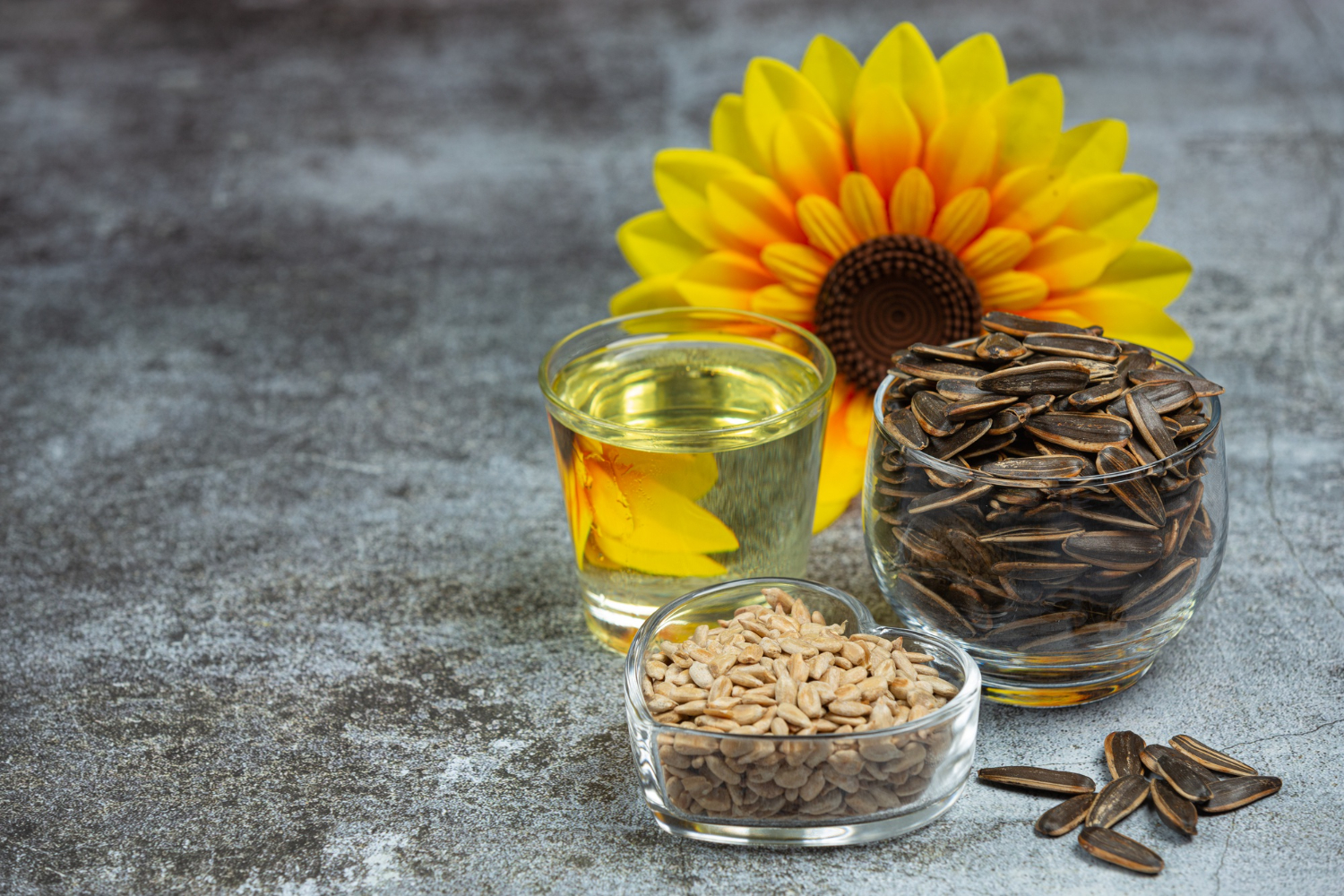
Sunflower lecithin starts with dried sunflower seeds, which are cold-pressed to separate into three fractions: oil, gum, and solid matter. The gum fraction is where the lecithin sits, and it is extracted without chemical solvents. This is why sunflower lecithin is consistently described as a cleaner product, the process does not introduce chemical residues and the phospholipids are better preserved.
Extraction Method and Why It Matters
The hexane used in soy lecithin production is a petrochemical solvent. While finished soy lecithin typically contains only trace amounts of hexane, the process raises concerns for consumers seeking clean-label or organic products. Sunflower lecithin is produced using water extraction or cold-press methods, entirely solvent-free. For manufacturers targeting natural and clean-label markets in the US, this is often the deciding factor.
Allergen Status
Soy is one of the eight major food allergens recognized by the FDA in the United States. US labeling law requires soy source disclosure for any ingredient derived from soy, including lecithin, so labels must say lecithin (soy) or include a Contains: soy statement. Most people with soy allergies tolerate soy lecithin because residual protein levels are very low, but a small subset of sensitive individuals may still react.
Sunflower lecithin carries no major allergen designation. It is considered hypoallergenic across the board, which makes it the standard choice for products targeting:
- People with soy allergies or sensitivities
- Vegan and plant-based consumers who want to avoid egg yolk lecithin
- Clean-label products that need to avoid allergen declarations
- Infant formula and children’s products where allergy caution is highest
GMO Status
The vast majority of soybeans grown in the US are genetically modified, around 94% according to USDA data. While the lecithin extraction process removes most of the GM protein, lecithin made from GMO soybeans cannot carry a Non-GMO Project Verified label. Sunflowers are not commercially grown as a GMO crop, which means sunflower lecithin is inherently non-GMO and can be certified as such without additional sourcing requirements.
Cost
Soy lecithin is cheaper. It is a byproduct of one of the world’s most produced crops, and production is highly efficient at scale. Sunflower lecithin commands a modest premium because of its non-GMO status, cleaner extraction, and the fact that sunflowers are not grown at the same global volume as soybeans. For food manufacturers with tight margins and no clean-label requirements, soy lecithin often wins on economics. For supplement and natural food brands, the premium for sunflower is worth it for what it adds to the label story.
Health Benefits: What the Research Actually Shows
Both types of lecithin share the same core health benefits because they share the same core phospholipid structure. The differences are in degree, particularly around choline content and the polyunsaturated fat profile of sunflower lecithin.
Brain and Cognitive Function
Phosphatidylcholine, the primary phospholipid in lecithin, is a precursor to acetylcholine, a neurotransmitter involved in memory, learning, and muscle control. This is the main mechanism behind lecithin’s reputation as a brain health supplement. Sunflower lecithin has higher choline content than soy lecithin, which makes it marginally better suited for cognitive support applications.
Nutrition experts recommend consuming around 1,200 mg of sunflower lecithin daily to promote neurological, brain, and muscle health. For soy lecithin, the dosing guidance is similar but the choline yield per gram is slightly lower.
Heart Health and Cholesterol
Research has shown lecithin supplementation can reduce LDL cholesterol while raising HDL cholesterol. Studies suggest the effect is driven by phosphatidylcholine’s ability to reduce how much cholesterol gets reabsorbed from the intestines. A 2024 randomized crossover study found that participants who ate a meal with 18 grams of sunflower lecithin showed improved glucose, insulin, and triglyceride levels compared to those who ate meals with rapeseed oil or white bread.
Sunflower lecithin’s higher polyunsaturated fatty acid content adds a secondary cardiovascular benefit. The polyunsaturated fats support healthy cholesterol levels and may reduce the risk of atherosclerosis. For heart health specifically, sunflower lecithin has a slight nutritional edge.
Liver and Digestive Health
About 70% of the total phospholipids in the intestinal mucus layer are made up of lecithin, forming a protective barrier that prevents harmful bacteria from invading the gut lining. Supplementing with lecithin supports this barrier, which is why it is sometimes used for digestive conditions like ulcerative colitis, Crohn’s disease, and irritable bowel syndrome.
For liver health specifically, lecithin supports fat metabolism and helps protect against fatty liver disease. Scientific research shows lecithin supplements are effective in protecting the liver, and this applies to both soy and sunflower sources equally.
Breastfeeding Support
This is a well-known and practically useful benefit. Sunflower lecithin can reduce the risk of clogged milk ducts by thinning breast milk, making it easier to flow. This specific use has made sunflower lecithin particularly popular among nursing mothers in the US, and it is widely recommended by lactation consultants as a natural, non-pharmaceutical option.
Difference Between Sunflower Lecithin and Sunflower Oil
This one comes up a lot because both come from the same seed. They sound similar. They are not. Sunflower oil and sunflower lecithin are completely different substances with very different compositions, extraction methods, and health effects.
| Property | Sunflower Oil | Sunflower Lecithin |
| Main composition | Fatty acids (high omega-6) | Phospholipids (phosphatidylcholine, PE, PI) |
| Extraction | Pressing or solvent extraction, often refined | Cold-press, solvent-free, minimal processing |
| Inflammation risk | High omega-6 can promote inflammation in excess | Anti-inflammatory phospholipids |
| Primary use | Cooking, frying, processed foods | Emulsifier, supplement, clean-label foods |
| Health impact | Risk of omega-6 imbalance | Supports cell health, brain, liver, heart |
Sunflower oil is predominantly fatty acids, most of which are omega-6. While omega-6 fatty acids are essential, most Americans already consume far too many relative to omega-3s, and an imbalanced ratio is associated with chronic inflammation. Sunflower lecithin, on the other hand, does not contain significant amounts of fatty acids. Its value comes from phospholipids, not from its oil content.
The difference between sunflower lecithin and sunflower oil also shows up in how each is processed. Sunflower oil is typically refined with heat and chemical solvents. Sunflower lecithin is cold-pressed and solvent-free. The result is that sunflower lecithin retains its natural phospholipid structure intact, while sunflower oil goes through processing that strips out much of its nutritional complexity.
So if you see sunflower oil and sunflower lecithin listed as separate ingredients on a label, they are genuinely different things. One is an emulsifier and phospholipid source. The other is a cooking fat.
Which One Should U.S. Consumers Choose
The answer genuinely depends on what you need. There is no universal winner here, but the decision tree is simple enough.
Choose Regular (Soy) Lecithin If
- Cost is a priority and you have no soy sensitivity
- You are using it as a food ingredient where allergen labeling is not a concern
- You need it in large volumes for food manufacturing where sunflower lecithin’s price premium adds up
- The product is not positioned as clean-label or non-GMO
Choose Sunflower Lecithin If
- You have a soy allergy or sensitivity, or you are formulating for that demographic
- Your product is non-GMO, organic, or clean-label positioned
- You are a nursing mother looking to prevent clogged milk ducts
- You want to avoid any potential chemical solvent residues from hexane extraction
- Your product is for infants, children, or highly sensitive consumers
- You prefer a slightly higher choline content for cognitive or neurological support
For most everyday wellness uses in the US, sunflower lecithin is the cleaner, more versatile choice. It does everything soy lecithin does, with a better allergen profile, a non-GMO status, and a gentler extraction method. The cost difference in supplement form is modest. For large-scale food manufacturing where cost is tighter, soy lecithin remains practical and effective.
Side Effects and Safety
Both soy and sunflower lecithin are FDA-recognized as generally safe for intended uses. At the amounts found in food products, neither causes side effects in the vast majority of people. At supplement doses, a few things are worth knowing.
Potential side effects at higher doses:
- Mild digestive discomfort including nausea, loose stools, or stomach cramps
- Headaches in rare cases with very high intake
- Sunflower seed allergy, while rare, can cause a reaction to sunflower lecithin
- Lecithin can interact with cholesterol and blood pressure medications due to its effects on fat metabolism, so consult a doctor if you are on these
The recommended daily intake is around 1,200 mg for therapeutic purposes. Most people tolerate this well. Going significantly above this without medical guidance is not recommended. Pregnant and breastfeeding women should consult a healthcare provider before starting lecithin supplementation, as robust safety data at high doses in these populations is still limited.
Final Word
The lecithin vs sunflower lecithin debate is not really a close contest for US consumers who care about clean ingredients. Sunflower lecithin offers the same emulsification and health benefits as soy-derived lecithin, with no allergen concerns, no GMO sourcing issues, and a production process that is gentler and free of chemical solvents. The only area where it falls behind is price, and for most consumers buying supplements or clean-label food products, the difference is marginal.
For food, supplement, and personal care manufacturers sourcing non-GMO sunflower lecithin, soy lecithin, or phospholipid ingredients at scale, Elchemy connects US buyers with verified global suppliers offering full technical documentation, certificates of analysis, and reliable supply chains built for the demands of the American market.