

At a Glance
- The global lecithin market was valued at USD 645.1 million in 2024 and is projected to reach USD 1,068.8 million by 2030 at a CAGR of 9.1% The US lecithin market is expected to grow at a CAGR of 5.7% from 2025 to 2030, driven by clean-label and supplement demand
- Lecithin is FDA-classified as GRAS under 21 CFR 184.1400 for food and supplement use
- Primary health benefits: cardiovascular support, brain function, liver health, digestion, and breastfeeding
- Food and beverages is the largest application segment, accounting for 46.4% of the lecithin market in 2025
- Available in liquid, powder, and granule forms, each suited to different industrial and consumer uses
- Sunflower lecithin is the fastest-growing source segment, expected to grow at 10.9% CAGR from 2025 to 2030
Most people have consumed lecithin today without knowing it. It is in chocolate bars, baked goods, margarine, salad dressings, infant formula, and plant-based milks. It keeps oil and water from separating, improves texture, and extends shelf life. For decades, it was just a functional food additive that nobody thought much about.
That changed as the supplement and wellness markets grew. Lecithin is a natural emulsifier commonly used in the preparation of food, cosmetics, and medications, and lecithin supplements are now widely used to treat high cholesterol and digestive issues and to prevent clogged milk ducts during breastfeeding. Understanding lecithin benefits, which ones are well-supported, which are still being studied, and how the ingredient works in food and supplement form, matters both for consumers and for manufacturers formulating products for the US market.
Lecithin Benefits: What This Ingredient Actually Does in the Body
Lecithin is a complex mixture of phospholipids, triglycerides, and glycolipids, with phospholipids being the primary component responsible for its unique properties. The phospholipids in lecithin, particularly phosphatidylcholine, are structural components of every cell membrane in the human body. This is not a minor role. Cell membrane integrity affects how nutrients enter cells, how waste exits, and how cells communicate.
Lecithin is converted into acetylcholine, a substance that transmits nerve impulses, which explains why it keeps showing up in research on cognitive function, memory, and neurological health. The choline lecithin provides is also essential for liver function, fat metabolism, and fetal brain development during pregnancy.
Heart Health and Cholesterol

Lecithin reduces excess low-density lipoproteins (LDL) while specifically promoting the synthesis of high-density lipoprotein (HDL) particles, contributing to cardiovascular well-being. This is probably the most researched of all lecithin benefits and the one with the strongest clinical backing.
In a 2008 study, participants took 500 milligrams of soy lecithin daily. After two months, average total cholesterol was reduced by 42 percent and LDL cholesterol by 56.15 percent. Those are significant numbers for a natural supplement. The mechanism works through an enzyme called lecithin cholesterol acyltransferase, or LCAT, which plays a central role in reverse cholesterol transport, the process by which excess cholesterol is removed from cells and returned to the liver for disposal.
Lecithin is an emulsifier that helps reduce fat absorption and facilitates its elimination, contributing to lowering bad cholesterol and maintaining good cholesterol levels. However, moderation is recommended, as excessive choline metabolism can increase TMAO, a vascular risk marker, in people with unbalanced gut bacteria.
Brain Function and Cognitive Health
Researchers have been studying whether lecithin, which contains choline, an important nutrient for brain function, can help symptoms of dementia and other memory problems. One study showed significant results, though others have been mixed. Experts have not ruled it out, but more research is needed.
What is better established is the role of choline in general brain health. Choline is a precursor to acetylcholine, the neurotransmitter involved in memory, learning, and muscle control. Most Americans do not get enough choline from diet alone, and lecithin supplementation is one of the more accessible ways to increase intake.
Research has proposed lecithin’s potential benefits in treating psychological and neurological conditions including Alzheimer’s disease, bipolar disorder, and Parkinson’s disease, though evidence remains limited and often stems from small studies. The honest picture is that lecithin supports the neurochemical building blocks for brain health without being a proven treatment for any specific condition.
Digestive Health and Gut Lining
Lecithin may help reduce digestive distress in those with ulcerative colitis. Research suggests that the emulsifying activity of lecithin improves mucus in the intestine, protecting the gastrointestinal lining. This may be because lecithin contains phosphatidylcholine, which is also a component of mucus. People with ulcerative colitis have 70 percent less phosphatidylcholine than people with other forms of inflammatory bowel disease or those without the disease.
Beyond ulcerative colitis, the broader gut-protective role of lecithin is well established. The phospholipids in lecithin reinforce the mucus layer that lines the intestinal wall, which helps keep harmful bacteria from reaching the gut lining and reduces overall gut inflammation.
Liver Support
The choline in lecithin is essential for the liver to process and export accumulated fats. Adequate lecithin consumption helps prevent hepatic steatosis, commonly called fatty liver, and supports the organ’s detoxification function.
Lecithin has other health benefits including improving digestion, cognitive function, and immune function, and aiding in the prevention of gallbladder and liver diseases. For people with high-fat diets or those at risk of non-alcoholic fatty liver disease, lecithin’s role in fat metabolism makes it a genuinely useful supplement to discuss with a doctor.
Breastfeeding Support
This is one of the most practical and commonly used applications of lecithin in the US. Taking 1 tablespoon, or about 1,200 milligrams, of lecithin four times per day can help reduce the thickness of breast milk, making a clog less likely.
Supplemental lecithin has been recommended as a treatment for plugged milk ducts, and a meta-analysis found that higher maternal choline intake was likely associated with better child neurocognition and neurodevelopment. Lactation consultants across the US commonly recommend lecithin for this purpose, and it is one of the few supplement uses with enough practical evidence to be widely adopted in clinical recommendations.
Skin Health
Lecithin is used in skincare products due to its hydrating and emollient properties. It helps maintain skin moisture and has been shown to improve skin barrier function, reducing dryness and irritation. In formulation, lecithin acts as a penetration enhancer, helping other active ingredients absorb more effectively into skin. This is why it is used in high-end serums and moisturizers, not just as a texture ingredient but as a functional carrier.
Lecithin Granules Benefits and Why Form Matters
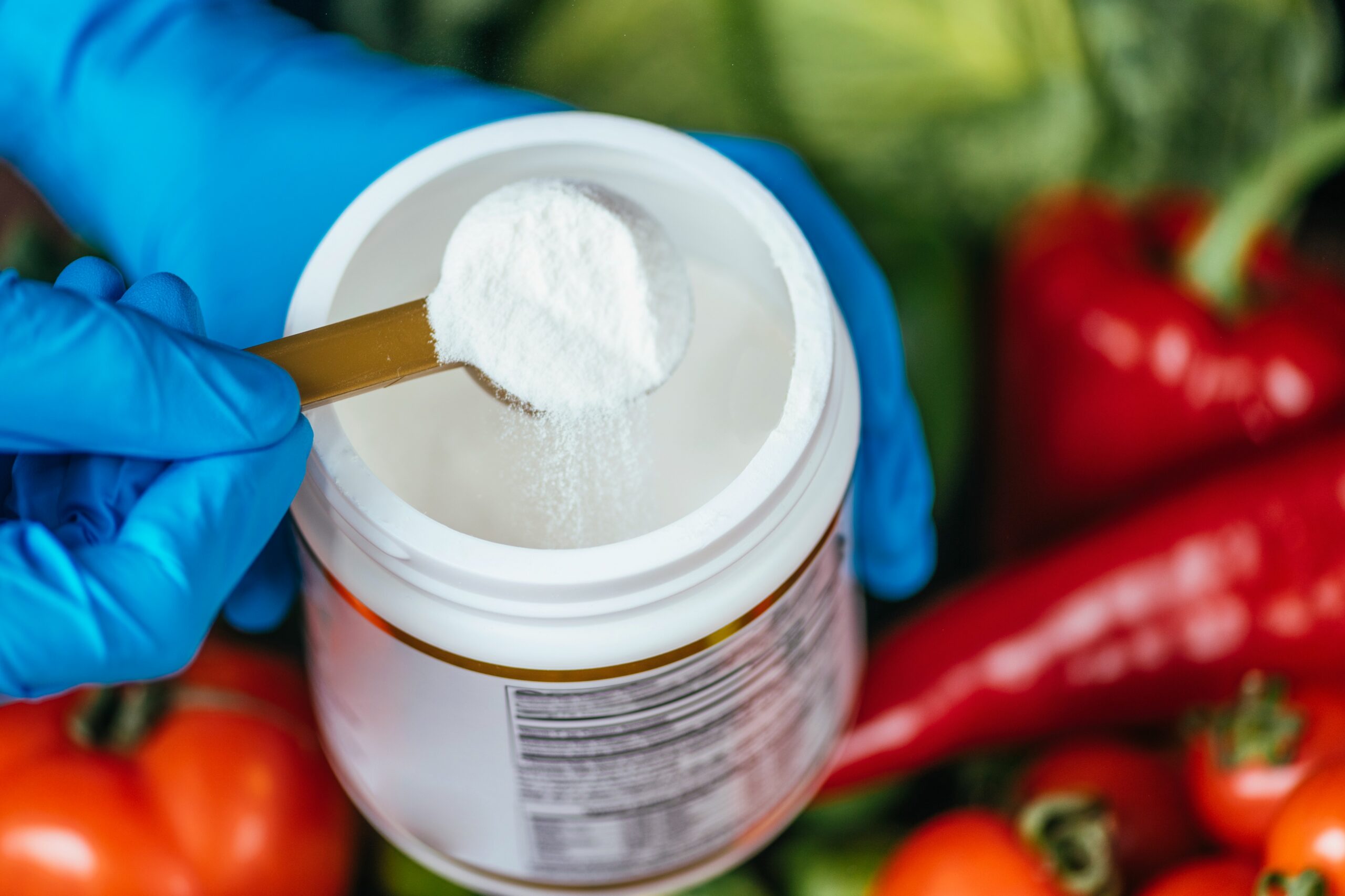
Lecithin is available as capsules, liquid extract, powder, and granules, offering a simple and convenient way to increase daily intake. The form you choose affects how it works, how you use it, and where it fits in a formulation.
| Form | Key Advantage | Best For |
| Liquid | Highest emulsification efficiency | Industrial food processing, confectionery |
| Powder | Easy to dose, dissolves fast, clean handling | Beverages, pharmaceuticals, supplements, bakery premixes |
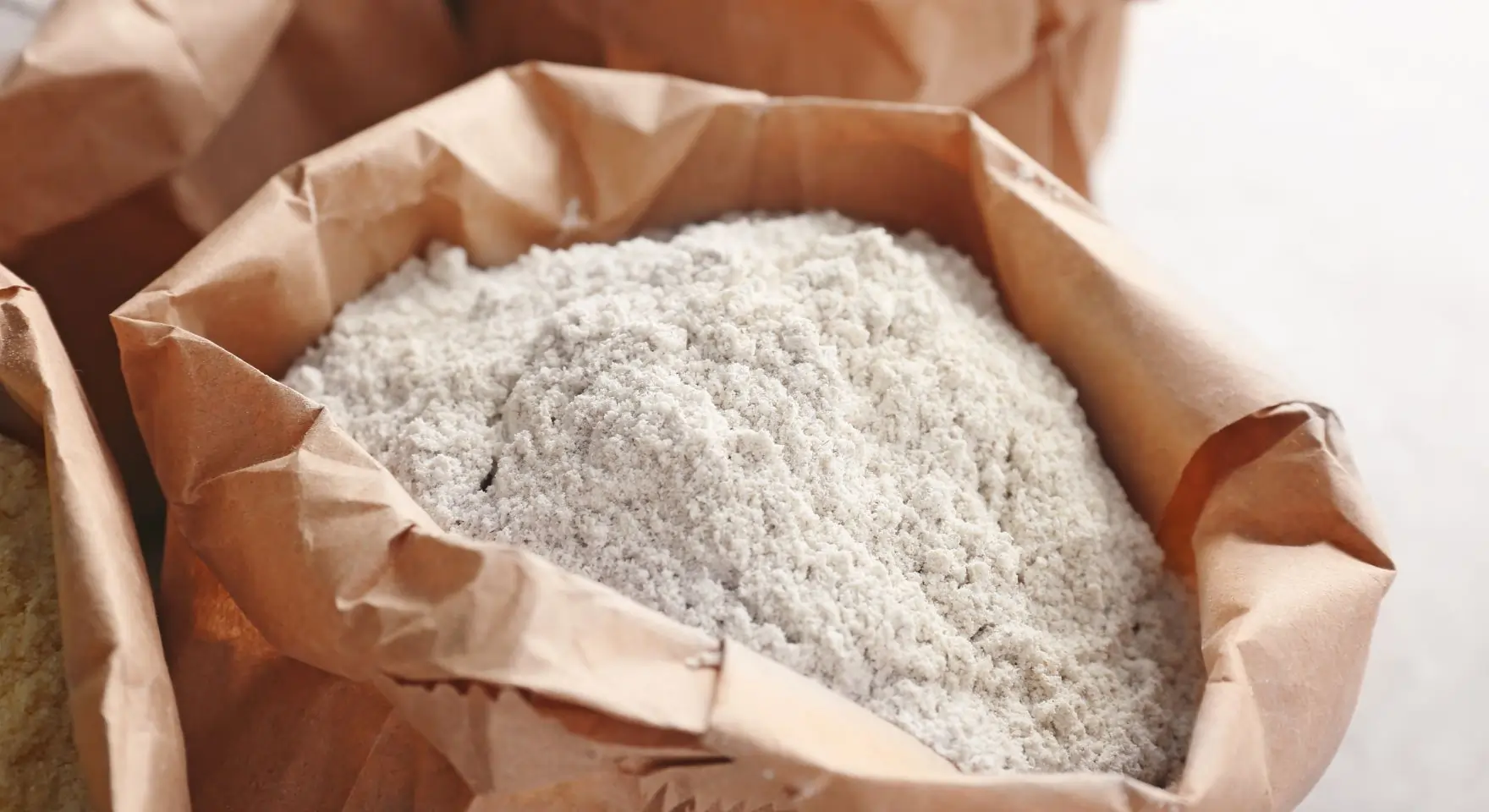
| Granules | Higher choline content, convenient for consumers | Baking, vegan products, daily supplement use |
| Capsules | Precise dosing, no taste | General supplement consumers |
Lecithin granules have higher choline contents that boost mental functions, and are most commonly used commercially in the food industry, particularly in baking and dough conditioning. They are a popular consumer supplement choice because they can be sprinkled directly onto food, mixed into smoothies, or dissolved in liquid ingredients when baking.
The lecithin granules benefits for consumers are essentially the same as other forms since all forms retain their phospholipid content regardless of format. The difference is in how your body processes them and how practical they are to use. Granulated lecithin has a rough texture that makes it harder to dissolve than powdered lecithin, and is mainly used in baked goods, dough conditioning, and vegan products where precise emulsification is less critical than functional support.
Liquid lecithin accounted for a revenue share of 86.2% in 2024 in industrial applications, driven by food processing and cosmetics manufacturing. But for retail and supplement use, granules and capsules dominate because of convenience and handling ease.
Food Applications: Where Lecithin Actually Shows Up
Lecithin stabilizes fat and improves the texture of many food products such as salad dressings, desserts, margarine, chocolate, baked goods, and cooking goods. US EPA In food manufacturing it serves four main roles:
- Emulsification – Keeps oil and water mixed in products like mayonnaise, sauces, and spreads
- Viscosity reduction – Lowers the thickness of chocolate during production, reducing the amount of cocoa butter needed
- Release agent – Prevents sticking to machinery in baking and confectionery manufacturing
- Shelf life extension – Slows staling in baked goods by maintaining moisture distribution
Chocolate manufacturing is probably the most well-known application. Without lecithin as an emulsifier, chocolate would require significantly more cocoa butter to achieve the right texture and flow, which would make it substantially more expensive. This is why virtually every mass-market chocolate bar in the US lists soy lecithin or sunflower lecithin in its ingredients.
In August 2024, Bunge expanded its North American lecithin portfolio by introducing deoiled soybean lecithin in powdered and granulated forms to meet demand across beverages, bakery, snacks, supplements, and pet food. This kind of investment signals how seriously manufacturers are taking lecithin’s expanding role across categories.
The US Market: What Is Driving Demand Right Now
The US lecithin market has several specific growth drivers that are distinct from global trends.
- Clean-label demand – American consumers increasingly read ingredient labels and prefer natural emulsifiers over synthetic ones like DATEM or mono and diglycerides
- Plant-based food growth – Vegan and plant-based products rely heavily on lecithin as an egg-replacing emulsifier and binder
- Supplement market expansion – Brain health, heart health, and women’s health supplements are all major lecithin use cases growing in the US
- Sunflower lecithin shift – Non-GMO and allergen-free positioning is pushing brands toward sunflower over soy at the premium end of the market
Soy lecithin accounted for 78.3% of revenue share in 2024, but sunflower lecithin is growing fastest due to growing concerns about soy allergens and increasing demand for clean-label products derived without harsh chemical solvents.
Dosage, Safety, and What to Watch For
There is no official recommended daily intake for lecithin set by the FDA. General guidance from manufacturers and practitioners suggests:
- General health and supplement use – 300 to 500 mg, two to three times daily
- Cholesterol support – 500 to 1,200 mg daily
- Breastfeeding and clogged ducts – 1,200 mg four times daily
- Upper limit – Most sources advise not exceeding 5,000 mg daily
Side effects are uncommon at normal doses but can include mild nausea, loose stools, or stomach discomfort. Those allergic to soy or eggs should check the source of lecithin in their supplements and food before consuming, and sunflower lecithin may be a suitable alternative for those with soy sensitivity.
Lecithin does not affect thyroid function and is safe for people with hypothyroidism. It is also safe during pregnancy in food-level amounts, though high-dose supplementation during pregnancy or breastfeeding should be discussed with a healthcare provider.
Conclusion
Lecithin is a natural substance found in many foods that is widely used in supplements due to its potential health benefits, playing a key role in maintaining cell structure and supporting various bodily functions. The evidence for cardiovascular support, gut lining protection, and liver health is solid. The research on brain health and cognitive function is promising but still developing. For US consumers looking for a well-tolerated, broadly functional supplement that also appears in almost every kitchen through everyday foods, lecithin is about as established as natural supplements get.
For food manufacturers, supplement brands, and personal care companies sourcing soy lecithin, sunflower lecithin, deoiled lecithin powder, or granulated forms at scale, Elchemy connects US buyers with verified global suppliers offering complete technical documentation, certificates of analysis, and consistent supply chains built for the demands of the American market.