

At a Glance
- LABSA 96% represents the optimal concentration for industrial handling and transportation efficiency
- Detergent manufacturing consumes over 80% of global LABSA production for household and industrial cleaners
- Typical usage rates range from 5-28% in powder detergents with higher percentages indicating premium quality
- Neutralization with sodium hydroxide converts LABSA into sodium alkyl benzene sulfonate for final products
- Textile industry employs LABSA as wetting agent, dyeing assistant, and fabric scouring compound
- Agricultural formulations use LABSA 96% as emulsifier for herbicides and pesticides at 1-3% concentrations
- Leather processing applies LABSA for degreasing raw hides and pH adjustment during tanning
- Paper recycling operations utilize LABSA as deinking agent to remove ink from recycled paper fibers
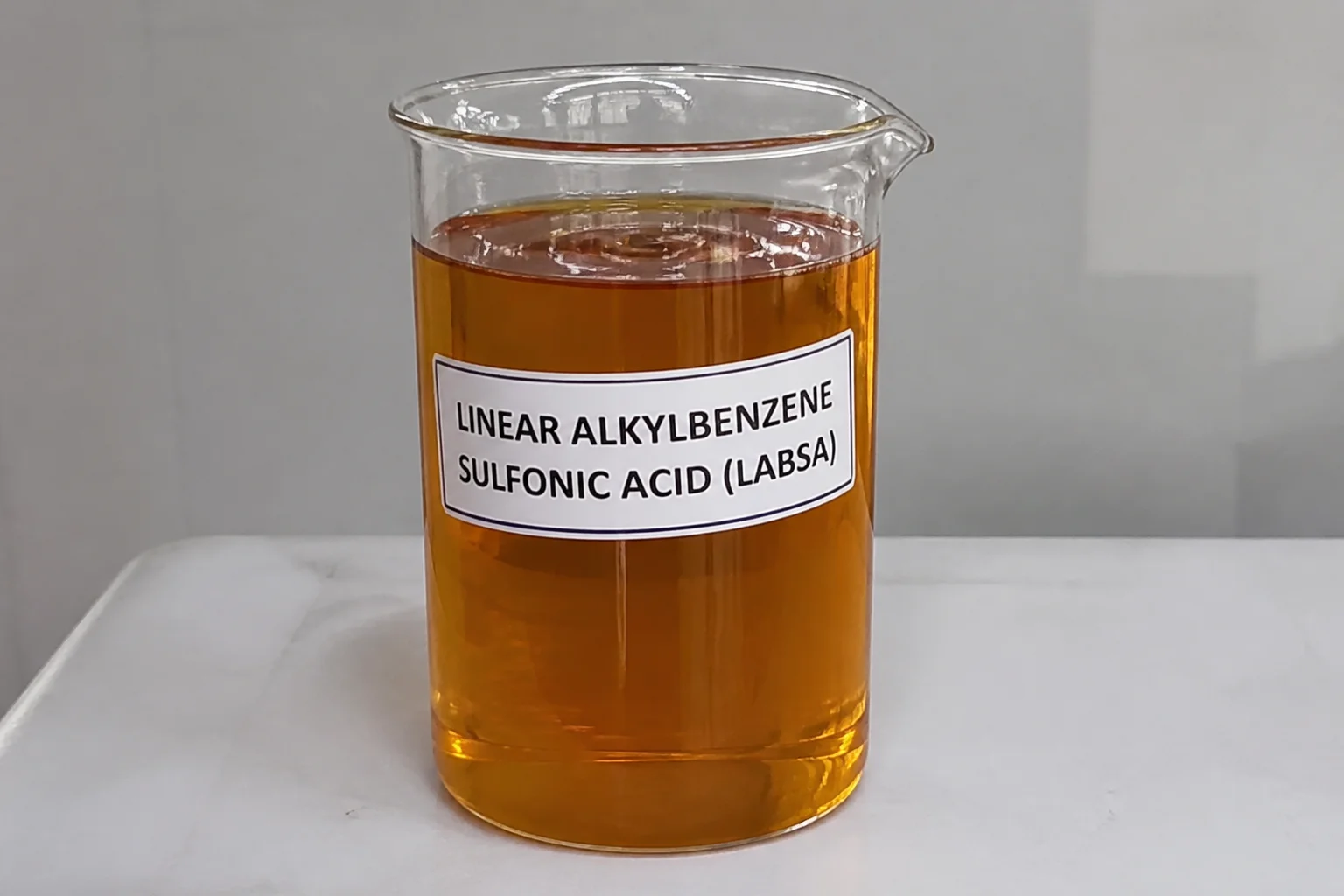
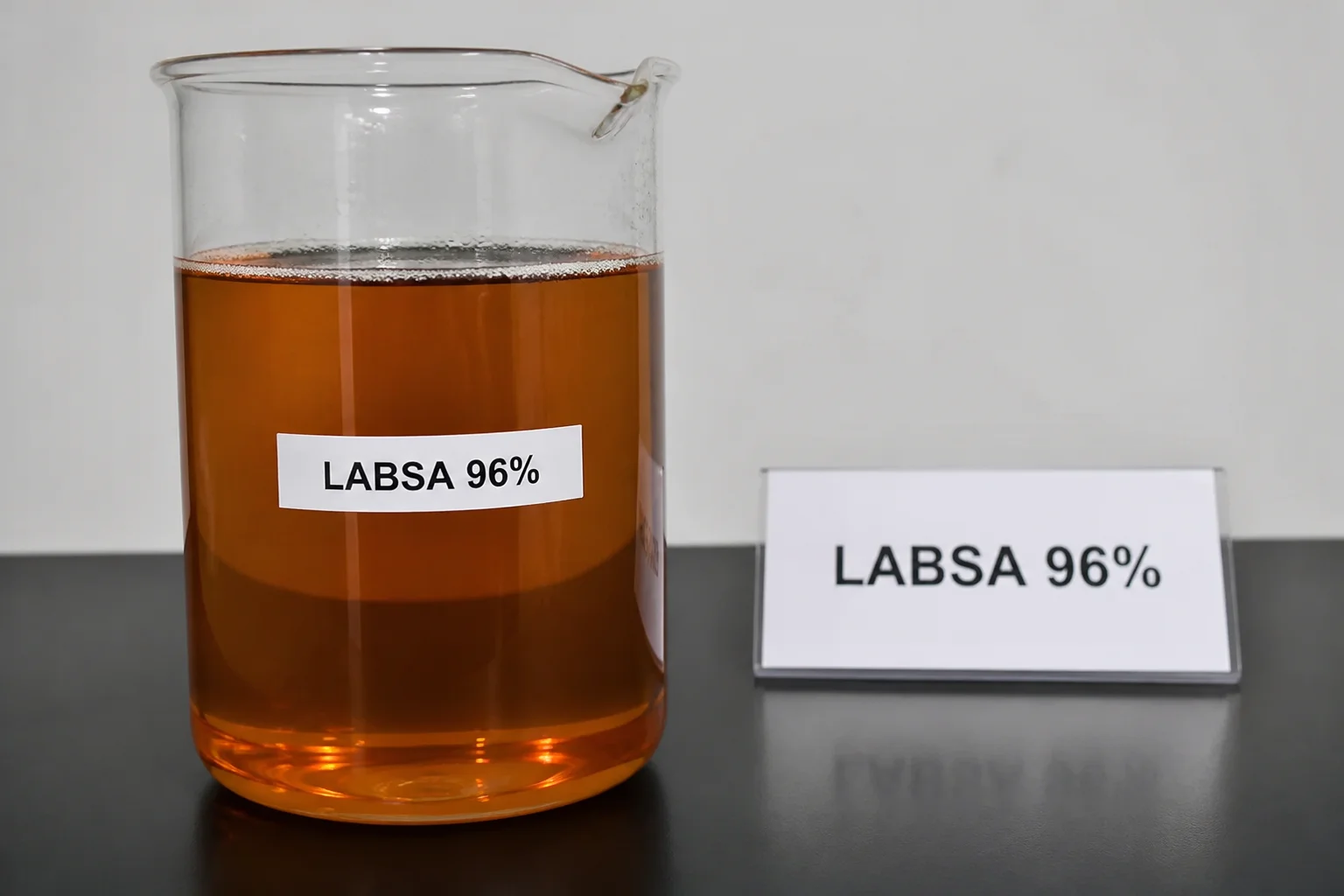
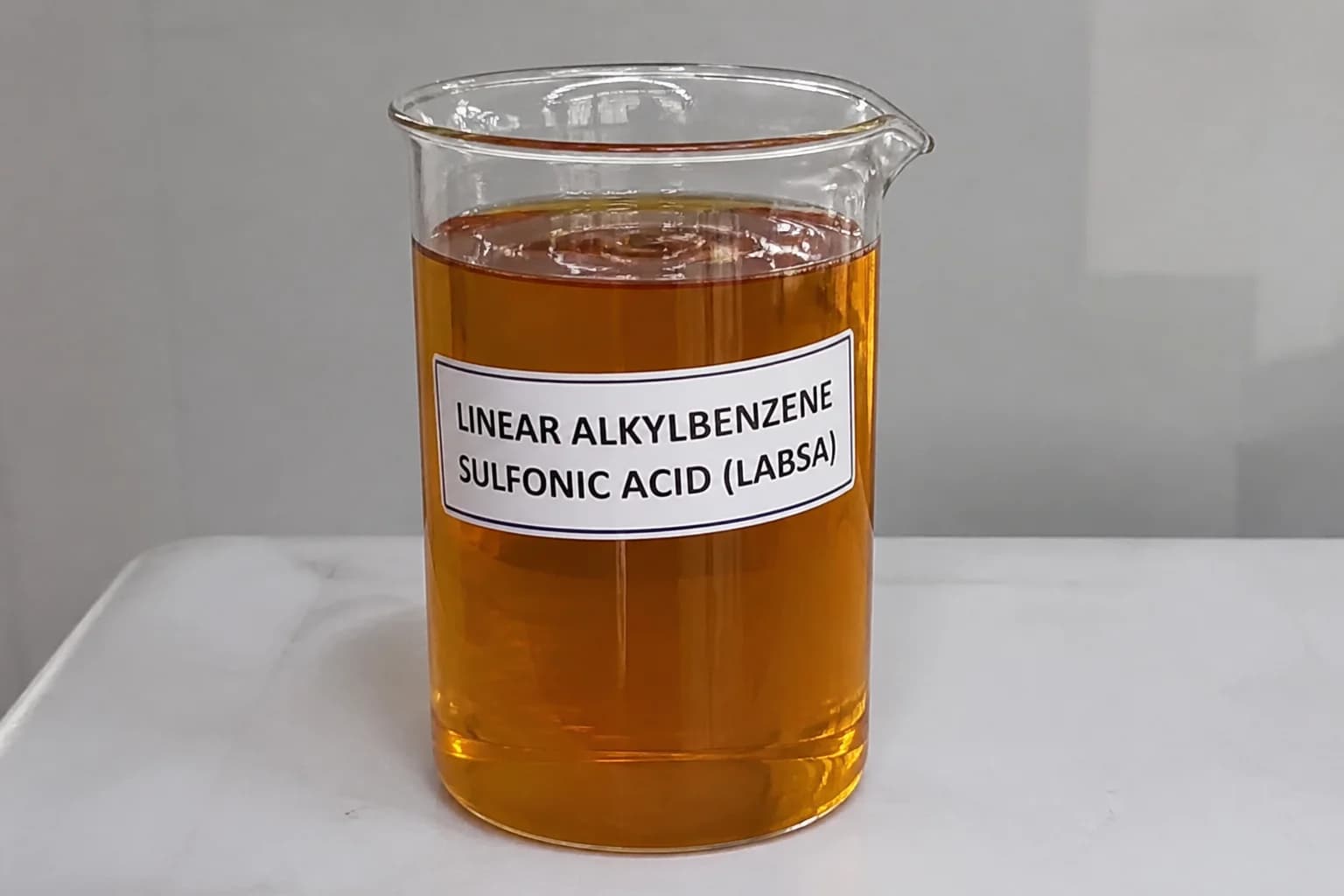
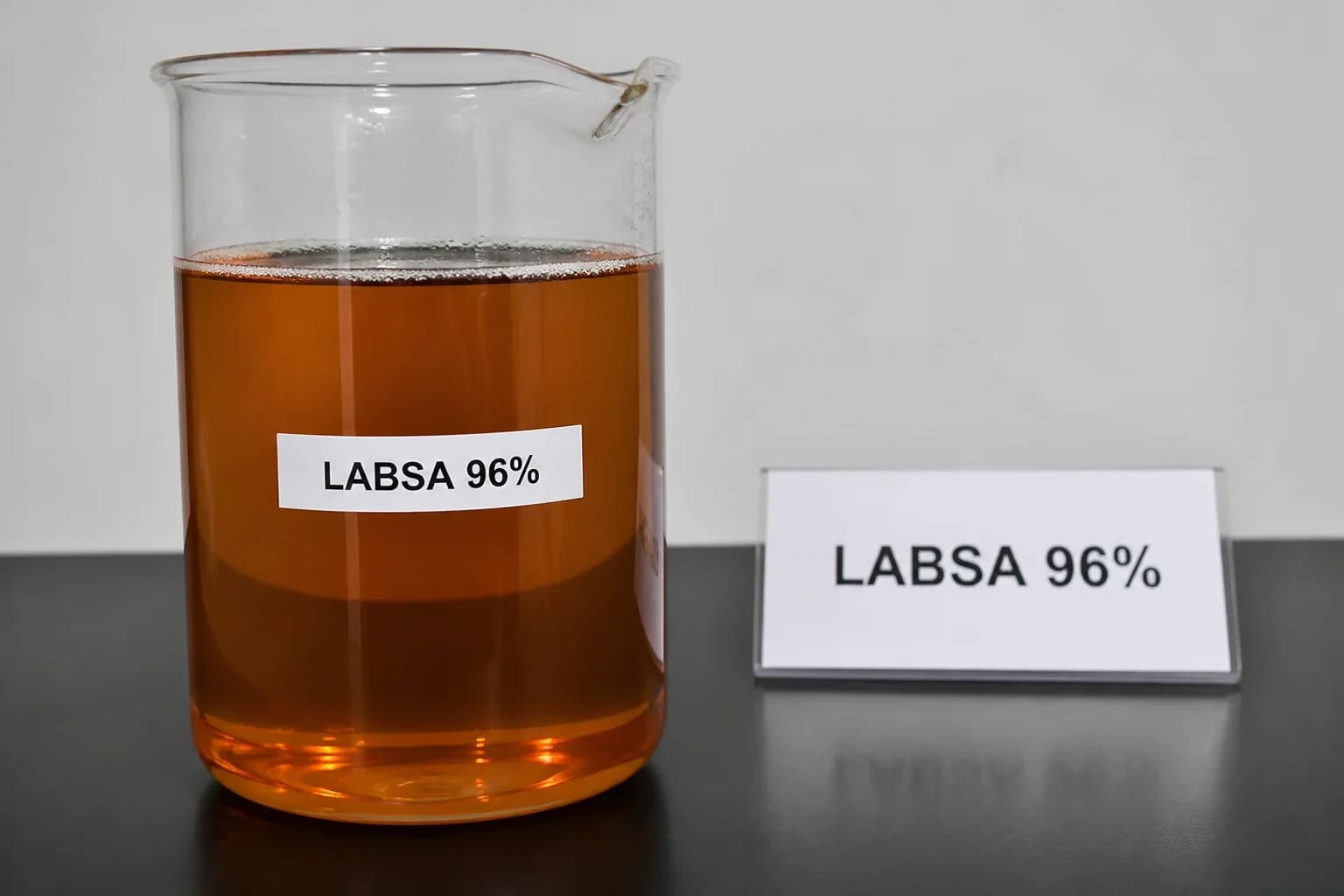
Linear alkyl benzene sulphonic acid at 96% concentration stands as the world’s largest-volume synthetic surfactant, powering approximately 2 million tonnes of global detergent production annually. This brown viscous liquid, produced through benzene sulfonation, serves as the chemical workhorse behind laundry powders, industrial degreasers, and countless cleaning formulations that manufacturers depend on for consistent performance. The 96% active matter specification represents an optimal balance between handling characteristics, transportation efficiency, and formulation flexibility that has made it the industry standard across five continents.
From household cleaning products to specialized industrial applications, linear alkyl benzene sulphonic acid 96 uses extend far beyond basic detergent manufacturing. Its unique molecular structure, combining a linear alkyl chain with a benzene ring and sulfonic acid group, creates exceptional surface activity while maintaining biodegradability above 90%. This combination of performance and environmental responsibility positions LABSA 96% as the foundation ingredient for manufacturers seeking cost-effective surfactant solutions across diverse applications.
Linear Alkyl Benzene Sulphonic Acid 96 Uses in Detergent Production
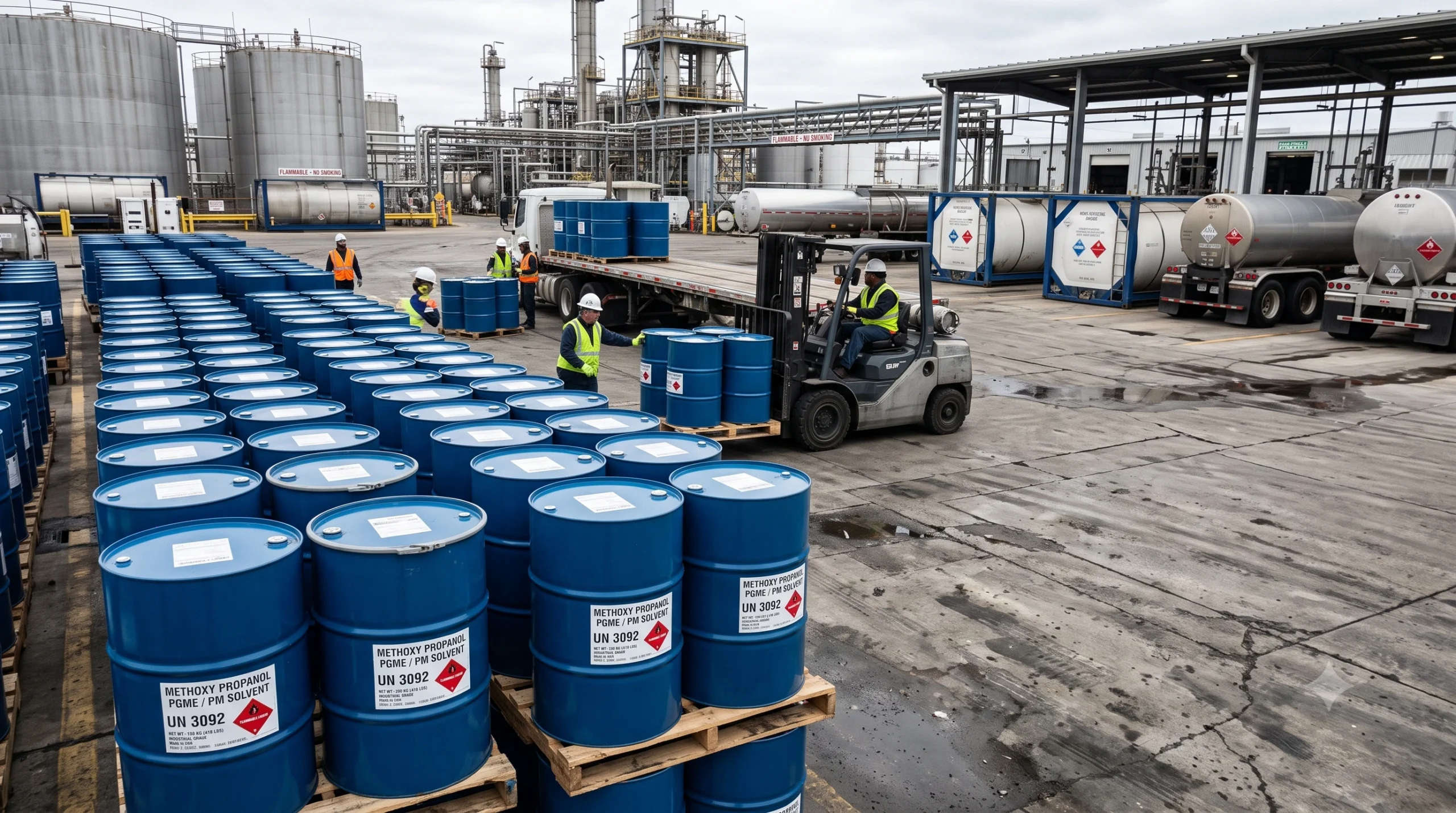
The detergent industry’s overwhelming preference for 96% concentration stems from practical manufacturing considerations and economic advantages. This concentration provides maximum active surfactant while maintaining pumpable viscosity at room temperature. Manufacturers receive LABSA 96% in 220kg plastic drums or 1,050kg IBC tanks, eliminating the water weight and storage volume required for more dilute forms while avoiding the handling challenges of higher concentrations that approach solid consistency.
Converting LABSA into finished detergent products requires neutralization with alkaline compounds, typically sodium hydroxide or sodium carbonate. This reaction transforms the acidic LABSA into its sodium salt form, creating the familiar sodium alkyl benzene sulfonate (LAS) listed on product labels. The 96% concentration allows formulators to precisely calculate neutralization requirements and control final product pH without excess water interfering with powder drying processes or liquid formulation viscosity.
In liquid detergent and personal care formulations, diethanolamine is sometimes used as an alternative neutralising agent, producing the DEA salt of LABSA which offers improved solubility and a milder profile suited to shampoos and skin-contact cleaning products.
Detergent manufacturers commonly source neutralizing agents from reliable Caustic Soda Flakes manufacturers to convert LABSA into sodium alkyl benzene sulfonate during formulation processing.
Production facilities benefit from LABSA 96%’s excellent miscibility with water and compatibility with other surfactants. Unlike highly concentrated acids or dilute solutions, the 96% grade dissolves uniformly in formulation vessels without localized heat spikes or phase separation issues.
Hydrotropes such as sodium xylene sulfonate are commonly added to high-surfactant liquid formulations to further improve LABSA’s solubility, lower viscosity, and prevent cloud point separation in concentrated products.This processing ease translates to shorter batch times, reduced energy consumption, and more consistent product quality across production runs.
Household Cleaning Product Manufacturing
Household cleaning products represent the largest single application for linear alkyl benzene sulphonic acid 96 uses, accounting for roughly 80% of global consumption. The versatility of LABSA enables manufacturers to create diverse product formats while maintaining cost competitiveness against alternative surfactants.
| Product Category | LABSA Concentration | Primary Function | Supporting Ingredients | |—|—|—| | Laundry Powder | 12-28% | Soil removal, foam generation | Builders, enzymes, optical brighteners | | Laundry Liquid | 8-15% | Stain lifting, emulsification | Co-surfactants, solvents, stabilizers | | Dishwashing Liquid | 10-20% | Grease cutting, foam stability | Betaines, glycerin, fragrance | | Hard Surface Cleaners | 5-12% | Surface wetting, dirt suspension | Alkaline builders, solvents | | Toilet Bowl Cleaners | 3-8% | Cleaning action in acidic formulas | Mineral acids, thickeners, dyes |
Laundry Detergents
Laundry powder formulations showcase the full performance capabilities of LABSA 96%. Budget formulations containing 5-12% active LABSA provide basic cleaning adequate for lightly soiled fabrics, targeting price-sensitive markets where cost per wash drives purchasing decisions. Mid-tier products with 12-16% LABSA offer balanced performance suitable for everyday laundry needs, representing the majority of market volume in developing economies.
Premium laundry powders incorporating 16-28% LABSA deliver superior cleaning power capable of removing stubborn stains, functioning effectively in cold water, and maintaining performance in hard water conditions. These high-LABSA formulations command premium pricing while meeting consumer expectations for concentrated products requiring smaller doses per wash load.
Liquid laundry detergents employ lower LABSA concentrations due to viscosity limitations and the need to incorporate co-surfactants for improved mildness. The combination of LABSA at 8-15% withnonionic surfactants, alpha olefin sulphonate (AOS), betaines, or amine oxides creates synergistic cleaning systems that outperform either surfactant alone. This blending approach allows formulators to balance cleaning power, foam characteristics, enzyme compatibility, and skin friendliness.
Many liquid detergent formulations combine LABSA with SLES 70% and amphoteric surfactants to improve foam stability, mildness, and viscosity control in household cleaning products.
Dishwashing Formulations
Manual dishwashing liquids demand exceptional grease-cutting ability combined with stable, long-lasting foam. LABSA 96% at 10-20% concentration provides both characteristics, creating formulations that remove baked-on food residues and greasy films while maintaining visual foam levels consumers associate with cleaning effectiveness. The foam stability proves particularly important as it provides extended contact time between surfactant and soil during washing.
To enhance foam stability and viscosity, manufacturers often blend LABSA with co-surfactants such as CDEA 85% in dishwashing liquids and multipurpose cleaning formulations.
Manufacturers typically combine LABSA with cocamidopropyl betaine or similar amphoteric surfactants to improve skin tolerance during prolonged hand washing. This co-surfactant addition reduces the potential for skin irritation while enhancing foam creaminess and overall product aesthetics.
Amine oxide co-surfactants — including cocamidopropyl amine oxide and lauryl amine oxide — are also widely used in this role, offering excellent foam boosting, viscosity building, and mildness enhancement in LABSA-based dishwashing systems. The resulting formulations achieve professional-grade degreasing performance at consumer-friendly price points.
Mild cleaning products and personal care formulations may also incorporate CAPB 35% to improve foam quality, reduce irritation potential, and enhance surfactant compatibility.
Industrial Cleaning Applications
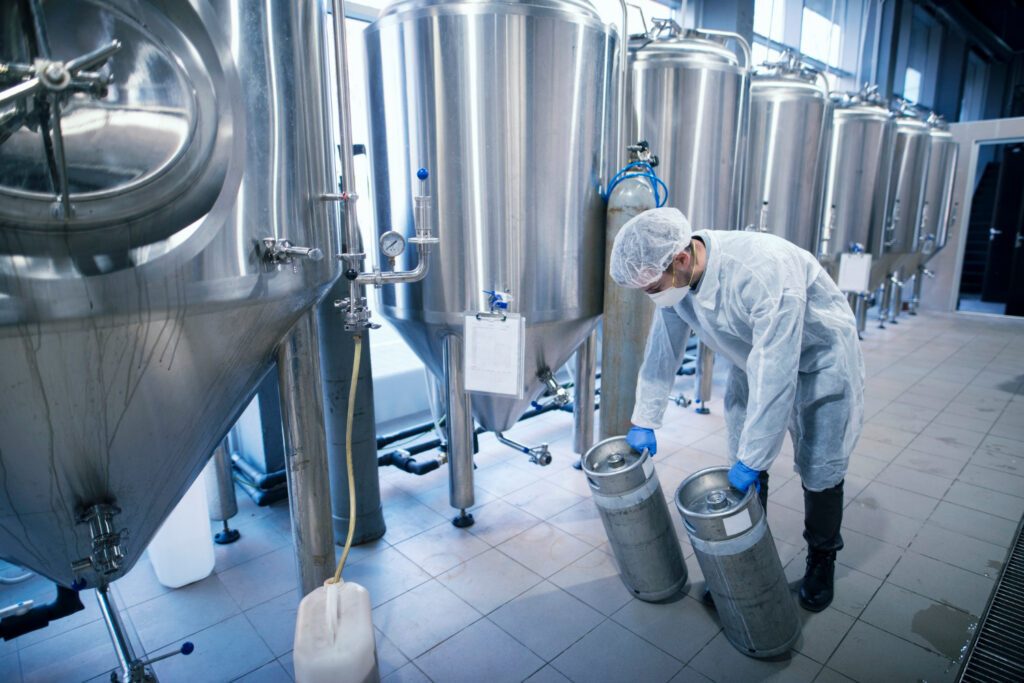
Beyond household products, linear alkyl benzene sulphonic acid 96 uses extend into demanding industrial environments where cleaning challenges require higher surfactant concentrations and more aggressive formulations. Industrial cleaners leverage LABSA’s strong emulsifying action to tackle petroleum oils, hydraulic fluids, cutting oils, and other contaminants encountered in manufacturing facilities.
Heavy-duty degreasers for automotive maintenance, metal fabrication, and machinery servicing contain 15-25% LABSA combined with alkaline builders and solvents. These formulations break down carbonized oils and grease deposits that resist ordinary cleaners, restoring equipment appearance and function. The combination of chemical emulsification and mechanical action from pressure washing creates cleaning systems capable of handling the toughest industrial soils.
Metal parts cleaning operations before electroplating, painting, or welding require thorough degreasing to ensure proper coating adhesion and quality finishes. LABSA-based cleaners at 10-18% concentration remove machining oils, fingerprints, and surface contaminants without damaging metal substrates. The biodegradability of LABSA enables manufacturers to comply with environmental regulations governing wastewater discharge while maintaining effective cleaning protocols.
LABSA 96 Uses Across Specialized Industries
The versatility of LABSA 96% creates opportunities in specialized industrial sectors where surfactant properties enable unique applications beyond conventional cleaning:
- Emulsion polymerization: Stabilizes monomer droplets during plastic and synthetic rubber production
- Agricultural emulsifiers: Enables oil-based pesticides and herbicides to mix with water-based spray solutions
- Corrosion inhibitors: Protects metal pipelines and equipment in petroleum operations
- Wetting agents: Improves liquid penetration into porous materials across various industries
- Paper deinking: Facilitates ink removal from recycled paper during repulping processes
- Construction additives: Enhances workability and air entrainment in specialized concrete formulations
Textile Industry Applications
Textile processing operations employ LABSA 96 uses at multiple production stages. During fabric preparation, LABSA solutions at 3-8% concentration function as scouring agents that remove natural oils, waxes, and sizing compounds from raw fibers. This cleaning step ensures uniform dye absorption and consistent fabric quality across production runs.
Dyeing operations benefit from LABSA’s ability to promote even dye distribution throughout fabric structures. Adding 2-5% LABSA to dye baths improves color penetration, reduces streaking, and enables brighter, more uniform coloration. The surfactant also helps prevent dye aggregation that causes uneven shading or spotting on finished textiles.
Mercerization processes that improve fabric luster and strength incorporate LABSA as a wetting agent. The surfactant ensures caustic soda solutions penetrate fibers uniformly, maximizing treatment effectiveness while preventing localized damage from uneven chemical exposure. This application demonstrates LABSA’s stability in highly alkaline conditions that decompose many alternative surfactants.
Textile processors frequently work with trusted Caustic Soda Lye suppliers for mercerization and alkaline treatment processes where controlled fiber penetration is essential.
Leather Processing and Degreasing
Leather tanning operations face the challenge of transforming raw animal hides containing significant fat content into clean, workable leather. LABSA 96% at 4-8% concentration provides the emulsifying power necessary to remove these natural fats during degreasing stages. The surfactant action breaks down fat deposits, allowing mechanical processes to extract oils while preserving hide structure.
pH adjustment during tanning processes often employs LABSA’s acidic nature to gradually lower hide pH from alkaline soaking levels to the slightly acidic conditions required for chrome tanning. This dual function as both degreaser and pH modifier streamlines production while reducing the number of chemical additives required throughout the tanning sequence.
Fat liquoring operations that restore oils to tanned leather for softness and flexibility rely on LABSA’s emulsifying properties to distribute oils uniformly. Concentrations of 2-4% LABSA enable stable emulsions that penetrate leather evenly, creating consistent texture and hand feel across finished products.
Agricultural Formulations
Agricultural chemical manufacturers incorporate LABSA 96 uses into pesticide and herbicide formulations as critical emulsifying and wetting agents. Oil-based active ingredients that provide pest control naturally resist mixing with water-based spray solutions. Adding 1-3% LABSA creates stable emulsions that remain uniform during storage, transport, and application through spray equipment.
The wetting action of LABSA improves spray retention on plant leaves by reducing surface tension. Spray droplets spread across leaf surfaces rather than beading up and rolling off, increasing contact time between active ingredients and target pests or weeds. This improved coverage translates to better pest control efficacy and potential reductions in chemical usage rates.
LABSA’s acidifying effect benefits herbicide formulations where slightly acidic pH improves herbicide stability and performance. The combination of surfactant action and pH adjustment in a single ingredient simplifies formulation development while reducing total additive costs for agricultural chemical manufacturers.
Technical Properties Enabling Multiple Uses
Understanding the chemical and physical properties of LABSA 96% explains its exceptional versatility across such diverse applications. The molecular structure combining hydrophobic alkyl chains (C10-C14) with hydrophilic sulfonic acid groups creates amphiphilic behavior essential for surfactant function.
| Property | Value/Characteristic | Application Benefit |
| Active matter content | 96% minimum | Maximum surfactant per unit weight |
| Appearance | Brown viscous liquid | Easy visual quality verification |
| Viscosity at 25°C | Approximately 500 cps | Pumpable yet concentrated |
| Water solubility | Highly soluble | Rapid dissolution in formulations |
| pH (1% solution) | 2-3 | Acidic for neutralization reactions |
| Biodegradability | >90% | Environmental compliance |
| Free oil content | <2% | Quality indicator, affects foam |
The linear alkyl chain structure distinguishes LABSA from branched alternatives that preceded it in the detergent industry. Linear chains biodegrade readily through microbial action, addressing environmental concerns that led to the phase-out of branched alkyl benzene sulfonates in the 1960s. This biodegradability advantage secured LABSA’s dominant market position while enabling manufacturers to meet increasingly stringent environmental regulations.
LABSA’s compatibility with hard water stems from its anionic character. Unlike soap (fatty acid salts) that precipitates as insoluble calcium and magnesium salts in hard water, LABSA maintains cleaning effectiveness across a wide range of water hardness levels. This hard water tolerance proves essential in regions where mineral-rich water supplies would otherwise require extensive water softening before use in cleaning applications.
Temperature stability allows LABSA to function effectively from near-freezing conditions to boiling temperatures. This broad operating range accommodates cold-water laundry formulations, ambient-temperature household cleaning, and hot industrial processes without performance degradation or formulation instability.
Conclusion
The extensive range of linear alkyl benzene sulphonic acid 96 uses demonstrates why this surfactant maintains its position as the global standard despite decades of research into alternatives. From fundamental detergent manufacturing through specialized industrial applications in textiles, leather, agriculture, and beyond, LABSA 96% delivers reliable performance at competitive costs while meeting environmental biodegradability requirements. The 96% concentration specification has become the industry standard through its optimal balance of handling convenience, transportation efficiency, and formulation flexibility.
For manufacturers requiring LABSA 96%, complementary surfactants, or specialized detergent raw materials, Elchemy’s technology-driven platform connects buyers with verified chemical suppliers across global markets. Founded by IIT Bombay and IIM Ahmedabad engineers Hardik Seth and Shobhit Jain, Elchemy streamlines chemical sourcing with transparent pricing, complete quality documentation including certificates of analysis, and reliable supply chains supporting production operations from household product manufacturers to specialized industrial formulation companies across India and international markets.