

At a Glance
- coconut sugar comes from coconut palm sap, cane sugar comes from sugarcane juice, both are primarily sucrose
- coconut sugar’s glycemic index is reported at 35 to 54 depending on the source, cane sugar sits at 60 to 65
- coconut sugar contains trace minerals like iron, zinc, potassium, and calcium that refined cane sugar doesn’t
- it also contains small amounts of inulin, a prebiotic fiber that may slow glucose absorption slightly
- calorie count is nearly identical: roughly 15 to 16 calories per teaspoon for both
- a 2022 clinical study on type 2 diabetics found no significant difference in blood sugar response between the two
- coconut sugar costs significantly more, typically 5 to 10x the price per kilogram of regular cane sugar
- it’s less processed, works 1:1 as a substitute in most recipes, and has a mild caramel flavor
Coconut sugar gets marketed like it’s a superfood sweetener. Walk into any health food store and it’s sitting next to the organic nut butters with a premium price tag and claims about being “natural” and “lower glycemic.” Then you have cane sugar, the thing everyone already has in their kitchen, cheap and immediately available.
So is coconut sugar actually better for you? The answer is nuanced, it depends what better means, and the honest version is more complicated than either the marketing or the backlash suggests.
Where Each One Comes From?
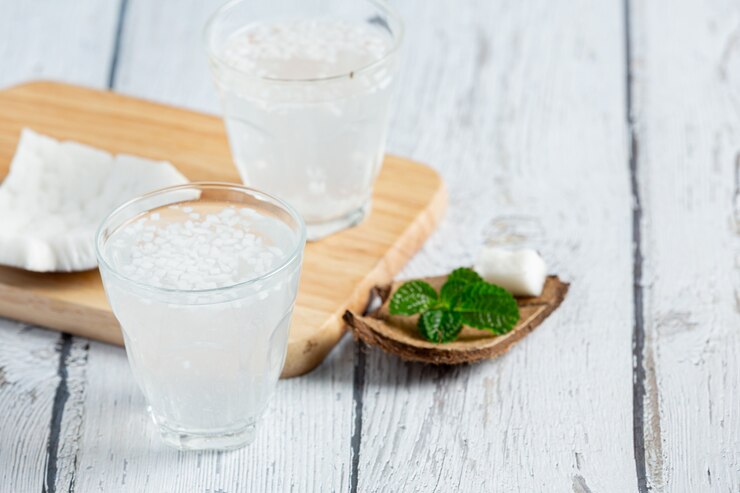
Understanding what these two sugars actually are makes the comparison more sensible.
Coconut sugar is made from the sap of the coconut palm flower (not from coconuts themselves, which trips people up). Farmers make a cut in the flower of the coconut palm tree and collect the liquid sap that flows out. That sap gets heated until most of the water evaporates, leaving behind brown granulated sugar. It’s a two-step process that doesn’t involve much chemical intervention, which is why it’s described as less processed than cane sugar.
Cane sugar is extracted from sugarcane stalks through a process that involves crushing the cane, extracting the juice, clarifying it (often using lime), evaporating the water, and then either leaving it as raw sugar or refining it further into white granulated sugar. The more refining, the more nutrients are stripped out.
Both are primarily sucrose, which is a disaccharide made of one glucose and one fructose molecule bonded together. That’s the core of the comparison and it matters because it means your body handles both in essentially the same way.
Coconut Sugar Compared to Cane Sugar: Nutritional Side by Side
| Nutrient | Coconut Sugar (per 100g) | White Cane Sugar (per 100g) |
| Calories | ~375 kcal | ~387 kcal |
| Carbohydrates | ~93g | ~100g |
| Sucrose content | ~70-80% | ~99.9% |
| Potassium | ~1,030 mg | Trace |
| Calcium | ~375 mg | Trace |
| Iron | ~2 mg | Trace |
| Zinc | ~2.1 mg | Trace |
| Inulin (fiber) | Small amount (~1-3%) | None |
| Glycemic Index | 35 to 54 (varies by study) | 60 to 65 |
| Processing level | Minimal | Heavily refined (white) |
The nutrient gap looks impressive on paper. But here’s the problem with that table: serving sizes. Nobody eats 100g of sugar at a time. A typical daily amount of added sugar, which itself should be limited, is in the range of 5 to 10 grams. At that quantity, the mineral content of coconut sugar is essentially negligible. You’d need to eat impractical amounts to get meaningful nutrition from coconut sugar alone, and at that point you’d be causing more harm from the sugar itself than any benefit from the trace minerals.
The Glycemic Index Question
This is the main argument in coconut sugar’s favor and it’s worth examining carefully because different sources give wildly different numbers.
What the research says:
- A PMC-published review of coconut sugar literature (Saraiva et al., 2023) found a GI of 35 for coconut sap-derived products, categorizing it as low GI
- The Philippine Coconut Authority and some studies put it at GI 54
- Other studies measure cane sugar at GI 60 to 65
- Some sources put cane sugar as high as GI 82 for rapidly digested forms
The range matters. A GI difference of 54 vs 60 is not clinically meaningful for most people. A difference of 35 vs 65 would be more significant, but the 35 figure comes from specific processing conditions and may not reflect what most commercial coconut sugar products actually deliver.
More importantly, a 2022 clinical study published in ScienceDirect examined 43 participants with type 2 diabetes and found no significant difference in post-meal blood sugar response between coconut sugar and cane sugar. For the population most likely to be using GI as a reason to choose coconut sugar, the actual outcome data doesn’t support a meaningful advantage.
What does contribute to the lower GI reading:
- Inulin content: coconut sugar contains roughly 1 to 3% inulin, a prebiotic fiber that can slow glucose absorption in the gut
- Lower sucrose percentage: coconut sugar retains some other carbohydrates alongside sucrose, diluting the pure sucrose concentration slightly
- Processing difference: less refining means some of the natural fiber and phytochemicals from the sap are retained
These are real factors. They’re just small enough that the real-world impact on blood sugar is modest at typical serving sizes.
What Coconut Sugar Has That Cane Sugar Doesn’t?
Even if the health differences are modest, they’re not zero. Here’s what coconut sugar genuinely brings that white cane sugar doesn’t:
- Inulin: a prebiotic fiber that feeds beneficial gut bacteria and may slow sugar absorption slightly. The amount is small but it’s absent entirely from refined cane sugar
- Trace minerals: potassium, calcium, iron, and zinc in amounts that, while not enough to be a primary dietary source, are better than nothing
- Antioxidants: coconut sap contains polyphenol compounds that contribute some antioxidant activity. Refined white sugar has essentially zero
- Lower processing: it retains more of its naturally occurring compounds, which aligns with the general principle that less processed foods tend to be marginally better
- Flavor complexity: a genuine caramel, slightly butterscotch note that adds dimension to baked goods and coffee
What cane sugar has going for it:
- Much cheaper, often 5 to 10 times lower cost per gram
- Extremely consistent, predictable in recipes
- Neutral flavor that doesn’t alter the taste of what you’re making
- Available everywhere
- Better for white-colored baked goods where the brown color of coconut sugar would be unwanted
Also Read: Liquid Glucose Substitute: Future of Industrial Sweeteners
Is Coconut Sugar Better Than Cane Sugar for Baking?
Functionally they work very similarly, which is one of coconut sugar’s genuine advantages over other sugar alternatives. You can swap it in at a 1:1 ratio in most recipes without needing to adjust anything else.
Where coconut sugar works well:
- Coffee and tea (the caramel note is a nice complement)
- Cookies, brownies, and bars where a warm caramel flavor is welcome
- Granola and energy balls
- Marinades and savory sauces
- Anything where you want a mild brown sugar character
Where it has limitations:
- White or light-colored baked goods like angel food cake or white frosting, the brown color affects appearance
- Recipes requiring a very precise chemical reaction (coconut sugar isn’t perfectly identical to sucrose so very technical baking may need adjustment)
- High-volume commercial baking where cost matters
- Recipes where a clean, neutral sweetness is essential
One texture note worth knowing: coconut sugar doesn’t dissolve quite as easily as fine white sugar, especially in cold liquids. Give it extra time to incorporate in cold drinks or dissolve it in a small amount of warm liquid first.
Environmental and Ethical Angle
This part of the coconut sugar conversation gets less attention but it’s real.
Coconut palms are more resource-efficient than sugarcane:
- Coconut palms use significantly less water per hectare than sugarcane
- They don’t require large-scale monoculture farming in the same way
- Harvesting coconut sap is a manual, small-scale process that supports smallholder farmers in Southeast Asia, particularly in the Philippines and Indonesia
- The palms also continue producing coconuts alongside the sap, so it’s a multi-use crop
The environmental case for coconut sugar over cane sugar is more compelling than the nutritional case. For people who factor sourcing and sustainability into purchasing decisions, this matters. Choosing fair-trade certified organic coconut sugar amplifies these benefits.
Conventional white cane sugar on the other hand is associated with:
- High water consumption in farming
- Heavy pesticide use in conventional cane farming
- Environmental concerns around monoculture sugarcane plantations
- The use of bone char in the whitening process of some refined cane sugars (relevant for vegans)
Who Should Actually Consider Switching
Not everyone needs to switch, and the decision depends on your situation.
Coconut sugar makes more sense if:
- You’re already conscious about limiting added sugar and want the slightly better nutritional profile for the same indulgence
- You enjoy the flavor and it genuinely improves the taste of what you’re making
- Environmental and sourcing considerations matter to your purchasing decisions
- You’re cooking recipes where the caramel note adds something good
- You want slightly lower GI sweeteners and are buying into that as a part of a broader dietary approach
Stick with cane sugar if:
- Budget is a concern, coconut sugar is significantly more expensive
- You’re baking where color consistency or neutral flavor matters
- You’re using large amounts where cost-per-use makes coconut sugar impractical
- You already use sugar sparingly and the marginal health difference isn’t worth the premium
For people with diabetes specifically: the 2022 clinical study mentioned earlier is a useful reality check. Don’t swap to coconut sugar under the assumption that it meaningfully helps blood sugar management. The evidence for a significant clinical difference isn’t there. If blood sugar is a medical concern, the conversation with a healthcare provider should be about total sugar reduction, not which variety to use.
The Honest Bottom Line
Coconut sugar compared to cane sugar is genuinely somewhat better from a nutritional standpoint, trace minerals, inulin content, slightly lower GI, and less processing. These differences are real. They’re also modest enough that they won’t transform your health if coconut sugar is just replacing the same amount of regular sugar in your diet.
It’s not a health food. It’s a marginally better sweetener option. The environmental and sourcing story is more compelling than the nutritional one. And the flavor is genuinely different in a way many people prefer.
If you’re choosing between them, know that you’re not making a dramatic health upgrade by choosing coconut sugar. You’re making a small one, and paying more for it. Whether that tradeoff is worth it is a personal call based on your priorities, your budget, and what you’re making.
The best thing you can do with either of them is use less. That’s more impactful than which plant it came from.