At a Glance
- Acesulfame potassium (Ace-K, E950) is 200 times sweeter than sugar with zero calories, and the body excretes it unchanged without metabolizing it
- In April 2025, EFSA completed a comprehensive re-evaluation and declared acesulfame potassium safe, actually raising the Acceptable Daily Intake from 9 to 15 mg/kg body weight per day
- Is acesulfame potassium banned in Europe? No. EFSA explicitly reaffirmed its safety and it remains fully authorized as E950 across the EU
- The FDA approved it in 1988 and considers it safe at up to 15 mg/kg body weight daily (roughly 900 mg for a 60 kg person)
- Animal studies show gender-specific gut microbiome disruption and metabolic effects, but no human clinical trial has established harm at normal dietary exposure levels
- Almost always blended with sucralose and acesulfame potassium or aspartame in commercial products to create a more natural sweetness profile
- Heat stable up to 225°C, making it one of the few artificial sweeteners suitable for baking
Acesulfame potassium is an artificial sweetener millions of people ingest every day, without even realising it. It’s in their zero-calorie soda, their pre-workout shake, their sugar-free chewing gum, their low-fat yogurt. Unlike its competitors, such as stevia or monk fruit that are marketed as “natural” sweeteners, Ace-K simply appears in the ingredients list as E950 or “acesulfame K”.
The sweetener was found in 1967 when German chemist Karl Clauss licked his fingers after working with chemicals. The accidental discovery paved the way for one of the most popular artificial sweeteners used today in the world’s food supply. But as more people become aware of the sweetener, questions arise – is acesulfame potassium bad for you? Does it affect your gut? Is it banned anywhere? And is it any different to regular sugar?
We’ve broken down the acesulfame potassium vs sugar debate in this blog, using the latest research to date, including an April 2025 re-evaluation by the European Food Safety Authority (EFSA) that resolved some longstanding questions.
What Acesulfame Potassium Is and How It Works?
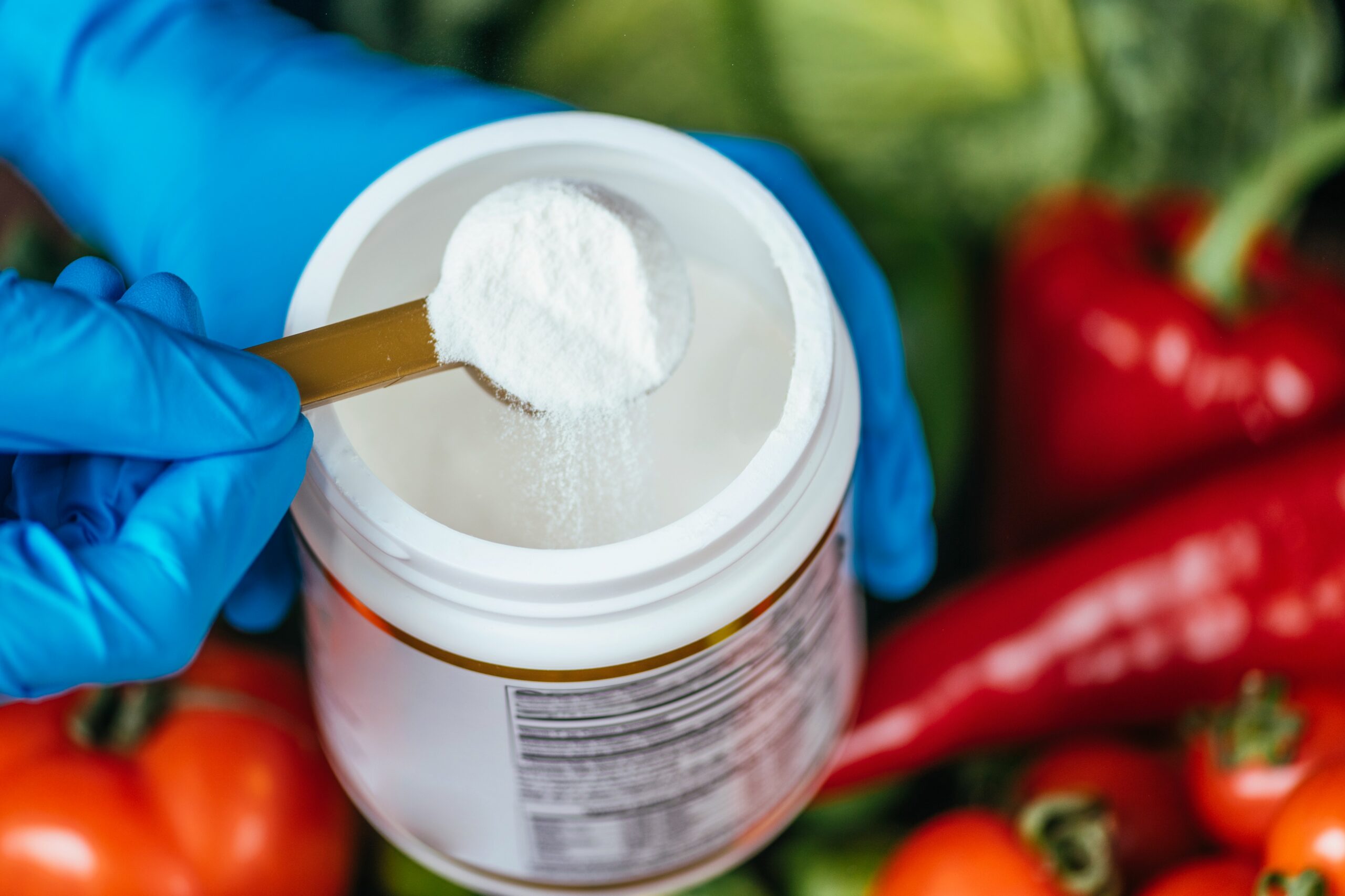
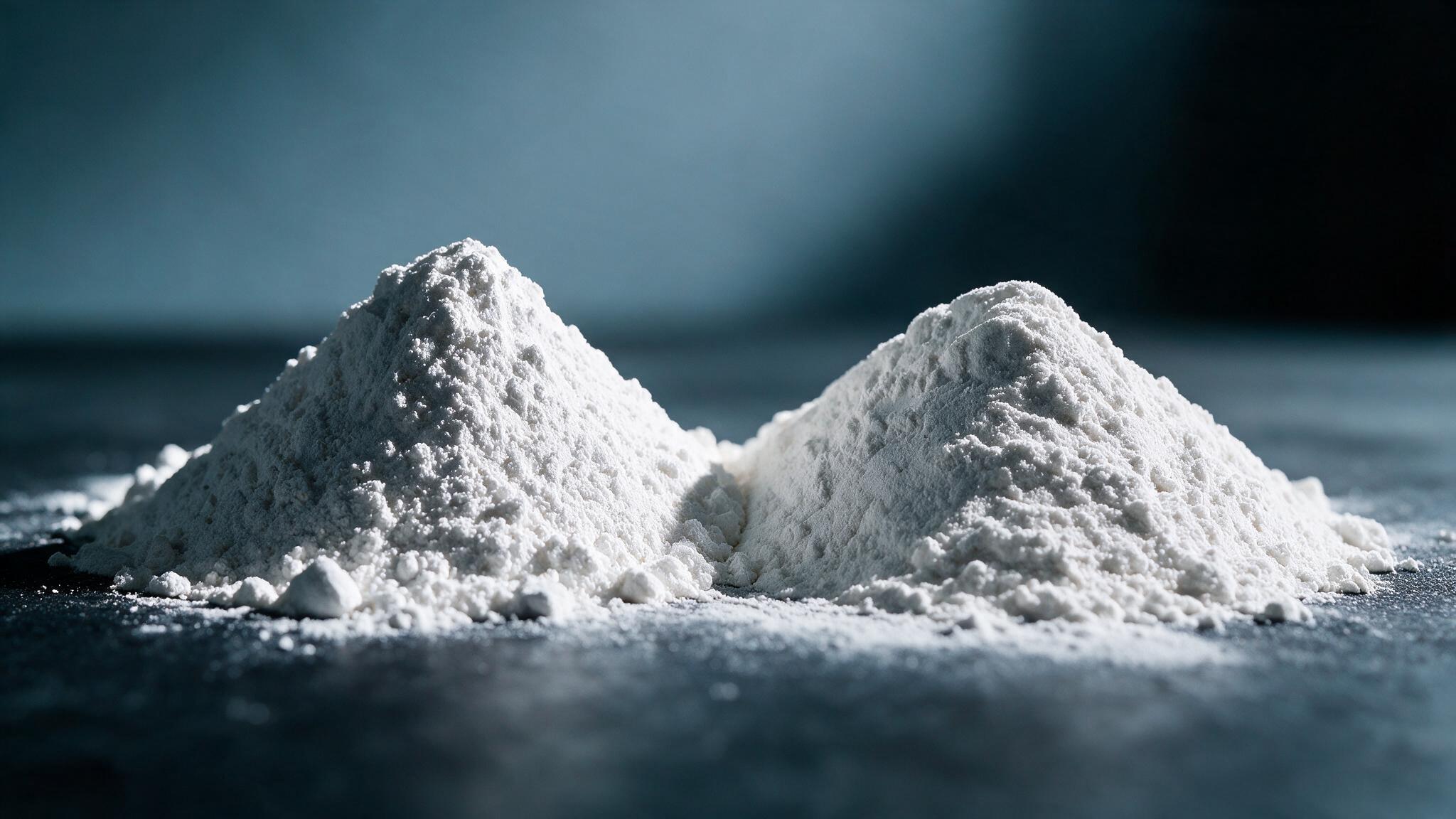
Acesulfame potassium is a white powder (molecular formula C₄H₄KNO₄S) in the group of oxathiazinone dioxides. It’s produced from the reaction of sulfamic acid, diketene, triethylamine and potassium hydroxide.
How it is useful is straightforward. It’s very sweet but your body has no use for it. It’s absorbed, it travels around a bit, and it’s gone. No energy consumed, no calories for you, no effect on your blood glucose.
Don’t be fooled by the name – one thing to note – it’s not a major source of potassium. Acesulfame potassium is not a significant source of potassium. There’s 10 mg in a packet. A banana has 400 mg. The “potassium” is chemistry.
What’s the difference between Acesulfame Potassium and Sugar?
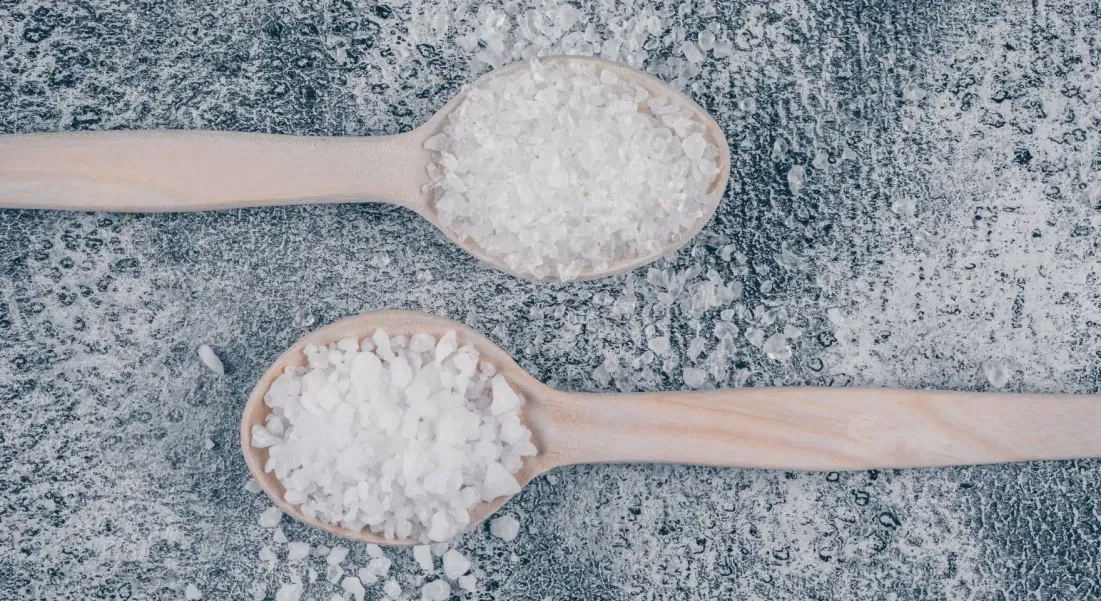
The first one is calories. One teaspoon of sugar contains 16 calories. That doesn’t sound like a lot until you consider the average soda has 10 teaspoons of sugar – 160 calories per can. And that’s 58,000+ calories in one year – or about 16 potential extra pounds of fat.
Acesulfame potassium tastes sweet without any calories.
But more than just the calories matter. So here’s where the differences lie:
- Energy delivery: Sugar is instant energy. It’s what your body is designed to eat. Ace-K gives the taste of energy without the energy, and the brain is left feeling tricked
- Blood glucose: Sugar gives an instant spike. Acesulfame potassium does not have a glycemic effect and is useful for diabetics
- Heat stability: Sugar caramelizes at high temperatures. Ace-K remains stable up to 225C, so can be used in baking, unlike aspartame
- Dental health: Tooth decay caused by acid erosion is the result of sugar fermentation by bacteria. Acesulfame potassium can’t be fermented, so it prevents cavities
- Shelf life: Ace-K can be stored for years. Sugar is too but it can be hygroscopic (absorbs moisture), which can be problematic
- Taste profile: Ace-K has a slight bitter taste at higher levels, so it’s nearly always used in combination
Why Its Rarely Used Solo
It’s not often used alone in commercial products. It is most commonly used in combination with other sweeteners to disguise each other’s shortcomings.
The most common pairings:
Sucralose and acesulfame potassium: This is the most common pairing in calorie free drinks and protein powder. Sucralose is the long sweetness, Ace-K is the initial impact and they combine to more closely resemble the taste of sugar than either would on their own
Acesulfame potassium vs aspartame is not really a vs – they go together. Aspartame has a sweet taste but is unstable at high temperatures and has a limited shelf life. Ace-K makes up for these shortcomings. This is the mix of most diet soft drinks
Sucralose vs acesulfame potassium is all about use. Sucralose is sweeter than sugar (600x vs 200x Ace-K), more costly, and has a different taste. Ace-K’s thermal stability makes it better for baking. When it comes to cold drinks, sucralose’s taste is preferred. But again – they’re typically used in combination
Is Acesulfame Potassium Bad for You? The 2026 Update
This is the question that is responsible for the majority of the search traffic for this ingredient, and got a lot clearer in 2025.
The EFSA re-evaluation (April 2025): This is the most significant event. The European Food Safety Authority (EFSA) has evaluated all the scientific information on acesulfame potassium and found no safety concerns for genotoxicity (ability to cause genetic damage) and no safety concern from current dietary exposure in the EU. In fact, they increased the ADI (acceptable daily intake) from 9 mg/kg to 15 mg/kg body weight (bw) per day – so they found that it was safer, not less safe.
Is acesulfame potassium banned in Europe? No. This is a common internet myth. It was explicitly confirmed by EFSA in 2015. All EU countries continue to approve it as food additive E950. It has been urged to be banned due to claims of cancer and hormone disruptions, but based on the evidence, it remains authorised.
Cancer concerns: A 2022 French population study of 102,856 adults found an association between Ace-K/aspartame intake and cancer. But the authors concluded additional research was needed to replicate the findings. Neither a regulatory agency has found that acesulfame potassium is carcinogenic. In particular, EFSA’s 2025 review found no genotoxicity issues.
Gut microbiome effects: This is where the real questions lie. Animal experiments have demonstrated that Ace-K can:
- Change the composition of gut bacteria after 4 weeks
- Increase weight gain in male but not female mice
- Up-regulate energy metabolism genes in males but down-regulate them in females
- Decrease good bacteria and increase inflammatory bacteria
- Damage intestines with increased migration of inflammatory cells
These are real effects and they’re important. However, they are accompanied by significant caveats – the doses used in the animal experiments are well above human dietary intake, and no study has repeated these effects in humans in controlled trials at dietary levels of intake.
Appetite and eating behavior: There is some evidence artificial sweeteners can cause increased hunger or change feelings of fullness, leading to higher food intake. The literature is conflicting and not unique to acesulfame potassium, but it’s a possibility for people who use a lot of zero-calorie-sweetened products to control their weight.
Where You’ll Find It
If you’re label reading, you want to look for acesulfame potassium, acesulfame K, Ace-K or E950. Common products include:
- Diet soft drinks and flavoured waters (usually mixed with aspartame or sucralose)
- Sugar-free chewing gum and mints
- Protein shakes and meal replacement drinks
- Sugar-free gelatin, jellies and confectionery
- Low-fat yogurt and milk products
- Reduced-sugar baked goods
- Medicines, such as liquid medicines and chewable pills
- Some toothpastes and mouthwashes
Who Should Be Cautious
Healthy adults who use acesulfame potassium within a normal diet don’t need to be concerned, according to current evidence. However, there are a couple of exceptions:
- Children under 2: This age group is recommended to avoid low-calorie sweeteners and added sugars in the 2020-2025 Dietary Guidelines for Americans
- If you have IBD or sensitivities: The animal microbiome results, while not definitive for humans, would suggest caution in people with inflammatory bowel diseases
- Heavy consumers of diet products: If you drink several diet soft drinks, eat diet snacks and consume supplements that include artificial sweeteners, the total consumption of all sweeteners (not just Ace-K) should be considered
- Pregnant and breastfeeding women: EFSA, FDA and JECFA all deem use at levels below the ADI safe but check your nutrition plan with your health professional
Conclusion
There’s no clear winner in the acesulfame potassium vs sugar debate. Sugar delivers the energy your body needs, but it can make you fat, diabetic and rot your teeth. Acesulfame potassium stops the calorie-induced problems in their tracks but raises questions about the effect on gut microbes, hunger hormones, and the long-term consequences of fooling your taste buds into perceiving sweetness without supplying calories.
In 2016, we know with certainty that the FDA and EFSA approve acesulfame potassium for use at current levels. In fact, the complete 2025 EFSA re-evaluation confirmed this. The new microbiome studies are interesting but don’t affect that status. Finally, no – acesulfame potassium bad for you claims can’t hold up against the best available evidence at current levels of consumption.
For food manufacturers looking for food-grade acesulfame potassium, Elchemy has approved suppliers with COA, purity certificates, and assistance with regulatory approvals.