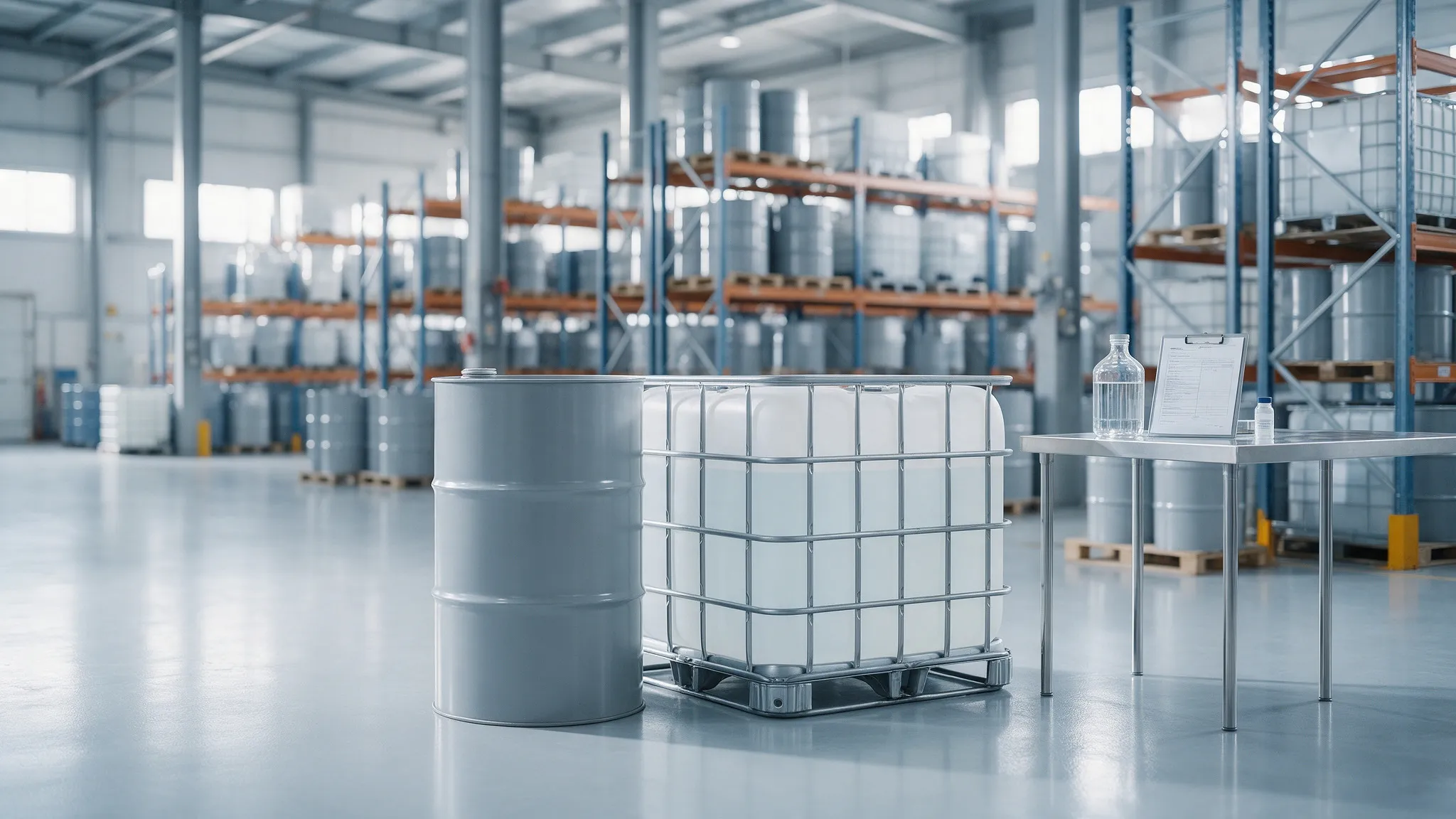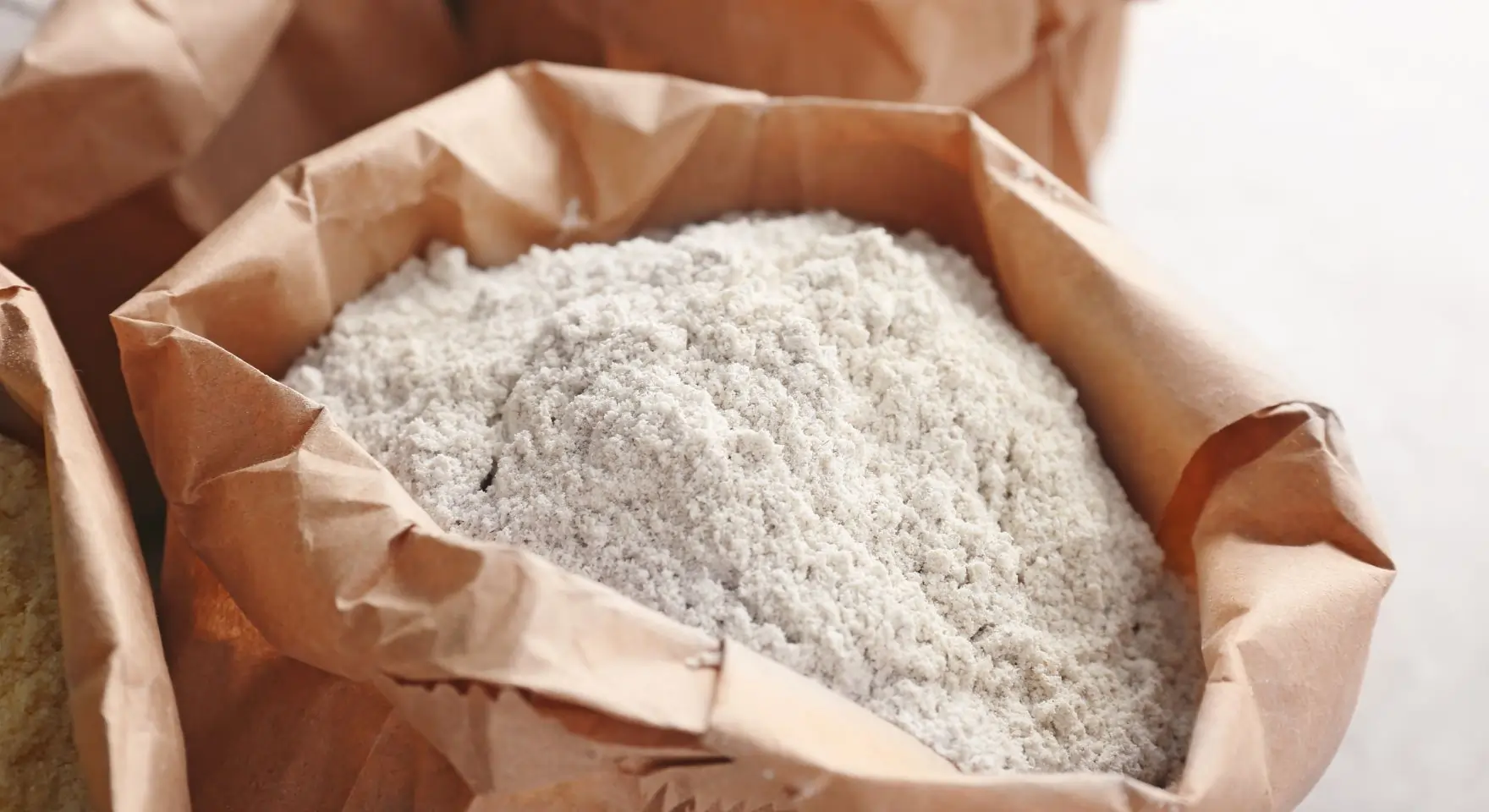


Wastewater treatment chemicals play a critical role in industrial water management, enabling industries to meet environmental regulations, reuse water, and optimize operational efficiency.
Globally, the wastewater treatment chemicals market is valued at over USD 38–40 billion and is projected to grow at a CAGR of 5–6% through 2030, driven by:
-
- Rapid industrialization
-
- Stricter discharge regulations (EPA, UK EA, EU REACH)
-
- Water scarcity and reuse mandates
-
- Growth in sectors like manufacturing, mining, chemicals, food & beverage
Industries rely on industrial wastewater treatment chemicals to remove suspended solids, neutralize pH, disinfect effluents, and meet compliance benchmarks making chemical selection a performance-critical decision.
4 Types of Wastewater Treatment Chemicals
Coagulants
Coagulants are wastewater treatment chemicals used to neutralize the electrical charges of suspended particles, allowing them to clump together for easier removal. They are essential in industrial wastewater treatment for reducing turbidity, heavy metals, and colloidal impurities before further processing.
Common examples:
-
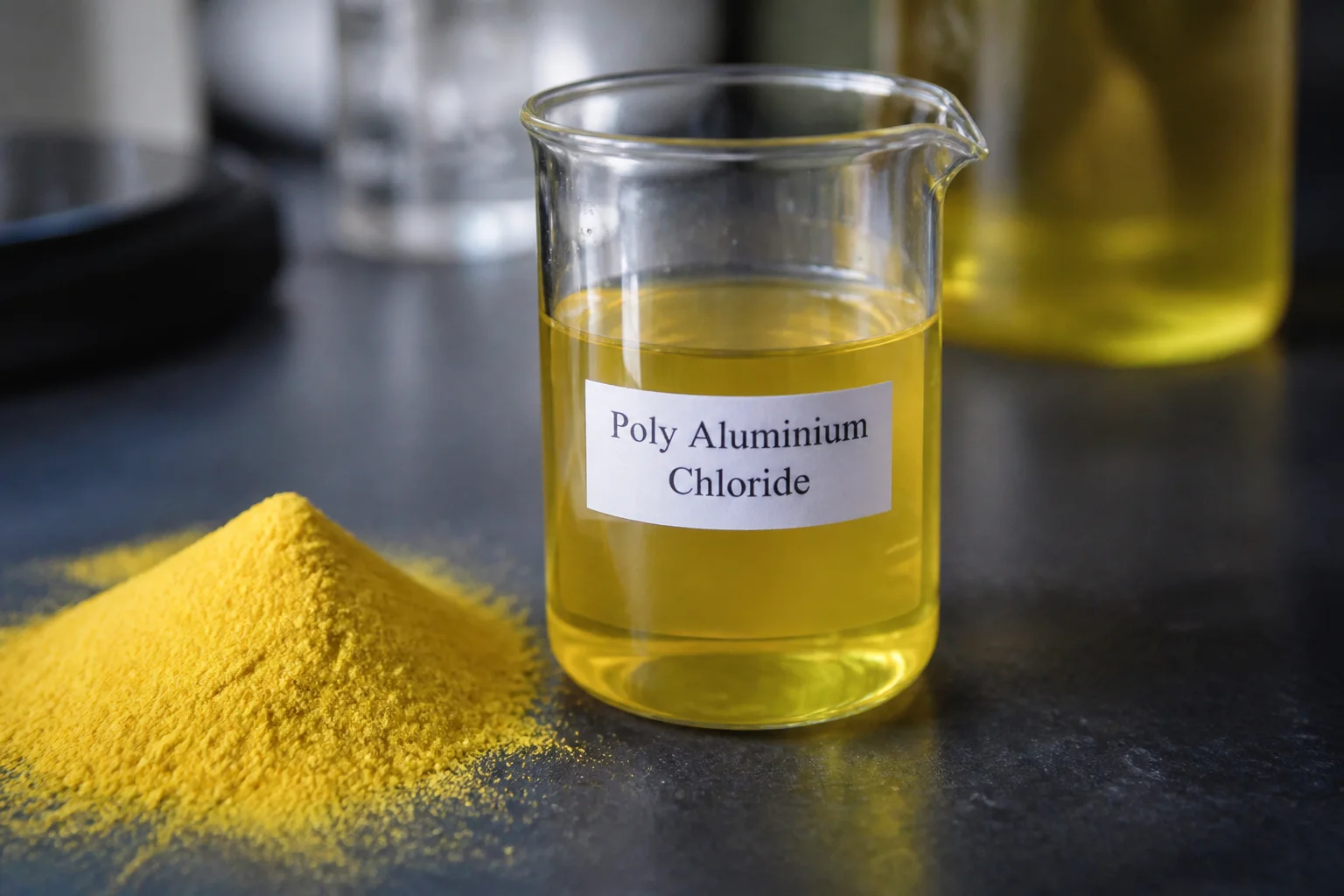
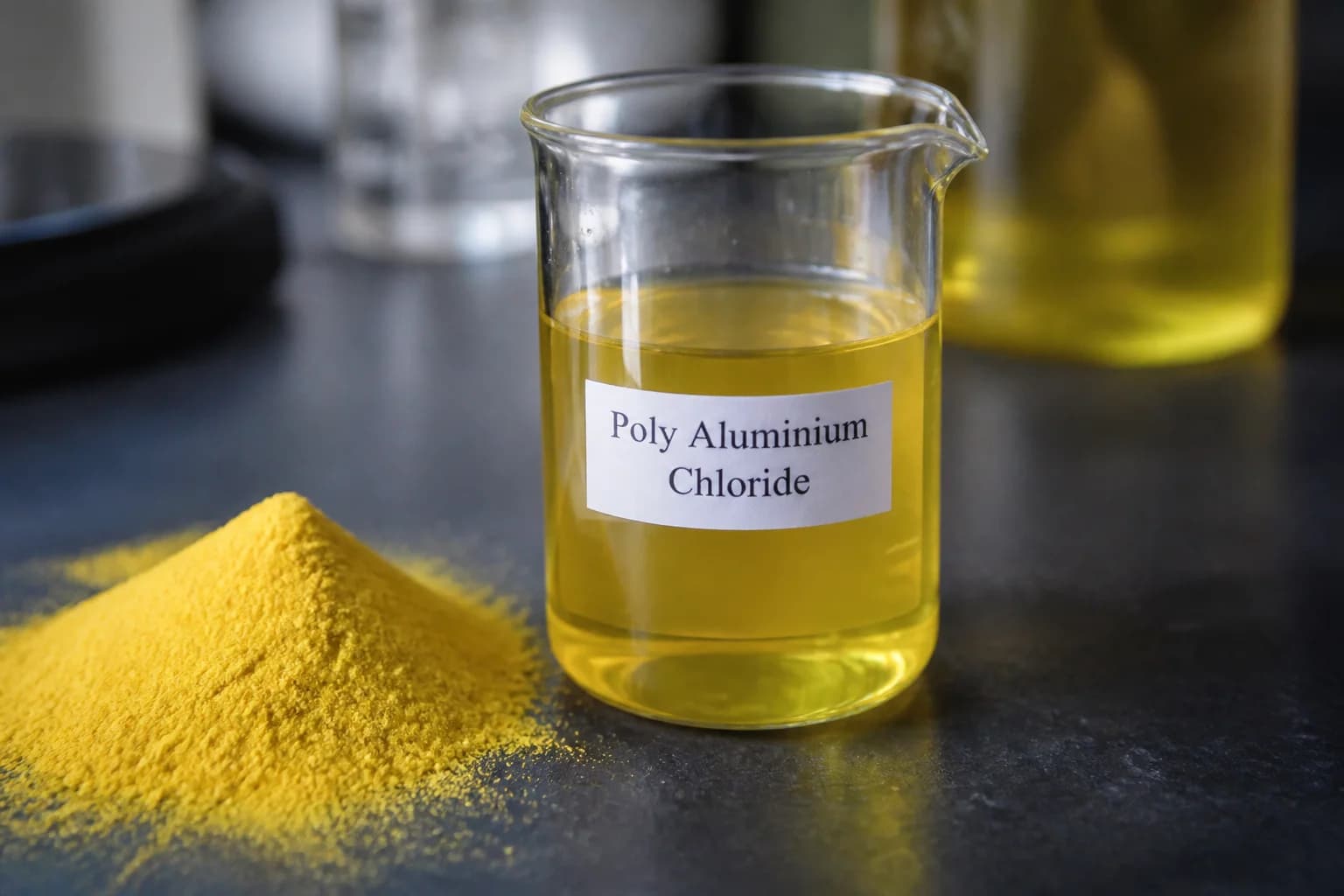
- Poly aluminum chloride (PAC)
Flocculants
Flocculants enhance the aggregation of destabilized particles into larger flocs, improving sedimentation and filtration efficiency. These chemicals are widely used in industrial wastewater treatment to accelerate solid liquid separation and reduce sludge volume.
Types:
-
- Anionic flocculants
-
- Cationic flocculants
-
- Non-ionic polymers
Disinfectants
Disinfectants are applied to eliminate harmful microorganisms, pathogens, and bacteria from treated wastewater before discharge or reuse. They play a critical role in meeting regulatory standards and ensuring environmental and public health safety.
Common disinfectants:
-
- Chlorine-based chemicals
-
- Peracetic acid
pH Adjusters
pH adjusters are used to control and stabilize the acidity or alkalinity of wastewater, ensuring optimal conditions for treatment reactions. Maintaining proper pH levels is crucial for treatment efficiency, equipment protection, and regulatory compliance.
Examples:
-
- Sodium hydroxide
-
- Lime
Benefits & USe Case of WasteWater Treatment Chemicals
Regulatory Compliance
Wastewater treatment chemicals help industries meet EPA, UK EA, and local discharge standards by effectively removing contaminants and pathogens.
Improved Treatment Efficiency
These chemicals enhance solid–liquid separation, disinfection, and pH control, ensuring consistent treatment performance across varying wastewater loads.
Cost Optimization
Optimized chemical dosing reduces sludge volume, lowers operational costs, and minimizes equipment wear in industrial wastewater treatment systems.
Water Reuse & Recycling
Treated wastewater can be safely reused in industrial processes, cooling systems, or utilities, reducing freshwater dependency.
Industry-Specific Applications
Widely used across manufacturing, chemicals, mining, power generation, food & beverage, and pharmaceuticals to manage complex industrial effluents.
3 Best Chemical Market Leaders & Industry Players
1. Elchemy (Industry-First Digital Chemical Platform)

Elchemy stands out as a modern, B2B-focused wastewater treatment chemicals partner, offering:
-
- Verified industrial-grade chemical sourcing
-
- Transparent supplier matching
-
- Compliance-ready documentation
-
- Sustainable and performance-optimized chemical options
Unlike traditional suppliers, Elchemy integrates technology, supply reliability, and sustainability, making chemical selection faster, safer, and more cost-efficient for industrial buyers.
Why Elchemy leads:
-
- Focus on industrial wastewater treatment chemicals
-
- Strong supplier vetting and traceability
-
- Support for sustainable wastewater treatment solutions
-
- Optimized for global compliance requirements
2. Kemira
A global leader in water treatment chemistry, specializing in coagulants and flocculants for municipal and industrial applications.
3. Solenis
Known for specialty water treatment solutions across heavy industry, pulp & paper, and manufacturing sectors.
Trends in Chemical Innovation & Sustainable Solutions
Key trends shaping the wastewater treatment chemicals market:
-
- Low-dosage, high-efficiency polymers
-
- Biodegradable and low-toxicity chemistries
-
- Reduced sludge-generation formulations
-
- Digital chemical monitoring and optimization
How Elchemy supports sustainability:
Elchemy enables access to eco-optimized chemical alternatives, helping industries reduce environmental impact while maintaining performance and compliance.
Comparison With Non-Chemical Treatment Methods
| Method | Chemical Treatment | Non-Chemical Treatment |
| Efficiency | High for varied contaminants | Limited to specific cases |
| Scalability | Easily scalable | Capital-intensive |
| Compliance | Reliable & proven | Often supplementary |
| Cost | Optimized OPEX | High CAPEX |
Regulatory & Environmental Context

Industrial wastewater treatment is governed by strict environmental regulations to prevent water pollution and protect public health. Partnering with reliable wastewater treatment chemicals suppliers ensures access to compliant chemicals and technical expertise for industrial operations. Regulatory bodies such as the EPA (US), UK Environment Agency, and local pollution control authorities mandate limits on contaminants, pH levels, and microbial content in discharged wastewater. Using compliant wastewater treatment chemicals helps industries meet these standards, reduce environmental risk, and maintain uninterrupted operations while supporting long-term sustainability goals.
Industrial wastewater must comply with:
-
- EPA (US) discharge standards
-
- UK Environment Agency (EA) permits
-
- EU REACH & local SPCB regulations
Using compliant wastewater treatment chemicals ensures:
-
- Reduced legal risk
-
- Environmental protection
-
- Operational continuity
Future Outlook & Market Forecast
The wastewater treatment chemicals market is expected to witness steady growth, driven by stricter environmental regulations, increasing industrial wastewater generation, and rising demand for water reuse. Advancements in sustainable chemistries, low-dosage formulations, and specialty treatment solutions are shaping the future of industrial wastewater management.
As industries prioritize compliance, efficiency, and environmental responsibility, demand for reliable and performance-driven wastewater treatment chemicals is projected to remain strong over the coming years.
The future of wastewater treatment chemicals is driven by:
-
- Stricter environmental regulations
-
- Industrial water reuse targets
-
- Demand for sustainable chemical solutions
-
- Smart chemical sourcing platforms
By 2030, industries prioritizing compliant and sustainable wastewater treatment chemicals will gain operational and regulatory advantages.
Conclusion
Wastewater treatment chemicals remain essential for industrial efficiency, compliance, and sustainability. Selecting the right chemistry supported by reliable suppliers and data-driven platforms like Elchemy ensures long-term performance, cost control, and environmental responsibility.
FAQs:
Q1. What chemicals are used in wastewater treatment?
Common chemicals include coagulants, flocculants, disinfectants, pH adjusters, and advanced oxidants.
Q2. How do I select the right wastewater treatment chemicals?
Selection depends on wastewater composition, industry type, regulatory requirements, and treatment goals.
Q3. Are wastewater treatment chemicals environmentally safe?
Modern formulations focus on low toxicity, biodegradability, and reduced sludge generation.
Q4. What industries use industrial wastewater treatment chemicals?
Manufacturing, mining, chemicals, pharmaceuticals, food & beverage, and power plants.
Q5. How does Elchemy help in wastewater chemical sourcing?
Elchemy connects industries with verified suppliers, compliant products, and sustainable chemical solutions.
Q6. Are chemical treatments better than non-chemical methods?
Chemical treatments offer higher flexibility and scalability, while non-chemical methods are usually supplementary.