

Sourcing sucrose at scale sounds simple on paper. It’s sugar. How complicated can it be?
Pretty complicated, as it turns out. The wrong grade fails a regulatory audit. The wrong format disrupts your entire production line. And the wrong supplier leaves you scrambling when a shipment is stuck at customs for three weeks with no one answering emails.
Businesses in food manufacturing, beverages, pharmaceuticals, and personal care source this ingredient by the metric ton every year. But plenty of them start the conversation with “we just need standard sugar” and end up with the wrong specification, missing documentation, or a supplier that couldn’t handle volume at all.
This guide walks you through the decisions that actually matter: liquid vs. granulated, food-grade vs. pharmaceutical-grade, what bulk pricing realistically looks like in 2026, and what separates a reliable sucrose supplier from a costly headache. If you want to skip the sourcing legwork entirely, Elchemy connects buyers worldwide with verified manufacturers from India and Southeast Asia, handling everything from spec matching to shipping documentation.
What Is Sucrose, and Why Does Grade Matter More Than You Think?
Sucrose is a disaccharide. One glucose molecule bonded to one fructose molecule. Chemically, C12H22O11. It’s what you find in cane sugar and beet sugar, and it makes up most of what sits in a table sugar jar.
Here’s what plenty of procurement teams miss until it’s too late: not all sucrose is the same, and “food-grade” is not the ceiling.
The difference between sucrose and sugar, technically, is that sucrose refers to this one specific compound, while “sugar” is a catch-all covering fructose, glucose, lactose, maltose, and others. When you’re buying for manufacturing, that distinction matters. Specify the compound, not the category.
Grade determines purity. Particle size affects dissolution rate and blending behavior. Moisture content impacts shelf life and how the material handles in your process. A confectionery manufacturer has entirely different requirements from a pharmaceutical company formulating oral syrups. Both are buying sucrose, but the specs they need sit at opposite ends of the quality spectrum.
Where is sucrose used in manufacturing beyond the obvious? Across more sectors than most buyers realize:
- Food and beverage: sweetener, fermentation substrate, preservative at high concentrations
- Pharmaceuticals: excipient in oral syrups, tablet coating, stabilizer in lyophilized biologics
- Personal care: exfoliant in scrubs, humectant in lip formulations
- Industrial fermentation: carbon source for microbial processes
Understanding your application before you contact a single supplier saves an enormous amount of back-and-forth.
Liquid Sucrose vs. Granulated Sucrose: A Real Breakdown
If your team tells you to “just order sucrose,” the first clarifying question is: liquid or granulated? They’re functionally different inputs, and mixing them up costs time and money.
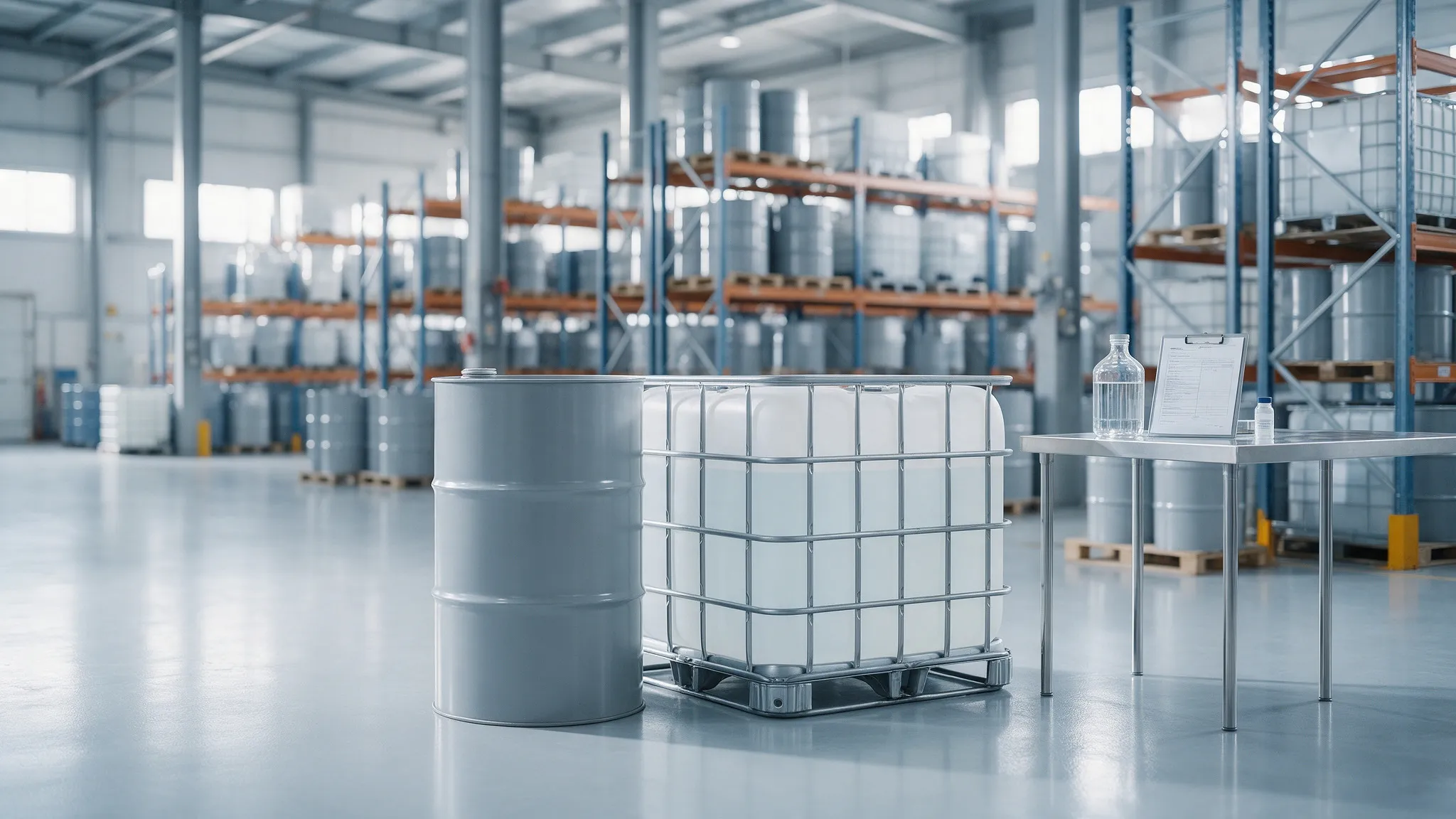
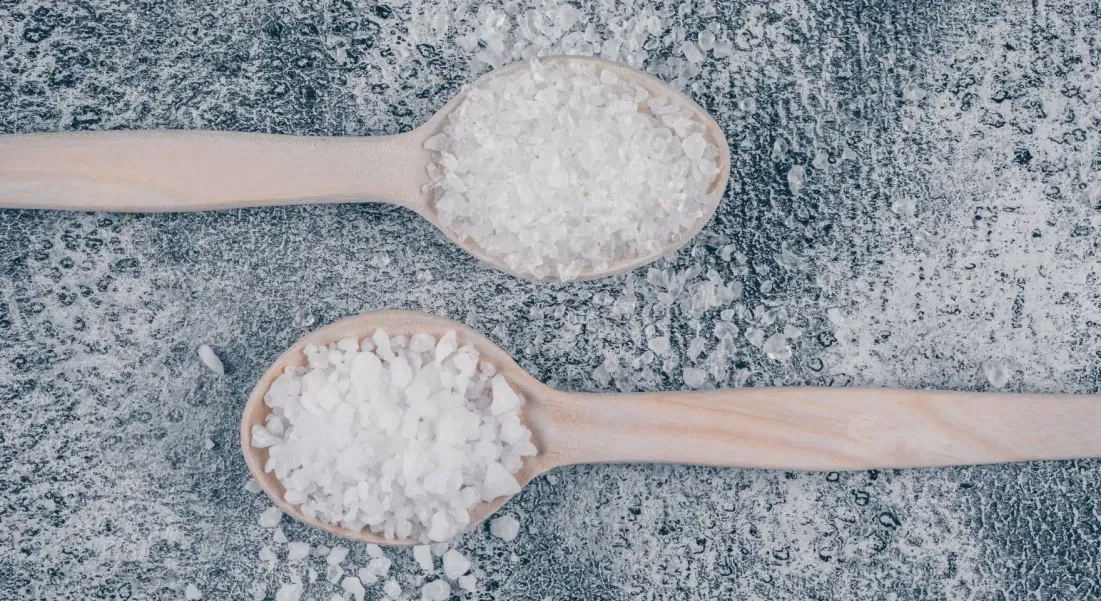
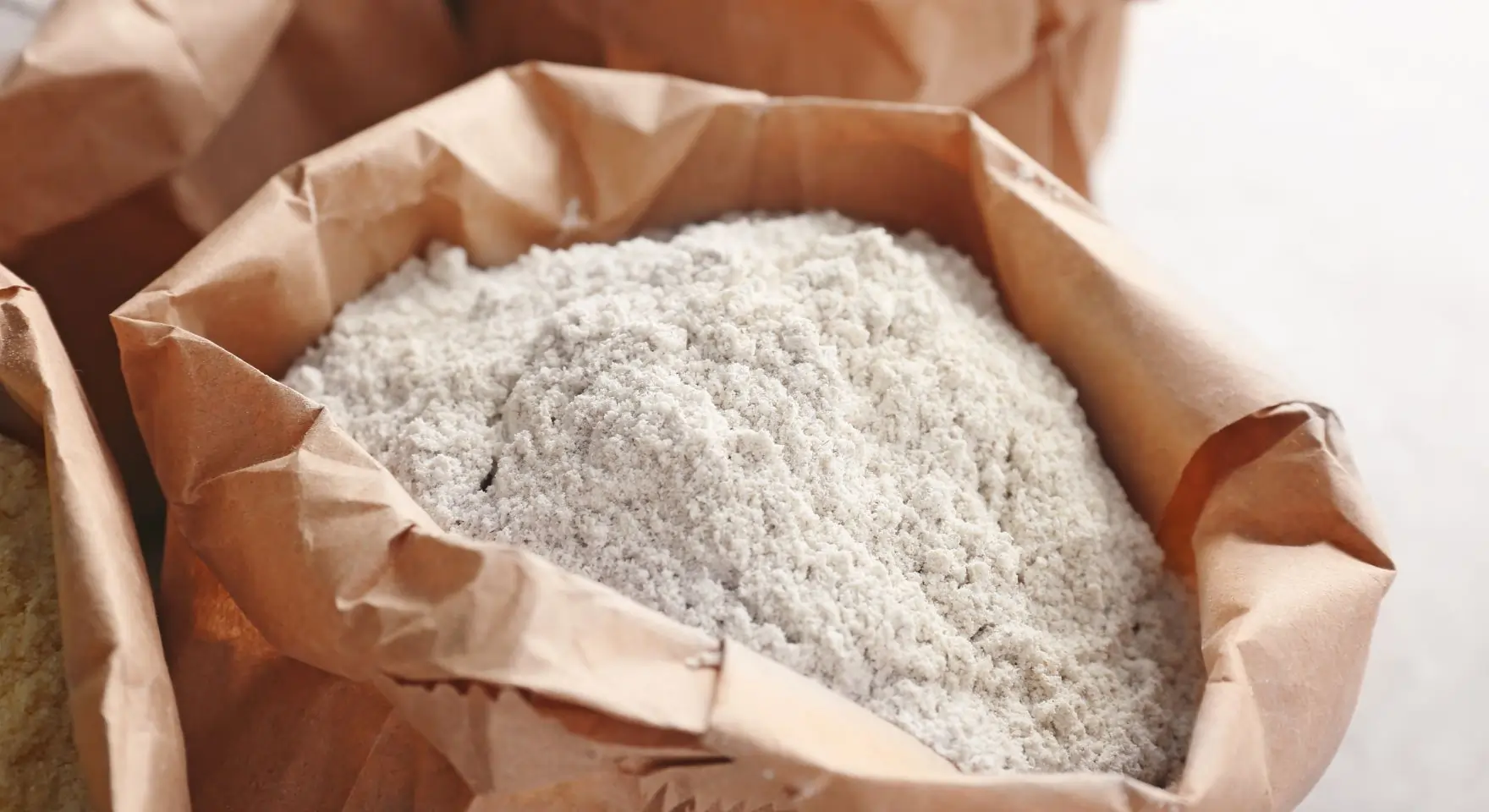
Granulated sucrose is the default. White crystalline material, typically 99.7-99.9% purity at food grade, shelf-stable for two or more years, straightforward to transport in 25 kg bags or 1 MT big bags. It’s the standard choice for baking, confectionery, dry mixes, and solid-form pharmaceutical products like tablets. Most global bulk sucrose moves in this form.
Liquid sucrose is a pre-dissolved aqueous solution, usually at 66-67% concentration by weight, referred to as 66 Brix. Beverage manufacturers use it heavily because it eliminates the dissolving step entirely, cutting production time and reducing the risk of undissolved particulates in the final product. Breweries use it. Canned fruit producers use it. Any high-volume liquid process where you’re adding sucrose directly to a tank is a strong candidate for the liquid form.
The downside of liquid? Shorter shelf life, typically 6-12 months, and you’re paying freight on water. At 66 Brix, roughly 34% of what you’re shipping is water. That adds up fast on large orders. A liquid sucrose supplier will usually charge more per unit of actual sucrose than a granulated supplier, so you need to weigh that against the processing savings on your end.
There’s also invert sugar, worth knowing about. It’s sucrose hydrolyzed into its component monosaccharides, sweeter by weight, more resistant to crystallization, and widely used in soft drinks, moisture-retaining baked goods, and ice cream. If you’re evaluating liquid sucrose options, ask your supplier about invert sugar at the same time. The uses often overlap, and a good liquid sucrose supplier will carry both.
Liquid sucrose vs. granulated sucrose uses often come down to your existing processing equipment more than anything else. If you already have dosing pumps installed, liquid sucrose can genuinely save labor hours per shift. Defaulting to granulated because it feels like the “safer” choice, without checking your own process needs, is more common than it should be.
Food-Grade vs. Pharmaceutical-Grade Sucrose: When the Spec Sheet Gets Serious
This is where grade specification stops being administrative and starts being a compliance requirement.
Food-grade sucrose meets standards like FSSC 22000, ISO 22000, or US FDA 21 CFR Part 110/117 requirements. Minimum purity is typically 99.7%. Suppliers need to provide a Certificate of Analysis, allergen declarations, and for international shipments, usually a Health Certificate or Certificate of Origin. A food grade sucrose supplier should have all of this ready without needing to be chased.
Pharmaceutical-grade sucrose is a different document set and a different manufacturing environment entirely. Purity requirements jump to 99.9%+ in most pharmacopoeial monographs, including USP, BP, and EP. Heavy metal limits are tighter. Microbial count specifications are more stringent. The manufacturing facility needs GMP certification, and the documentation trail, covering batch records, stability data, and full pharmacopoeial testing, is significantly more demanding than for food supply.
The cost difference is real. Pharmaceutical grade sucrose typically runs 40-80% higher per kg than food-grade, depending on the supplier and volume. But using food-grade material in a pharmaceutical application isn’t a cost optimization. It’s a regulatory violation waiting to happen. Auditors check this, and so do your downstream clients.
One thing that often surprises procurement teams: food-grade vs. pharmaceutical-grade sucrose isn’t purely about purity numbers on a CoA. It’s about the entire chain of custody and the audit trail you can present to regulatory bodies. If your product ends up in oral solutions, injectables, or nutraceuticals sold in regulated markets, every step in the supply chain needs documentation that holds up to scrutiny.
How to Source Sucrose in Bulk Without Getting Burned
Sourcing volume is a completely different process from placing a small trial order. A few things worth building into your procurement approach before the first conversation with a supplier:
Get the spec sheet before you discuss the price. A sucrose manufacturer quoting $0.55/kg might be offering 99.7% food-grade crystalline material. Another quoting $0.52/kg might be offering 99.5% with looser moisture specifications. That $0.03 difference looks like savings until your QC team rejects an entire container.
Ask about sourcing origin. Most bulk sucrose globally comes from Brazil, India, Thailand, and beet sugar-producing regions of Europe. Each origin has different seasonal pricing patterns, export documentation requirements, and logistics complexity. A bulk sucrose supplier who sources exclusively from one country is a supply chain concentration risk, particularly if that country’s export policy shifts.
Sort out documentation requirements early. Importing into the US, UK, EU, or UAE means specific paperwork: Certificate of Analysis, MSDS, Country of Origin certificate, and often phytosanitary or fumigation certificates depending on the destination. Finding this out after the cargo ships is a painful and expensive lesson.
Know your MOQ reality. Sucrose manufacturers typically set minimum order quantities at 1-5 metric tons for food-grade. Pharma-grade MOQs can be lower per batch but come with higher per-unit costs. If your volume falls below typical MOQs, you’re probably working through a distributor, which adds margin.
Run a trial order first. Always. No matter how credible a sucrose manufacturer looks on paper, a 500 kg trial order before committing to a 20-ton contract is the most sensible risk management in procurement. Quality looks different in a sample than in a production batch, and so does supplier communication.
What to Look For When Evaluating a Sucrose Supplier
Plenty of suppliers can send a price quote. Far fewer can reliably deliver the right quality to your facility, in your market, with the documentation your regulatory team actually needs.
The things that consistently separate reliable sources from frustrating ones:
- Certifications matched to your target market. FDA registration for US imports. BRC or IFS certification for European retail. HALAL and KOSHER certification where your end-market demands it. Don’t accept “we can provide this later.” Request it upfront before any commercial commitment.
- Batch-to-batch consistency. Request CoAs from multiple production lots, not just the sample they sent you. Variation in purity or particle size between batches is a real problem in precision manufacturing, and it’s more common than suppliers will volunteer.
- Logistics transparency. Customs delays happen. What distinguishes a solid sucrose supplier is whether they communicate actively when something goes wrong, or go silent and hope the problem resolves itself.
- Clear volume-based pricing. A reliable supplier breaks down price tiers by volume without ambiguity. Hidden charges for documentation, fumigation, or inspection that appear after you’ve agreed to a price are a serious red flag.
- Relevant application experience. A supplier with strong experience in the food and nutrition industry isn’t automatically equipped to handle pharmaceutical-grade supply chain requirements. Ask for references that match your specific application.
One often-overlooked factor: supplier financial stability. A smaller manufacturer with great quality but thin margins can run into production delays or quietly deprioritize your orders when raw material costs spike. Check for it during qualification, not after your first stock-out.
Comparing Sucrose Formats at a Glance
| Feature | Granulated (Food-Grade) | Liquid Sucrose (66 Brix) | Pharmaceutical-Grade (Dry) |
| Typical Purity | 99.7-99.9% | 66% w/w solution | 99.9%+ |
| Primary Applications | Baking, confectionery, dry mixes | Beverages, brewing, canned goods | Oral pharma, biologics, nutraceuticals |
| Shelf Life | 2+ years | 6-12 months | 2+ years |
| Shipping Cost | Lower (dry, dense) | Higher (water weight) | Moderate to high |
| Approx. Bulk Price | $0.45-0.65/kg | $0.50-0.75/kg (as solution) | $0.85-1.50/kg+ |
| Standard Documentation | CoA, FSSC 22000, Health Cert | Same as granulated | GMP cert, full pharmacopoeial dossier |
| Typical MOQ | 1-5 MT | 1-5 MT | 500 kg – 2 MT |
Prices above reflect approximate 2025-2026 market ranges for larger orders. Sucrose price is commodity-linked and shifts regularly, so always request a live quote before committing to procurement budgets.
How Elchemy Helps With Sucrose Sourcing
If you’ve tried sourcing specialty food ingredients or pharmaceutical raw materials from Asia, you know exactly what the real problem is. Finding a factory is trivially easy. A Google search returns 50 options in minutes. Finding a verified manufacturer that ships reliably to the US, UK, or UAE, handles all the required documentation, and stays responsive when something goes sideways? That’s where most procurement teams waste weeks, then quietly go back to the expensive local distributor they were trying to avoid in the first place.
Elchemy is built to solve that problem directly. It’s a technology-enabled B2B companies that connects global buyers with vetted manufacturers primarily in India and Southeast Asia. Here’s what makes it genuinely useful for sucrose procurement specifically:
- Verified supplier network. With 200+ vetted manufacturing partners, Elchemy verifies suppliers before they’re listed. You’re not cold-emailing a factory whose credentials you can’t check.
- Multi-grade sourcing capability. Whether you need food-grade granulated sucrose or pharmaceutical grade sucrose from a GMP-certified facility, the sourcing coverage spans both ends of the quality spectrum.
- Custom chemical manufacturing support. Custom spec requests, non-standard grades, and specific formulation requirements are handled, not just catalog items.
- Documentation built into the process. Regulatory compliance paperwork, CoAs, import-export documentation for your destination country, it’s part of the service, not something you chase down separately.
- Real-time shipment tracking. Once your order ships, the companies gives you logistics visibility. For international orders crossing multiple customs jurisdictions, that visibility matters more than most buyers realize until they’re three weeks into a wait.
- Flexible volume matching. From a 500 kg pharma qualification run to a 50 MT food manufacturing contract, Elchemy matches suppliers to your actual volume requirements rather than forcing you into someone else’s standard minimums.
The companies covers 55+ countries, with particular depth in the US, UK, UAE, and Australia, all markets where import compliance demands are high and documentation errors are costly. For buyers trying to reduce dependence on a single-origin supply chain, the multi-country sourcing capability is worth a specific conversation.
→ Ready to connect with verified sucrose suppliers? Book a demo with Elchemy and get matched with the right manufacturer in under 48 hours.
Sucrose Pricing: What to Expect in 2026
Let’s talk actual numbers.
At the commodity level, sucrose price tracks the ICE Sugar No. 11 futures contract (raw sugar, traded globally). In early 2026, raw sugar was trading in the $0.17-0.22 per pound range, translating to roughly $0.37-0.48/kg before any processing or certification.
By the time you factor in refining, food-grade certification, packaging in 25 kg bags or 1 MT big bags, and export from India or Thailand, food-grade granulated sucrose for 20 MT+ orders typically lands between $0.45 and $0.65/kg. Smaller volumes push that higher. Pharma-grade sits well above that range.
A few things that move pricing in practice:
Origin. Indian sucrose has been competitive due to strong domestic cane production, particularly from Maharashtra and Uttar Pradesh. Brazilian sugar dominates in Western markets through established trade infrastructure. Thai origin is common across Southeast and East Asia. Each comes with different freight costs to your facility.
Seasonality. India’s crushing season runs roughly October through March. Supplier availability and pricing both tighten in the off-season. If your annual requirements are large, forward contracting at least a portion of your volume makes financial sense.
Volume tiers. The price jump from a 5 MT to a 20 MT order is typically 8-12%. Negotiating from 20 MT to 50 MT can move it further. Know your annual consumption figure before entering supplier conversations, or you’ll leave money on the table.
Currency fluctuations. If you’re buying in USD but your sucrose manufacturer prices in INR or BRL, exchange rate movements can shift your effective cost meaningfully from one quarter to the next. Build that into your budgeting assumptions.
Frequently Asked Questions
What is the difference between sucrose and sugar?
Sucrose is one specific compound: a disaccharide of glucose and fructose, C12H22O11. “Sugar” is a broader category that includes sucrose, fructose, glucose, lactose, maltose, and others. In manufacturing contexts, always specify sucrose rather than sugar to ensure you’re ordering the right compound. The distinction matters for formulation, regulatory documentation, and quality specifications.
Is liquid sucrose or granulated sucrose better for beverage manufacturing?
For most high-volume beverage production, liquid sucrose (66 Brix) is the more efficient choice. It eliminates the dissolving step, reduces the risk of undissolved particulates, and integrates directly into liquid dosing systems. The trade-off is a shorter shelf life and higher freight cost per unit of sucrose. If your facility has dosing pumps already installed and you’re running continuous production, liquid form almost always wins on total processing cost.
What certifications should a food grade sucrose supplier have?
At minimum, a food grade sucrose supplier should hold FSSC 22000 or ISO 22000 certification and be able to provide batch-specific Certificates of Analysis. For US imports, FDA registration or compliance with 21 CFR is required. For European markets, BRC or IFS certification is commonly expected by retail and industrial buyers. HALAL and KOSHER certification should be requested where relevant to your end product.
How does pharmaceutical grade sucrose differ from food grade?
Pharmaceutical grade sucrose requires 99.9%+ purity vs. the typical 99.7% minimum for food grade. Heavy metal limits are tighter, microbial specifications are stricter, and the manufacturing facility must operate under GMP conditions. The documentation package is substantially more demanding, covering batch records, stability data, and full pharmacopoeial monograph testing (USP, BP, or EP depending on your target market). The cost premium is 40-80% over food-grade, but substituting food-grade in pharmaceutical applications creates serious compliance exposure.
How do I evaluate a bulk sucrose supplier before placing a large order?
Start with documentation: request current certifications, multiple CoAs from different production batches, and a sample. Run a trial order of 500 kg to 1 MT before committing to volume. Check their export history to your specific market, not just general export capability. Ask for references from buyers in your industry. And test their communication responsiveness during the qualification process. How a supplier handles questions during evaluation is predictive of how they’ll handle problems once you’re a customer.
Can I source sucrose from India for import into the US or EU?
Yes, India is one of the major global sources for both food-grade and pharmaceutical-grade sucrose, and Indian manufacturers regularly export to the US, EU, UK, and UAE. You’ll need the appropriate documentation: Certificate of Analysis, Certificate of Origin, MSDS, and typically a Health Certificate. For pharmaceutical-grade, the manufacturing facility needs to meet GMP standards that align with your target market’s regulatory body (FDA, EMA, etc.). Working with sourcing companies like Elchemy that has established relationships with Indian manufacturers simplifies the compliance and logistics process considerably.
Conclusion
Finding the right sucrose supplier is less about finding the cheapest price and more about matching the right spec, the right grade, and the right logistics capability to your actual production needs. Granulated or liquid, food-grade or pharma-grade, these aren’t minor details. They determine whether your product clears quality control and regulatory inspection.
Match your format to your process: liquid sucrose for high-volume liquid production, granulated for dry mixing and solid-form applications
Food-grade and pharmaceutical-grade are not interchangeable – get the spec right before the purchase order
Evaluate suppliers on certifications, batch consistency, and documentation capability, not just unit price
Forward contracting and multi-origin sourcing reduce supply chain risk for large annual volumes
Trial orders before volume commitments are non-negotiable, regardless of how credible the supplier looks on paper
If you’re sourcing sucrose at scale for the US, UK, UAE, or any regulated import market, Elchemy is worth a conversation. Verified manufacturers, built-in documentation support, and real logistics visibility make for a very different sourcing experience than chasing factories on a B2B directory. Start with a demo and see what the right supplier match looks like for your specific application.