Products
Our Technology
Sustainability & Compliance

Home / Blogs / Chemical Market / Erythritol vs Maltitol: Which Sugar Alcohol Actually Makes Sense for You?

Erythritol vs Maltitol: Which Sugar Alcohol Actually Makes Sense for You?

Authored by
Elchemy
Published On
17th Apr 2026
11 minutes read
FacebookTwitterLinkedInLinkedIn

At a Glance

  • erythritol is a 4-carbon sugar alcohol with GI of zero, 0.2 calories per gram, and almost no digestive side effects at normal doses
  • maltitol is a 12-carbon disaccharide sugar alcohol with GI of 35 to 52 depending on form, 2 to 3 calories per gram, and more GI side effects per gram than erythritol
  • erythritol is absorbed mostly in the small intestine and excreted unchanged in urine, which is why it doesn’t cause the same gut fermentation issues as most sugar alcohols
  • maltitol is partially digested in the small intestine, does raise blood sugar and insulin to a degree, and ferments more in the gut
  • a 2023 Nature Medicine study found high erythritol blood levels associated with roughly 2x cardiovascular event risk, and a 2024 ATVB intervention study found increased platelet aggregation in every participant after 30g erythritol
  • this erythritol cardiovascular finding is contested, association not causation, and high doses may not reflect typical dietary exposure
  • no equivalent cardiovascular concern has been raised for maltitol
  • maltitol wins on texture and taste, especially in chocolate, erythritol wins on glycemic impact and calorie count
  • both are FDA GRAS and EU approved

If you step into your local supplement shop, or browse a page of keto products on the internet, you’ll likely see erythritol and maltitol in the ingredient list, typically grouped under the catch-all term “sugar alcohol”. Both are sugar alcohols, and both are used to reduce the calorie and glycemic score of sugar, and you’ll find them in “sugar-free” chocolate, gummies, protein bars and even cakes.

But erythritol and maltitol are actually very different in all but a handful of ways. They have different molecular structures, different calories, different impacts on blood sugar, different side effects for the digestive system, and different research on their safety. If you are comparing products or formulating with one or the other, these differences are important.

What Each One Is?

Erythritol

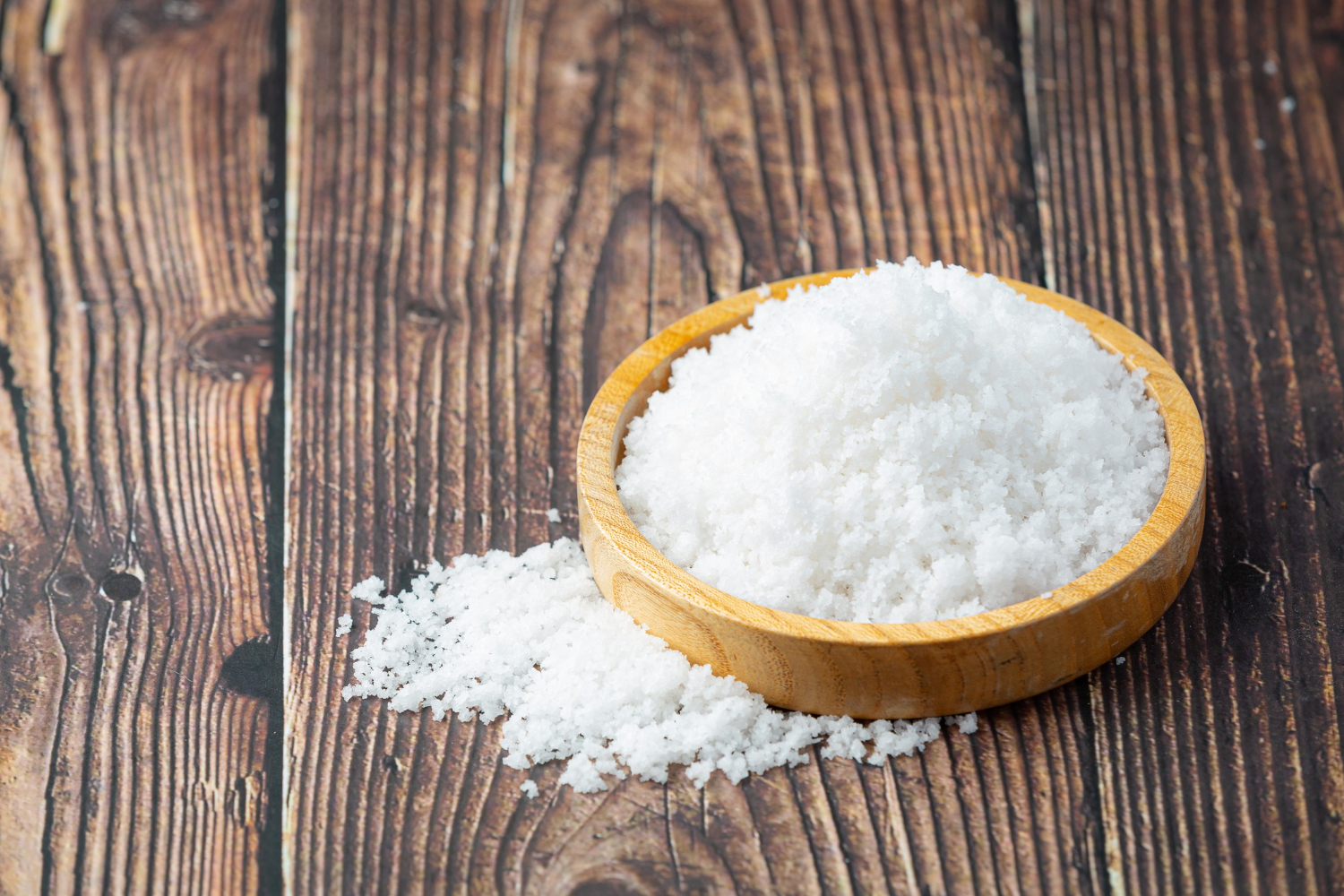
is a naturally occurring four-carbon sugar alcohol (C₄H₁₀O₄). It occurs naturally in small quantities in fruits, such as watermelon, pears and grapes, and also in sake (Japanese rice wine) and miso (fermented soybeans). It’s commercially produced by fermenting corn starch using yeast to convert the glucose to a highly pure product. Due to its simple, low-molecular-weight structure it is absorbed differently from nearly all other sugar alcohols.

Maltitol is a 12-carbon disaccharide polyol (C₁₂H₂₄O₁₁) made by hydrogenating maltose. It’s derived from starches, typically corn, wheat or potato. This means it has a larger, more complex structure which means it has a sweet taste like sugar and similar flow properties and also that it’s partially digested in the body, unlike erythritol.

They are both polyols (sugar alcohols) and are both GRAS in the US and EU approved food additives. That’s where the similarities stop.

Erythritol vs Maltitol: The Numbers Side by Side

Feature Erythritol Maltitol
Chemical structure 4-carbon polyol 12-carbon disaccharide polyol
Sweetness vs sugar 60 to 80% 75 to 90%
Calories per gram 0.2 kcal/g (rounds to 0 on labels) 2.0 to 3.0 kcal/g
Glycemic index 0 35 (powder) to 52 (syrup)
Blood sugar impact None Moderate, especially syrup form
Insulin response None Yes, partial
Absorption ~90% in small intestine, excreted in urine Partially digested in small intestine
Gut fermentation Minimal More significant
GI side effects Low at normal doses, can cause issues at high doses Higher per gram than erythritol
Cooling aftertaste Yes (noticeable) No, very sugar-like
Best for Keto, diabetics, calorie reduction Chocolate, baked goods, sugar-like texture
Cardiovascular research concern Yes, 2023 and 2024 studies (contested) Not raised for maltitol
Dental impact Non-cariogenic Non-cariogenic

Blood Sugar and Glycemic Impact: No Contest
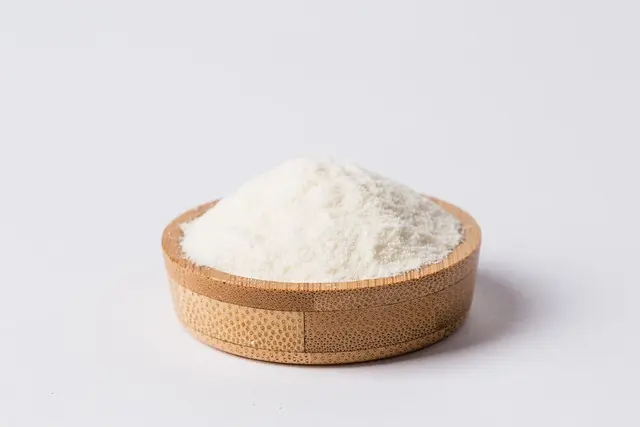
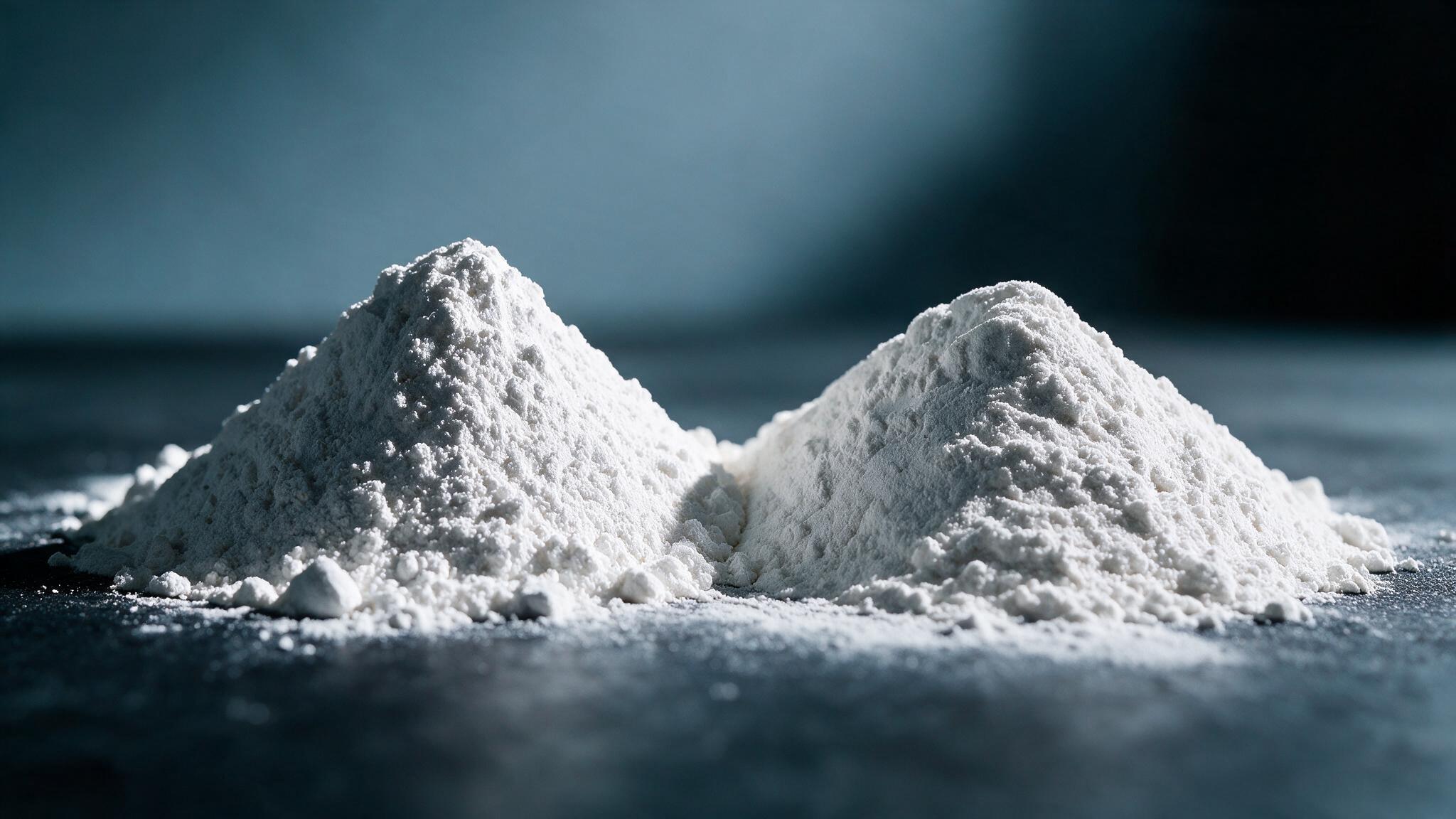
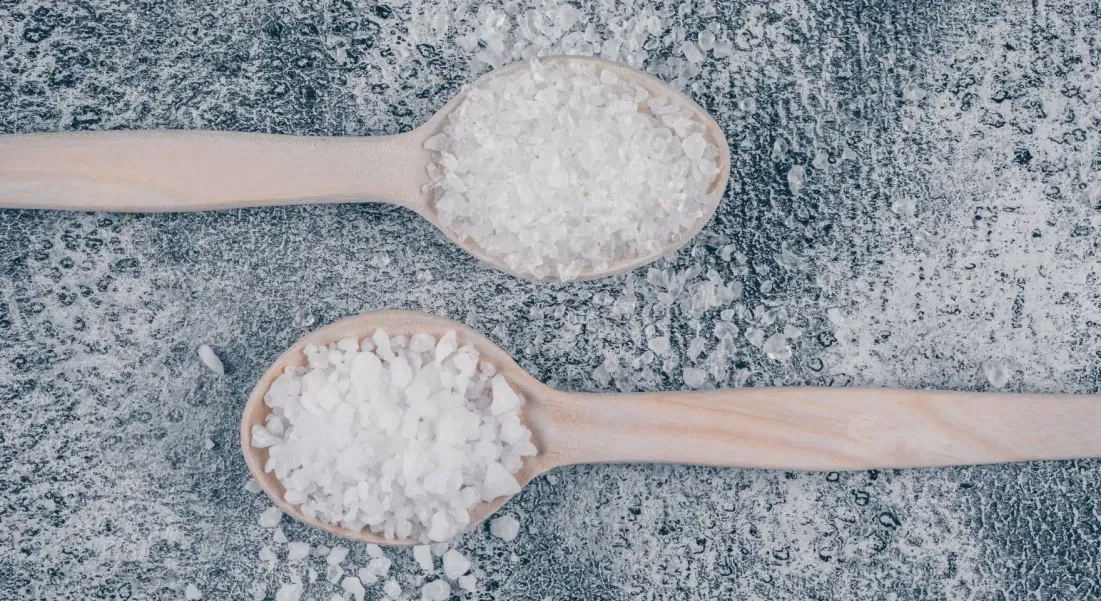
erythritol vs maltitol

Glycemic Impact: The Key Difference

It’s the most important thing to know for people with blood sugar concerns.

Erythritol’s glycemic index is zero. It’s not going to affect your blood glucose level, it’s not going to cause your body to produce insulin, and it’s not going to count against the net carbs you have to keep track of when following a ketogenic diet. Why? Because it’s a simple structure that’s absorbed in the small intestine and then passes through without being altered on its way out through your urine. It doesn’t get broken down and there’s no glucose to reach the blood.

By contrast, maltitol is metabolized. The GI of powdered maltitol is 35 – still lower than sugar (60 to 65), but it will raise your blood glucose levels. Maltitol syrup (often used in lower-cost sugar-free products) has a higher GI of 52. Almost as high as sugar.

Why maltitol doesn’t belong in keto:

Many foods labeled “keto-friendly” or “diabetic-friendly” are sweetened with maltitol. This is deceptive for a few main reasons:

  • Maltitol does increase blood sugar and stimulate some insulin
  • At the Glycemic Index (GI) of maltitol syrup (52), a large serving will increase glucose close to the same amount as sugar
  • It’s not correct to count maltitol as zero net carbs like erythritol
  • Type 1 diabetics must consider maltitol when they’re administering insulin

If you want to control your blood sugar, the choice is overwhelmingly erythritol.

Maltitol vs Erythritol Side Effects: Digestion

Both can cause digestive issues. However, how and at what point.

Erythritol’s digestive profile:

Erythritol is mainly absorbed in the small intestine, instead of making it to the large intestine, which means it doesn’t ferment as strongly as other sugar alcohols. That’s why erythritol is better tolerated on a per gram basis than sorbitol, xylitol and maltitol. Orally, up to about 1g per kg bodyweight, it’s well tolerated. If you go higher, you may feel sick or have diarrhea.

  • Good example of a problematic dose: greater than 50g of a single sitting for most people
  • Typical daily dietary use (5-25g): generally well tolerated
  • Cardiovascular trial doses of 30g are at the high end of expected servings

Maltitol’s digestive profile:

Maltitol is partially digested in the small intestine (and some glucose is released) with the remainder ending up in the large intestine where it is fermented by the microbiota. This results in gas formation and bloating, cramping and diarrhoea at high consumption levels. Most people find that maltitol is more likely to cause GI symptoms than erythritol, on a gram-for-gram basis.

  • Most people: 20-30g per day for symptoms to occur
  • More likely to cause laxative effect than erythritol at the equivalent dose
  • Dependent on dose and can vary from person to person

Practical comparison:

Neither gives you licence to eat as much as you like. But to avoid digestive disturbances, the fact that erythritol is absorbed means it’s more likely to be tolerated. The type of “sugar-free” foods most likely to upset your stomach are those containing high per-serving levels of maltitol or sorbitol (think cheap sugar-free chocolate).

On the Erythritol Heart Study: Here’s What You Need to Know

A study at the Cleveland Clinic, published in Nature Medicine in 2023, reported individuals with the highest blood concentrations of erythritol had about 2 times the risk of major cardiovascular events (heart attack, stroke, death) than individuals with the lowest concentrations over a 3-year period. In 2024, the same researchers published an intervention study in the journal Arteriosclerosis, Thrombosis, and Vascular Biology showing all 20 healthy adults had hyperactive platelets after consuming a beverage containing 30g of erythritol. Erythritol blood concentrations spiked 1,000-fold and took several days to normalise.

It’s important, and it shifted the debate about erythritol. But it’s not as straightforward as frightening headlines imply:

Why you should be concerned:

  • The association in the large cohort was reproducible
  • Platelet effects occurred in 100% of the intervention study participants
  • Erythritol’s unusual pharmacokinetics result in blood concentrations surging rapidly and remaining high longer than other sugar alcohols
  • The same authors also observed comparable effects with erythritol’s cousin, xylitol

Arguments for keeping perspective:

  • Association, not causality, is seen in observational studies. High blood concentrations of erythritol in individuals may be due to increased endogenous production (erythritol is a byproduct of the pentose phosphate pathway in human metabolism)
  • The 30g dose used in the intervention study is towards the high side of single serve so it’s greater than most
  • Another 5-week study in obese patients consuming erythritol had no effect on blood vessel function, intra-abdominal fat or glucose tolerance
  • The commercial use of erythritol for 50+ years has not resulted in clear causal cardiovascular injury
  • The blood from the first cohort was drawn between 2004 and 2011, well before the popular use of erythritol in the US, so the high levels in these high-risk patients may not be due to dietary erythritol intake

What this means practically:

  • People who are healthy, and use erythritol in reasonable amounts (a couple of grams in coffee, baking every now and then), don’t need to worry
  • Those on anticoagulants or with cardiovascular disease or blood clotting disorders may want to avoid high-dose erythritol products until we learn more
  • High doses of erythritol in “keto-compliant” ice creams or pastries (you could potentially eat 20 to 30g in one go) is something to think about, but not sweetened coffee
  • There’s no similar research concern about maltitol for the cardiovascular system

Masterchef: Maltitol’s Dish in Terms of Taste

This is also where maltitol really shines when compared to erythritol and why it continues to be used (despite the glycemic issues mentioned above) in food.

Erythritol’s taste issues:

  • Has a minty, cooling effect in the mouth due to its endothermic nature (dissolves with heat absorption)
  • This is a good thing for minty products but a distraction for chocolate, coffee, bakery products or those with no distinct flavour
  • Doesn’t brown like sugar, so can’t be used for caramel in many recipes
  • Tends to re-crystallize in some applications
  • Not as soluble in cold liquids as sugar

Maltitol’s texture advantages:

  • Similar sweetness and taste as sugar, 75 to 90% sweetness
  • No cooling effect and tastes like sugar
  • Hygroscopic, or moisture-holding, when used in baking to produce a softer texture
  • The best choice for sugar-free chocolate, the only widespread sugar alcohol that behaves like chocolate with no off-tastes
  • More thermostable than erythritol in many cases

Specific use case guide:

  • Sugar-free chocolate: maltitol, no realistic, equivalent alternative with erythritol
  • Granulated for coffee or tea: erythritol, or erythritol-monk fruit blend
  • Keto-friendly baking: erythritol or blends with erythritol, maltitol defeats the keto goal
  • Healthy confectionery (diabetic): erythritol if you want to control blood sugar
  • Mint gum or candy: either is fine, cooling effect of erythritol not as much of a factor
  • Protein and energy bars: depends on your goal, they often use a combo

Which One is Right for You

Either is better than sugar for some. Neither is right for everyone.

Erythritol is the better choice if:

  • You’re closely monitoring blood sugar levels or on a keto diet
  • You want almost zero calories with no GI effect
  • You’re not using it in products where the cooling or chilled taste is an issue (coffee, many smoothies, some bakery products with strong tastes)
  • You want the sugar alcohol that’s least likely to ferment
  • You have a low risk of heart disease and you’re not using a lot

Go with maltitol if:

  • You’re preparing (or purchasing) sugar-free chocolate and texture is important
  • You need a sugar-like taste and function in baking
  • You don’t want to use erythritol because of the heart disease studies
  • You don’t mind the moderate impact on your blood glucose and it suits your eating plan
  • You care more about taste than having a zero GI

Avoid or limit both if:

  • You’re on a strict ketogenic diet (maltitol will boot you out of ketosis for significant doses, erythritol can be consumed at this point, but consider the cardiovascular concerns)
  • You have IBS or a sensitive stomach
  • You’re eating substantial quantities of processed “sugar-free” foods containing either

A Word on Maltitol Syrup vs Maltitol Powder

This is an often-missed ingredient on labels. These are alternate forms of the same substance with different glycemic index (GI) values:

  • Maltitol powder: GI approximately 35, much lower than sugar, has a smoother texture, ideal for diabetic-friendly products
  • Maltitol syrup: GI around 52, closer to sugar, more cost-effective (often in cheaper sugar-free products)

If you’re buying sugar-free chocolate or other products sweetened with maltitol and blood sugar matters to you, check whether it’s powder or syrup form. Many products don’t specify. As a rough rule, cheaper sugar-free chocolates tend to use syrup and premium ones tend to use powder.

Sourcing and Commercial Context

Both erythritol and maltitol are produced at significant commercial scale. Erythritol is made through yeast fermentation of glucose, with production concentrated in China and some US capacity. Maltitol is produced through hydrogenation of maltose from starch globally. For food manufacturers and supplement formulators sourcing either compound, purity grade, form specification (powder vs syrup for maltitol), and certifications for the intended application (food-grade vs pharmaceutical-grade) are the standard procurement considerations. Elchemy connects ingredient buyers with verified suppliers of both erythritol and maltitol with full documentation on specification compliance, production method, and relevant safety certifications.

Bottom Line

Erythritol vs maltitol comes down to what you’re actually trying to achieve.

For blood sugar management, ketogenic diets, and calorie reduction, erythritol wins clearly. GI of zero, minimal calories, and minimal digestive fermentation make it the cleaner choice for metabolic health applications. The cardiovascular research is a genuine flag worth monitoring, especially for high-risk individuals at high doses, but doesn’t justify ruling it out for healthy people using it in moderation.

For food applications where texture, mouthfeel, and taste authenticity matter, especially chocolate, maltitol wins. The glycemic tradeoff is real and worth understanding, but for products where no other sugar alcohol delivers comparable results, maltitol remains the practical manufacturing choice.

And on the question of maltitol vs erythritol side effects: erythritol wins here too. It’s absorbed before reaching the gut bacteria, so it ferments less and causes fewer GI complaints at normal doses. Maltitol is more likely to cause bloating and digestive discomfort per gram for most people.

Neither is perfect. Both are meaningfully better than regular sugar for their respective use cases when used in appropriate amounts.
Related Reading

Nonylphenol & Nonylphenol Ethoxylate Price Guide: Trends, Index & Buying Insights5 minutes read

Nonylphenol & Nonylphenol Ethoxylate Price Guide: Trends, Index & Buying Insights

Elchemy

27th Apr 2026

What to Expect When Working with a Specialty Chemicals Manufacturer4 minutes read

What to Expect When Working with a Specialty Chemicals Manufacturer

Elchemy

25th Apr 2026

Soda Ash Price Guide: Current Prices, Per Ton Cost & Global Market Trends6 minutes read

Soda Ash Price Guide: Current Prices, Per Ton Cost & Global Market Trends

Elchemy

24th Apr 2026

Safety Measures to Expect from a Reliable Specialty Chemicals Supplier4 minutes read

Safety Measures to Expect from a Reliable Specialty Chemicals Supplier

Elchemy

23rd Apr 2026

Riboflavin Vitamin B2 Benefits: What It Actually Does in Your Body8 minutes read

Riboflavin Vitamin B2 Benefits: What It Actually Does in Your Body

Elchemy

22nd Apr 2026

Anhydrous Caffeine vs Caffeine: Is the Powder Form Stronger or More Dangerous?8 minutes read

Anhydrous Caffeine vs Caffeine: Is the Powder Form Stronger or More Dangerous?

Elchemy

21st Apr 2026

Methylene Chloride Price & Buying Guide: Where to Buy, Cost & Bulk Supply5 minutes read

Methylene Chloride Price & Buying Guide: Where to Buy, Cost & Bulk Supply

Elchemy

21st Apr 2026

Ace K vs Aspartame: Two Very Different Sweeteners That Keep Showing Up Together8 minutes read

Ace K vs Aspartame: Two Very Different Sweeteners That Keep Showing Up Together

Elchemy

18th Apr 2026

Maltitol vs Xylitol: Which Sugar Alcohol Is Actually Better for You?9 minutes read

Maltitol vs Xylitol: Which Sugar Alcohol Is Actually Better for You?

Elchemy

18th Apr 2026

Specialty Chemicals Distributor vs Manufacturer: Which One Should You Choose?5 minutes read

Specialty Chemicals Distributor vs Manufacturer: Which One Should You Choose?

Elchemy

18th Apr 2026

Elchemy logo is your high-trust gateway to the Indian chemical manufacturers. We offer best payment terms, seasoned chemical consultants, fastest turnaround times, and minimum supply chain risks.