

At a Glance
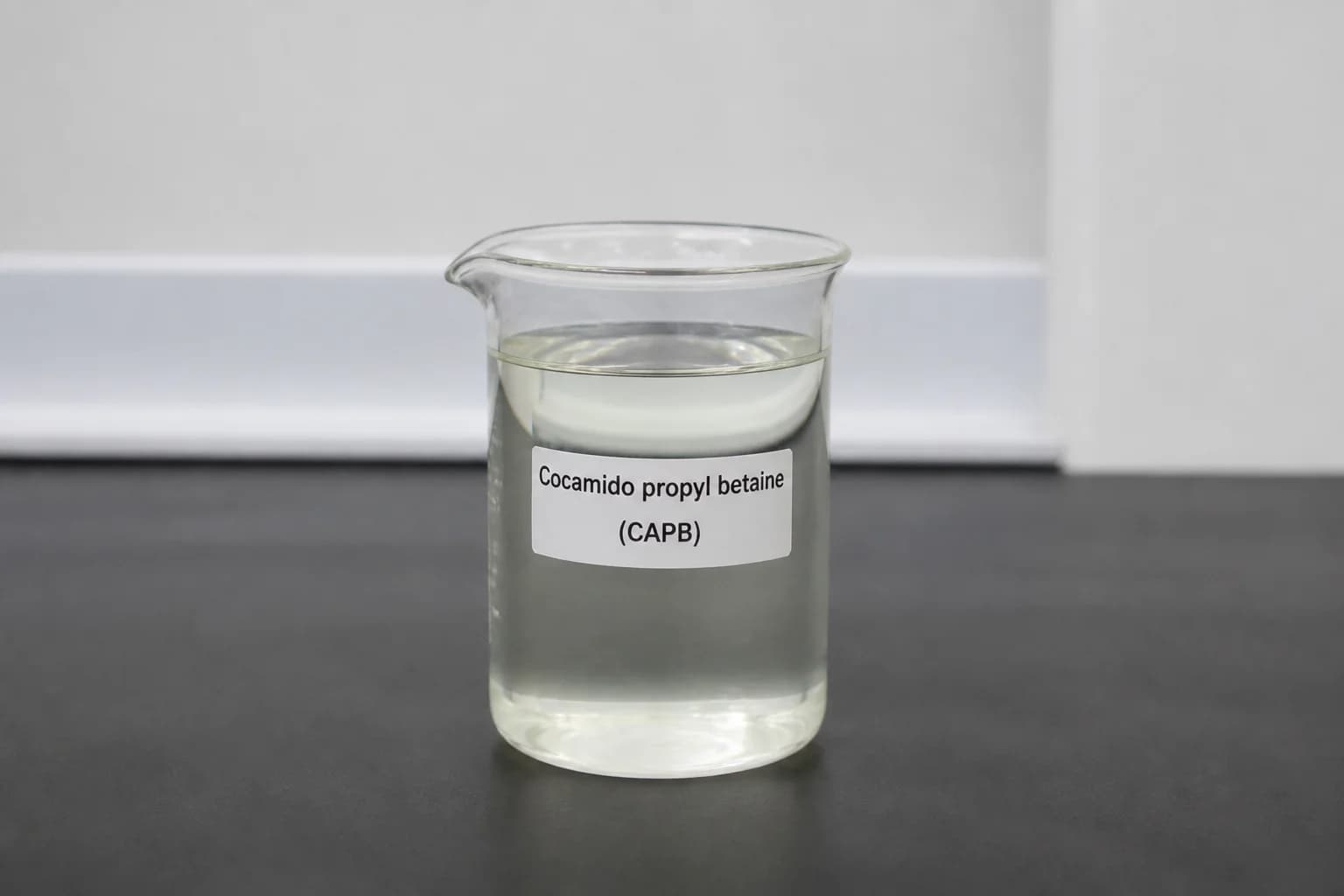
- Cocamidopropyl betaine (CAPB) is a coconut-derived surfactant used in toothpaste
- Its main role is foaming, cleaning support, and ingredient distribution
- Commonly used as a milder alternative to sodium lauryl sulfate (SLS)
- Typically present at 1–3% concentration in toothpaste
- Generally safe for most users, but can trigger reactions in sensitive individuals
- Most allergies are caused by manufacturing impurities, not CAPB itself
- People prone to canker sores or oral irritation may need alternatives
- Foam improves user experience, not actual cleaning effectiveness
Every morning and evening, you squeeze toothpaste onto your brush. It foams. It spreads. It feels like it’s working. That foam comes largely from a coconut-derived ingredient called cocamidopropyl betaine. Most people have never heard of it, yet they put it in their mouths twice daily. The question is: should they be concerned?
Cocamidopropyl betaine in toothpaste serves as the gentler alternative to sodium lauryl sulfate (SLS), the harsh foaming agent that dominated toothpaste formulas for decades. Brands switched to CAPB promising milder formulations with less irritation. But the reality is more complicated than marketing claims suggest.
Quick Facts About CAPB in Toothpaste
| Aspect | Details |
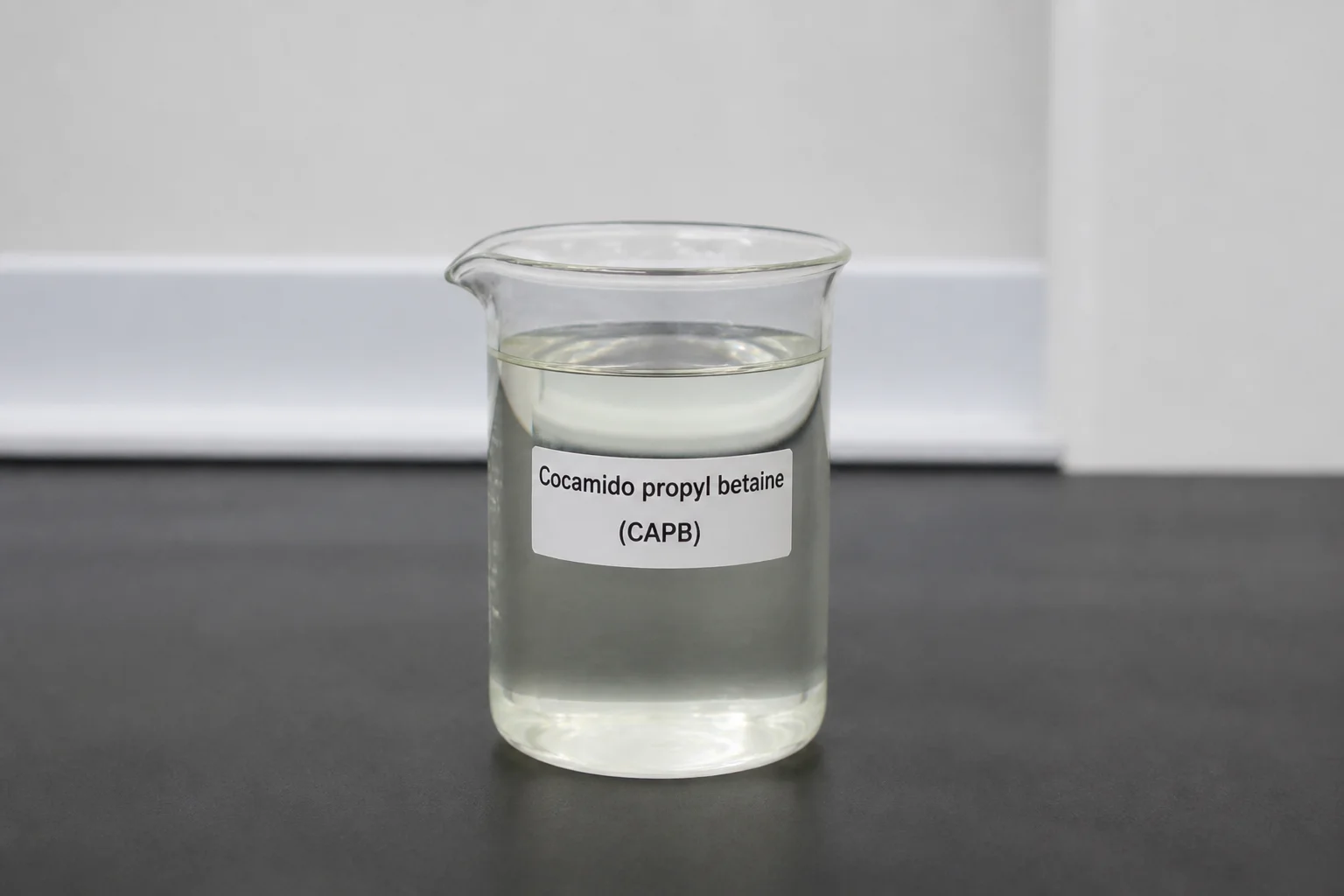
| What it is | Amphoteric surfactant derived from coconut oil |
| Primary function | Foaming agent and cleaning booster |
| Typical concentration | 1-3% in toothpaste formulations |
| Origin | Coconut fatty acids + dimethylaminopropylamine |
| Safety status | Generally recognized as safe but can cause reactions in sensitive individuals |
| Key concern | Manufacturing impurities (DMAPA and amidoamine) cause allergic reactions |
What Cocamidopropyl Betaine Actually Does
Core Functions in Your Toothpaste
Creates Foam
- Generates thick, creamy lather when mixed with water
- Produces less foam than SLS but still creates satisfying bubbles
- Gives psychological perception of cleanliness
Cleans Teeth Through Emulsification
- Surrounds food particles, plaque, and oils
- Forms micelles that trap debris
- Allows water to rinse away substances that normally repel water
Lowers Surface Tension
- Helps toothpaste spread across all tooth surfaces
- Enables ingredients to reach between teeth and along gum line
- Ensures active ingredients contact all areas
Removes Stains
- Lifts surface stains from enamel
- Works synergistically with abrasive particles
- Contributes to whitening effect
Antibacterial Properties
- Possesses mild antimicrobial activity
- Helps reduce overall bacterial population in mouth
- Supports oral hygiene beyond mechanical cleaning
How It Compares to Other Surfactants
| Surfactant | Foam Level | Irritation Potential | Cleaning Power | Cost |
| Sodium Lauryl Sulfate (SLS) | Very High | High | Excellent | Low |
| Cocamidopropyl Betaine (CAPB) | Moderate | Moderate | Good | Medium |
| Sodium Cocoyl Glutamate | Low | Very Low | Moderate | High |
| No Surfactant | None | Minimal | Adequate with mechanical brushing | N/A |
Why Manufacturers Prefer CAPB Over SLS
Benefits for brands:
- “Gentler” and “milder” marketing claims
- Appeals to consumers avoiding sulfates
- Still provides satisfying foam experience
- Less mucosal irritation than SLS
- Derived from coconut (natural marketing angle)
Performance characteristics:
- More biocompatible than SLS
- Higher half-lethal concentration
- Less cytotoxic (cell-damaging)
- Works effectively at lower concentrations
- Compatible with other toothpaste ingredients
Is Cocamidopropyl Betaine Safe in Toothpaste?
The safety question doesn’t have a simple yes or no answer. It depends on manufacturing quality, individual sensitivity, and how you define “safe.”
The Allergen of the Year Problem
2004 Recognition:
- American Contact Dermatitis Society named CAPB “Allergen of the Year”
- Recognition highlighted increasing allergic reactions
- Contact sensitization prevalence: 3.0-7.2% of population
The Real Culprits: Manufacturing process leaves behind impurities that cause most allergic reactions:
- 3-dimethylaminopropylamine (DMAPA): Primary allergen
- Amidoamine (AA): Secondary sensitizing agent
These impurities, not CAPB itself, trigger most allergic responses.
Who Should Be Concerned?
High-risk groups:
- People with history of contact dermatitis
- Individuals with sensitive skin conditions (eczema, rosacea)
- Those who react to other personal care products
- Children with sensitive oral tissues
- People prone to canker sores
Symptoms indicating CAPB sensitivity:
- Oral irritation or burning sensation
- Gum inflammation or redness
- Increased frequency of mouth ulcers
- Contact dermatitis around lips
- Prolonged healing time for oral lesions
Research on Canker Sores
Study findings on recurrent aphthous ulcers:
Studies comparing SLS, CAPB, and detergent-free toothpastes found:
- SLS causes most canker sores
- Highest ulcer frequency
- Longest healing time
- Most pain reported
- CAPB performs better than SLS
- Significantly fewer ulcers than SLS
- Faster healing compared to SLS
- Less pain overall
- Detergent-free wins overall
- Fewest canker sores
- Fastest healing
- Minimal irritation
The mechanism: Surfactants reduce the protective barrier of oral epithelium by rupturing bonds holding cells together. CAPB does this less aggressively than SLS but more than no surfactant at all.
Cytotoxicity Concerns
What the research shows:
- CAPB is cytotoxic (harmful to living cells) at high concentrations
- All surfactants share this property to varying degrees
- Half-lethal concentration of CAPB is higher than SLS
- Toothpaste concentrations are well below toxic levels for most people
Cell viability studies: When toothpaste containing CAPB is dripped on human gum cells:
- Cell death occurs but less than with SLS
- Live-dead staining shows some cell damage
- Effect depends on concentration and exposure time
- Rinsing removes the surfactant before significant damage
Cocamidopropyl Betaine Free Toothpaste Options
For those wanting to avoid CAPB entirely, several alternatives exist with different trade-offs.
Natural Surfactant Alternatives
Sodium Cocoyl Glutamate:
- Amino acid-based surfactant
- Extremely mild and gentle
- Very low foam production
- Higher cost ingredient
- Used in premium natural toothpastes
Decyl Glucoside:
- Derived from corn glucose and coconut
- Non-ionic surfactant
- Minimal foam
- Excellent safety profile
- Common in “clean” formulations
Coco Betaine:
- Plant-based alternative to CAPB
- Made from coconut fatty acids and beet-derived betaine
- Similar properties but slightly different structure
- May still cause reactions in sensitive individuals
Detergent-Free Toothpastes
Benefits of surfactant-free formulas:
- Zero risk of surfactant-related irritation
- Best option for canker sore sufferers
- Gentlest on oral tissues
- Suitable for extremely sensitive mouths
Drawbacks:
- No foam (psychological adjustment required)
- Requires thorough mechanical brushing
- Less efficient distribution of active ingredients
- May feel less “clean” to some users
Popular CAPB-Free Toothpaste Brands
For Adults:
- Tom’s of Maine (some varieties)
- Dr. Bronner’s All-One Toothpaste
- Burt’s Bees Natural Toothpaste
- Jason Natural Toothpaste
- Certain Himalaya Botanique varieties
For Children:
- Schmidt’s Kids Toothpaste
- Hello Kids Fluoride-Free varieties
- Jack N’ Jill Natural Toothpaste
- Tom’s of Maine Children’s Toothpaste (select versions)
Reading Toothpaste Labels
How CAPB Appears on Ingredient Lists
Look for these names:
- Cocamidopropyl Betaine
- CAPB
- 1-Propanaminium, N-(carboxymethyl)-N,N-dimethyl-3-((1-oxococonut)amino)-, hydroxide, inner salt
- Coco amido propyl betaine
Other Ingredients to Know
Common toothpaste surfactants:
| Ingredient | Type | Harshness Level | Common In |
| Sodium Lauryl Sulfate | Anionic | High | Traditional brands |
| Sodium Laureth Sulfate | Anionic | Moderate-High | Some mainstream brands |
| Cocamidopropyl Betaine | Amphoteric | Moderate | “Gentle” formulas |
| Sodium Cocoyl Isethionate | Anionic | Low-Moderate | Natural brands |
| Sodium Methyl Cocoyl Taurate | Anionic | Low | Premium brands |
Manufacturing Quality Matters
The Impurity Problem
High-quality CAPB manufacturing minimizes problematic impurities. The presence of DMAPA and amidoamine depends on:
Production process factors:
- Purity of raw materials
- Reaction temperature control
- Catalyst selection
- Purification steps
- Quality control testing
What this means for consumers: Premium brands using pharmaceutical-grade CAPB have fewer impurities and lower allergy risk compared to budget formulations using lower-grade surfactants.
Questions to Ask Brands
For ingredient transparency:
- What grade of CAPB do you use?
- Do you test for DMAPA and amidoamine levels?
- What are the impurity thresholds in your specifications?
- Where do you source your surfactants?
Most brands won’t answer these detailed questions, which is why consumer advocacy groups and independent testing matter.
Making the Right Choice for Your Mouth
Decision Framework
Choose CAPB toothpaste if you:
- Want moderate foam without SLS harshness
- Don’t have history of oral sensitivity
- Prefer mainstream brand options
- Need effective cleaning with reasonable mildness
- Haven’t experienced negative reactions
Avoid CAPB toothpaste if you:
- Suffer from frequent canker sores
- Have documented CAPB allergy
- Experience burning or irritation during brushing
- Prefer completely natural ingredient profiles
- Have highly sensitive oral tissues
Consider detergent-free if you:
- Have recurring aphthous ulcers
- React to multiple surfactants
- Prioritize absolute gentleness over foam
- Don’t mind lack of lather
- Have autoimmune conditions affecting mucous membranes
The Foam Fallacy
Important perspective: Foam doesn’t clean better. It just feels like it does. The mechanical action of brushing—the physical scrubbing motion—does most of the cleaning work. Surfactants help distribute paste and remove certain substances, but you don’t need luxurious foam for clean teeth.
Cultural conditioning: We’ve been trained to associate foam with cleanliness. Shampoo foams. Soap foams. Toothpaste should foam. This psychological expectation drives formulation choices more than performance requirements.
Sourcing Quality Personal Care Ingredients
For manufacturers formulating oral care products, sourcing high-purity cocamidopropyl betaine with minimal impurities makes a real difference in final product safety profiles. Elchemy’s technology-driven platform connects personal care brands with verified suppliers of surfactants and specialty ingredients meeting cosmetic-grade specifications.
Founded by engineers from IIT Bombay, IIT Delhi, and IIM Ahmedabad, Elchemy transforms chemical distribution through customer-centric technology. Whether you need pharmaceutical-grade CAPB for sensitive formulations, alternative surfactants for clean-label products, or technical support for reformulation projects, our platform provides transparent sourcing from vetted Indian and global suppliers with complete documentation and quality assurance.
Final Thoughts
Cocamidopropyl betaine in toothpaste represents a middle ground between harsh traditional surfactants and completely natural alternatives. It’s milder than SLS but not as gentle as no surfactant at all. For most people, CAPB-containing toothpaste poses no problems. For sensitive individuals or those prone to mouth ulcers, avoiding surfactants entirely may provide relief.
The “is it safe” question misses the nuance. CAPB is generally safe for the majority of users but can cause reactions in susceptible individuals. Manufacturing quality significantly impacts allergy risk. The choice ultimately depends on your individual oral health needs, sensitivity profile, and personal preferences about ingredients and foam.
What matters most? Brushing thoroughly twice daily with fluoride toothpaste (unless you have specific reasons to avoid fluoride). Whether that toothpaste contains CAPB, another surfactant, or no surfactant at all is less important than consistent, proper oral hygiene practices. Choose the formulation your mouth tolerates best and that you’ll actually use as recommended.