

At a Glance
- Citric acid is weak triprotic acid (pKa 3.13, 4.76, 6.40); vinegar is 4-8% acetic acid solution (pKa 4.76)
- Citric acid chelates metals making it superior for descaling and mineral removal
- Vinegar’s volatile acetic acid creates strong odor limiting consumer product applications
- Food industry uses citric acid at 1-3% for pH control and preservation; vinegar at 2-5% for pickling
- Citric acid costs $1.20-2.00/kg bulk; white vinegar $0.80-1.50/gallon making economics application-dependent
- Citric acid and vinegar are NOT the same — different chemical structures, mechanisms, and optimal uses
- US citric acid market exceeds $600 million annually; vinegar market tops $1.2 billion
- Both are GRAS for food use but citric acid offers better pH buffering capacity
A beverage startup in Oregon wanted to create a citrus-flavored energy drink. The formulator initially used white vinegar thinking it would provide the tartness customers expected while keeping costs low. The first batch tasted terrible — harsh, vinegary notes overwhelmed the fruit flavors. After switching to citric acid at 0.5%, the tartness balanced perfectly with sweetness. The citrus flavor came through clearly without off-notes. Production costs increased $0.02 per bottle but the product became their best seller.
Wrong acid. Wrong application. Simple switch transformed the product.
Understanding citric acid or vinegar for specific applications requires knowing more than just “both are acids.” The question citric acid vs vinegar cleaning has different answers than citric acid vs vinegar in food formulation. And the misconception that citric acid and vinegar are same ignores fundamental chemical differences affecting performance, safety, sensory properties, and regulatory compliance. This guide helps US manufacturers, formulators, and purchasing managers make informed decisions based on application requirements rather than assumptions.
Chemical Composition and Properties
Citric Acid Structure and Characteristics
Citric acid (2-hydroxypropane-1,2,3-tricarboxylic acid) is an organic tricarboxylic acid with molecular formula C₆H₈O₇. The structure features three carboxylic acid groups (-COOH) plus one hydroxyl group (-OH) on a six-carbon backbone.
This structure makes citric acid a weak triprotic acid — it can donate three protons sequentially. The three dissociation constants (pKa values) are 3.13, 4.76, and 6.40. This multiple-step ionization creates excellent buffering capacity across pH range 3-6.
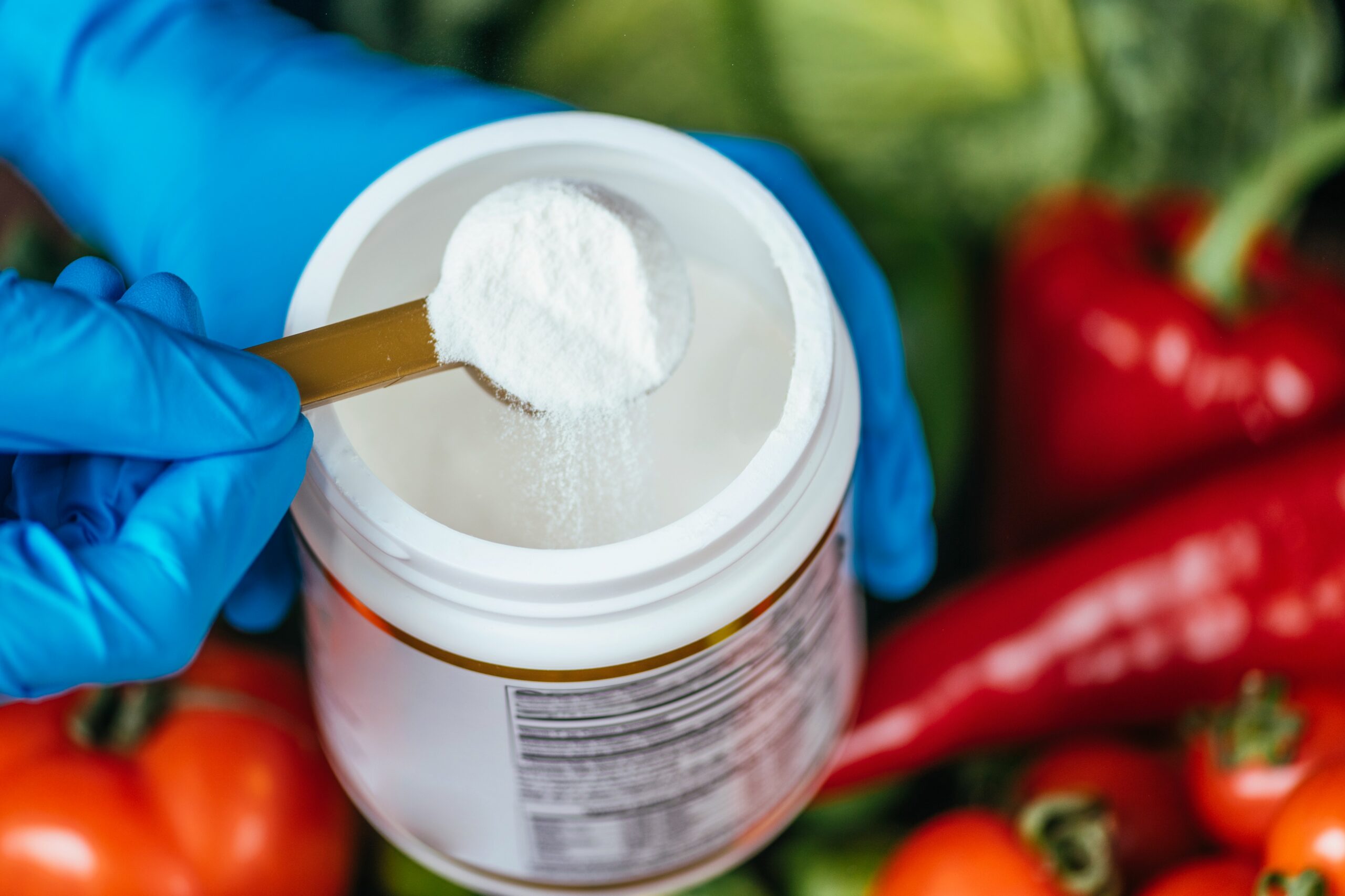
Key properties of citric acid: Molecular weight: 192.12 g/mol (anhydrous), 210.14 g/mol (monohydrate) Appearance: White crystalline powder Solubility in water: 147 g/100 mL at 20°C (very soluble) Melting point: 153°C (anhydrous), 135-152°C (monohydrate) pKa values: 3.13, 4.76, 6.40 (triprotic acid) Odor: Odorless or very faint
The hydroxyl group plus three carboxyl groups create chelating ability. Citric acid binds metal ions (calcium, magnesium, iron, copper) forming stable complexes. This metal-binding property distinguishes citric acid from most other food acids.
Commercial citric acid comes in anhydrous (dry) form and monohydrate (one water molecule per citric acid molecule). Monohydrate is more common in food applications due to better handling properties and stability.
Vinegar Composition and Characteristics
Vinegar is dilute acetic acid solution produced by fermentation. Standard white vinegar contains 4-8% acetic acid by volume (most commonly 5%). The rest is water plus trace compounds from fermentation.
Acetic acid (ethanoic acid, CH₃COOH) is simple two-carbon carboxylic acid with molecular weight 60.05 g/mol. Unlike citric acid’s three acidic groups, acetic acid is monoprotic — it donates just one proton with pKa of 4.76.
Key properties of vinegar (5% acetic acid): Acetic acid content: 4-8% (typically 5%) pH: Approximately 2.4-3.4 depending on concentration Appearance: Clear, colorless to pale yellow Odor: Strong, pungent, characteristic vinegar smell Volatility: Acetic acid evaporates readily creating strong fumes Boiling point: ~100°C (primarily water)
The strong odor comes from volatile acetic acid. This volatility means vinegar smell persists and spreads — advantage in some applications, drawback in others.
Different vinegar types (apple cider, wine, malt, rice) add flavor compounds and color from their source materials. For industrial applications, white distilled vinegar (pure acetic acid in water) is standard.
Table 1: Chemical Comparison
| Property | Citric Acid | Vinegar (5% Acetic Acid) | Significance |
| Molecular formula | C₆H₈O₇ | CH₃COOH (in water) | Citric acid more complex |
| Molecular weight | 192 g/mol | 60 g/mol | Affects concentration calculations |
| Acidity type | Triprotic (3 H⁺) | Monoprotic (1 H⁺) | Citric acid better buffer |
| pKa | 3.13, 4.76, 6.40 | 4.76 | Multiple dissociations vs single |
| Odor | Odorless | Strong, pungent | Major sensory difference |
| Metal chelation | Excellent | Minimal | Critical for descaling |
| Volatility | Non-volatile | Volatile (acetic acid) | Affects application methods |
| Solubility (20°C) | 147 g/100 mL | Miscible | Both dissolve readily |
Citric Acid and Vinegar Are Same: Debunking the Misconception
Why They’re Chemically Different
Some assume citric acid and vinegar are same because both are “acids” or because citric acid occurs naturally in citrus fruits (like lemons) and vinegar in fermented products. This is incorrect on multiple levels.
Fundamental differences: Chemical structure: Citric acid has three carboxylic acid groups plus hydroxyl; acetic acid has one carboxylic acid Source: Citric acid from fermentation of sugars by Aspergillus niger mold; vinegar from two-step fermentation of alcohol Proton donation: Citric acid donates three H⁺ ions; acetic acid donates one Chelating ability: Citric acid chelates metals; acetic acid does not significantly Sensory: Citric acid tastes tart/sour without odor; vinegar has sharp odor plus sour taste
The confusion may arise because both create acidic pH when dissolved in water. But pH alone doesn’t define an acid’s properties or applications. Hydrochloric acid, sulfuric acid, and citric acid all lower pH but have completely different chemical behaviors.
Functional Differences in Applications
The chemical differences create distinct functional profiles. These aren’t subtle variations — they’re major differences affecting which acid works for specific jobs.
Application differences: Descaling/mineral removal: Citric acid excels (chelates calcium); vinegar works but slower Odor-sensitive products: Citric acid preferred (odorless); vinegar unacceptable pH buffering: Citric acid superior (three pKa values); vinegar limited buffering Food flavoring: Citric acid gives clean sour; vinegar gives characteristic vinegar taste Surface compatibility: Both acidic but citric acid less corrosive to some metals
Trying to substitute one for the other based on “both are acids” often fails. A beverage formulated with citric acid won’t taste right with vinegar. A cleaning product designed for vinegar might not work as well with citric acid if odor is part of the antimicrobial action.
Food Industry Applications
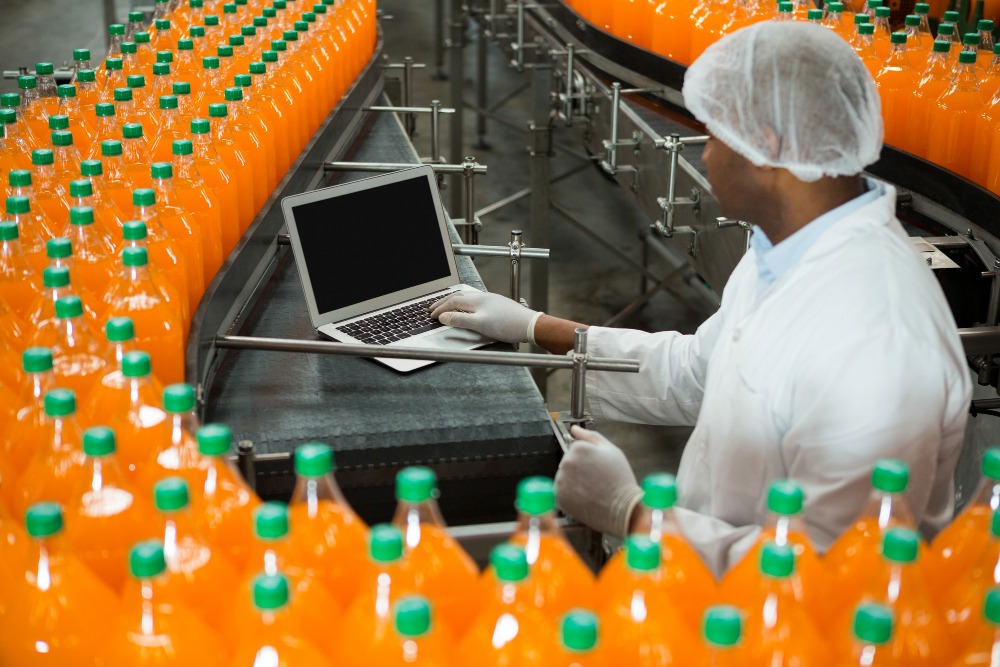
Citric Acid in Food and Beverages
Citric acid is one of the most widely used food additives in the US. The FDA classifies it as GRAS (Generally Recognized As Safe) with no specific use limitations beyond good manufacturing practices.
Primary food uses: pH control: Adjusts and maintains acidity in beverages, jams, candies (0.1-1%) Flavor enhancement: Provides tart, sour taste in soft drinks, energy drinks (0.3-0.8%) Preservation: Lowers pH inhibiting microbial growth (0.5-2%) Antioxidant synergist: Enhances effectiveness of other antioxidants Emulsifier: Helps stabilize oil-water emulsions in some products Mineral sequestrant: Binds metals preventing oxidation and off-flavors
Soft drinks use citric acid extensively. Cola beverages might contain 0.05-0.1% citric acid. Lemon-lime sodas use 0.3-0.5%. Energy drinks often use 0.4-0.6% for tartness balancing high sugar content.
Candy manufacturing uses citric acid for sour coatings on gummies and hard candies. The powder adheres to candy surface creating the lip-puckering sour sensation consumers enjoy. Concentrations on surface can reach 5-10% creating intense sourness.
Cheese production uses citric acid in mozzarella and other soft cheeses. Adding citric acid to milk lowers pH facilitating protein coagulation. This creates proper texture while reducing time needed for natural acidification.
Vinegar in Food Applications
Vinegar’s primary food role is pickling and preservation. The characteristic flavor works well in condiments, pickled vegetables, and marinades. The antimicrobial properties of acetic acid preserve foods at 2-5% concentration in final product.
Primary food uses: Pickling: Cucumbers, onions, peppers preserved in vinegar brine (4-6% acidity) Condiments: Mustard, ketchup, mayonnaise, salad dressings (1-4%) Marinades: Meat tenderization and flavor in marinades (2-5%) Baking: Small amounts in cakes and quick breads for leavening interaction Sauces: BBQ sauce, hot sauce, Asian sauces for tangy flavor
Pickling relies on acetic acid’s antimicrobial properties. At pH below 4.6, most pathogenic bacteria including C. botulinum cannot grow. Vinegar provides this acidity while adding characteristic pickled flavor consumers expect.
Salad dressings use vinegar both for taste and emulsification assistance. The acidity helps stabilize vinaigrette emulsions. Balsamic, wine, and apple cider vinegars add specific flavors beyond just acidity.
In baking, vinegar reacts with baking soda creating carbon dioxide for leavening. This appears in some cake recipes (red velvet, chocolate) where slight acidity also affects cocoa color and flavor.
Table 2: Food Application Comparison
| Application | Citric Acid | Vinegar | Preferred Choice | Why |
| Soft drinks | 0.3-0.8% | Rarely used | Citric acid | Clean, fruity sour taste without odor |
| Energy drinks | 0.4-0.6% | Not suitable | Citric acid | Tartness without vinegar flavor |
| Pickling | Sometimes used | 4-6% | Vinegar | Traditional flavor, antimicrobial |
| Cheese making | 0.02-0.05% | Rarely used | Citric acid | Precise pH control without flavor |
| Candy (sour coating) | 5-10% surface | Not used | Citric acid | Pure sour without odor |
| Salad dressing | Rarely used | 2-4% | Vinegar | Characteristic flavor expected |
| Canning/preservation | 0.5-1% | 3-5% | Either | Both lower pH; flavor determines choice |
Citric Acid vs Vinegar Cleaning: Industrial and Household
Descaling and Mineral Removal
Citric acid vs vinegar cleaning for descaling heavily favors citric acid due to chelation. Hard water deposits, limescale, and mineral buildup contain calcium carbonate, calcium sulfate, magnesium carbonate, and other metal compounds.
Citric acid doesn’t just dissolve these minerals through acidity — it chemically binds the metal ions forming soluble complexes that rinse away. This dual mechanism (acidification plus chelation) works faster and more completely than vinegar’s acid-only approach.
Descaling effectiveness: Coffee makers: Citric acid (2-5% solution) removes scale in 30-60 minutes; vinegar (full strength) takes 1-2 hours and may require multiple applications Dishwashers: Citric acid cleaner (3-5%) in rinse cycle prevents film; vinegar works but evaporates during drying leaving less residual protection Kettles: Both work but citric acid (5-10% solution) requires less time and rinses cleaner Showerheads: Citric acid (5% overnight soak) more effective than vinegar for heavy calcium buildup
The chelation mechanism means citric acid keeps working even as pH rises during cleaning. Vinegar’s effectiveness drops once the acid neutralizes reacting with minerals.
Surface Cleaning and Disinfection
For general cleaning, both acids remove soap scum, water spots, and light deposits. But their different properties affect application methods and results.
Vinegar’s volatile acetic acid creates antimicrobial action beyond just pH. The vapors penetrate surfaces and fabrics providing some disinfection. But the strong odor lingers requiring ventilation and limiting use in occupied spaces.
Citric acid cleans without odor making it suitable for enclosed areas. It removes mineral deposits better than vinegar but may be less effective against grease (which vinegar’s acetic acid can saponify slightly).
Cleaning applications: Bathroom fixtures: Citric acid better for hard water stains and scale; vinegar adequate for light cleaning Kitchen surfaces: Vinegar traditional choice (familiar smell, grease cutting); citric acid for mineral deposits Glass and mirrors: Both work; citric acid leaves no odor, vinegar smell dissipates Floors: Vinegar diluted for mopping (traditional); citric acid rarely used (more expensive) Laundry: Citric acid as water softener in wash; vinegar in rinse as fabric softener
For disinfection specifically, neither is approved disinfectant by EPA. Vinegar has modest antimicrobial activity against some bacteria and fungi but is not reliable disinfectant. Citric acid has similar limitations. Both lower pH inhibiting growth but don’t reliably kill pathogens.
Material Compatibility
Both acids can damage certain materials requiring care in application.
Materials to avoid with both: Natural stone (marble, limestone, travertine): Acid etches and dulls surface Unsealed grout: Acid can damage, especially repeated applications Waxed surfaces: Acid strips wax requiring re-waxing Some metals: Prolonged contact can pit or tarnish
Material-specific considerations: Stainless steel: Both safe in dilute form for brief contact; rinse well Aluminum: Citric acid safer than vinegar (less reactive) Copper/brass: Vinegar can tarnish; citric acid generally safer Rubber gaskets: Extended vinegar exposure may degrade; citric acid less problematic Plastics: Both generally safe but test on hidden areas first
The key difference: citric acid’s non-volatility means it only affects surfaces it directly contacts. Vinegar’s vapors can affect nearby materials creating unexpected etching or tarnishing.
Table 3: Cleaning Application Comparison
| Cleaning Task | Citric Acid (%) | Vinegar (%) | Better Choice | Key Advantage |
| Coffee maker descaling | 2-5% | 100% (undiluted) | Citric acid | Faster, more complete, no odor |
| Dishwasher film removal | 3-5% | 100% in rinse | Citric acid | Better chelation, no smell in dishes |
| Kettle/boiler descaling | 5-10% | 100% | Citric acid | Superior mineral removal |
| Bathroom hard water stains | 5-10% | 100% or 50% | Citric acid | Chelates calcium deposits |
| Kitchen countertop cleaning | 1-2% | 10-25% | Vinegar | Traditional, familiar, grease cutting |
| Window/glass cleaning | 1-2% | 10-25% | Either | Both work; citric acid odorless |
| Floor cleaning | Rarely used | 5-10% | Vinegar | Traditional, economical |
Industrial Chemical Processing Applications
Water Treatment and Boiler Maintenance
Industrial water treatment uses both acids for different purposes. Citric acid excels at metal passivation and scale removal in closed systems. Vinegar rarely appears in industrial water treatment due to cost and volatility.
Citric acid in water treatment: Boiler cleaning: 5-15% solutions circulated to remove scale and rust Passivation: After acid cleaning, citric acid forms protective layer on metal surfaces Cooling tower treatment: Periodic descaling of heat exchangers Reverse osmosis membrane cleaning: Removes mineral scaling extending membrane life
The chelating action removes iron, copper, calcium, and magnesium deposits without aggressive corrosion that mineral acids (HCl, H₂SO₄) cause. After citric acid cleaning, metal surfaces develop passive oxide layer resisting corrosion.
Vinegar’s volatility makes it unsuitable for most industrial water applications. The acetic acid evaporates during heating or circulation creating ventilation issues and losing effectiveness.
pH Adjustment in Chemical Manufacturing
Both acids adjust pH in chemical processes but citric acid’s buffering capacity often makes it preferred when pH control within specific range is critical.
Citric acid’s three pKa values create buffering zones around pH 3, 5, and 6. This means adding citric acid creates solutions that resist pH changes — valuable in processes where pH stability matters.
Acetic acid (from vinegar) buffers around pH 4.76 only. For processes needing pH in this specific range, acetic acid or acetate buffers work well. Outside this range, buffering is minimal.
Industrial pH applications: Electroplating baths: Citric acid maintains pH during metal deposition Textile processing: pH control in dyeing and finishing (both acids used) Polymer production: pH adjustment in emulsion polymerization Detergent manufacturing: Citric acid as builder and pH adjuster Cosmetic production: Both used depending on desired pH and sensory requirements
Cost considerations matter in industrial volumes. Vinegar (bulk acetic acid in water) costs less than citric acid per unit volume. But citric acid’s triprotic nature means less material achieves same pH change.
Metal Surface Treatment
Citric acid features prominently in metal cleaning and passivation — preparing metal surfaces for coating or use. The chelation removes oxides and contaminants while forming protective layer.
Metal treatment applications: Aluminum cleaning: Citric acid removes oxides without excessive etching Stainless steel passivation: After welding or machining, citric acid treatment creates corrosion-resistant surface Copper brightening: Citric acid based solutions clean and brighten copper Rust removal: Chelates iron oxides from steel surfaces
Military and aerospace specifications approve citric acid passivation as alternative to nitric acid — less hazardous while providing similar corrosion protection. ASTM A967 includes citric acid passivation methods for stainless steel.
Vinegar rarely appears in industrial metal treatment. Acetic acid is used (as glacial acetic acid, not dilute vinegar) in some specialized applications but citric acid dominates this sector.
Cost Considerations and Economics
Bulk Pricing Comparison
Raw material costs heavily influence which acid manufacturers choose for industrial applications.
Typical bulk pricing (US market): Citric acid (anhydrous): $1.20-2.00/kg depending on quantity and purity Citric acid (monohydrate): $1.10-1.90/kg White vinegar (5% acetic acid): $0.80-1.50/gallon ($0.21-0.40/liter) Glacial acetic acid (99.5%+): $1.00-1.80/kg
At first glance, vinegar appears cheaper. But effectiveness per unit matters more than price per volume. Citric acid’s triprotic nature means less material achieves equivalent acidity.
Cost effectiveness calculation example (pH adjustment): To lower pH from 7 to 4 in 1000 liters water: Citric acid required: ~25-30 kg at $1.50/kg = $37.50-45 Acetic acid required (from vinegar): ~40-50 kg at $1.40/kg = $56-70 Citric acid cheaper for this specific application despite higher price per kg
For cleaning applications, concentration needed differs. Descaling might use 5% citric acid solution versus 100% vinegar (5% acetic acid). The citric acid is more concentrated active ingredient making direct price comparison misleading.
Total Cost of Ownership
Beyond raw material price, total cost includes handling, storage, waste treatment, and regulatory compliance.
Hidden cost factors: Odor control: Vinegar requires ventilation systems; citric acid doesn’t Waste neutralization: Both require neutralization before discharge but volumes differ Corrosion: Citric acid often gentler on equipment reducing maintenance Storage: Vinegar in sealed containers to prevent evaporation; citric acid stable as powder Regulatory: Both GRAS but acetic acid fumes require workplace monitoring
A food processing plant using vinegar for cleaning might spend $5,000 annually on raw material but $15,000 on ventilation and odor control. Switching to citric acid might cost $7,000 for material but eliminate odor control expenses.
Table 4: Economic Comparison
| Factor | Citric Acid | Vinegar | Cost Impact |
| Raw material ($/kg) | $1.20-2.00 | $0.21-0.40/L (~$0.25/kg) | Vinegar cheaper per kg |
| Concentration needed | 1-10% typically | Often 100% (undiluted) | Citric acid more concentrated |
| Equivalent acidity | 1 mole = 3 H⁺ | 1 mole = 1 H⁺ | Citric acid 3× acidity per mole |
| Handling/storage | Dry powder, stable | Liquid, seal to prevent evaporation | Citric acid easier handling |
| Odor management | None needed | Ventilation required | Citric acid lower total cost |
| Shelf life | 2+ years (powder) | 2+ years (sealed) | Both stable |
| Waste treatment | Neutralize before discharge | Neutralize before discharge | Similar |
Regulatory and Safety Considerations
Food Safety and GRAS Status
Both citric acid and acetic acid (the active component in vinegar) have FDA GRAS status for food use. This means they’re generally recognized as safe without specific quantity restrictions (beyond good manufacturing practices).
FDA status: Citric acid: GRAS, 21 CFR 184.1033, no ADI (acceptable daily intake) limit Acetic acid: GRAS, 21 CFR 184.1005, no ADI limit Both: Approved for direct addition to food without quantity limits
The lack of quantity limits doesn’t mean unlimited use is appropriate. Self-limiting factors include taste (too much creates unpalatable sourness) and pH requirements (excessively low pH denatures proteins and affects texture).
International food safety agencies (EFSA in Europe, FSANZ in Australia, Health Canada) similarly approve both acids without specific quantity restrictions.
Occupational Safety
Workplace safety requirements differ significantly between the two acids.
Citric acid occupational safety: OSHA PEL: No specific limit (nuisance dust standards apply) Eye/skin irritant: Yes (as powder), requires PPE Inhalation: Dust irritates respiratory tract Corrosivity: Minimal in dilute form Environmental: Low toxicity, biodegradable
Acetic acid (from vinegar) occupational safety: OSHA PEL: 10 ppm (for acetic acid vapor) Eye/skin irritant: Yes, requires PPE Inhalation: Vapors irritate respiratory tract Corrosivity: Moderate, increases with concentration Environmental: Low toxicity, biodegradable
The key difference is vapor exposure. Concentrated acetic acid or large-scale vinegar use generates vapors requiring monitoring and ventilation. Citric acid powder creates dust requiring different controls (respirators for dust, not vapor).
For household use, both are safe when used as directed. The main risks are eye contact (rinse immediately with water) and skin irritation with concentrated solutions.
Environmental Impact and Disposal
Both acids are biodegradable and have low environmental toxicity. Proper disposal requires pH neutralization before discharge.
Environmental considerations: Aquatic toxicity: Low for both (LC50 in fish >100 mg/L) Biodegradability: Both readily biodegradable (>70% in 28 days) BOD/COD: Both contribute to biochemical oxygen demand in wastewater Discharge pH: Must neutralize to 6-9 before discharge per local regulations
Neutralization before discharge prevents pH shock to biological wastewater treatment. Add sodium bicarbonate, sodium hydroxide, or lime to raise pH into acceptable range.
Neither acid is listed as hazardous waste when dilute (though concentrated forms may have different classification). Spent cleaning or processing solutions can typically discharge to sewer after pH adjustment, following local pretreatment requirements.
Conclusion
The choice citric acid or vinegar depends entirely on specific application requirements rather than either being universally superior. For citric acid vs vinegar cleaning, citric acid excels at descaling and mineral removal through chelation mechanisms removing calcium deposits 30-50% faster than vinegar while operating odorlessly enabling use in occupied spaces, but vinegar remains economical choice for general household floor cleaning and traditional pickling applications where characteristic flavor is desired. The statement citric acid and vinegar are same is chemically false — citric acid (C₆H₈O₇) is triprotic acid with three dissociation constants (pKa 3.13, 4.76, 6.40) providing superior buffering capacity, while vinegar contains monoprotic acetic acid (CH₃COOH, pKa 4.76) with volatile nature creating antimicrobial vapors but limiting applications in odor-sensitive products. Food industry applications clearly differentiate: citric acid dominates soft drinks, energy drinks, and candy manufacturing at 0.3-1% providing clean tartness without flavor interference, while vinegar is essential for traditional pickling at 4-6% acidity and salad dressings where characteristic vinegary taste is expected. Industrial water treatment and metal passivation favor citric acid at 5-15% for boiler descaling and stainless steel surface treatment leveraging chelation properties unavailable with acetic acid, though bulk cost comparisons show vinegar $0.21-0.40/L versus citric acid $1.20-2.00/kg requiring effectiveness calculations factoring triprotic nature providing three times acidity per mole. Both maintain FDA GRAS status for food applications and similar environmental profiles as readily biodegradable acids, but workplace safety differs with acetic acid requiring vapor monitoring at OSHA PEL 10 ppm while citric acid needs only dust control measures. For manufacturers, formulators, and procurement managers across food processing, beverage production, cleaning products, and industrial chemical applications, Elchemy connects you with reliable suppliers offering both food-grade citric acid (anhydrous and monohydrate) and industrial acetic acid with complete specifications, regulatory documentation, and technical support helping you select the optimal acid for your specific pH control, preservation, flavoring, descaling, or metal treatment requirements while balancing performance, cost, sensory properties, and safety considerations.