

Every industry dealing with pH control, acidulation, or preservation eventually encounters citric acid anhydrous powder. This white crystalline material sits on warehouse shelves in pharmaceutical plants, food manufacturing facilities, and chemical processing operations worldwide. The “anhydrous” designation—meaning without water—distinguishes it from citric acid monohydrate and determines which applications it suits best.
The choice between anhydrous and monohydrate forms isn’t arbitrary. Citric acid anhydrous powder offers specific advantages in moisture-sensitive formulations, dry blends, and high-temperature processes where water content creates problems. Understanding its properties, production methods, and optimal applications helps manufacturers select the right form for their specific requirements.
What Is Citric Acid Anhydrous Powder?
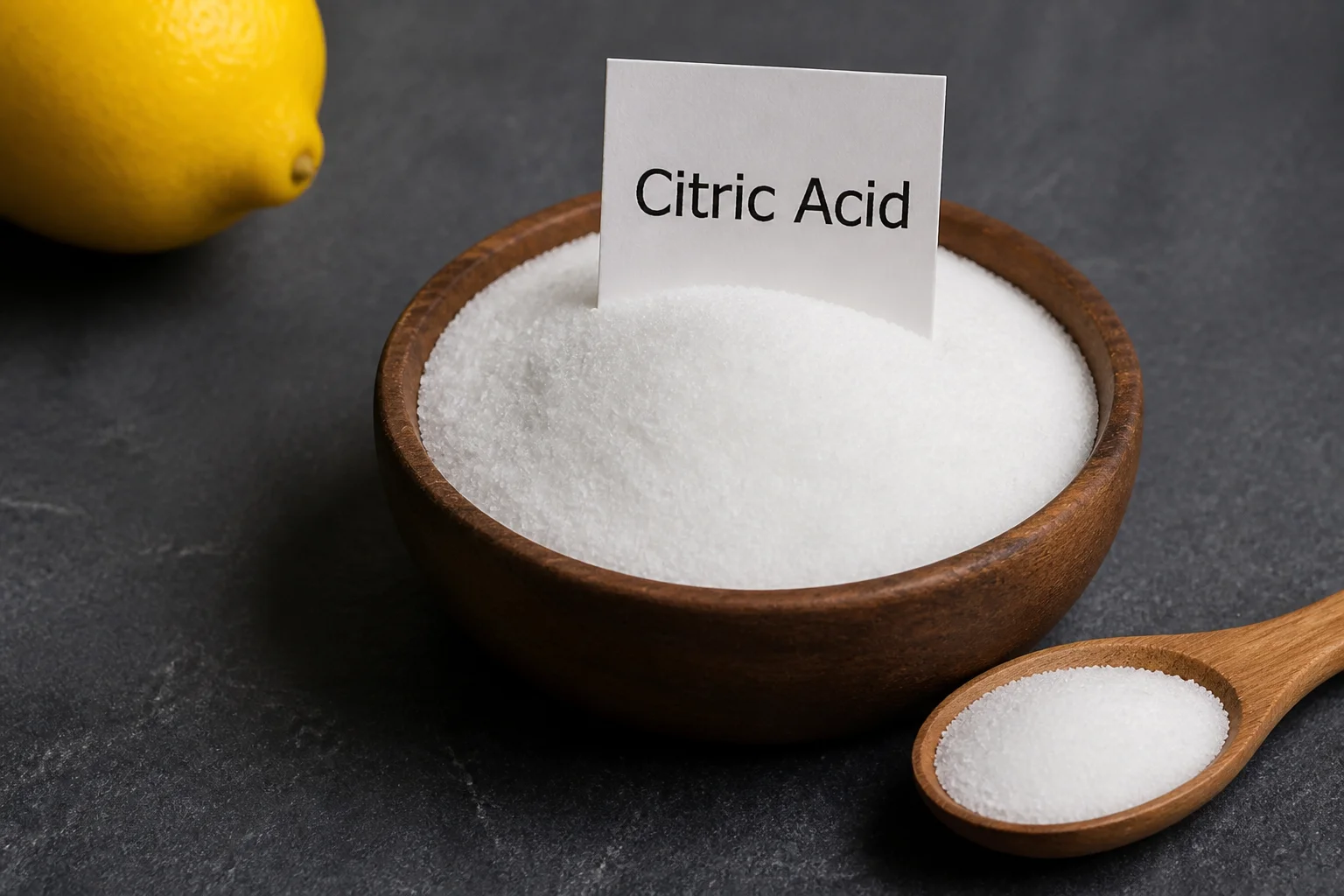
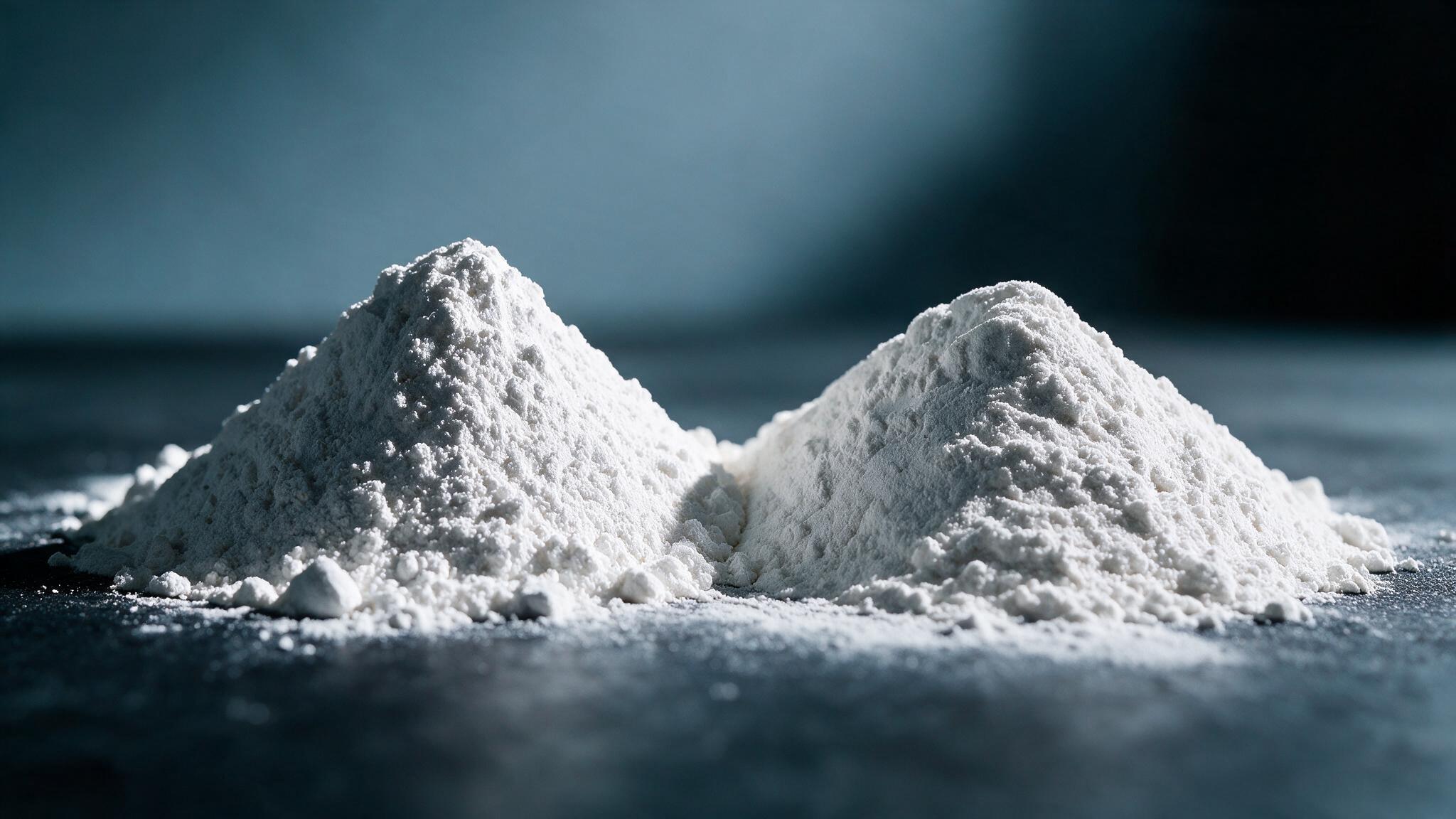
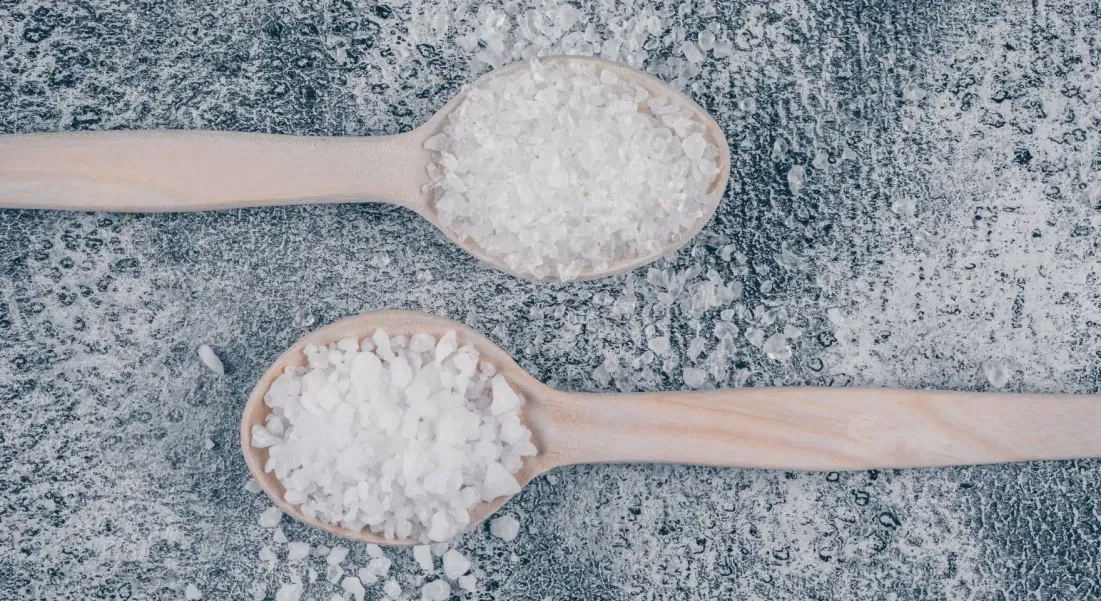
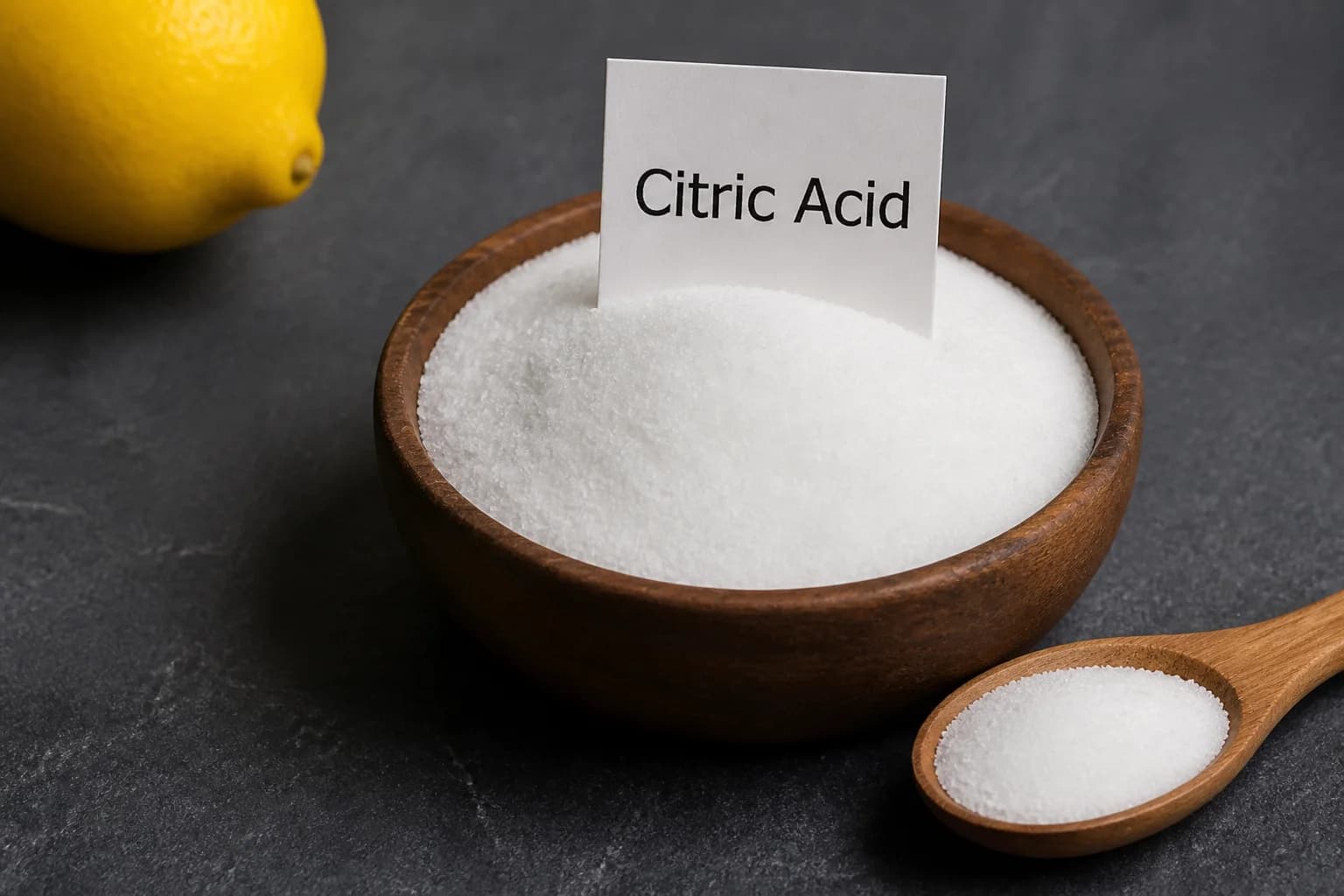
Citric acid anhydrous powder is the water-free form of citric acid with the molecular formula C₆H₈O₇. It appears as colorless crystals or white crystalline powder with a strongly acidic taste. The compound occurs naturally in citrus fruits but is produced commercially through microbial fermentation of carbohydrate substrates.
The anhydrous form crystallizes from hot concentrated solutions above 36.6°C, forming a white crystalline powder distinctly different from the translucent crystals of the monohydrate form. This temperature threshold matters because it defines production conditions and explains why anhydrous citric acid behaves differently during storage and handling compared to its monohydrate counterpart.
Key physical properties:
| Property | Value | Significance |
| Molecular weight | 192.12 g/mol | Lower than monohydrate (210.14 g/mol) |
| Melting point | 153°C (307°F) | Higher than monohydrate (135°C) |
| Decomposition temp | 175°C (347°F) | Stable at typical processing temperatures |
| pH (10% solution) | 1.5-1.6 | Strongly acidic |
| Solubility (20°C) | 750 g/L | Highly soluble in water |
| Density | 1.66 g/cm³ | More dense than monohydrate |
| Appearance | White crystalline powder or colorless crystals | Opaque vs monohydrate’s translucence |
Manufacturing Process
Commercial production of citric acid anhydrous involves fermentation followed by specific crystallization conditions. The process begins with Aspergillus niger cultures fed on sucrose or glucose-containing media. After filtration, citric acid is isolated by precipitating with calcium hydroxide to yield calcium citrate salt, from which citric acid is regenerated by treatment with sulfuric acid.
The critical step creating the anhydrous form occurs during crystallization. Maintaining solution temperature above 36.6°C during crystallization drives off water molecules, producing the anhydrous crystal structure. Below this temperature threshold, monohydrate crystals form instead. This temperature sensitivity requires careful control during production and explains why manufacturers specify crystallization parameters precisely.
Hygroscopic Nature and Storage
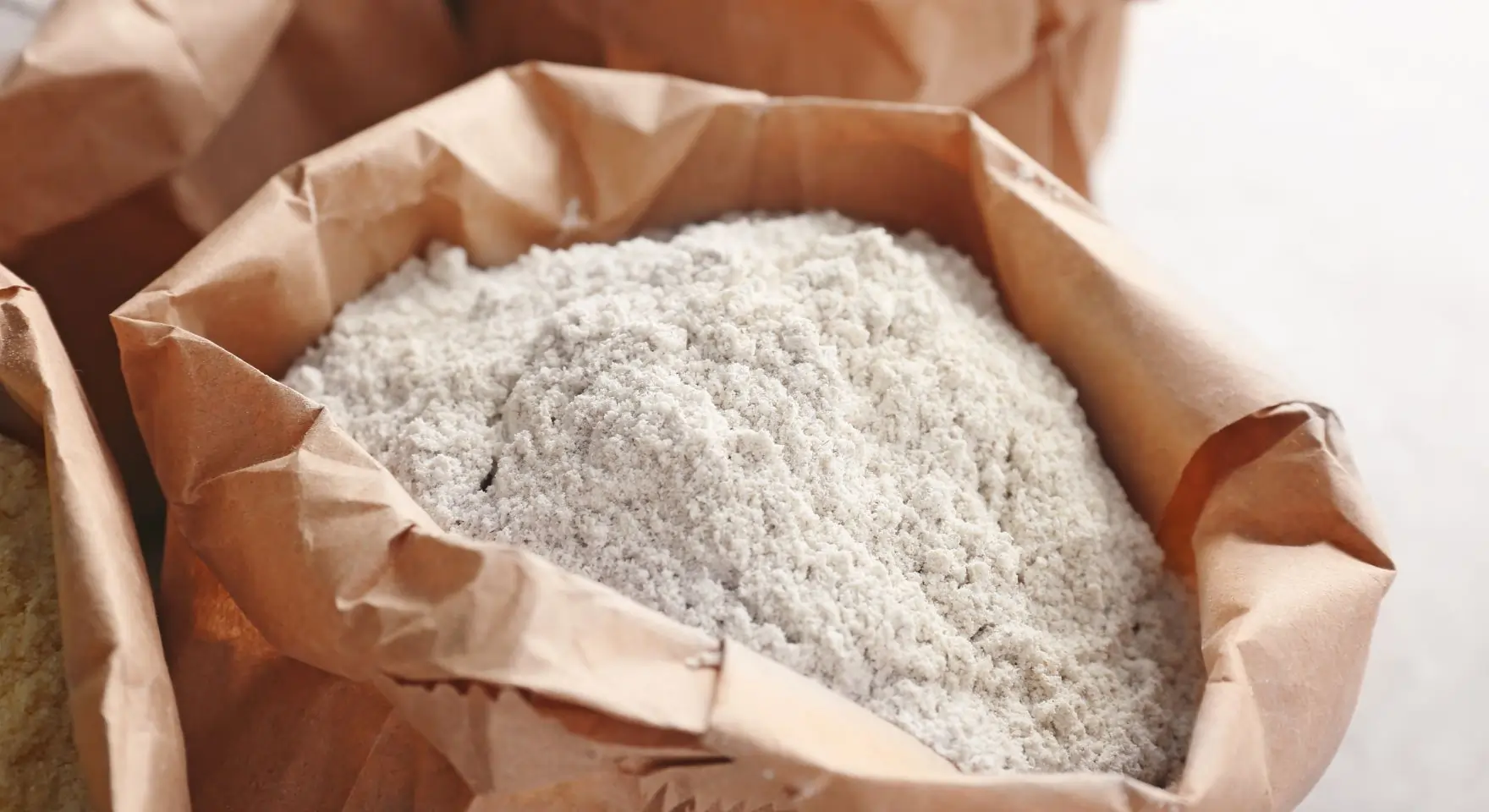
Anhydrous citric acid absorbs moisture from the environment, gradually converting back to the monohydrate form if exposed to humidity. At 25°C with relative humidity between 25-50%, it absorbs small amounts of water. Between 50-75% relative humidity, water absorption increases significantly. Approaching 75% relative humidity, the anhydrous form converts to monohydrate.
This hygroscopic behavior creates specific storage requirements:
- Store in airtight containers with moisture barriers
- Keep relative humidity below 40% in storage areas
- Use desiccants when long-term storage is necessary
- Seal containers immediately after opening
- Monitor warehouse conditions to prevent conversion
The moisture sensitivity might seem like a disadvantage, but it actually proves useful in certain applications where controlled moisture absorption serves a functional purpose.
Anhydrous Citric Acid Uses Across Industries
Food and Beverage Applications
The food industry consumes approximately 67% of global citric acid production, with anhydrous citric acid finding specific niches within this massive market.
Dry food mixes and powdered beverages: Anhydrous form prevents premature reactions in dry blends. Powdered drink mixes containing both citric acid and sodium bicarbonate require the anhydrous form to avoid CO₂ generation during storage. The absence of water molecules prevents these ingredients from reacting until consumers add liquid.
Flavor enhancement: The pure acid taste without water dilution makes anhydrous citric acid preferred for applications where concentrated sourness matters. Sour candies, hard candies, and confectionery coatings use anhydrous form to deliver intense tartness without moisture-related stickiness.
Acidity regulation: Processed fruits, vegetables, sauces, and baked goods incorporate citric acid anhydrous powder to adjust pH precisely. The higher concentration of actual citric acid per gram (no water weight) allows more accurate dosing in industrial formulations.
Preservation: The antimicrobial properties of citric acid help inhibit microbial growth in canned foods, extending shelf life without refrigeration. Anhydrous form prevents introducing additional moisture into formulations where water content is carefully controlled.
Pharmaceutical Applications
The pharmaceutical industry accounts for approximately 8% of citric acid use, with anhydrous form dominating certain applications.
Effervescent tablets and powders: This represents the primary pharmaceutical use for anhydrous citric acid. Combined with sodium bicarbonate or sodium carbonate, it creates the fizzing action when dissolved in water. The anhydrous form remains stable in tablet matrices, preventing premature gas generation that would compromise product integrity.
Excipient in drug formulations: Citric acid serves as a stabilizer, improving solubility of active pharmaceutical ingredients. The anhydrous form works particularly well in moisture-sensitive formulations where even the 8.6% water in monohydrate could trigger degradation.
pH adjustment and buffering: Pharmaceutical preparations require precise pH control for stability and bioavailability. Citric acid anhydrous powder provides this control without introducing water into formulations designed for specific moisture content.
Co-crystal formation: Modern pharmaceutical development uses citric acid as a co-former in co-crystal and co-amorphous systems. These molecular complexes improve drug properties like solubility and stability. However, high relative humidity can cause these co-crystals to convert between anhydrous and hydrated forms, requiring careful formulation and packaging.
Cosmetics and Personal Care

The cosmetics industry uses citric acid primarily as a pH adjuster and exfoliant.
pH adjustment: Most skincare products require slightly acidic pH matching skin’s natural acid mantle (pH 4.5-5.5). Citric acid anhydrous powder adjusts formulation pH while providing additional benefits like metal chelation that extends product shelf life.
Alpha hydroxy acid (AHA) treatments: Citric acid functions as an AHA, providing gentle exfoliation by loosening dead skin cells. The anhydrous form concentrates this activity in products where water content is minimized or carefully controlled.
Antioxidant properties: The compound’s metal-chelating ability prevents oxidative degradation of cosmetic ingredients. By binding trace metals that catalyze oxidation, citric acid extends the efficacy and appearance of lotions, creams, and serums.
Industrial and Technical Applications
Beyond food and pharmaceuticals, citric acid anhydrous serves diverse industrial purposes.
Stainless steel passivation: The compound is widely used to passivate stainless steel according to ASTM A967 specifications. Citric acid creates a protective oxide layer on steel surfaces, preventing corrosion without the environmental hazards associated with nitric acid passivation.
Cleaning and descaling: The chelating properties make it effective for removing limescale, rust, and mineral deposits. Industrial cleaners, boiler descalers, and water treatment systems incorporate citric acid for its biodegradable, non-toxic cleaning action.
Textile processing: Fabric dyeing with acid dyes uses citric acid as an odorless alternative to white vinegar. It enhances the mordanting process through esterification reactions that crosslink fabrics and dyes, improving colorfastness.
Concrete retardation: Construction applications use citric acid to retard concrete setting time, allowing better workability during placement and finishing. The acid delays hydration reactions without compromising final strength.
Water treatment: Municipal and industrial water systems use citric acid for pH adjustment and metal chelation. Its biodegradable nature and safety profile make it preferable to mineral acids in environmentally sensitive applications.
Advantages Over Monohydrate Form
For specific applications, citric acid anhydrous powder offers distinct benefits over the monohydrate alternative.
Higher concentration: With no water molecules in its structure, anhydrous citric acid delivers approximately 8.6% more acid per gram. This concentration advantage matters when formulation space is limited or when minimizing total ingredient volume proves important.
Better stability in dry products: Dry formulations requiring long shelf life benefit from anhydrous form’s resistance to caking and clumping (when properly stored). Though hygroscopic, sealed packaging prevents moisture absorption better than dealing with the water already present in monohydrate.
Heat stability: The higher melting point (153°C vs 135°C) provides better stability in high-temperature processes. Applications involving baking, cooking, or other heat exposure benefit from anhydrous citric acid’s resistance to thermal degradation.
Compatibility with moisture-sensitive ingredients: Formulations containing ingredients that degrade or react in the presence of water require anhydrous citric acid to prevent premature interactions during manufacturing or storage.
Quality Grades and Specifications
Citric acid anhydrous powder comes in multiple grades tailored to specific regulatory requirements and applications.
Food grade (FCC):
- Purity: 99.5% minimum
- Meets Food Chemicals Codex standards
- Heavy metal limits: Lead <0.5 ppm, Arsenic <3 ppm
- Used in food and beverage production
Pharmaceutical grade (USP/EP):
- Purity: 99.5% minimum (typically higher)
- Meets United States Pharmacopeia and European Pharmacopoeia requirements
- Stringent heavy metal and impurity limits
- Microbial testing required
Technical grade:
- Purity: 99.5% minimum (may have broader specification range)
- Suitable for industrial applications
- Lower cost than food or pharmaceutical grades
- Used in cleaning, water treatment, and industrial processing
The grade selection impacts both regulatory compliance and performance. Using food-grade material in non-food applications wastes money. Using technical-grade material in food products violates regulations and creates liability.
Sourcing Industrial Citric Acid
For manufacturers requiring citric acid anhydrous powder across various grades and particle sizes, partnering with suppliers who understand application-specific requirements and provide consistent quality ensures operational success. Our comprehensive supplier directory profiles global manufacturers across Asia, Europe, and Americas with capacity and certification details. Elchemy’s technology-driven platform connects food, pharmaceutical, and industrial companies with verified suppliers of citric acid meeting specifications from technical grade to pharmaceutical grade standards.
Founded by engineers from IIT Bombay, IIT Delhi, and IIM Ahmedabad, Elchemy transforms chemical distribution through customer-centric technology. Whether you need fine powder citric acid for rapid dissolution, granular forms for controlled release, or technical support determining which grade suits your specific application, our platform provides transparent sourcing from vetted Indian and global suppliers with complete documentation and quality assurance.
Conclusion
Citric acid anhydrous powder represents the water-free form of one of the world’s most versatile organic acids. Its absence of bound water molecules creates specific advantages in dry formulations, moisture-sensitive applications, and high-temperature processes where monohydrate proves unsuitable.
From effervescent pharmaceuticals to dry beverage mixes, from stainless steel passivation to concrete retardation, anhydrous citric acid serves critical functions across industries. Understanding its hygroscopic nature, temperature-dependent crystallization, and optimal storage conditions allows manufacturers to harness its benefits while avoiding moisture-related complications that can compromise product quality or shelf life.