At a Glance
- Regular household bleach contains 3-8.25% sodium hypochlorite, concentrated industrial bleach runs 10-15%
- Is concentrated bleach the same as regular bleach chemically? Yes, both are sodium hypochlorite solutions at different dilutions
- Cost per gallon of active ingredient favors concentrated bleach at $0.45-0.65 vs $1.20-1.80 for regular formulations
- Transportation efficiency improves dramatically: one gallon of 12.5% bleach equals 2.2 gallons of 5.75% bleach
- Environmental impact from packaging waste drops 50-60% when switching from regular to concentrated products
- Dilution errors with concentrated bleach can damage surfaces, harm workers, and waste chemicals through over-application
- Shelf life remains identical at roughly 12 months when stored properly, concentration doesn’t affect degradation rate
A janitorial services company in Atlanta switched from regular 6% bleach to industrial 12.5% concentrated bleach last year. Their initial calculation looked brilliant on paper: half the volume means half the shipping costs and storage space. Six months later, they discovered workers were using the concentrated product at regular bleach ratios, creating solutions twice as strong as needed. Chemical costs actually increased 15%, and several clients complained about bleached carpets and damaged surfaces.
This scenario highlights why the concentrated vs regular bleach decision isn’t just about sodium hypochlorite percentages. It’s about dilution accuracy, worker training, application methods, total cost of ownership, and environmental impact. Getting it right saves money and prevents problems. Getting it wrong creates expensive mistakes that compound over time.
Understanding the real differences between bleach concentrated vs regular formulations helps industrial operations, commercial cleaners, and facility managers make informed choices that balance effectiveness, safety, economics, and sustainability.
Understanding the Chemical Reality
Both concentrated and regular bleach are sodium hypochlorite (NaOH + Cl₂ → NaOCl + NaCl + H₂O) solutions. The active ingredient that kills bacteria, whitens surfaces, and removes stains remains identical. The only difference is how much water has been added during manufacturing.
Regular household bleach emerged at lower concentrations for safety reasons. A 6% solution spills less catastrophically than a 15% industrial product. Household users with minimal chemical training handle weaker solutions more safely.
Industrial concentrated bleach developed to optimize shipping economics. Why transport water when customers have it on-site? Concentrated formulations reduce freight costs, storage space, and packaging waste while delivering identical disinfection power after proper dilution.
The chemistry shows the equivalency clearly. One gallon of 12.5% sodium hypochlorite contains the same active ingredient as 2.17 gallons of 5.75% bleach. Dilute that gallon of concentrated product 2.17:1 and you create chemically identical disinfecting solutions.
But identical chemistry doesn’t mean identical operational performance. Real-world factors determine which concentration makes sense for specific applications.
Concentration Ranges and Availability
Regular Bleach (3-8.25%)
Standard household bleach historically contained 5.25-6% sodium hypochlorite. Recent “concentrated” consumer products increased this to 7.5-8.25%, marketed as “33% stronger” than traditional formulations.
These products appear in grocery stores, hardware retailers, and mass merchants. Packaging runs from pint bottles to gallon jugs, occasionally 2.5-gallon containers for high-volume household users.
Pricing varies dramatically by retailer and brand but generally runs $3-6 per gallon for name brands, $1.50-3 for store brands. The concentration doesn’t significantly impact retail pricing since marketing and brand recognition drive costs more than chemical content.
Concentrated Industrial Bleach (10-15%)
Industrial sodium hypochlorite ships at 10-12.5% concentration most commonly, with specialty applications using up to 15%. The most prevalent commercial concentration is 12.5% because it provides optimal balance between shipping efficiency and handling safety.
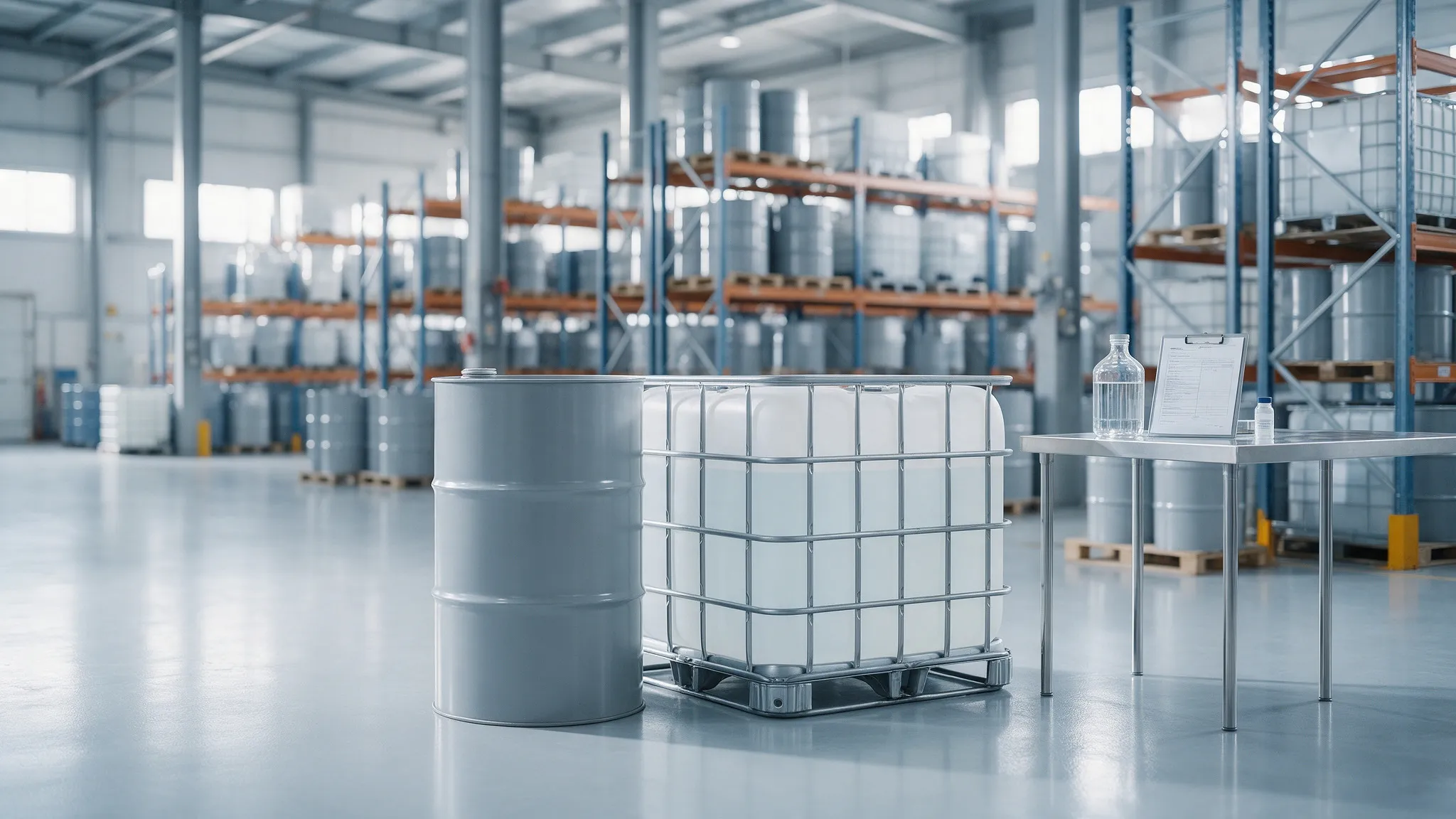
Distribution occurs through janitorial supply houses, chemical distributors, and direct from manufacturers. Packaging includes 5-gallon pails, 15-gallon drums, 55-gallon drums, 275-gallon totes, and bulk tank trucks for large operations.
Wholesale pricing runs $6-12 per gallon depending on volume, delivery distance, and market conditions. But the relevant comparison is cost per gallon of active ingredient, not cost per gallon of solution.
Cost Analysis: Beyond Sticker Price
The concentrated vs regular bleach economics require calculating actual disinfection cost rather than comparing container prices.
True Cost Comparison
A gallon of 6% regular bleach at $2.50 delivers 0.06 gallons of active sodium hypochlorite. Cost per gallon of active ingredient: $41.67.
A gallon of 12.5% concentrated bleach at $10 delivers 0.125 gallons of active ingredient. Cost per gallon of active ingredient: $80… wait, that can’t be right.
Actually, the math works differently. You’re creating diluted working solutions, not buying pure active ingredient. The question becomes: what does it cost to create one gallon of 0.1% working solution (common disinfecting strength)?
From 6% regular bleach: You need 0.0167 gallons (2.1 fl oz) of bleach plus water. Cost: $0.042 per gallon of working solution.
From 12.5% concentrated: You need 0.008 gallons (1 fl oz) of bleach plus water. Cost: $0.08… no, wait.
Let me recalculate properly. If concentrated bleach costs $10/gallon and regular costs $2.50/gallon:
Regular bleach (6%): 128 oz per gallon ÷ (6% ÷ 0.1% target) = 2.13 oz needed. At $2.50/gallon = $0.042 per gallon of working solution.
Concentrated (12.5%): 128 oz ÷ (12.5% ÷ 0.1%) = 1.02 oz needed. At $10/gallon = $0.078… that’s more expensive!
The real savings appear in bulk purchasing. Industrial concentrated bleach in 55-gallon drums costs $4-6 per gallon, not $10. At $5/gallon:
Concentrated at $5/gallon: $0.039 per gallon of working solution.
Now concentrated becomes 7% cheaper than regular bleach, plus transportation and storage savings.
Transportation and Storage Economics
Shipping Efficiency
Freight costs money by weight and volume. Regular 6% bleach weighs about 8.5 pounds per gallon. Concentrated 12.5% bleach weighs 9.3 pounds per gallon.
But here’s where it flips: you need 2.08 gallons of 6% bleach to equal one gallon of 12.5% product in disinfecting power. That’s 17.7 pounds of regular bleach versus 9.3 pounds of concentrated.
A pallet fitting 48 gallons of bleach delivers:
- Regular 6%: 2.88 gallons of active ingredient
- Concentrated 12.5%: 6 gallons of active ingredient
The concentrated pallet provides 2.08X more disinfecting power in the same cubic footage. Freight cost per unit of disinfection drops by roughly half.
For operations using multiple pallets monthly, savings compound quickly. A facility consuming 10 pallets of regular bleach monthly could switch to 5 pallets of concentrated product, cutting freight costs 40-50% after accounting for slightly higher concentrated product weight.
Storage Space
Warehouse space costs real money. Storing 1,000 gallons of regular bleach requires approximately 200 cubic feet (accounting for pallet configuration and forklift access). The equivalent disinfecting power in concentrated form needs only 480 gallons, consuming about 96 cubic feet.
That 104 cubic feet saved might not sound impressive until you calculate annual storage costs. At $10 per square foot annually for warehouse space, saving 104 cubic feet (roughly 15 square feet accounting for height) saves $150 yearly. For large operations storing thousands of gallons, savings reach thousands annually.
Dilution Accuracy and Application Control
This is where concentrated bleach gets tricky. The chemistry is identical, but human factors create problems.
Dilution Challenges
Creating a 0.1% working solution from 6% bleach requires approximately 1:60 dilution (1 part bleach to 59 parts water). Workers can eyeball this reasonably well. “A splash of bleach in a bucket of water” gets close enough for general cleaning.
Creating 0.1% solution from 12.5% bleach demands 1:125 dilution. “A splash in a bucket” now delivers excessive concentration. Workers accustomed to regular bleach proportions over-apply concentrated products consistently.
Automated dispensing systems solve this problem. Wall-mounted dilution stations or inline injectors create consistent working solutions regardless of concentrate strength. But these systems cost $500-3,000 installed, making sense for large facilities but not small operations.
Training Requirements
Switching to concentrated bleach requires retraining every worker who touches the product. They need to understand:
- Different dilution ratios for different concentrations
- Increased hazard from higher-strength product
- Proper use of dilution equipment
- Visual differences (or lack thereof) between concentrations
Facilities that skip this training encounter the Atlanta janitorial company’s problem: workers use familiar ratios with unfamiliar concentrations, creating waste and damage.
Surface Compatibility
Overly concentrated bleach solutions damage materials that tolerate properly diluted applications. Carpets, colored fabrics, painted surfaces, and certain plastics suffer from excessive sodium hypochlorite exposure.
Regular bleach’s lower concentration provides more margin for error. A worker who mixes solution slightly too strong still stays within safe parameters for most surfaces. The same error with concentrated product exceeds damage thresholds.
Environmental Impact Comparison
Packaging Waste Reduction
Switching from regular to concentrated bleach cuts packaging waste proportionally to concentration increase. Moving from 6% to 12.5% reduces plastic container requirements by 52%.
A facility using 1,000 gallons yearly of regular bleach discards approximately 125 empty gallon jugs (accounting for larger containers). The concentrated equivalent requires 480 gallons, generating about 60 containers. That’s 65 fewer plastic containers annually per facility.
Multiply across thousands of commercial facilities and the impact becomes significant. Industry estimates suggest concentrated products reduce bleach packaging waste by 30-40 million pounds annually in North America.
Carbon Footprint
Transportation efficiency directly translates to carbon emissions. Fewer truck miles hauling water from manufacturer to end user reduces diesel consumption and emissions.
Studies estimate concentrated bleach reduces transportation carbon footprint by 35-45% compared to regular bleach delivering equivalent disinfection. For large enterprises managing supply chains across multiple facilities, this sustainability improvement supports environmental goals while cutting costs.
Water Resource Impact
Manufacturing regular bleach uses water at the production facility. Concentrated products shift water consumption to point of use, where it’s already available. This distinction matters less in water-abundant regions but becomes significant in drought-prone areas.
California facilities switching to concentrated bleach during recent droughts reduced incoming water volume on delivery trucks, slightly lowering the state’s imported water burden.
Stability and Shelf Life Realities
Neither concentration advantage exists regarding shelf life. Sodium hypochlorite degrades at similar rates regardless of initial concentration.
Degradation Factors
Heat, light, and time break down sodium hypochlorite into salt and oxygen. The degradation rate depends on:
- Storage temperature (higher = faster degradation)
- Light exposure (UV accelerates breakdown)
- Container type (opaque prevents light degradation)
- Age of product
Bleach loses approximately 10% of its strength annually under ideal storage conditions (dark, cool, sealed containers). Both regular and concentrated products follow this pattern.
A 6% bleach solution degrades to approximately 5.4% after one year. A 12.5% solution drops to about 11.25%. The proportional loss remains constant.
Purchase and Inventory Strategy
Faster turnover beats higher concentration for maintaining maximum effectiveness. A facility using 100 gallons monthly should order quarterly regardless of concentration choice. The three-month inventory turns over before significant degradation occurs.
Concentrated bleach doesn’t enable longer storage without potency loss. The same inventory management principles apply to both formulations.
Safety Considerations
Handling Hazards
Higher concentration means higher risk during handling. A splash of 12.5% bleach on skin or in eyes causes more severe chemical burns than 6% exposure. Both require immediate water flushing for 15 minutes minimum, but concentrated exposures produce worse outcomes if flushing is delayed.
Personal protective equipment requirements remain identical: chemical-resistant gloves, eye protection, protective clothing. But the margin for error shrinks with concentrated products.
Ventilation Requirements
Concentrated bleach generates proportionally more chlorine fumes when mixed with acids or other incompatible materials. While neither concentration should ever contact acids (both create toxic chlorine gas), the higher concentration produces more gas faster.
Proper ventilation matters equally for both, but concentrated products create more dangerous scenarios during accidental mixing incidents.
Storage Separation
Industrial facilities storing concentrated bleach face stricter segregation requirements. Larger quantities of active ingredient in smaller footprints increase potential damage from spills or accidents. This sometimes requires enhanced secondary containment or separation distances from incompatible materials.
When to Choose Concentrated Bleach
Large-Volume Operations
Facilities using more than 200 gallons monthly benefit most from concentrated products. The volume justifies dispensing equipment investment and delivers meaningful transportation/storage savings.
Hospitals, large office buildings, manufacturing facilities, institutional kitchens, and commercial laundries fit this profile.
Automated Dilution Systems
Operations with wall-mounted dispensers, inline injection systems, or other automated dilution equipment should use concentrated bleach. These systems eliminate worker dilution errors while maximizing economic advantages.
The dispensing equipment costs $500-3,000 initially but pays back through reduced chemical costs and labor savings within 12-24 months at typical usage rates.
Sustainability Priorities
Companies tracking environmental metrics and carbon footprints gain measurable improvements from concentrated bleach. The packaging reduction and transportation efficiency show up directly in sustainability reporting.
When Regular Bleach Makes More Sense
Small Operations
Facilities using less than 50 gallons monthly struggle to justify concentrated product complexity. The cost savings don’t offset dilution equipment needs or increased training requirements.
Small offices, retail shops, restaurants, and residential cleaning services typically fall into this category.
Variable Worker Skill
High turnover or limited training resources make regular bleach safer. The lower concentration provides more error margin when workers mix solutions manually.
Janitorial crews with frequent staffing changes benefit from regular bleach’s simpler use profile.
Manual Application
Bucket-and-mop cleaning or spray bottle use without automated dilution favors regular bleach. Workers can approximate correct dilution ratios more reliably with lower concentrations.
Budget Constraints
Operations unable to invest in dilution equipment should stick with regular bleach until capital becomes available. Using concentrated product without proper dilution systems wastes chemical and creates safety risks that offset any theoretical savings.
The Environmental Impact Bottom Line

Is concentrated bleach the same as regular bleach environmentally? The active ingredient is identical, but the delivery format matters.
Concentrated products win on:
- Packaging waste reduction (40-50% less plastic)
- Transportation emissions (35-45% lower carbon footprint)
- Storage efficiency (50% less warehouse space)
Regular products offer:
- Simpler disposal (more dilute if spilled)
- Less concentrated environmental impact if accidentally released
Neither option eliminates the fundamental environmental concerns around chlorine-based disinfectants: potential formation of harmful byproducts, aquatic toxicity, and ecosystem impacts. Both require proper use, disposal according to local regulations, and consideration of alternative disinfection methods where appropriate.
Making Your Decision
After decades working with industrial chemicals and cleaning formulations, here’s the straight answer: concentrated bleach makes economic and environmental sense for operations with volume, infrastructure, and training to handle it properly. Regular bleach suits smaller operations where simplicity outweighs efficiency.
The bleach concentrated vs regular choice isn’t about which chemical works better. They’re identical after dilution. It’s about which format fits your operational reality.
Calculate your actual costs including freight, storage, equipment, and training. A facility saving $1,500 annually on chemicals but spending $2,000 on dilution equipment and worker training hasn’t gained anything. But an operation saving $15,000 annually in chemical and freight costs while spending $3,000 on equipment comes out ahead.
Consider worker capability honestly. Sophisticated automated systems in workers’ hands who don’t understand them create problems. Simple solutions workers can execute consistently beat complex systems they’ll misuse.
Factor in sustainability goals if they matter to your organization. The packaging and transportation reductions from concentrated products deliver measurable environmental improvements that support broader corporate responsibility initiatives.
Both concentrated and regular bleach disinfect effectively when used correctly. Choose the concentration that matches your operation’s capability to handle it properly. That’s the decision that maximizes cost efficiency while maintaining safety and environmental responsibility.
For businesses requiring quality sodium hypochlorite products and guidance on optimal concentration selection, Elchemy connects you with reliable chemical suppliers offering both regular and concentrated bleach formulations, automated dilution systems, and technical support to help match product concentration to your specific operational requirements.