

At a Glance
- CDEA and CAPB are coconut-derived surfactants widely used as foam boosters and viscosity enhancers
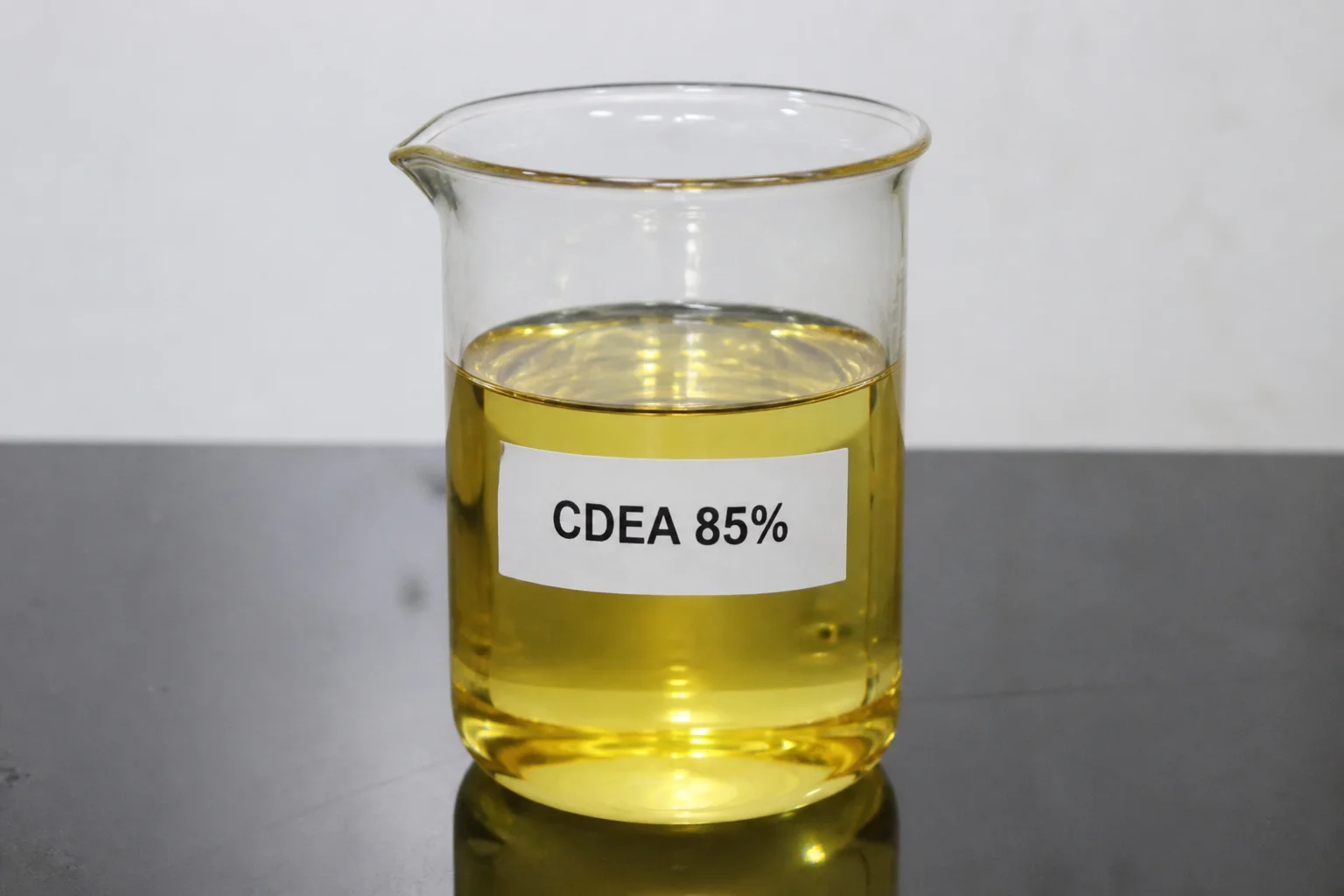
- CDEA (Cocamide DEA) is a nonionic surfactant known for dense, stable foam and cost efficiency
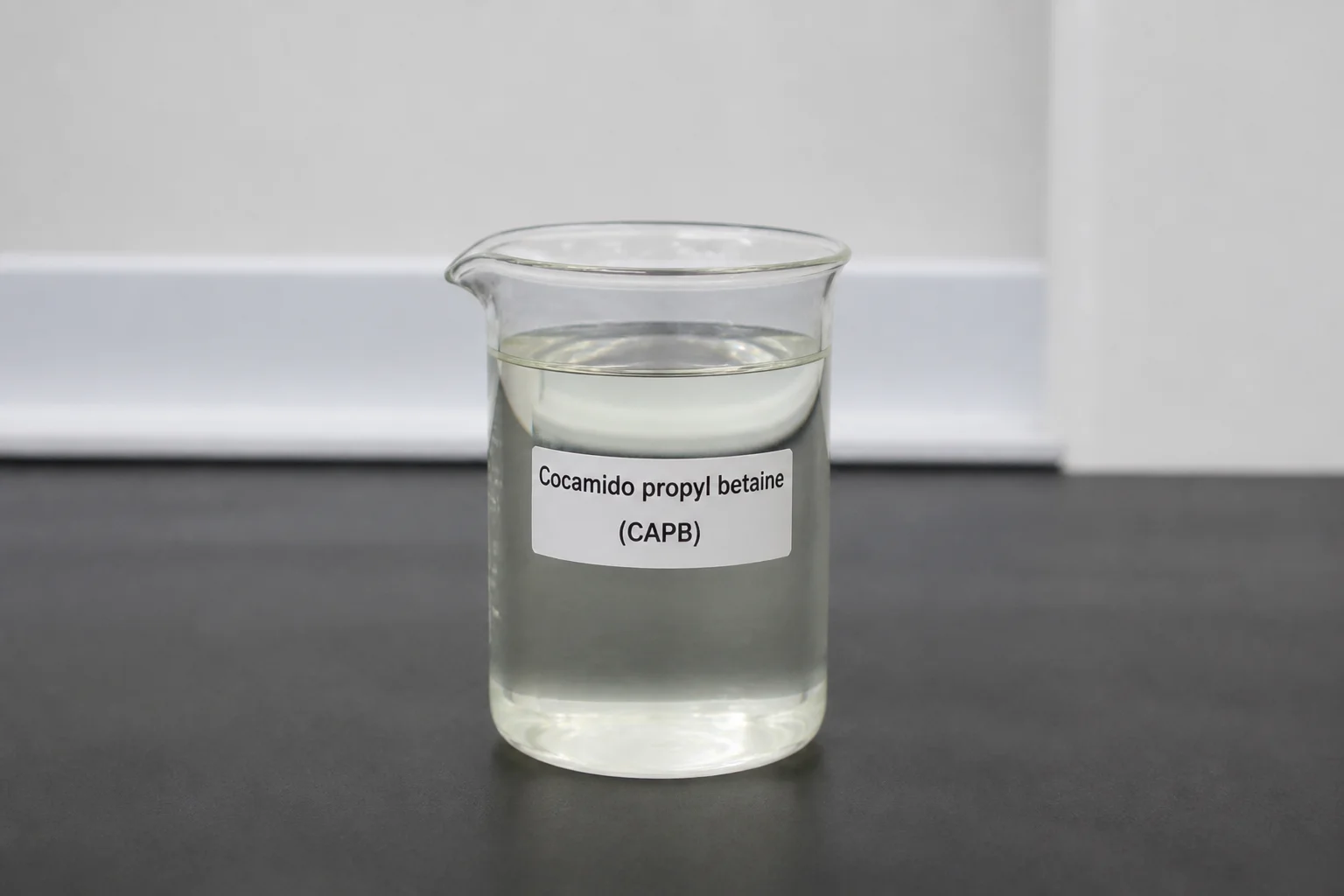
- CAPB (Cocamidopropyl Betaine) is an amphoteric surfactant valued for mildness and regulatory acceptance
- CDEA offers superior foam texture and thickening, but faces regulatory and perception challenges
- CAPB provides better skin compatibility and cleaner labeling, but at a higher cost
- CDEA is listed under California Proposition 65 due to nitrosamine formation concerns
- CAPB carries allergen risk mainly due to manufacturing impurities, not the molecule itself
- Market trends show declining use of CDEA and increasing adoption of CAPB
- The right choice depends on target market, regulatory exposure, cost sensitivity, and mildness requirements
Personal care formulators face this choice constantly: cocamide DEA or cocamidopropyl betaine? Both surfactants foam, thicken, and stabilize. Both come from coconut oil. Both appear in shampoos, body washes, and cleaning products worldwide. Yet picking the wrong one can derail your formulation, fail regulatory compliance, or cause unexpected allergic reactions in users.
In many cleansing and detergent formulations, foam boosters such as CDEA and CAPB are commonly paired with primary surfactants like LABSA 90% to balance detergency, foam quality, and formulation cost.
The difference between CAPB and CDEA extends beyond chemistry into safety regulations, consumer perception, and formulation performance. CDEA costs less and provides superior foam stability. CAPB offers better safety profiles and cleaner marketing claims. Understanding when each surfactant excels determines whether your product succeeds in the market or requires expensive reformulation.
Key Differences at a Glance
| Property | CDEA (Cocamide DEA) | CAPB (Cocamidopropyl Betaine) |
| Chemical type | Nonionic surfactant | Amphoteric/zwitterionic surfactant |
| Primary function | Foam stabilizer, viscosity builder | Foam booster, co-surfactant, mildness enhancer |
| Interaction mechanism | Non-polar tail interactions | Polar head group interactions with anionics |
| Usage as primary surfactant | Never used alone | Can function as primary in mild formulations |
| Typical concentration | 2-5% | 1-15% depending on application |
| Foam characteristics | Dense, stable, thick lather | Moderate, enhances primary surfactant foam |
| Regulatory status | California Prop 65 listed (cancer concern) | Generally accepted but allergen concerns |
| Allergen potential | Lower | Higher (2004 Allergen of the Year) |
| Cost | Lower | Higher |
| Market trend | Declining use, being phased out | Increasing adoption as replacement |
Chemical Structure and Classification
Cocamide DEA (CDEA)

CDEA is a nonionic surfactant created by reacting coconut fatty acids with diethanolamine (DEA). The molecule contains a long hydrocarbon chain from coconut oil connected to a diethanolamine head group. This nonionic character means CDEA doesn’t carry an electrical charge in solution, making it chemically stable across wide pH ranges.
The coconut-derived fatty acid portion typically ranges from C12 to C18 carbon chains, with lauric acid (C12) dominating. The diethanolamine component provides two hydroxyl groups that hydrogen bond with water molecules. This structure allows CDEA to interact with other surfactants primarily through its hydrophobic tail rather than electrostatic head group interactions.
Cocamidopropyl Betaine (CAPB)
CAPB qualifies as amphoteric or zwitterionic, meaning it carries both positive and negative charges simultaneously. The molecule consists of a coconut fatty acid chain, a propyl spacer group, and a betaine head containing both a quaternary ammonium cation and a carboxylate anion.
This dual charge creates unique properties. CAPB interacts with anionic surfactants from leading SLES manufacturers through ionic attractions between its positive quaternary ammonium and the sulfate’s negative charge. These electrostatic interactions form mixed micelles that enhance cleaning power and foam while reducing irritation. The betaine structure makes CAPB behave differently than simple nonionic surfactants like CDEA.
Function in Formulations
CDEA’s Role
CDEA serves as a secondary surfactant that was never designed to clean by itself. Its primary functions include:
- Foam stabilization: Creates dense, long-lasting bubbles by thickening liquid lamellae
- Viscosity building: Thickens formulations through hydrogen bonding with water
- Clarity enhancement: Improves product transparency through molecular interactions
- Foam texture modification: Produces rich, creamy lather quality
CDEA works by interacting through its hydrophobic tail with both anionic surfactants like SLES and amphoteric surfactants like CAPB. These tail-to-tail interactions create structured arrangements that trap air bubbles more effectively and slow drainage. The result is foam that persists longer and feels more luxurious to consumers.
The thickening action comes from CDEA’s ability to form hydrogen bonds through its two hydroxyl groups. Water molecules connect to multiple CDEA molecules, creating a loose network that increases viscosity without requiring salt or polymers. This built-in thickening reduces the need for additional viscosity modifiers in many formulations.
CAPB’s Role
CAPB functions as a true co-surfactant that enhances primary anionic surfactants while providing its own cleaning action. Key functions include:
- Foam boosting: Increases foam volume and stability of primary surfactants
- Mildness enhancement: Reduces irritation potential of harsh anionics
- Detergency improvement: Forms mixed micelles that clean more effectively
- Viscosity modification: Contributes to product thickness, especially with salt
- Antistatic properties: Conditions hair in shampoo formulations
CAPB’s amphoteric nature allows it to form mixed micelles with anionic surfactants through electrostatic attraction between opposite charges. These mixed micelles clean better than either surfactant alone, demonstrating true synergy. The interaction also reduces the amount of harsh anionic surfactant needed for effective cleaning, lowering overall irritation.
The mildness enhancement represents CAPB’s most valuable property. By incorporating into mixed micelles with SLS or SLES, CAPB shields some of the anionic charge that causes skin and eye irritation. Products formulated with CAPB alongside anionics consistently test as gentler than those using anionics alone.
Safety and Regulatory Concerns
CDEA’s California Proposition 65 Listing
California’s Office of Environmental Health Hazard Assessment listed CDEA on Proposition 65 due to cancer concerns. Research indicated that diethanolamine (DEA) compounds could react with other ingredients to form nitrosamines, which are known carcinogens. While CDEA itself doesn’t cause cancer, the potential for nitrosamine formation during product storage raised enough concern for the listing.
This regulatory action created significant market pressure:
- Products sold in California require warning labels if containing CDEA
- Major brands reformulated to avoid consumer concerns about cancer warnings
- Natural and organic product lines eliminated CDEA entirely
- International brands selling in California often reformulated globally for simplification
The listing doesn’t ban CDEA, but the warning label requirement makes it commercially unviable for many consumer products. Industrial and institutional cleaning products where cancer warnings matter less continue using CDEA for its cost and performance benefits.
CAPB’s Allergen Designation
The American Contact Dermatitis Society named CAPB “2004 Allergen of the Year,” recognizing increasing allergic reactions attributed to this ingredient. However, subsequent research revealed the true culprits were manufacturing impurities rather than CAPB itself.
The main sensitizing agents include:
- Dimethylaminopropylamine (DMAPA): Primary allergen from incomplete reaction
- Amidoamine (AA): Secondary sensitizer from incomplete conversion
High-quality CAPB with minimal impurities shows low sensitization potential. The challenge for formulators lies in sourcing pharmaceutical-grade CAPB from manufacturers with tight quality control. Lower-grade CAPB with higher impurity levels continues driving allergic reactions that damage CAPB’s reputation.
Foam Performance Characteristics
CDEA Foam Properties
CDEA creates distinctively dense, stable foam with a creamy texture consumers associate with luxury products. The foam persists even after rinsing stops, giving the impression of rich, moisturizing formulations. This foam stability comes from CDEA’s molecular structure creating strong liquid films around air bubbles that resist drainage and collapse.
When combined with SLES and CAPB, CDEA produces maximum foam volume and stability. The optimal ratio reported in technical literature suggests SLES:CAPB:CDEA at 3:1:0.5 provides peak foaming performance. Even small amounts of CDEA (2-3%) significantly improve foam quality compared to formulations without it.
The foam CDEA produces feels different than other surfactants. Users describe it as thicker, richer, and more cushioning. This tactile quality influences consumer perception of product quality and effectiveness, making CDEA valuable in premium formulations despite its regulatory challenges.
CAPB Foam Properties
CAPB boosts foam from primary surfactants rather than creating dramatically different foam by itself. The amphoteric structure allows CAPB to incorporate into mixed micelles with anionic surfactants, increasing the total number of micelles available to stabilize bubbles. More micelles mean more stable foam structure.
The foam enhancement works through multiple mechanisms:
- Electrostatic attraction creates more densely packed interfacial films
- Mixed micelles provide better surface coverage at air-water interfaces
- The betaine structure increases bubble wall elasticity
- Synergistic interactions with anionics extend foam lifetime
CAPB works best in combination with anionic surfactants at a ratio around 3:1 or 4:1 (anionic:CAPB). This ratio provides optimal foam volume and mildness while avoiding viscosity issues. Higher CAPB concentrations can cause gelling, especially when salt is present in the formulation.
Cost and Economic Considerations
CDEA Economics
CDEA costs less than CAPB to manufacture and purchase. The simpler chemical reaction between coconut fatty acids and diethanolamine requires fewer processing steps than CAPB synthesis. Raw material costs for DEA remain lower than the chemicals needed for CAPB production.
Typical bulk pricing (approximate):
- CDEA: $1.50-2.50 per kg depending on purity and volume
- CAPB (30%): $2.50-3.50 per kg for standard quality
- CAPB (30%): $3.50-5.00 per kg for low-impurity pharmaceutical grade
The price advantage makes CDEA attractive for budget formulations and price-sensitive markets. However, the California Prop 65 listing and shifting consumer preferences reduce CDEA’s economic appeal. Reformulation costs to replace CDEA with alternatives often exceed the raw material savings over a product’s lifecycle.
CAPB Economics
CAPB’s higher cost reflects its more complex synthesis and growing market demand as brands reformulate away from CDEA. The price premium for low-impurity CAPB adds further cost but reduces allergenicity concerns and supports “hypoallergenic” marketing claims.
The investment in CAPB pays off through:
- Ability to reduce primary anionic surfactant levels
- Enhanced mildness supporting premium positioning
- Avoidance of California warning labels
- Consumer acceptance of “betaine” on ingredient lists
- No regulatory pressure forcing future reformulation
Typical Usage Levels
CDEA Concentration Guidelines
Formulators using CDEA typically incorporate it at 2-5% of total formulation weight. Higher concentrations provide diminishing returns while increasing cost unnecessarily. The optimal range balances foam enhancement, viscosity building, and economic efficiency.
Application-specific concentrations:
- Shampoos: 2-3% for foam stabilization
- Body washes: 3-4% for creamy lather
- Hand soaps: 2-3% for rich foam
- Industrial cleaners: 4-5% for heavy-duty applications
CDEA concentrations above 5% rarely appear in formulations. The Cosmetic Ingredient Review Expert Panel concluded CDEA is safe at concentrations up to 10% in leave-on products, but practical formulations use far less for economic and performance reasons.
CAPB Concentration Guidelines

CAPB shows much wider concentration ranges depending on its role in the formulation. As a co-surfactant with anionics, 1-5% provides adequate foam boosting and mildness. As a primary or co-primary surfactant in ultra-mild formulations, concentrations reach 10-15%.
Typical ranges by product type:
- Mild shampoos: 10-15% as primary surfactant
- Baby shampoos: 8-12% with minimal harsh anionics
- Standard shampoos: 2-5% as foam booster for SLES
- Body washes: 3-6% for mildness and foam
- Facial cleansers: 5-10% for gentle cleaning
- Hand soaps: 2-4% supporting primary anionics
The flexibility in concentration makes CAPB adaptable to diverse formulation requirements. Formulators adjust CAPB levels based on desired mildness, foam characteristics, and budget constraints.
Interaction with Other Surfactants
CDEA Synergy
CDEA interacts primarily through its hydrophobic tail rather than electrostatic head group interactions. This non-polar interaction means CDEA works with virtually any surfactant system regardless of charge. The tail-to-tail associations with other surfactants create ordered structures that enhance foam stability and increase viscosity.
The interaction with CAPB deserves special mention. When CDEA and CAPB combine in formulations, each enhances the other’s performance. CAPB’s head group interactions with anionic surfactants combine with CDEA’s tail interactions, creating a three-way synergy that produces exceptional foam quality. This explains why many premium shampoos contain all three surfactants: sodium lauryl ether sulfate (primary cleaner), CAPB (mildness), and CDEA (foam quality).
CAPB Synergy
CAPB’s amphoteric nature creates specific synergies with anionic surfactants through ionic interactions. The positive quaternary ammonium group in CAPB attracts the negative sulfate or sulfonate groups in anionic surfactants. This electrostatic attraction forms mixed micelles with enhanced cleaning power and foam stability beyond what either surfactant achieves alone.
The SLES:CAPB ratio significantly impacts formulation properties:
- 1:1 ratio: Maximum mildness but potential gelling issues
- 2:1 ratio: Balanced mildness and viscosity
- 3:1 ratio: Optimal foam and detergency
- 4:1 ratio: Good foam with controlled viscosity
- >5:1 ratio: Diminishing CAPB benefits
Salt concentration dramatically affects SLES:CAPB systems. The combination thickens readily with sodium chloride, sometimes too readily. Formulators must carefully balance surfactant ratios and salt levels to achieve target viscosity without gelling.
Sourcing Quality Surfactants for Personal Care
For manufacturers formulating personal care products with either CDEA or CAPB, partnering with suppliers who provide consistent quality, complete documentation, and technical support makes formulation success achievable. Elchemy’s technology-driven platform connects beauty brands with verified suppliers of surfactants meeting cosmetic-grade specifications globally.
Founded by engineers from IIT Bombay, IIT Delhi, and IIM Ahmedabad, Elchemy transforms chemical distribution through customer-centric technology. Whether you need low-impurity CAPB for hypoallergenic formulations, CDEA for industrial applications, or technical guidance on surfactant selection, our platform provides transparent sourcing from vetted Indian and global suppliers with complete quality documentation and regulatory support.
Conclusion
The choice between CDEA vs CAPB depends on your specific formulation goals, target market, and regulatory environment. CDEA provides superior foam stabilization and costs less but faces declining acceptance due to California Prop 65 listing and consumer concerns about DEA compounds. CAPB offers genuine mildness benefits, cleaner regulatory status, and growing market acceptance but costs more and carries allergen concerns when impurities aren’t controlled. For most consumer personal care products, CAPB represents the safer long-term choice despite higher costs. Industrial and institutional products where regulatory warnings matter less may continue benefiting from CDEA’s performance and economic advantages.