

At a Glance
- Propylene glycol is FDA-approved food additive E1520 used at 1-10% in beverages and baked goods
- Caprylyl glycol is NOT approved for direct food use in the US despite being safe in cosmetics
- Propylene glycol has 3 carbon atoms (C3) while caprylyl glycol has 8 carbon atoms (C8)
- PG functions as solvent and humectant; caprylyl primarily works as antimicrobial preservative booster
- Acceptable daily intake for propylene glycol is 25 mg/kg body weight according to EFSA
- Both are “glycols” but completely different molecules with distinct regulatory approvals
Walk down the ingredients aisle in any grocery store and you’ll spot propylene glycol listed on countless food and beverage labels. Check your skincare products and you might see caprylyl glycol. Both are glycols—both sound similar—but are they the same? Can they be used interchangeably in food applications? The short answer is no, and understanding why matters for formulators, food scientists, and consumers alike.
The confusion between these two compounds stems from their similar-sounding names and shared “glycol” classification. However, their chemical structures, regulatory statuses, and approved applications differ dramatically. For US food and beverage manufacturers, using the wrong glycol could mean regulatory violations and product recalls.
Caprylyl Glycol vs Propylene Glycol – Quick Comparison
Understanding the fundamental differences between these glycols requires examining their chemical properties, physical characteristics, and functional roles side by side.
| Property | Propylene Glycol | Caprylyl Glycol |
| Chemical Formula | C₃H₈O₂ (1,2-propanediol) | C₈H₁₈O₂ (1,2-octanediol) |
| Carbon Chain Length | 3 carbons | 8 carbons |
| Molecular Weight | 76 g/mol | 146 g/mol |
| Water Solubility | Miscible (infinite) | Poor (3.39 g/L at 25°C) |
| Physical State | Colorless viscous liquid | Colorless liquid, less viscous |
| Odor | Odorless | Mild sweet odor |
| Origin | Petroleum or bio-based | Caprylic acid (coconut/palm) |
| FDA Food Status | GRAS, approved (E1520) | NOT approved for food |
| Primary Function | Solvent, humectant | Antimicrobial, preservative booster |
| Typical Use Level | 1-10% in foods | 0.2-1% in cosmetics only |
Is Caprylyl Glycol Same as Propylene Glycol
No, caprylyl glycol is absolutely NOT the same as propylene glycol. Despite both being glycols (1,2-diols with two hydroxyl groups), they are distinct chemical compounds with different structures, properties, and regulatory approvals. This distinction carries serious implications for food and beverage formulation.
The confusion arises because “glycol” describes an entire family of dihydric alcohols. Just as “alcohol” includes everything from ethanol to methanol to complex fatty alcohols, “glycol” encompasses various molecules with vastly different characteristics. Calling them the same would be like saying table salt and chlorine gas are identical because both contain chlorine.
| Aspect | Propylene Glycol | Caprylyl Glycol |
| Structure | Short 3-carbon chain | Long 8-carbon chain |
| Polarity | Highly polar, hydrophilic | More hydrophobic, lipophilic |
| Mixing with Water | Complete miscibility | Limited solubility |
| Taste | Mild sweet taste | Sweet but less noticeable |
| Boiling Point | 188°C (370°F) | 244°C (471°F) |
| Freezing Point Depression | Excellent (antifreeze effect) | Minimal effect |
| Penetration Enhancement | Strong skin penetration enhancer | Moderate enhancement |
| Antimicrobial Activity | Minimal at food use levels | Strong antimicrobial properties |
| Cost | Lower cost commodity | Higher cost specialty chemical |
The molecular size difference fundamentally changes how these compounds behave. Propylene glycol’s small size and polar nature make it mix completely with water—dissolve it in any proportion without separation. This property makes PG perfect for beverages where uniform distribution throughout liquid matrices matters. Caprylyl glycol’s longer carbon chain creates more oil-like character, limiting water solubility and changing where it can be effectively used.
Antimicrobial activity increases with carbon chain length in glycols. Caprylyl glycol (C8) demonstrates significantly stronger antimicrobial properties than propylene glycol (C3). This explains caprylyl’s use as preservative booster in cosmetics at 0.2-0.5% concentrations. However, this same antimicrobial activity raises safety questions for food use that haven’t been adequately studied or approved by FDA.
Food & Beverage Applications
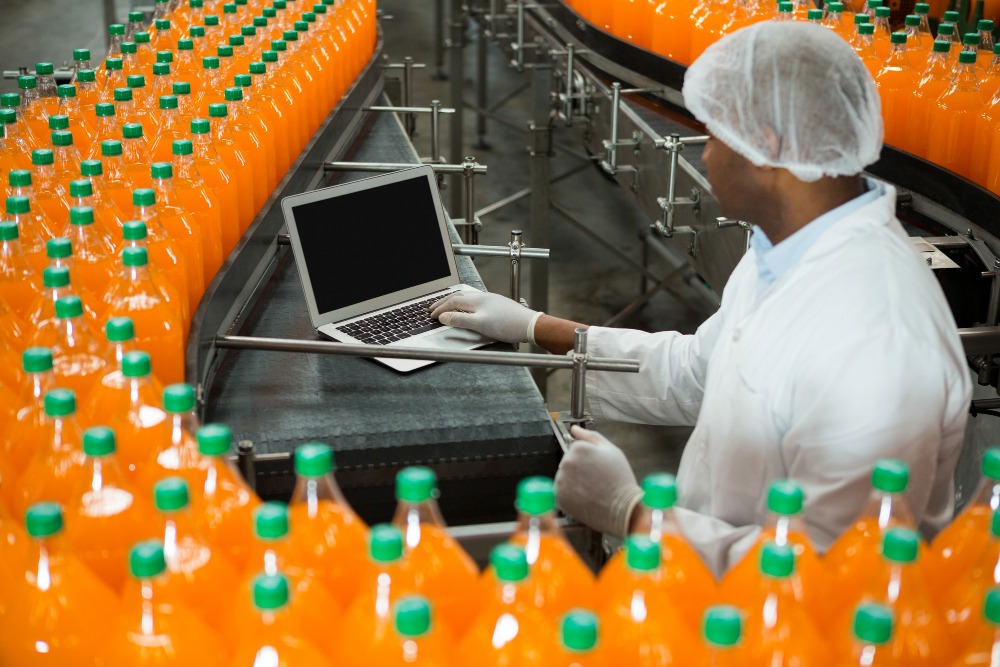
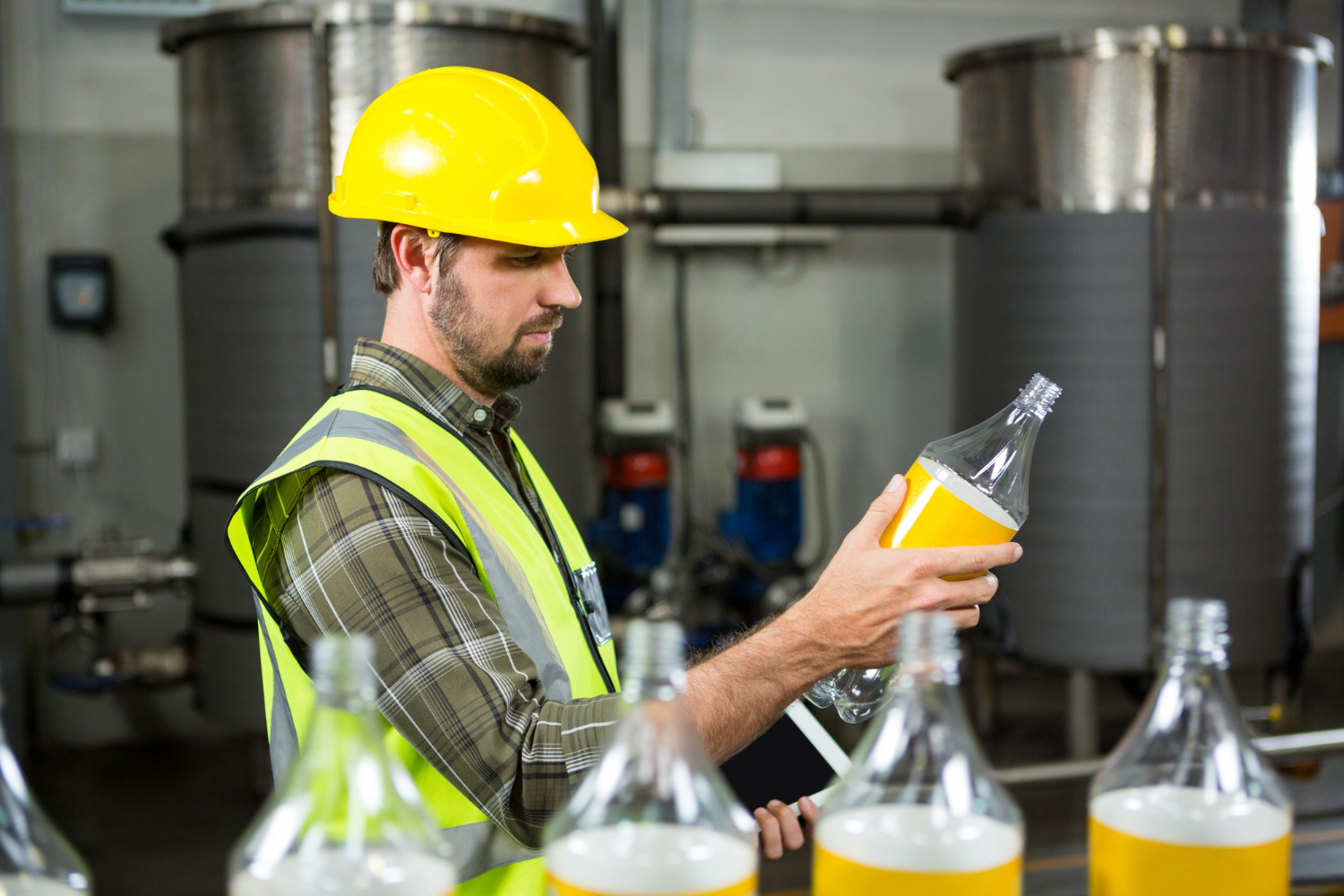
The regulatory approval status creates a clear divide in where each glycol can be legally used in US food and beverage products. Propylene glycol enjoys decades of safe food use and extensive regulatory acceptance. Caprylyl glycol remains restricted to cosmetic and personal care applications.
| Application | Propylene Glycol | Caprylyl Glycol |
| Baked Goods | Approved (moisture retention) | Not approved |
| Dairy Products | Approved (texture modifier) | Not approved |
| Beverages | Approved (flavor solvent) | Not approved |
| Frozen Desserts | Approved (prevents ice crystals) | Not approved |
| Alcoholic Beverages | Approved (solvent) | Not approved |
| Food Colorings | Approved (dispersing agent) | Not approved |
| Flavorings | Approved (carrier) | Not approved |
| Nutritional Supplements | Approved (excipient) | Not approved |
Propylene Glycol in Food Products
Propylene glycol functions as FDA-approved food additive E1520, appearing in products ranging from salad dressings to ice cream. The compound serves multiple roles depending on the application. In frozen desserts, it reduces ice crystal formation by lowering the freezing point of water, creating smoother texture. In baked goods, it retains moisture preventing staleness. In beverages, it dissolves flavors and colors that won’t dissolve in water alone.
The food industry uses propylene glycol at concentrations typically between 1-10% depending on the application. Frozen dairy products might contain 2-5% to improve texture and prevent freezing solid. Flavor extracts might use 10-30% PG as solvent carrying aromatic compounds. Baked goods incorporate 1-3% for moisture retention and extended shelf life.
Consumer perception varies widely. Some view propylene glycol suspiciously because it also appears in antifreeze (though non-toxic antifreeze specifically uses PG instead of toxic ethylene glycol). Others recognize it as generally safe based on decades of consumption and FDA approval. The “propylene glycol free” claim appears on some products targeting consumers seeking minimal processing.
Caprylyl Glycol Limitations in Food
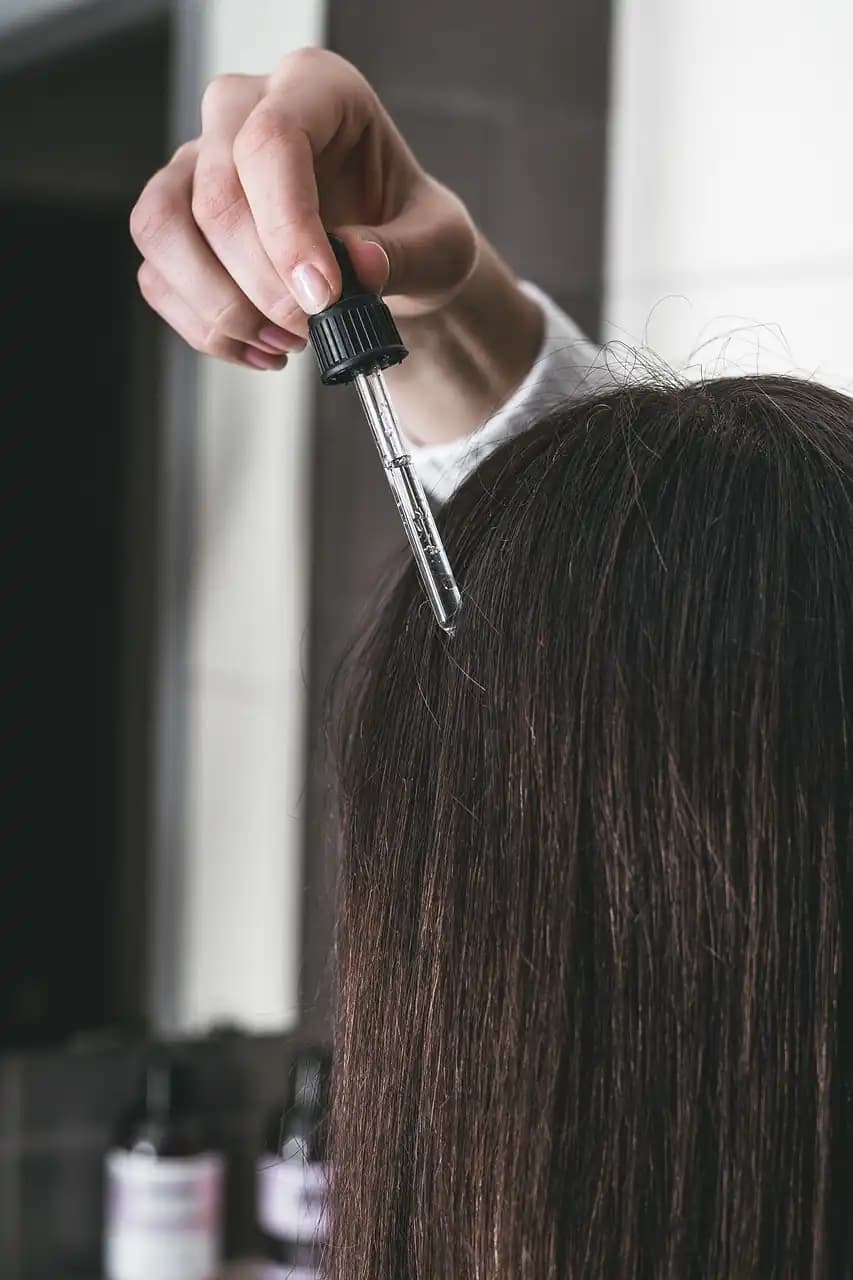
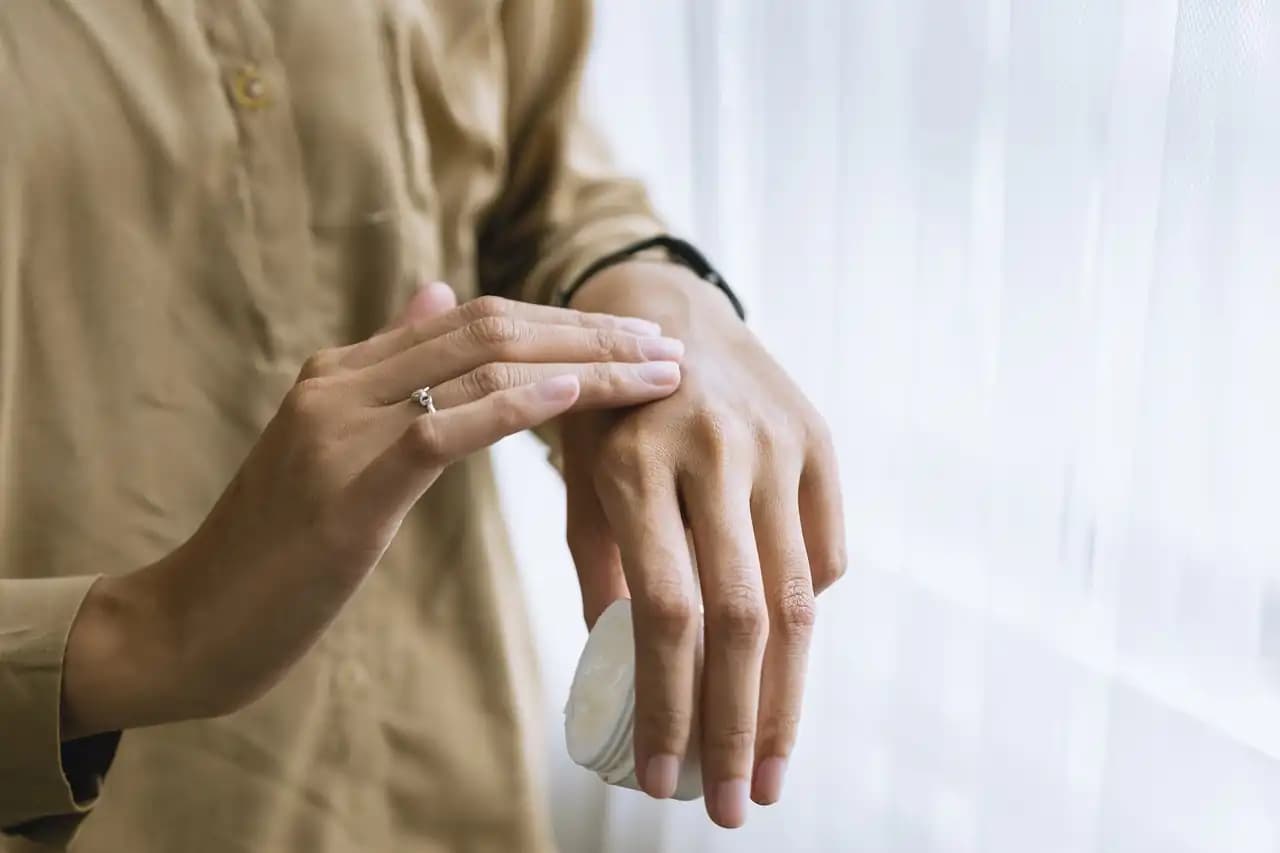
Caprylyl glycol has NOT received FDA approval for food use in the United States. This restriction isn’t because caprylyl is inherently dangerous—it demonstrates excellent safety in cosmetic applications where it appears in moisturizers, lotions, and hair products. Rather, the compound simply hasn’t undergone the extensive food safety testing and regulatory review process required for food additive approval.
No data supports using caprylyl glycol in food matrices. The compound’s antimicrobial properties, beneficial in extending cosmetic shelf life, raise questions about how it might affect beneficial bacteria in foods like yogurt or fermented products. Its limited water solubility creates formulation challenges in aqueous food systems. The higher cost compared to propylene glycol offers no economic incentive for food manufacturers to pursue approval.
If a food company wanted caprylyl glycol approved, they’d need to fund extensive safety studies including acute toxicity, chronic toxicity, reproductive toxicity, and metabolism studies specifically for oral consumption. These studies cost millions of dollars and take years to complete. Without compelling functional advantages over already-approved alternatives like propylene glycol, no commercial incentive exists to pursue this approval path.
Safety and Regulatory Status
Regulatory authorities worldwide have evaluated propylene glycol extensively for food use. Caprylyl glycol has received thorough safety assessment only for cosmetic applications. This creates a clear regulatory divide between the compounds.
| Regulatory Aspect | Propylene Glycol | Caprylyl Glycol |
| FDA Food Status | GRAS (Generally Recognized as Safe) | Not approved for food |
| EU Food Additive | E1520 approved | No food additive number |
| EFSA ADI | 25 mg/kg body weight/day | Not established for food |
| Cosmetic Use | Approved, common ingredient | Approved, safe in cosmetics |
| Food Contact Packaging | Approved as indirect additive | Not evaluated |
| Pharmaceutical Use | Approved oral/IV excipient | Not approved for oral use |
| Toxicity Classification | Low toxicity, well-tolerated | Low toxicity in dermal use |
Acceptable Daily Intake Limits
The European Food Safety Authority (EFSA) established an acceptable daily intake (ADI) of 25 mg/kg body weight per day for propylene glycol. For a 70 kg (154 lb) adult, this translates to 1,750 mg daily—far exceeding typical dietary exposure from food consumption. Studies estimate average PG consumption from foods at roughly 1 mg/kg/day, well below the ADI threshold.
Propylene glycol metabolism occurs rapidly in the body. Enzymes convert PG to lactic acid—the same compound produced during exercise—which then enters normal metabolic pathways. This familiar metabolic route contributes to PG’s safety profile. The body handles and eliminates propylene glycol efficiently without accumulation.
Concerns exist about high-dose propylene glycol exposure, particularly in children and individuals with liver or kidney dysfunction. The FDA notes that while PG is generally safe, excessive consumption may cause lactic acidosis in susceptible individuals. Europe restricts PG use in foods specifically marketed to infants and young children due to their lower body weight and developing metabolic systems.
Caprylyl glycol lacks established food safety limits because it hasn’t been evaluated for food use. The Cosmetic Ingredient Review (CIR) Expert Panel concluded caprylyl glycol is safe as used in cosmetics at concentrations up to 1%. However, cosmetic safety assessment considers dermal exposure, not oral consumption. Oral toxicity data shows LD50 values around 1,470 mg/kg in rats—indicating low acute toxicity—but chronic oral exposure studies required for food approval don’t exist.
Conclusion
Caprylyl glycol and propylene glycol share the “glycol” name but nothing else when it comes to food and beverage applications. Propylene glycol stands as an FDA-approved, well-established food ingredient with decades of safe use across countless products. Caprylyl glycol, while safe and effective in cosmetics, has no approval for food use and cannot legally appear in food or beverage formulations sold in the United States.
For US food and beverage formulators, the choice is clear: propylene glycol is the only option when glycol functionality is needed. Attempting to substitute caprylyl glycol would violate FDA regulations regardless of any perceived benefits. The compounds aren’t interchangeable, equivalent, or even similar enough to consider for the same applications. Understanding this distinction prevents formulation errors that could result in regulatory action and costly product recalls.
For manufacturers requiring propylene glycol, food-grade humectants, or other food additive ingredients with complete regulatory documentation, Elchemy’s technology-driven platform connects buyers with verified suppliers across global markets. Founded by IIT Bombay engineer Hardik Seth and IIT Delhi engineer Shobhit Jain, Elchemy provides transparent access to FDA-approved materials, certificates of analysis, and reliable supply chains supporting food and beverage manufacturing from concept through commercial production.