
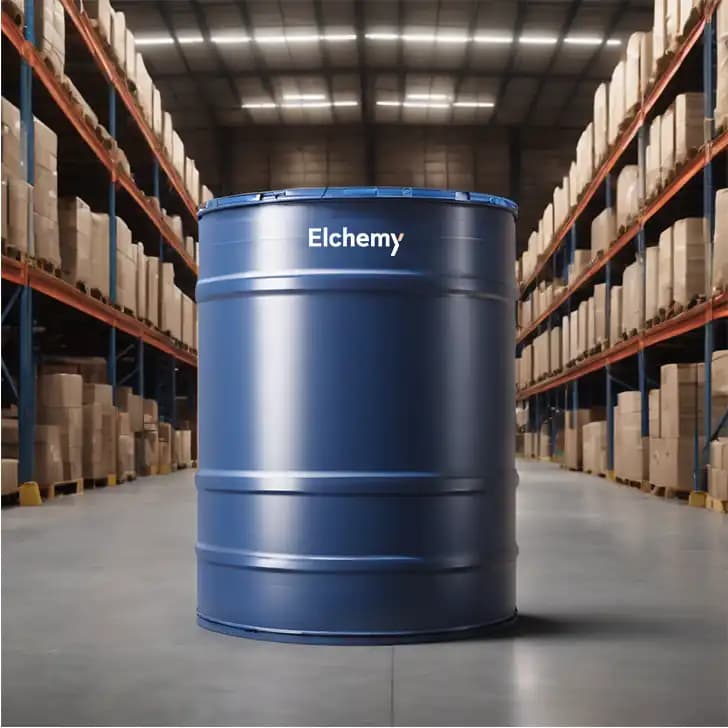
Propylene Glycol
ELHUMETM – PGO G2
Get Pricing For This Product
Skip the quote. Sign up now and see pricing instantly
Speed Up Your Sample Testing Process
Express Delivery in 24–48 Hours
A versatile compound used as a solvent, humectant, and preservative in various personal care products.
CAS Number
57-55-6
HS Code
2905.32.00
INCI Name
Propylene Glycol
Molecular Formula
C₃H₈O₂
Propylene Glycol
ELHUMETM – PGO G2
A versatile compound used as a solvent, humectant, and preservative in various personal care products.
CAS Number
57-55-6
INCI Name
Propylene Glycol
HS Code
2905.32.00
Molecular Formula
C₃H₈O₂
Get Pricing For This Product
Skip the quote. Sign up now and see pricing instantly
Speed Up Your Sample Testing Process
We deliver domestic samples within 24 - 48 hours, helping you evaluate product without delays.
Product Specification
Physical Properties
| Property | Specification |
|---|---|
| Appearance | Colorless viscous liquid |
| Odor | Practically odorless |
| Molecular Weight (G/Mol) | 76.09 |
| Density Or Specific Gravity | 1.04 g/mL at 68 °F |
| Viscosity | 0.581 cP at 20 °C |
| Refractive Index | [n]D/20: 1,431-1,433 |
| Ph (If Aqueous Solution) | 6-8 (100g/l, H2O, 20℃) |
Thermal Properties
| Property | Specification |
|---|---|
| Melting Point | -76°F |
| Boiling Point | 370.8 °F at 760 mmHg |
| Flash Point | 210 °F |
| Autoignition Temperature | 700 °F |
Processing Methods & Reference Formulations
A. Cosmetic moisturizers
When adding Propylene Glycol in cosmetic creams, incorporate it into the water phase to ensure even distribution and prevent separation. Use at 3–10% concentration as a humectant and solvent to improve skin hydration and product texture. Add it after heating to preserve its stability. Mix thoroughly to achieve a smooth, consistent formulation.
| Key Ingredients | Indicative Dosage (% w/w) |
|---|---|
| Water | 65% |
| Propylene Glycol | 5% |
| Cetearyl Alcohol | 4% |
| Glyceryl Stearate | 3% |
| Mineral Oil | 8% |
| Stearic Acid | 3% |
| Dimethicone | 2% |
| Preservative (e.g., Phenoxyethanol) | 0.8% |
| Fragrance | 0.2% |
| Xanthan Gum | 0.5% |
| Glycerin | 8.5% |
B. Hair shampoo
Use Propylene Glycol in the aqueous phase to improve scalp hydration and enhance the solubility of active ingredients in shampoos.
| Key Ingredients | Indicative Dosage (% w/w) |
|---|---|
| Sodium Laureth Sulfate | 8-12% |
| Cocamidopropyl Betaine | 4-8% |
| Propylene Glycol | 1-8% |
| Glycerin | 2-4% |
| Water | 50-60% |
| Preservatives, Fragrance/Essential Oil, Other actives |
C. Face Washes
When adding Propylene Glycol in face wash formulations, include it in the water phase for uniform mixing and to enhance solubility of actives. Use at 1–8% to boost hydration and improve skin feel without stickiness. Add after surfactants to maintain clarity and prevent foaming issues. Mix gently to preserve product stability and texture.
| Key Ingredients | Indicative Dosage (% w/w) |
|---|---|
| Deionized Water | 50% |
| Glycerin | 15% |
| Propylene Glycol | 15% |
| Polysorbate 20 | 15% |
| PEG-150 (Polyethylene Glycol 6000) | 2% |
| Sucrose Cocoate | 0.7% |
| Sorbitol | 0.7% |
| Sodium Stearoyl Lactylate | 0.5% |
| Sodium Citrate | 0.5% |
D. Makeup foundation lotion
In foundation lotion formulation, add Propylene Glycol to the water phase early on to act as a humectant and solvent. Ensure it is fully dissolved before emulsification to enhance texture, pigment dispersion, and skin feel.
| Key Ingredients | Indicative Dosage (% w/w) |
|---|---|
| Stearic acid | 2% |
| Cetyl alcohol | 4% |
| Paraffin liquid | 20% |
| Dimethicone | 5% |
| Tween 80 | 3.65% |
| Propylparaben | 0.02% |
| Propylene glycol | 5% |
| Xanthan gum | 0.3% |
| Methylparaben | 0.18% |
| Distilled water | 30-40% |
| Other additives |
Dosing Guidelines
A. Dosing by Application
| Products | Authorized dosage |
|---|---|
| Cosmetics | Upto 50% |
| Lacquers and varnishes | 4-10% |
About Propylene Glycol
Propylene Glycol is a widely used chemical known for its versatility and effectiveness across multiple industries. As a solvent, humectant, and preservative, it plays a crucial role in the formulation of food, pharmaceuticals, and personal care products. Its low toxicity and excellent stability make it a preferred choice for manufacturers and suppliers worldwide.
With a strong presence in North America and a growing global market, Propylene Glycol is essential for industries seeking reliable and high-quality chemical solutions.
Manufacturing Process of Propylene Glycol
Propylene Glycol is primarily produced through the hydration of propylene oxide, a process that involves the reaction of propylene oxide with water. This method is favored by propylene glycol manufacturers for its efficiency and ability to produce high-purity grades. Leading propylene glycol suppliers ensure consistent quality by adhering to stringent production standards.
The choice of feedstocks and control of reaction conditions are critical in achieving the desired purity levels, making it a reliable product for various applications.
Packaging & Logistics
Propylene Glycol is available in hdpe-drums, jerry-cans, and iso-tanks, catering to different volume requirements and transportation needs. Proper packaging ensures product integrity during transit, while logistics solutions are tailored for both North American and global buyers.
Our logistics team ensures timely delivery and compliance with international shipping regulations, making it easy for buyers to procure Propylene Glycol efficiently.
Safety & Handling
When handling Propylene Glycol, it is important to use appropriate personal protective equipment (PPE) such as gloves and goggles. The chemical should be stored in a cool, dry place, away from incompatible substances. Propylene Glycol is listed on the TSCA Inventory, confirming its regulatory compliance in the United States.
While it is not classified as a hazardous material, proper handling and storage practices are essential to maintain safety and product quality.
Propylene Glycol Price: Bulk Pricing for Industrial Buyers
The price of Propylene Glycol is influenced by factors such as feedstock costs, production efficiency, and market demand. Industrial buyers can obtain competitive pricing by purchasing in bulk, with quotes available upon request from Elchemy. Our team provides transparent pricing and commercial benchmarks to help you make informed procurement decisions.
Contact us for a detailed quote and to discuss your specific needs for Propylene Glycol.
Why Choose Elchemy as a Trusted Propylene Glycol Supplier?
Elchemy is committed to providing high-quality Propylene Glycol with reliable sourcing and quality assurance. Our extensive network ensures North American fulfillment and global reach, making us a preferred supplier for businesses seeking consistent and dependable chemical solutions.
Partner with Elchemy for your Propylene Glycol needs and experience our dedication to customer satisfaction and industry expertise.
About Propylene Glycol
Propylene Glycol is a widely used chemical known for its versatility and effectiveness across multiple industries. As a solvent, humectant, and preservative, it plays a crucial role in the formulation of food, pharmaceuticals, and personal care products. Its low toxicity and excellent stability make it a preferred choice for manufacturers and suppliers worldwide.
With a strong presence in North America and a growing global market, Propylene Glycol is essential for industries seeking reliable and high-quality chemical solutions.
Manufacturing Process of Propylene Glycol
Propylene Glycol is primarily produced through the hydration of propylene oxide, a process that involves the reaction of propylene oxide with water. This method is favored by propylene glycol manufacturers for its efficiency and ability to produce high-purity grades. Leading propylene glycol suppliers ensure consistent quality by adhering to stringent production standards.
The choice of feedstocks and control of reaction conditions are critical in achieving the desired purity levels, making it a reliable product for various applications.
Packaging & Logistics
Propylene Glycol is available in hdpe-drums, jerry-cans, and iso-tanks, catering to different volume requirements and transportation needs. Proper packaging ensures product integrity during transit, while logistics solutions are tailored for both North American and global buyers.
Our logistics team ensures timely delivery and compliance with international shipping regulations, making it easy for buyers to procure Propylene Glycol efficiently.
Safety & Handling
When handling Propylene Glycol, it is important to use appropriate personal protective equipment (PPE) such as gloves and goggles. The chemical should be stored in a cool, dry place, away from incompatible substances. Propylene Glycol is listed on the TSCA Inventory, confirming its regulatory compliance in the United States.
While it is not classified as a hazardous material, proper handling and storage practices are essential to maintain safety and product quality.
Propylene Glycol Price: Bulk Pricing for Industrial Buyers
The price of Propylene Glycol is influenced by factors such as feedstock costs, production efficiency, and market demand. Industrial buyers can obtain competitive pricing by purchasing in bulk, with quotes available upon request from Elchemy. Our team provides transparent pricing and commercial benchmarks to help you make informed procurement decisions.
Contact us for a detailed quote and to discuss your specific needs for Propylene Glycol.
Why Choose Elchemy as a Trusted Propylene Glycol Supplier?
Elchemy is committed to providing high-quality Propylene Glycol with reliable sourcing and quality assurance. Our extensive network ensures North American fulfillment and global reach, making us a preferred supplier for businesses seeking consistent and dependable chemical solutions.
Partner with Elchemy for your Propylene Glycol needs and experience our dedication to customer satisfaction and industry expertise.
Regulatory Compliance
| Region | Max Allowed Level | Notes | Certification Body |
|---|---|---|---|
| Australia | - | No statutory maximum | - |
| China | - | No statutory maximum | - |
| India | - | No explicit max for finished products | - |
| Japan | - | No statutory maximum | - |
| Republic of Korea | - | No statutory maximum | - |
| United States | 50% | The Cosmetic Ingredient Review (CIR) Expert Panel concluded that PG is safe for use in cosmetic products at concentrations up to 50.0%. | FDA |
| ASEAN | - | No statutory maximum | - |
| European Union | - | Propylene glycol is listed on the EU’s Inventory of Cosmetic Ingredients and its use as a cosmetic ingredient is not restricted in any way. | SCCS (Scientific Committee on Consumer Safety) |
FAQs - Propylene Glycol
Related Products

Related Products
Streamline
Your Chemical
Procurement
Get fast responses from real experts