

At a Glance
- Bromelain is widely administered for its well-recognized properties including anti-inflammatory, antithrombotic, fibrinolytic, anticancer, and immunomodulatory effects, in addition to being a wound healing and circulatory improvement agent
- In 2022, the FDA approved bromelain as a topical drug for debridement of severe burns in adults, its first formal drug approval in the US
- Bromelain is considerably absorbable in the body without losing its proteolytic activity and without producing any major side effects
- A 2025 triple-blind RCT published in Scientific Reports found bromelain supplementation significantly improved disease activity and quality of life in ulcerative colitis patients
- A 2025 review confirmed bromelain exerts significant anti-inflammatory activity and may modulate adipocyte metabolism, with implications for obesity-related condition
- Blood thinner interactions are the most important safety consideration; stop use two weeks before surgery
- Standard supplement dose: 200 to 400 mg two to three times daily between meals for systemic effects
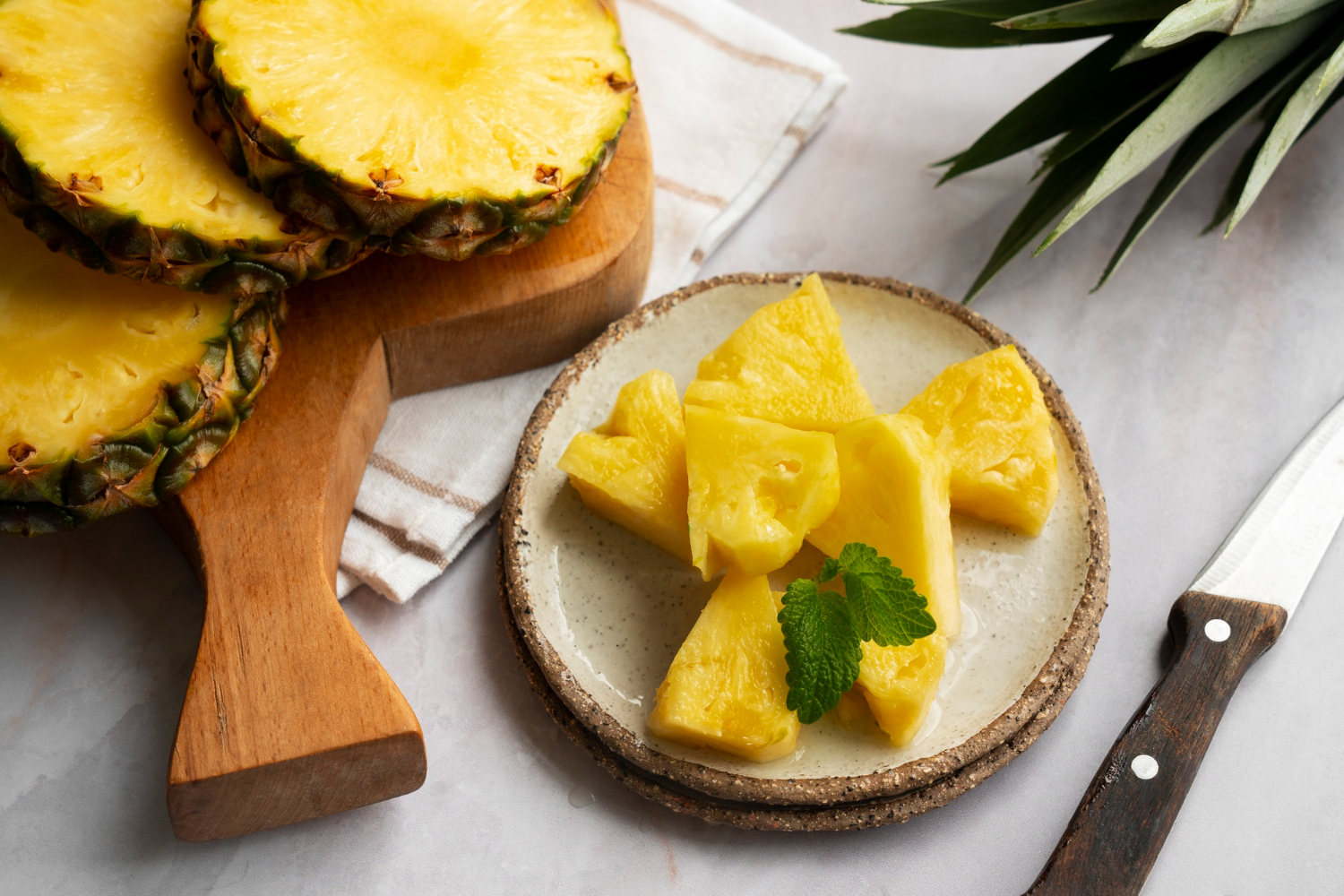
Most people first encounter bromelain through the well-known fact that fresh pineapple tenderizes meat and tingles the tongue. Both effects come from the same thing: a collection of powerful protein-digesting enzymes that break down the proteins they come into contact with. What fewer people know is that these same enzymatic properties, when bromelain is absorbed into the body after oral supplementation, translate into a surprisingly broad range of clinical benefits that researchers are still working to fully map.
Bromelain is most commonly used as an anti-inflammatory agent, though scientists have also discovered its potential as an anticancer and antimicrobial agent. It has been reported as having positive effects on the respiratory, digestive, and circulatory systems, and potentially on the immune system. This is not a supplement with one trick. The same proteolytic and anti-inflammatory mechanisms show up across multiple body systems in multiple clinical contexts, which is both the source of its broad appeal and the reason the dosing and application story is more nuanced than most labels communicate.
What Bromelain Does in the Body: The Core Mechanisms
Before getting into specific benefits, it helps to understand why bromelain does what it does. Everything traces back to two core activities.
Proteolytic activity: Bromelain breaks down proteins. In the gut, this helps digest dietary protein. In the bloodstream, it breaks down fibrin, the protein network in blood clots. In inflamed tissue, it breaks down inflammatory proteins and cytokines. The mechanism changes depending on where the enzyme ends up.
Anti-inflammatory signaling: Bromelain inhibits the synthesis of proinflammatory prostaglandins without influencing the anti-inflammatory prostaglandins, which is distinct from NSAIDs like aspirin that inhibit cyclooxygenase and suppress all prostaglandins broadly.This selective action is part of why bromelain’s anti-inflammatory effect does not come with the gastrointestinal damage that long-term NSAID use causes.
Unlike most digestive enzymes, bromelain is active in both the stomach’s acidic environment and the small intestine’s alkaline environment, making it particularly effective as an oral digestive aid. Once in the blood, bromelain appears to reduce inflammation, thin the blood, and affect the immune system.
Benefits of Bromelain by Application
Reducing Inflammation and Swelling
This is the most documented benefit and the one with the deepest clinical evidence base. A 2023 study found that bromelain reduced inflammatory effects and decreases the production of inflammatory cytokines, which stimulate the immune system to fight infections and diseases but can cause harmful inflammation when produced in excess.
Post-surgical swelling is where bromelain has been most formally studied in humans. A prospective study with 100 patients found that bromelain and coumarin intake significantly reduced post-surgical facial edema following traumatology procedures. Multiple meta-analyses confirm benefits in wisdom tooth extraction, covering facial swelling, pain reduction, and jaw range of motion.
For sports-related inflammation, bromelain is used in Europe to aid in recovery from surgery and athletic injuries, often in combination with other proteolytic enzymes to enhance effectiveness. A preliminary study comparing bromelain to ibuprofen for delayed onset muscle soreness showed comparable effectiveness, without the gastric side effects.
Joint Health and Osteoarthritis
People commonly use bromelain supplements to improve the symptoms of osteoarthritis. Bromelain can improve symptoms of pain and stiffness in those with osteoarthritis, especially in combination with nutraceuticals such as turmeric.
The clinical comparison to diclofenac, a common prescription anti-inflammatory, is worth knowing. In a study of 103 osteoarthritis patients, improvements in symptom scores were similar between bromelain and diclofenac over six weeks, while liver enzyme markers decreased with bromelain but increased with diclofenac. For people looking for long-term joint support who want to minimize pharmaceutical side effects, that is a clinically meaningful finding.
Rheumatoid arthritis and gout are also listed as potential applications in European clinical practice, though the evidence here is thinner than for osteoarthritis. Current research direction suggests the anti-inflammatory mechanism is relevant but human trial data specifically for these conditions needs further development.
Digestive Support
Bromelain’s proteolytic activity at both acidic and alkaline pH makes it genuinely useful as a digestive enzyme in a way that many other enzymes are not. Most digestive enzymes are optimized for either the stomach or the small intestine. Bromelain works in both.
For people with low stomach acid, impaired pancreatic enzyme production, or general protein digestion difficulty, bromelain taken with meals adds meaningful proteolytic capacity. Bromelain can be absorbed in human intestines without degradation and without losing its biological activity which is why taking it away from food for systemic effects is also effective, not just around meals.
Bromelain supplementation protects animals against diarrhea caused by bacterial enterotoxins from Escherichia coli and Vibrio cholerae. Bromelain acts as an anti-adhesion agent by modifying the receptor attachment sites and influencing intestinal secretory signaling pathways.
Gut Inflammation and Ulcerative Colitis
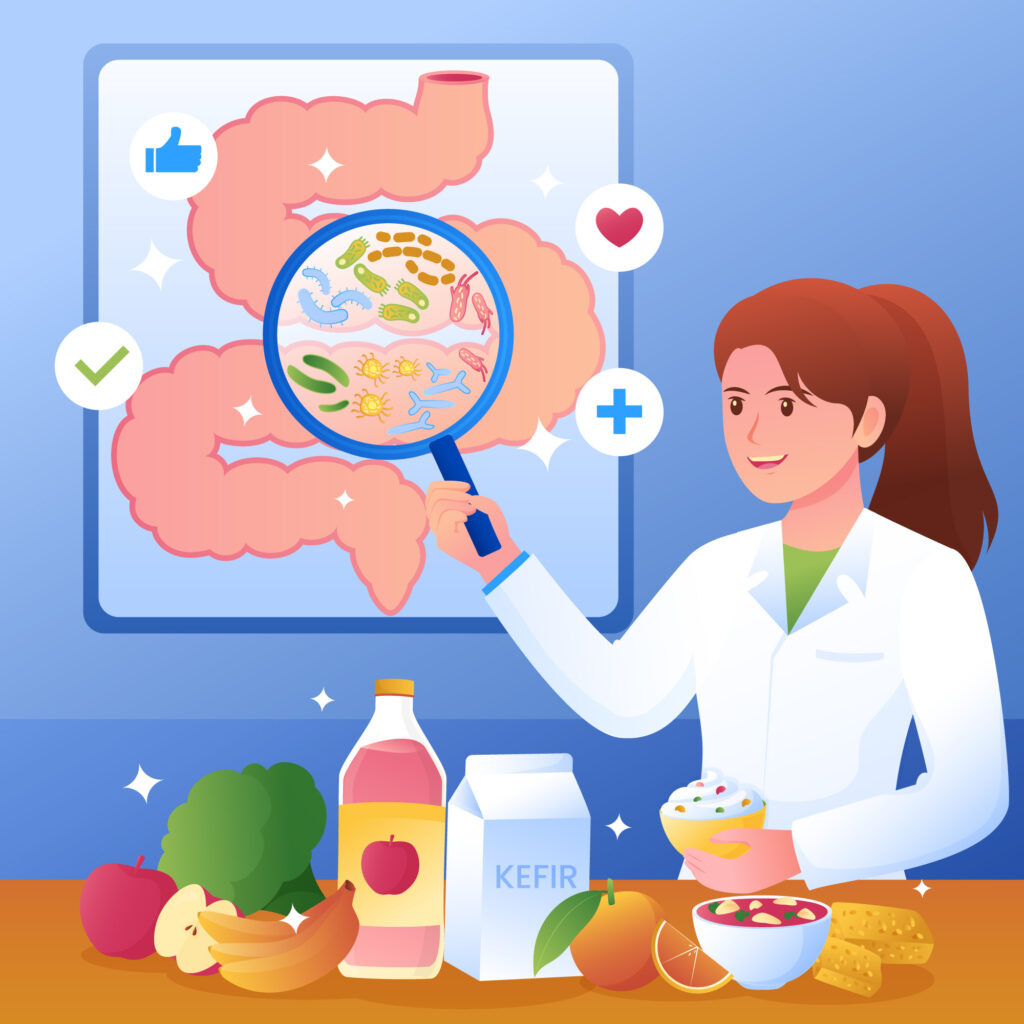
This is one of the most exciting recent developments in bromelain research. A 2025 triple-blind, parallel-group, randomized controlled trial across seventy patients with mild to moderate ulcerative colitis found that bromelain supplementation significantly improved disease activity and quality of life scores over eight weeks. This is a properly designed RCT, not a case report or animal study, and it is the kind of evidence that pushes an application from “promising” to “clinically relevant.”
The mechanism makes biological sense. UC is characterized by excessive gut inflammation driven by cytokines and inflammatory prostaglandins, the exact molecules bromelain modulates. The fibrinolytic activity may also help with the mucosal damage repair process.
Respiratory Health and Sinusitis
Bromelain could be an important mucolytic agent for allergic rhinitis, rhinosinusitis, and severe rhinosinusitis by decreasing proinflammatory prostaglandin production, reducing swelling in nasal routes, reducing mucus production, and improving drainage.
There is not enough high-quality research to definitively recommend oral bromelain for sinusitis per NCCIH, but multiple studies show symptom improvement and the mechanistic rationale is strong. In German medical practice, bromelain is an established component of sinusitis treatment protocols.
Cardiovascular and Blood Clotting
Bromelain acts on fibrinogen giving products similar in effect to those formed by plasmin, the body’s own clot-dissolving enzyme. In vitro and in vivo studies have suggested that bromelain is an effective fibrinolytic agent as it stimulates the conversion of plasminogen to plasmin, resulting in increased fibrinolysis by degrading fibrin.
Other proposed cardiovascular uses include chronic venous insufficiency, hemorrhoids, other diseases of the veins, and bruising, though scientific evidence is more limited for these applications than for the primary anti-inflammatory and debridement uses
This fibrinolytic activity is also the mechanism behind the blood-thinning caution. It is the same property that makes bromelain potentially beneficial for cardiovascular health that makes it risky in combination with anticoagulant medications.
Metabolic Health and Obesity
A 2025 review confirmed that bromelain has been shown to exert significant anti-inflammatory activity and may modulate adipocyte metabolism, potentially alleviating comorbidities associated with excess adiposity. Although its effects on immune cells are relatively well described, the mechanisms underlying bromelain’s actions on adipocytes remain incompletely understood.
Obesity is characterized by chronic low-grade inflammation, and bromelain’s anti-inflammatory mechanism is relevant to the inflammatory cytokine profile seen in metabolic syndrome. This is genuinely emerging research, not established clinical practice, but it represents a meaningful new direction for bromelain research in 2025 and beyond.
Antimicrobial and Immune Modulation
Bromelain also acts as an antifungal agent by stimulating phagocytosis and respiratory burst killing of Candida albicans when incubated with trypsin in vitro. Bromelain increases bioavailability and reduces the side effects associated with various antibiotics.
Bromelain is distinct from NSAIDs in its prostaglandin effects, inhibiting synthesis of proinflammatory prostaglandins while not suppressing anti-inflammatory ones, which means its immunomodulatory effect is more nuanced than blanket immune suppression.
Emerging Cancer Research
There is emerging evidence suggesting anticancer properties of bromelain, with studies indicating potential benefits in inhibiting tumor growth, preventing metastasis, and enhancing the effectiveness of chemotherapy. Several mechanisms have been proposed including inhibition of cancer cell proliferation, induction of apoptosis, antiangiogenic effects, modulation of inflammatory pathways, and enhancement of immune function.
A 2023 study found that bromelain may block toxic events in the body that may lead to the development of cancerous cells. However, these studies are in vitro and in vivo and are limited. This is early-stage research and should not be interpreted as a treatment claim. Bromelain can be a promising candidate for the development of oral enzyme therapies for oncology patients is the more measured framing that the peer-reviewed literature supports.
What Does Bromelain Do for the Body: A Summary Table
| Body System | Established Benefit | Evidence Level |
| Musculoskeletal | Reduces post-surgical swelling, osteoarthritis pain and stiffness | Strong, multiple RCTs |
| Digestive | Protein digestion, IBS support, UC activity improvement | Good, 2025 RCT for UC |
| Respiratory | Sinusitis symptom relief, mucolytic action | Moderate, clinical studies |
| Cardiovascular | Fibrinolytic activity, platelet inhibition | Moderate, mechanistic data |
| Immune | Cytokine modulation, antimicrobial support | Moderate, lab and animal data |
| Metabolic | Anti-inflammatory in obesity, adipocyte modulation | Early, 2025 review |
| Oncology | Anticancer signaling, chemotherapy enhancement | Early, in vitro and in vivo only |
Safety Profile and Interactions
Bromelain has a genuinely good safety record across decades of use. Bromelain is considered as a food supplement and is freely available to the general public in health food stores and pharmacies in the USA and Europe. Bromelain is well absorbed in the body after oral administration and has no major side effects, even after prolonged use.
Side effects at standard doses are mild and uncommon:
- Mild gastrointestinal upset, nausea, or loose stools, particularly when starting at higher doses
- Allergic reactions in people sensitive to pineapple, papain, latex, or related plant proteins
- Menstrual changes in some women at higher doses
Drug interactions that require real attention:
- When used in conjunction with other drugs such as aspirin and warfarin, the anticoagulant effects of bromelain may accelerate bleeding
- Antibiotic absorption is enhanced by bromelain, which can be beneficial but needs medical oversight
- Sedative medications may have amplified effects
- Stop bromelain at least two weeks before any planned surgical procedure
No knowledge on the efficacy or safety of bromelain is accessible for children under 18 years of age from clinical trials, and there is no evidence available on the efficacy of bromelain at higher concentrations over lengthy periods of time
Conclusion
The benefits of bromelain span a range of body systems that few natural supplements can match, and the 2024 and 2025 research has meaningfully extended the evidence base into ulcerative colitis, metabolic health, and post-surgical recovery. What bromelain does for the body ultimately comes down to its proteolytic and anti-inflammatory mechanisms working at multiple levels simultaneously: in the gut during digestion, in the bloodstream via fibrinolytic activity, and in inflamed tissues via cytokine modulation. The FDA’s 2022 drug approval for burn debridement put formal regulatory validation behind the enzyme’s therapeutic potential, and the research pipeline suggests more clinical applications are still being mapped.
For nutraceutical manufacturers, pharmaceutical companies, and supplement brands sourcing food-grade or pharmaceutical-grade bromelain enzyme, stem bromelain concentrates standardized by GDU activity, or related proteolytic enzyme ingredients at commercial scale, Elchemy connects US buyers with verified global suppliers offering complete technical documentation, enzyme activity certificates, and supply chains built for the compliance demands of the American supplement and pharmaceutical market.