

Introduction
If you plan to buy acrylic resin in 2026, understanding the market behind the price quote is your biggest advantage. Acrylic resin pricing is shaped by volatile feedstocks, regional supply concentration, regulation, and shifting demand and buyers who track those forces consistently secure better terms than those who simply react to a number on a quote sheet.
The fundamentals are strong. The global acrylic resin market sat at roughly USD 20.6–24 billion in 2025 (around 6.9 million tonnes by volume) and is broadly forecast to grow at about 5–7% a year, reaching the USD 31–41 billion range over the next decade. This guide explains the demand drivers, acrylic resin price dynamics, and global supply outlook and how to buy smart. For chemistry background, see our acrylic resins pillar guide.
At a Glance
- Market size: roughly USD 20.6–24 billion in 2025 (~6.9 million tonnes), growing at about 5–7% CAGR.
- Demand drivers: construction recovery, automotive & EV lightweighting, and the shift to waterborne, low-VOC coatings.
- Pricing is feedstock-led: propylene → acrylic acid → acrylates, and MMA for methacrylates; energy, region, and freight all matter.
- Supply is Asia-centric: Asia-Pacific holds roughly 40–51% of the market, led by China and India; bio-based acrylic acid is an emerging shift.
- Buy smart: define spec, sample before bulk, compare delivered cost across suppliers, and consider multi-source supply to manage volatility.
What you’ll learn: the latest acrylic resin demand and market data, what drives acrylic resin pricing, the global supply outlook, and a practical guide to buying acrylic resin in bulk.
Acrylic Resin Market Trends and Demand
Acrylic resin demand is anchored by paints and coatings (around 60% of consumption) and by the building and construction sector (the largest end-use, roughly 35%), followed by automotive, packaging, electronics, and consumer goods. Several structural trends are shaping the market in 2026:
• The waterborne shift. Water-based acrylics now hold well over half the market as tightening VOC rules in North America and Europe push formulators away from solvent systems.
• Construction and infrastructure. Multi-year programmes in China, India, and the US plus the EU Renovation Wave targeting 35 million buildings by 2030 sustain coatings and construction-material demand.
• Automotive and EVs. Lightweight, thermally stable acrylic parts and adhesives for battery enclosures, glazing, and interiors are a fast-growing segment.
• Bio-based and circular acrylics. LG Chem’s plant-derived acrylic acid, Arkema’s 2025 bio-based initiatives, and Mitsubishi’s chemical recycling of PMMA point to a lower-carbon supply chain.
Track ongoing developments in Elchemy’s market insights hub and our analysis of acrylic resin coating US demand.
Acrylic Resin Price: What Drives the Cost
There is no single ‘acrylic resin price’ it varies widely by chemistry (acrylate vs methacrylate), carrier (water- vs solvent-based), grade, region, and order volume. What matters is understanding the levers, then requesting a live quote tied to your exact specification.
Key Price Drivers
• Feedstock costs. Acrylates trace back through acrylic acid to propylene; methacrylates depend on MMA. Movements in these upstream chemicals flow directly into resin pricing.
• Energy and production. Polymerisation and (for waterborne grades) processing are energy-intensive, so energy prices move costs.
• Region and freight. Asia-Pacific’s large integrated capacity often sets the competitive benchmark; freight and import duties shift delivered cost.
• Grade and performance. Specialty, high-clarity, UV-curable, and bio-based grades carry premiums over standard commodity resins.
• Supply-demand balance. Limited new acrylic acid capacity outside Asia has kept prices firm during strong construction demand.
As a reference point, Elchemy’s own analysis has noted finished waterborne acrylic coatings retailing in the region of USD 15–30 per gallon, while bulk acrylic resin is priced per tonne and quoted to specification which is why a tailored quote is essential. See related pricing context in polycrylic vs polyurethane.
Global Supply Outlook
Supply is concentrated in Asia-Pacific, which holds roughly 40–51% of the global market and is led by China’s large integrated acrylic acid and MMA capacity, with India emerging as a fast-growing production and consumption hub. Major global producers include BASF, Dow, Arkema, Mitsubishi Chemical, Nippon Shokubai, Evonik, LG Chem, DIC, and Sumitomo. For US buyers specifically, Elchemy’s guide to choosing acrylic resin suppliers in the US profiles the domestic and import landscape in detail.
The medium-term outlook points to steady volume growth (toward roughly 8.7 million tonnes by 2031), continued capacity additions, and a gradual diversification of feedstock as bio-based acrylic projects scale in Europe and the US which should ease some of the raw-material volatility that has characterised recent pricing.
Regional Demand Snapshot
Demand and supply are unevenly distributed, which directly affects availability and price. Asia-Pacific is the dominant region roughly 40–51% of the global market led by China’s large integrated acrylic acid and MMA capacity and supported by rapid construction and automotive growth; India is an increasingly important growth hub. North America remains one of the largest single markets by value, with demand skewed toward waterborne, low-VOC systems under EPA pressure. Europe holds around a fifth of the market, with strong regulatory drivers such as the EU Renovation Wave underpinning coatings demand. For buyers, sourcing from or near the most competitive region while managing freight, duties, and lead time is a key lever on landed cost.
How to Secure Better Acrylic Resin Pricing
1. Buy to a tight specification. Over-specifying grade or purity beyond what your application needs adds avoidable cost; match the resin precisely to the job.
2. Contract vs spot. Lock annual or quarterly volumes on steady demand to smooth feedstock volatility; use spot purchasing for flexibility or trials.
3. Aggregate volume. Consolidating requirements through a single sourcing relationship can unlock volume breaks and reduce per-unit cost.
4. Diversify origin. A multi-region, multi-supplier base protects against single-source price spikes and supply disruption.
5. Track feedstock signals. Watch propylene, acrylic acid, and MMA trends so you can time purchases and negotiate from an informed position.
How to Buy Acrylic Resin in Bulk
A disciplined buying process protects both quality and margin:
6. Define your specification chemistry (acrylate/methacrylate), carrier (water/solvent/UV), grade, solids content, Tg, and the performance properties your application requires.
7. Request a COA-backed sample and test it in your formulation before committing to bulk. Request a sample.
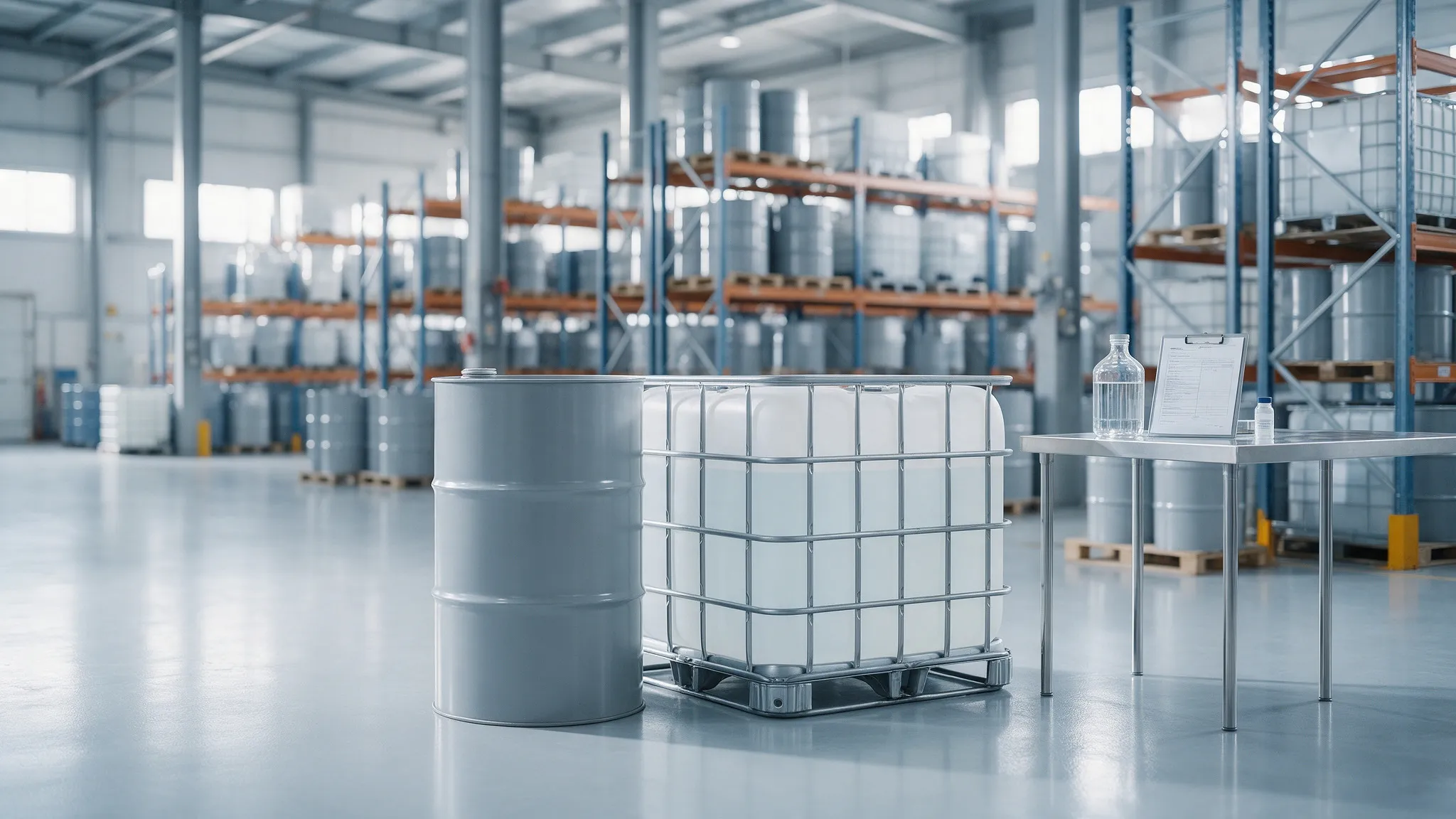
8. Confirm MOQ, packaging, and lead time drums, IBCs, or bulk; domestic stock vs imported.
9. Compare delivered cost across 3–5 suppliers on standardised terms (grade, volume, incoterm, destination).
10. Consider multi-source supply to hedge feedstock volatility and protect continuity, and lock contracts on steady demand.
| Buying checklist: confirmed chemistry & grade · COA / TDS / SDS · regulatory compliance (VOC, REACH, TSCA) · sample tested in your system · delivered-cost comparison · MOQ & lead time · multi-source plan. |
Where Can You Buy Acrylic Resin in Bulk?
You can buy acrylic resin in bulk directly from major manufacturers (such as BASF, Dow, Arkema, and Mitsubishi Chemical), through regional distributors that hold stock and break bulk into smaller lots, or via a global sourcing platform like Elchemy that connects buyers to a verified producer network with flexible volumes, full documentation, and managed logistics. For most mid-sized industrial buyers, a distributor or sourcing platform offers the best balance of competitive pricing, flexibility, and compliance support with samples available before any bulk commitment.
Outlook for Buyers in 2026 and Beyond
For procurement teams, the medium-term picture is cautiously favourable. Steady volume growth toward roughly 8.7 million tonnes by 2031 is matched by ongoing capacity additions and gradual feedstock diversification as bio-based acrylic acid projects scale in Europe and the US. That should ease some of the raw-material volatility that has driven recent price swings, though feedstock and energy costs will remain the dominant variable in any quote.
The clearest structural trend is the continued shift to waterborne and sustainable grades, which will keep gaining share under tightening VOC rules. Buyers who build relationships now with suppliers offering both competitive commodity grades and emerging low-VOC, bio-based options will be best positioned as specifications evolve. Maintaining a flexible, multi-source supply base rather than depending on a single producer or region remains the single most effective hedge against both price spikes and disruption. Elchemy’s sourcing technology is built to give buyers exactly that breadth.
Get a Live Acrylic Resin Quote
Share your grade, volume, and destination, and Elchemy will return a documentation-backed acrylic resin quote from a verified supplier with a COA-backed sample available before you buy in bulk.
Conclusion
The acrylic resin market is growing steadily on the back of construction, automotive, and the global shift to waterborne, low-VOC systems but pricing remains feedstock-driven and supply is concentrated in Asia. Buyers who understand the demand drivers and price levers, define their specification precisely, sample before bulk, and keep a flexible multi-source base will consistently buy on better terms. Start with our acrylic resins pillar guide and acrylic vs epoxy comparison, explore the product catalogue, or get a quote.
Frequently Asked Questions
Where can I buy acrylic resin?
Acrylic resin can be bought directly from major manufacturers, through regional distributors that hold stock, or via a global sourcing platform like Elchemy that connects buyers to a verified producer network with flexible volumes, full documentation, and managed logistics. Samples are available before any bulk commitment.
What is the price of acrylic resin?
There is no single price, it varies by chemistry (acrylate vs methacrylate), carrier (water vs solvent), grade, region, and volume. Pricing is feedstock-driven (propylene, acrylic acid, MMA). Bulk resin is quoted per tonne to specification, so request a live quote for an accurate figure tied to your grade and destination.
What drives acrylic resin pricing?
The main drivers are feedstock costs (propylene to acrylic acid for acrylates; MMA for methacrylates), energy, region and freight, grade and performance, and the supply-demand balance. Limited new acrylic acid capacity outside Asia has kept prices firm during periods of strong construction demand.
How big is the acrylic resin market?
The global acrylic resin market was valued at roughly USD 20.6–24 billion in 2025 (around 6.9 million tonnes), and is broadly forecast to grow at about 5–7% a year to somewhere in the USD 31–41 billion range over the next decade. Asia-Pacific holds the largest share, led by China and India.
How do I buy acrylic resin in bulk?
Define your specification precisely, request a COA-backed sample and test it in your formulation, confirm MOQ, packaging, and lead time, compare delivered cost across several suppliers on standardized terms, and consider multi-source supply to manage feedstock volatility. A sourcing platform can manage this and supply flexible volumes.
Ready to buy? Talk to an Elchemy sourcing expert.