

At a Glance
- Acetone (C3H6O) is a ketone; xylene (C8H10) is an aromatic hydrocarbon—fundamentally different chemical structures
- Acetone is weakly polar (9.8 cal/cm³); xylene is non-polar (8.2 cal/cm³)—dissolve different material classes
- Acetone evaporation rate 5.6 (extremely fast); xylene evaporation rate 1.0 (slow)—determines application and drying time
- Acetone boiling point 56°C; xylene boiling point 138.5°C—xylene remains on surface longer, provides more time for dissolution
- Acetone is less toxic (OSHA PEL 1000 ppm); xylene is more toxic (OSHA PEL 100 ppm, 10x stricter)
- Xylene is a more powerful solvent for oils, greases, waxes, paints, varnishes; acetone better for plastics and light cleaning
- Acetone is VOC-exempt in EPA; xylene is regulated VOC (volatile organic compound)
- Is xylene the same as acetone? No—different chemistry, properties, toxicity, applications, and regulatory status
- Cost: acetone ~$3-5/gallon; xylene ~$8-12/gallon (early 2026)
- Acetone preferred for mild tasks, labs, light degreasing; xylene for heavy-duty industrial applications
Often asked when it comes to industrial procurement, manufacture, and laboratory use, the question is: is xylene the same as acetone? The response is a clear NO. Both are colorless, flammable liquids, but they have very different chemical structures, polarities, volatilities, toxicities and industrial uses. The selection of one or another will dictate the success of the project, worker safety, compliance and cost.
Acetone vs xylene is the guiding principle for the choice of solvents for manufacturers, procurement teams and formulators. They’re not better or worse at anything, they are better and worse at different things.
What Is Acetone?
Acetone (propanone, C3H6O) is a simple ketone—the smallest and most volatile ketone solvent. Made up of three carbon atoms, six hydrogen atoms and one oxygen atom, it is a linear structure with CH3 groups on either side and a carbon oxygen double bond in the middle: CH3COCH3.
Key Properties
- Molecular weight: 58.08 g/mol
- Physical state: Liquid (slightly cloudy)
- Odor: Strong, fruity and characteristic
- Boiling point: 56°C (133°F)
- Evaporation rate: 5.6 (ASTM D3539)
- Density: 0.785 g/cm³
- Polarity: Weakly polar (9.8 cal/cm³)
- Flash point: -20°C (-4°F)
- Water Soluble: Alcohol, water, and ether solution
- Vapor pressure: High, evaporates rapidly at room temperature
Production
Isopropanol is oxidized to acetone with high selectivity to give acetone as the main product:
(CH3)2CHOH + oxidizer → (CH3)2CO + H2O
Other processes such as cumene process (acetone as byproduct in the phenol synthesis) and fermentation (less common in industry).
Regulatory Status
- Waterproof glue and paint strippers that contain no VOCs can be used as a substitute for standard glues and paint strippers
- Facility VOC emission reporting exempts waterproof glue and paint strippers containing no VOCs
- TLV-TWA (Time Weighted Average: 8 hours): OSHA: 1000 ppm (8-hour TWA)
- Safety of use as a food additive has been determined by FDA as GRAS (Generally Recognized As Safe) in trace amounts
- Universal: Approved in the majority (if not all) of jurisdictions throughout the world
What Is Xylene?
Xylene, also known as dimethylbenzene (C8H10), is an aromatic hydrocarbon that has a benzene ring with two methyl groups. These methyl groups form three isomers – ortho-xylene (o-xylene), meta-xylene (m-xylene) and para-xylene (p-xylene). Commercial xylene is a mixture of all three isomers (mixed xylene).
Key Properties
- Molecular weight: 106.17 g/mol
- Colour: Colorless liquid
- Odor: Aromatic, solvent-like
- Boiling point: 138.5°C (281°F)
- Maintenance time: 5 to 10 hours (very long)
- Density: 0.86-0.87 g/cm³
- Polarity: Non-polar (8.2 cal/cm³)
- Flash point: 17-25°C (63-77°F)
- Colored: Yellowish-brown
- Volatility: Moderate – stays on surfaces for long periods of time
Xylene Isomers and Properties
| Isomer | Boiling Point | Flash Point | Primary Use |
| o-Xylene (ortho) | 144°C | 17°C | Phthalate production, coatings |
| m-Xylene (meta) | 139°C | 25°C | Chemical intermediate |
| p-Xylene (para) | 138°C | 17°C | Terephthalic acid (polyester) production |
| Mixed Xylene | 138-144°C | 17-25°C | Solvent, paints, cleaning, general |
Production
Xylene can be obtained as a by-product of petroleum refining, mainly from catalytic reforming of naphtha. C8 aromatics (xylene + ethylbenzene) are separated by distillation and isomers are separated by selective adsorption or crystallization.
Regulatory Status
- VOC – volatile organic compound – regulated by the Clean Air Act – EPA
- OSHA: PEL (TWA, 8 hours) 10 ppm (10 times lower than acetone)
- ACGIH: TWA 50 ppm, STEL 150 ppm
- Hazard Alert: Approved with restrictions; may be regulated more severely in EU than in the US
Acetone vs Xylene: The Core Differences
These solvents have different uses and safety regulations because of the difference between them.
Chemical Structure and Polarity
A simple ketone is C3, Xylene is a non-polar aromatic hydrocarbon, and both are small molecules, but with different polarities.
The difference in structure is responsible for their different dissolving of materials. The polarity of acetone will dissolve some polar compounds (plastics, resins, adhesives) and the non-polarity of xylene will dissolve non-polar compounds (oils, greases, waxes) very well.
Boiling Point and Evaporation Rate
The temperature at which a liquid turns into a gas and the speed at which it does:
- Acetone boils at 56°C, evaporates quickly at room temperature
- Xylene boils at 138.5°C, does not evaporate fast at room temperature
Application selection is due to the 82°C difference. Acetone evaporates in seconds for tasks that need quick drying (such as nail polish removal, electronics cleaning). Xylene stays on the surface of the task for a long duration, which is suitable for tasks that involve long contact hours (thinning paint, removing grease).
Evaporation rate is measured on a scale (butyl acetate = 1.0):
- Acetone: 5.6 (extremely fast)
- MEK: 3.2 (fast)
- Toluene: 2.2 (moderate)
- Xylene: 1.0 (very slow)
Solvency Power
Solvency on the Kauri-butanol (KB) scale is:
- Acetone: KB ~20-25 (moderate solvency; good for some plastics and resins)
- Xylene: KB 90-100 (strong solvency, excellent for oils, greases, paints and varnishes)
Xylene will dissolve materials that Acetone will not; especially heavy oils and cured coatings.
Toxicity Profile
Acetone:
- Less toxic; OSHA PEL 1000 ppm
- CNS effects at very high exposures (>15,000 ppm)
- May cause skin irritation with prolonged exposure
- Occupational exposure levels have minimal chronic health effects
- Found in common household products (nail polish remover)
Xylene:
- Less toxic than some alternatives; OSHA PEL 100 ppm (10X more strict than acetone)
- At moderate exposures CNS depression occurs
- Headache, dizziness, tiredness occur at high exposures
- Skin absorption may occur (systemic effects)
- Reproductive and developmental effects possible at high exposures
- Must use more stringent engineering controls and PPE
Environmental Impact
Volatility: The higher the acetone volatility, the quicker it breaks down in the environment, while the lower the volatility of the xylene, the more persistent it is in the environment.
Bioaccumulation: The higher volatility of the acetone means that it will not bioaccumulate in aquatic organisms while the lower volatility of the xylene means that it will bioaccumulate in aquatic organisms.
Environmental breakdown: The higher volatile the acetone is, the quicker it breaks down in the environment, and the lower volatile the xylene is, the slower it breaks down in the environment.
Cost
Price ratio: Xylene costs 2-3 times as much as acetone.
The higher cost of xylene comes from a longer production process (petroleum refining vs. short oxidation) and the higher regulatory compliance requirements.
Also Read: 7 Hidden Dangers of Sodium Lauryl Sulphate (SLS) That Manufacturers Must Know
When to Use Each Solvent: Industrial Applications
Use Acetone When:
- Quick drying is crucial (electronics assembly, lab work)
- Working with plastics and synthetic fibers (dissolves many plastics at moderate concentrations)
- Removing light grease, oils and surface contaminants
- Cleaning away paint, adhesives or coatings from delicate surfaces
- Running in VOC limited facilities (EPA exempted)
- Use of limited ventilation (low toxicity means lower air quality requirements)
- Cost is primary concern for light-duty applications
- Manufacturing of pharmaceutical products (approved by the FDA)
Example: Acetone is used to remove nail polish because it dissolves the polymer resin quickly without drying the nail bed and evaporates quickly.
Use Xylene When:
- Dissolving heavy oils, greases and waxes
- Thinning paint, varnish or thick coatings
- Cleaning industrial equipment and machinery of grease and oil
- Curing of epoxy or polyurethane resins for cleaning
- Working with printing, rubber or leather industries
- Need to evaporate slowly, for prolonged working time
- Applying to polymers and plastics that are resistant to acetone
Higher toxicity and cost warranted given need for greater solvency power.
Example: Xylene is found in paint thinners; it evaporates slowly, enabling the paint to flow and level out; it is also very solvent, which helps dissolve old, thick paint buildup.
Solvent Strength Comparison
| Property | Acetone | Xylene | Winner for Application |
| Solvency (KB scale) | 20-25 | 90-100 | Xylene (stronger) |
| Evaporation Rate | 5.6 (fast) | 1.0 (slow) | Acetone (quick-dry tasks) |
| Toxicity (PEL) | 1000 ppm | 100 ppm | Acetone (safer) |
| Cost | $3-5/gal | $8-12/gal | Acetone (cheaper) |
| Environmental Persistence | Low | High | Acetone (less persistent) |
| VOC Exempt | Yes | No | Acetone (compliance advantage) |
| Dissolves Oils/Greases | Poor | Excellent | Xylene |
| Dissolves Plastics | Good | Moderate | Acetone |
| Water Solubility | Miscible | Immiscible | Task-dependent |
Handling and Safety Considerations
Acetone Safety
- Flash point: -20°C (extremely flammable; requires fire safety controls)
- Control vapors using only in well-ventilated areas
- If the chemical is stored in a freezer, all compartments must be covered with a lid
- Storage: Approved plastic (HDPE/LDPE) or metal containers, in approved flammable cabinet
- Incompatibilities: Oxidizing agents, bases, bromine
- First aid: Remove from vapors, flush skin with water 15+ minutes
Xylene Safety
- Flash point: 17-25°C (highly flammable – strict fire safety)
- Uses engineered ventilation (local exhaust or dilution ventilation)
- Health and Safety: Chemical resistant gloves (nitrile is not sufficient, butyl rubber or neoprene), eye protection, respiratory protection if exposure risk is high
- Skin absorption: May be absorbed in large amounts; Risk of high levels in the body when absorbed through the skin
- Storage: Metal containers only (plastic could be penetrated), approved cabinet for flammable materials with secondary containment
- Hazard Description: May cause burns
- Incompatibility: Oxidizing agents, halogens, strong oxidizers
- First aid: Remove contaminated clothing; flush skin with water for 15+ minutes; seek medical attention for significant exposures
- Ventilation requirement: 6-8 air changes per hour in confined spaces
Regulatory Compliance
Acetone:
Minimal beyond fire safety (EPA-exempt VOC, OSHA monitoring only)
Xylene:
- Strict VOC reporting (must be reported in facility emissions inventory, more frequent air monitoring)
- Potential for regulatory penalties for excessive exposure
Solvent Blending and Cost Optimization
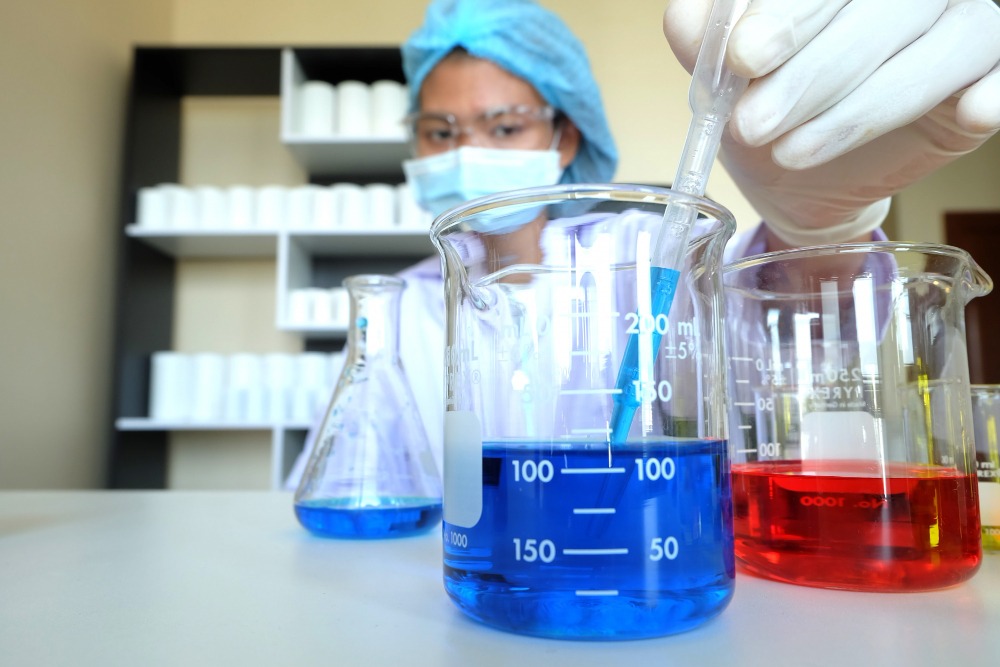
Solvent blending is typical for industrial use to achieve a balance between cost, performance and safety.
70/30 Mineral Spirits-Xylene Blend
- Solvent cost approximately 40% less expensive than straight xylene
- Solvency: Dries slightly slower than xylene; maintains ~70% of xylene’s solvency
- Slightly less soluble in water; contains less water than xylene
- Applications: Degreasing for heavy duty use, where pure xylene is not an economically viable option
- Advantage: Less refrigeration needed
- Disadvantage: A bit longer drying period
Acetone-MEK Blends
- Increased safety and reduced cost compared to pure MEK
- Evaporation rate and solvency are balanced and performance is good
- Applications: Industrial cleaning, resin removing
- Advantage: Lower toxicity than MEK alone
- Disadvantage: More toxic than pure acetone
Acetone-Toluene Blends
- Goal of the workshop is to make minimal cost savings, with the primary benefit being toxicity reduction
- Cost: Higher, but lower than toluene
- Toxicity: Toluene toxicity is a concern in applications such as in lab work
- Disadvantage: Lowers the standard of living
Solvent Recovery and Sustainability
For high volume users, solvent recovery systems are worth the investment of capital.
Distillation Recovery
- The recovery rate ranges from 85-95% of spent solvent
- Increased recovery of acetone: Easier (lower boiling point, less residue)
- Recoverability of xylene: More challenging (higher boiling point and higher residue)
- ROI: Operations ROI is 12-18 months with 50+ gallons/month
- Environmental benefit: Minimises solvent waste and VOC emissions
- Volatile components: Recovered solvent can be 30-50% of virgin solvent, depending on the components of the distillation mixture
Solvent Selection Framework
There are many factors involved in selecting the appropriate solvent for a specific application.
Ask These Questions:
At what rate does the solvent have to evaporate?
- <1 minute: Acetone
- 5-30 minutes: Toluene/MEK
- 30+ minutes: Xylene
What chemical should be added to the water?
- Resins, gums, and various types of plastics: Acetone, alcohol, and petroleum-based solvents
- Heavy oils and greases, cured coatings: Xylene
- Clean: Xylene or toluene; paint and varnish with xylene or toluene
What is the capacity of a facility for ventilation?
- Limited ventilation: Acetone (less toxic)
- Excellent ventilation: Xylene acceptable
- Unknown: Default to acetone (safer default)
Is VOC reporting a consideration?
- Strict VOC limits: Acetone (EPA-exempt)
- Yes: Choice depends on cost (xylene may be more cost-effective for high demands for solvency)
What is the budget?
- Cost sensitive: Acetone or mineral spirits blends
- Cost secondary: Xylene to give better performance
- High volume – where solvent recovery can be made, higher cost solvents are justified
Conclusion
Acetone and xylene are different types of solvents that have different functions. These are not interchangeable and the choice of the wrong solvent wastes time, money and poses a safety risk.
Acetone evaporates quickly, is suitable for light duty cleaning, can be used to dissolve plastics, and is exempt of VOCs and less toxic. It is commonly used in laboratories, nail salons, electronics industry and light industrial applications.
Xylene is better for heavy duty degreasing, paint thinning, dissolving cured coatings and applications where working time is desired. In appropriate industrial settings, the increased cost and safety management of its stronger solvency is justified.
It is a clear question that the answer is “no” when it comes to xylene being the same as acetone. They have different chemical structures – different properties, toxicities, uses, regulations, etc. Choosing the right solvent is a critical aspect of safety, efficiency and compliance.
These differences are crucial for industrial procurement teams, manufacturers and formulators when choosing solvents for specific applications, as they can avoid expensive blunders and unsafe practices. It isn’t whether acetone or xylene are “the better option,” just which one is the “tool” that is best suited for the task.
Elchemy offers a range of acetone, xylene and mixed solvents verified to be of the highest purity, compliant with regulations, and supported by technical information for solvent selection, safety and recovery optimization, across industries, for companies sourcing industrial solvents for multiple applications.