

At a Glance
- Both are FDA-approved artificial sweeteners with decades of regulatory review
- Acesulfame potassium is 200x sweeter than sugar; sucralose is 600x sweeter
- ADI for acesulfame potassium: 15 mg/kg body weight; sucralose: 5 mg/kg
- Neither is metabolized by the body; both are excreted unchanged in urine
- Sucralose holds up to heat and works in baking; acesulfame K also heat-stable
- Recent research shows both may interfere with drug metabolism through P-glycoprotein
- Found in diet sodas, sugar-free desserts, protein shakes, and pharmaceutical products
- Safety debates continue despite regulatory approvals
Open your pantry right now and grab a diet soda or sugar-free snack. Check the ingredient list. There’s a good chance you’ll find acesulfame potassium and sucralose listed together, often appearing side by side. Splenda is typically used in sweetener blends, most frequently with acesulfame potassium. This pairing has become the industry standard for zero-calorie beverages and foods, replacing older sweeteners like aspartame in many products.
Why do manufacturers combine these two particular artificial sweeteners? These blends are reputed to give a more sucrose-like taste whereby each sweetener masks the other’s aftertaste, or exhibits a synergistic effect by which the blend is sweeter than its components. But beyond taste improvements, questions remain about safety, metabolism, and long-term health effects of consuming these compounds daily.
The Chemistry Behind Each Sweetener
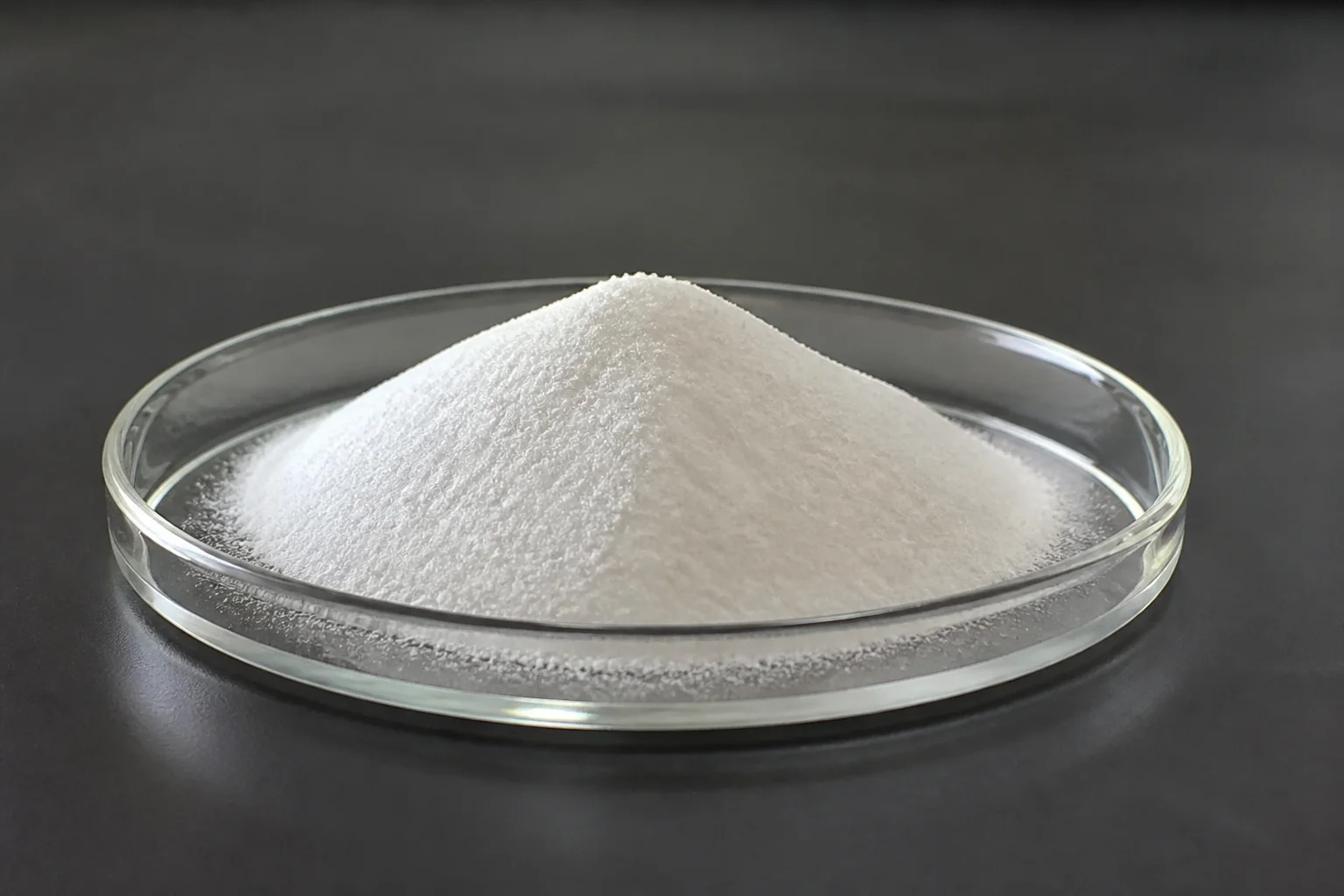
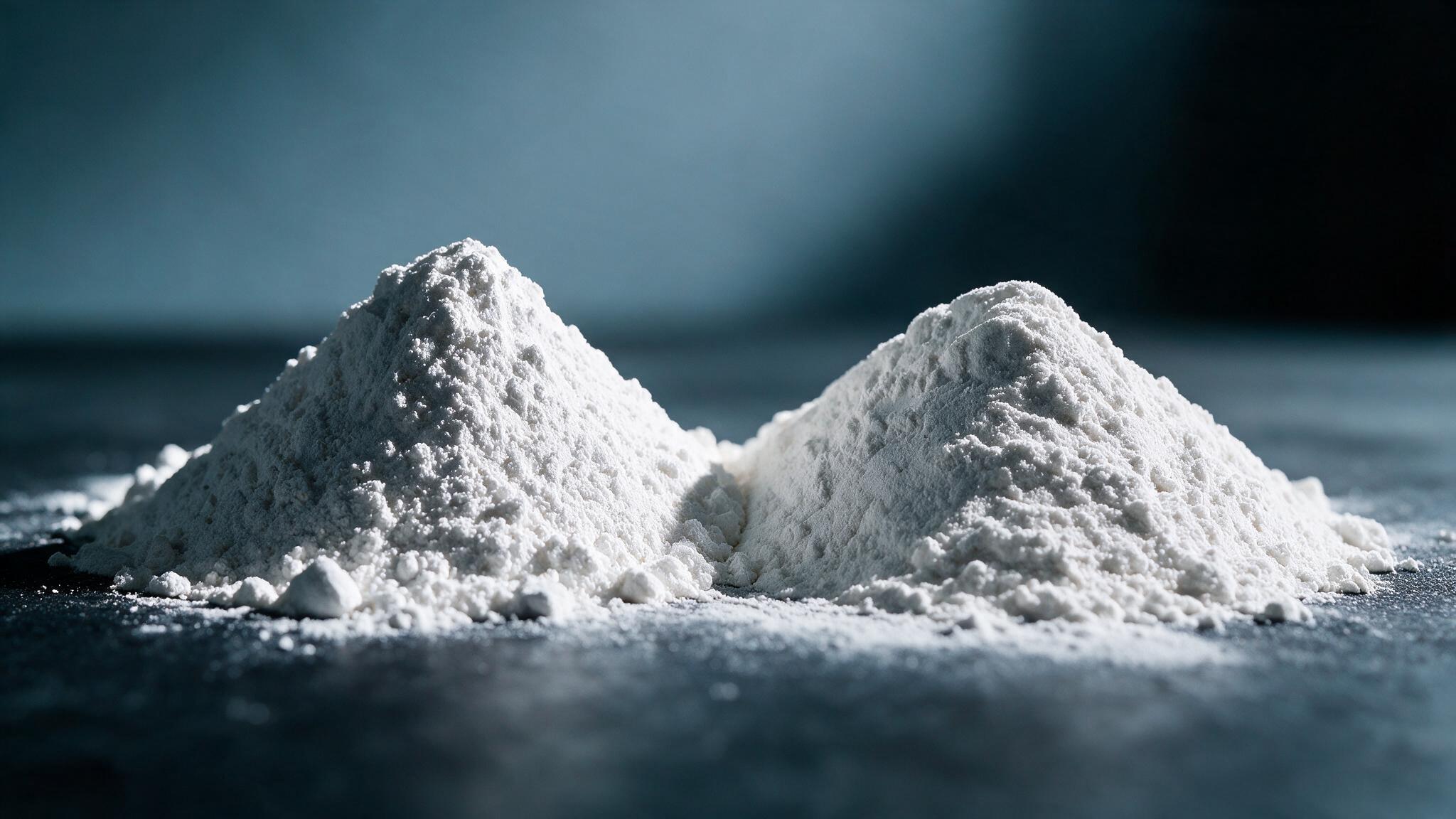
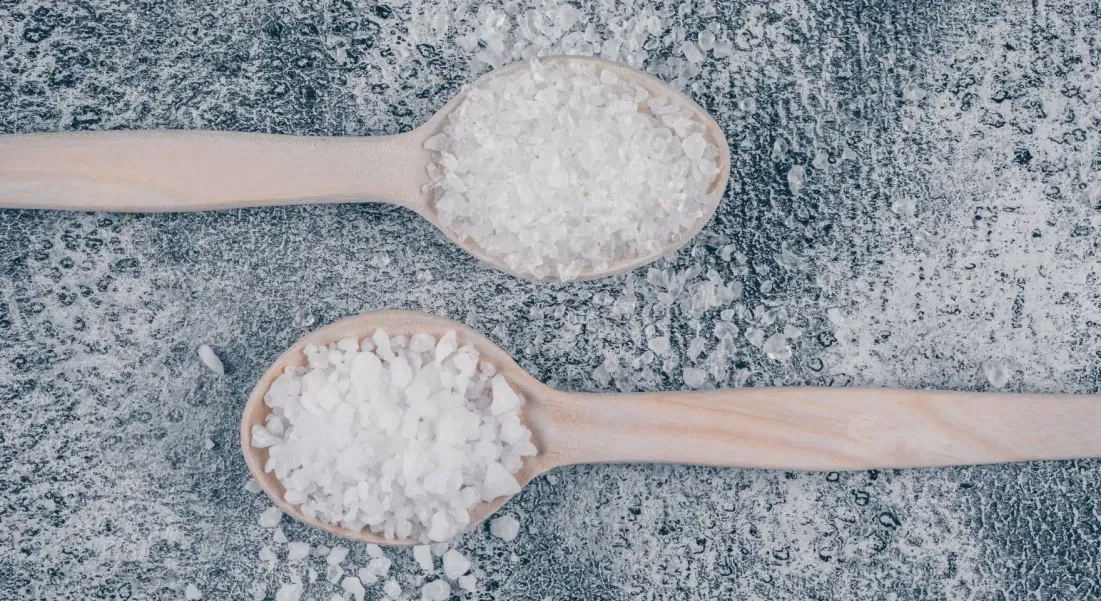
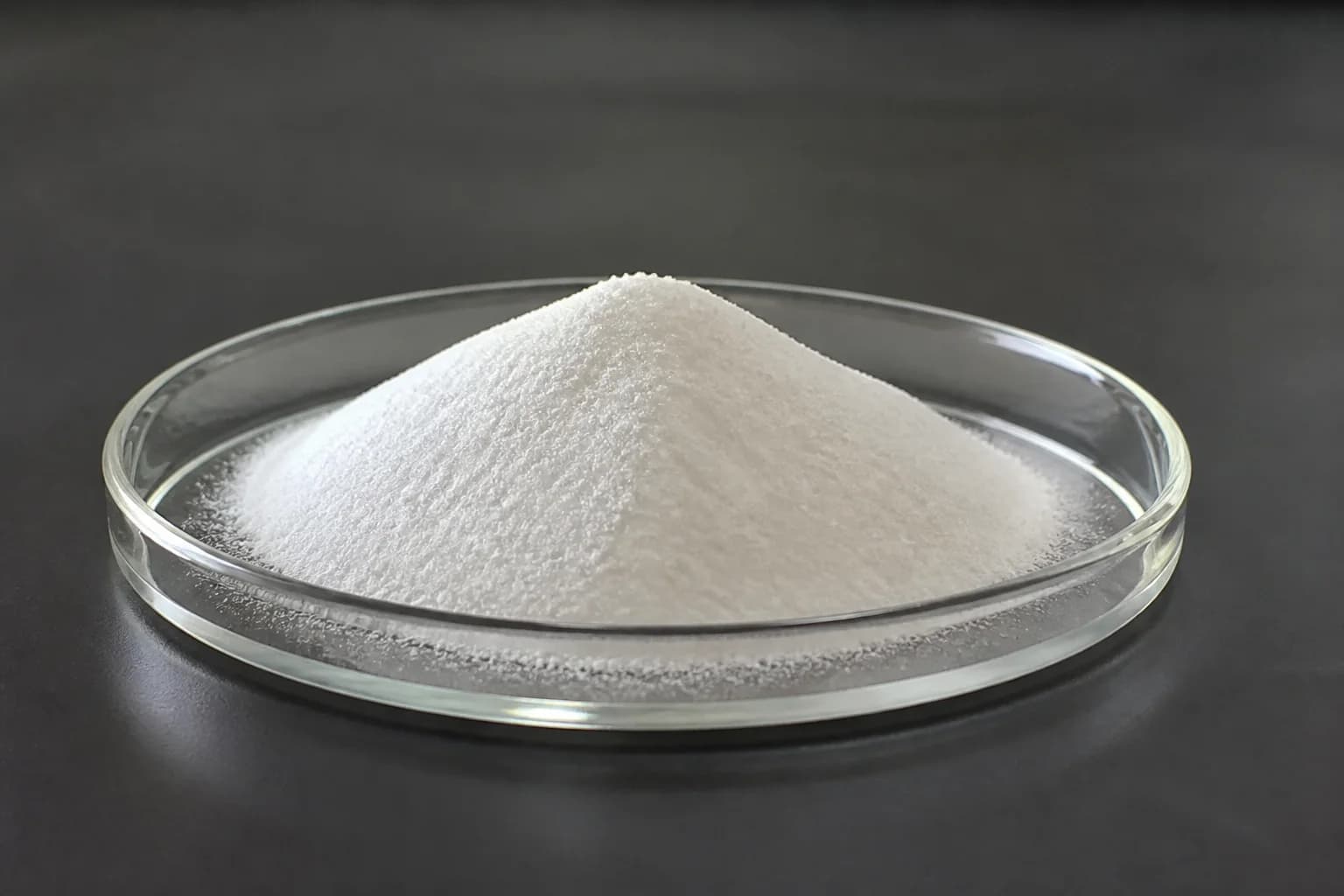
Acesulfame Potassium (Ace-K): Acesulfame potassium is the potassium salt of 6-methyl-1,2,3-oxathiazine-4(3H)-one 2,2-dioxide. It is a white crystalline powder with molecular formula C₄H₄KNO₄S. After accidentally dipping his fingers into the chemicals with which he was working, Clauss licked them to pick up a piece of paper. This accidental discovery by German chemist Karl Clauss in 1967 led to one of the most widely used sweeteners today.
Sucralose: Sucralose is approved for use in food as a sweetener. Sucralose is sold under the brand name Splenda. Sucralose is about 600 times sweeter than table sugar. Made by chlorinating sugar molecules, sucralose provides intense sweetness without calories.
| Property | Acesulfame Potassium | Sucralose |
| Discovery year | 1967 | 1976 |
| FDA approval | 1988 (tabletop), 1998 (soft drinks) | 1998 |
| Sweetness vs sugar | 200x | 600x |
| Brand names | Sunett, Sweet One | Splenda |
| Heat stability | Excellent | Excellent |
| Metabolism | Not metabolized, excreted unchanged | Not metabolized, excreted unchanged |
| ADI (mg/kg/day) | 15 | 5 |
How They Work in Your Body
Acesulfame potassium provides sweet taste quickly after it is consumed. Eventually, it is completely absorbed into our blood from the gut, filtered out by our kidneys, and rapidly excreted unchanged in urine—all within about 24 hours. The body treats it as a foreign substance that passes through rather than a nutrient to process.
Sucralose follows a similar pathway. To determine the safety of sucralose, the FDA reviewed more than 110 studies designed to identify possible toxic effects, including studies on the reproductive and nervous systems, carcinogenicity, and metabolism. These studies confirmed that sucralose isn’t broken down or stored in fat, muscle, or other tissues.
Small amounts of acesulfame potassium can also be excreted in the breast milk of lactating women. This passage into breast milk raises questions about infant exposure during critical developmental periods.
Where You’ll Find Them
High-intensity sweeteners are widely used in foods and beverages marketed as “sugar-free” or “diet,” including baked goods, soft drinks, powdered drink mixes, candy, puddings, canned foods, jams and jellies, dairy products, and scores of other foods and beverages.
Common Products:
- Diet sodas and flavored waters (almost always combined)
- Sugar-free gelatin and pudding mixes
- Light yogurts and dairy products
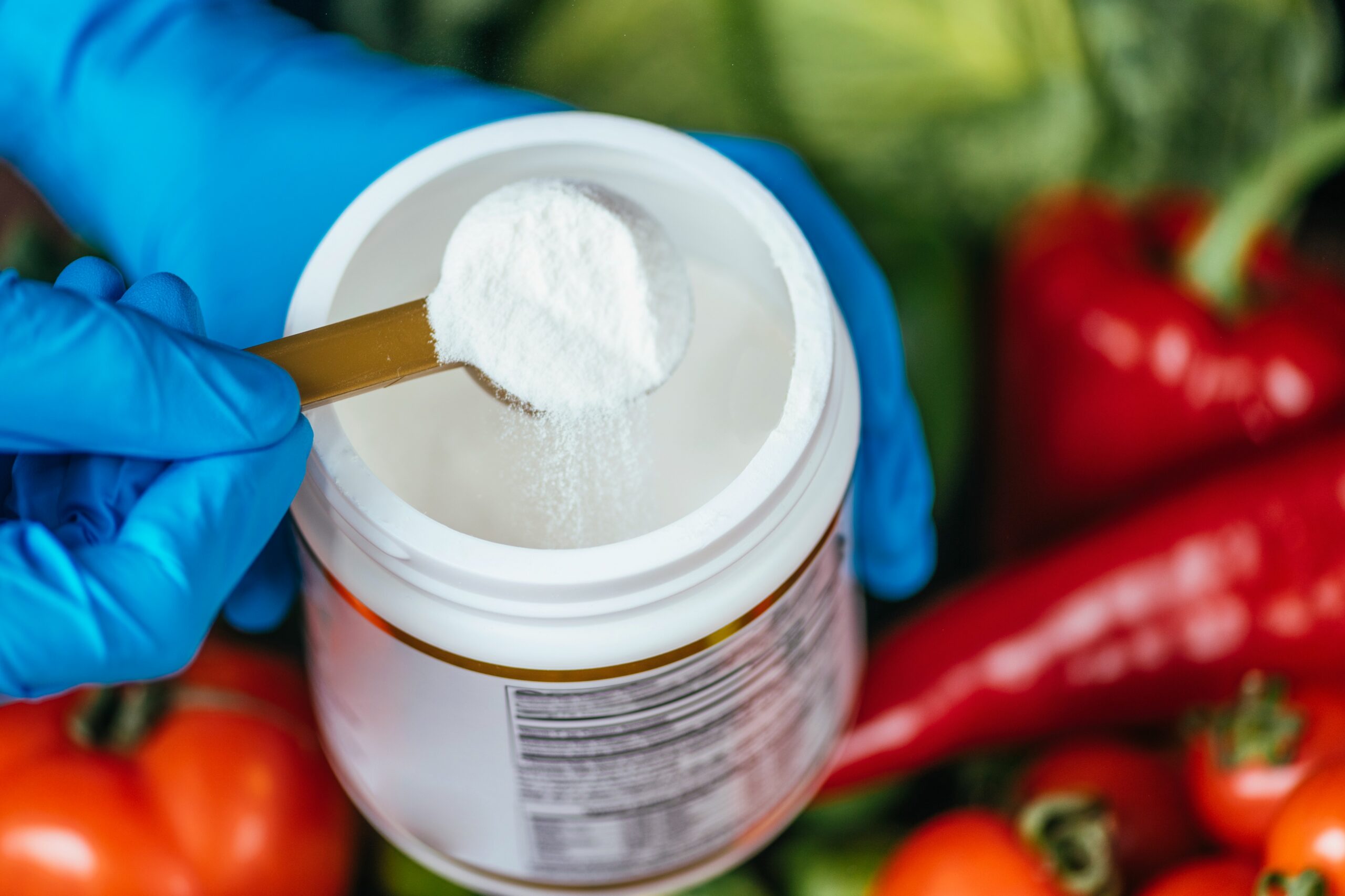
- Protein shakes and meal replacements
- Sugar-free chewing gum
- Pharmaceutical products (liquid medications, chewable tablets)
- Tabletop sweetener packets
- Reduced-sugar baked goods
In carbonated drinks, it is almost always used in conjunction with another sweetener, such as aspartame or sucralose for acesulfame potassium. The combination approach has become standard practice.
Acesulfame Potassium vs Sucralose: The Key Differences
Taste Profile: Like saccharin, it has a slightly bitter aftertaste, especially at high concentrations for acesulfame potassium. Sucralose generally provides a cleaner taste more similar to sugar, though some people detect a slight metallic note at higher concentrations.
Sweetness Power: Acesulfame K is 200 times sweeter than sucrose (common sugar), as sweet as aspartame, about two-thirds as sweet as saccharin, and one-third as sweet as sucralose. This potency difference affects how much manufacturers need to use.
Cost Considerations: Sucralose typically costs more per pound than acesulfame potassium, though both remain expensive compared to sugar. The higher sweetness intensity of sucralose means less is needed, partially offsetting the price difference.
Stability: Unlike aspartame, acesulfame K is stable under heat, even under moderately acidic or basic conditions, allowing it to be used as a food additive in baking, or in products that require a long shelf life. Sucralose also maintains stability under heat, making both suitable for baked goods unlike aspartame.
Safety Concerns and Regulatory Status
What the FDA Says
Six artificial sweeteners are approved by the US Food and Drug Administration (FDA) as food additives: saccharin, aspartame, acesulfame potassium (acesulfame-K, or Ace-K), sucralose, neotame, and advantame. Before approving these sweeteners, the FDA reviewed numerous safety studies that were conducted on each sweetener to identify possible health harms. The results of these studies showed no evidence that these sweeteners cause cancer or other harms in people.
Health and food safety authorities such as the EFSA, FDA and JECFA have concluded that acesulfame potassium is safe for adults and children to consume within the ADI.
Acceptable Daily Intake Levels
Acesulfame potassium (Ace-K) is 15 mg/kg bw/d. Sucralose is 5 mg/kg bw/d. For a 132-pound (60 kg) person, this translates to:
- Acesulfame K: 900 mg daily (about 23 sweetener packets)
- Sucralose: 300 mg daily (about 18 Splenda packets)
These limits sit well above typical consumption levels. Most people consume nowhere near these amounts even with regular diet soda consumption.
Concerns About Study Quality
The safety tests of ace-K were conducted in the 1970s and were of mediocre quality. Key rat tests used animals afflicted by disease; a mouse study was several months too brief and did not expose animals during gestation. Two rat studies suggested that the additive might cause cancer.
Even with the flaws in design and execution of the Hoechst tests, results indicated an association between treatment with acesulfame and carcinogenesis. These concerns led the Center for Science in the Public Interest to call for better testing.
However, A range of studies have found no evidence that sucralose causes cancer in humans. The NutriNet-Santé cohort study did not find an association between sucralose intake and risk of cancer.
New Research on Drug Interactions
Recent research reveals a previously unknown mechanism of concern. We showed that AceK and Sucr acted as PGP inhibitors, competing for the natural substrate-binding pocket of PGP. Most importantly, this was observed after exposure to concentrations of NNS within expected levels from common foods and beverage consumption.
P-glycoprotein (PGP) is a transporter protein that moves drugs and toxins out of cells. In conclusion, our findings suggest that consuming AceK and Sucr within recommended levels poses potential risks for those also taking medications transported by PGP. Medications affected include certain blood pressure drugs, cancer treatments, and antibiotics.
These effects were found at concentrations of NNS that have been recorded in human tissue samples after consumption of a single diet beverage. This means real-world consumption levels could interfere with medication effectiveness.
Cancer Risk Assessments
The NutriNet-Santé cohort study reported that adults who consumed acesulfame-K had a slightly higher risk of cancer. However, No other studies have examined whether acesulfame-K is associated with cancer in people.
The evidence remains mixed and inconclusive. Large epidemiological studies show associations that don’t prove causation. Animal studies at very high doses show effects that may not translate to human consumption levels.
Why Manufacturers Combine Them
Manufacturers may blend acesulfame potassium with other sweeteners such as aspartame and sucralose to mask the bitter aftertaste it can have on its own. The synergy creates benefits beyond simple taste improvement.
Advantages of Blending:
- Better taste profile closer to sugar
- Lower total sweetener needed (cost savings)
- Improved mouthfeel
- Extended sweetness duration
- Masks individual aftertastes
- Allows manufacturers to reduce concentration of each sweetener
Acesulfame potassium has a smaller particle size than sucrose, allowing for its mixtures with other sweeteners to be more uniform. This physical property helps create consistent sweetness throughout products.
What About Children?
Professional health organizations such as the American Heart Association (AHA) and the American Academy of Pediatrics (AAP) have issued recommendations for low-calorie sweetener intake among children. The AHA advises against children regularly consuming beverages containing low-calorie sweeteners, instead recommending water and other unsweetened beverages such as plain milk.
One of the notable exceptions in the 2018 AHA science advisory is made for children with diabetes, whose blood glucose management may be benefitted by consuming low-calorie-sweetened beverages in place of sugar-sweetened varieties.
Dental Health Considerations
Like other low- and no-calorie sweeteners, acesulfame potassium does not contribute to tooth decay. Bacteria in the mouth do not feed on acesulfame potassium and therefore do not convert it into plaque or harmful acids that cause tooth decay. This advantage holds for sucralose as well.
Sugar creates cavities because oral bacteria ferment it into acids that erode tooth enamel. Artificial sweeteners don’t undergo this fermentation, eliminating the cavity risk.
Making Informed Choices
For consumers trying to decide whether to consume products with acesulfame potassium and sucralose, consider these factors:
They may be appropriate if you:
- Need to manage blood sugar levels
- Are working to reduce overall calorie intake
- Want to prevent tooth decay
- Enjoy the taste of sweetened beverages without sugar
Consider avoiding or limiting if you:
- Take medications metabolized by P-glycoprotein
- Are pregnant or breastfeeding (consult your doctor)
- Prefer to avoid processed food additives
- Have children who could develop preference for intense sweetness
Reading Labels: When acesulfame potassium is used as an ingredient in a packaged food or beverage, it will appear in the ingredient list for that product as either Ace-K, acesulfame K, or acesulfame potassium. Sucralose appears simply as “sucralose” or sometimes “Splenda” in marketing materials.
Sourcing Food-Grade Sweeteners
For food and beverage manufacturers requiring acesulfame potassium, sucralose, or alternative sweetening solutions for product formulation, partnering with suppliers who provide consistent quality and complete regulatory documentation is essential. Elchemy’s technology-driven platform connects food companies with verified suppliers of sweeteners and specialty ingredients meeting FDA and international specifications.
Founded by engineers from IIT Bombay, IIT Delhi, and IIM Ahmedabad, Elchemy transforms chemical distribution through customer-centric technology. Whether you need high-intensity sweeteners for beverage formulation, clean-label alternatives, or technical support for reformulation projects, our platform addresses supply chain challenges through transparent sourcing from both Indian and global suppliers.
Conclusion
Acesulfame potassium and sucralose represent modern food chemistry’s attempt to provide sweetness without calories. Both have passed extensive safety testing and earned regulatory approval across major markets. Yet emerging research continues revealing new mechanisms by which these compounds may affect human physiology beyond simple sweetness perception.
The decision to consume products containing these sweeteners involves weighing competing priorities. Zero-calorie sweetness helps manage weight and blood sugar. But potential interference with drug metabolism, questions about long-term effects, and the philosophical preference for whole foods create legitimate reasons for caution.
For most healthy adults consuming moderate amounts, current evidence suggests these sweeteners pose minimal risk within acceptable daily intake limits. For individuals taking certain medications, during pregnancy, or for young children, more conservative approaches may be warranted. As research continues, our understanding of how these ubiquitous food additives affect human health will likely evolve, potentially changing recommendations in years to come.