Zinc Stearate
ELVISCTM – ZS

Get Pricing for This Product
Need pricing? Request a quote for this product and we'll get back to you shortly.
 Free Samples Available
Speed Up Your Sample Testing Process
We deliver domestic samples within 24 - 48 hours, helping you evaluate product without delays.
Zinc Stearate is a white, hydrophobic powder widely used as a release agent and lubricant in the rubber and plastics industries. It is also employed as a stabilizer in the production of polyvinyl…
CAS Number
557-05-1
HS Code
29157090
INCI Name
Zinc Stearate
Molecular Formula
C₃₆H₇₀O₄Zn
Zinc Stearate
ELVISCTM – ZS
Zinc Stearate is a white, hydrophobic powder widely used as a release agent and lubricant in the rubber and plastics industries. It is also employed as a stabilizer in the production of polyvinyl chloride (PVC) and as a thickening agent in cosmetics. Its non-toxic nature makes it…
CAS Number
557-05-1
INCI Name
Zinc Stearate
HS Code
29157090
Molecular Formula
C₃₆H₇₀O₄Zn
Get Pricing for This Product
Need pricing? Request a quote for this product and we'll get back to you shortly.
Free Samples AvailableSpeed Up Your Sample Testing Process
We deliver domestic samples within 24 - 48 hours, helping you evaluate product without delays.
 By
By
Specialty chemicals, delivered right
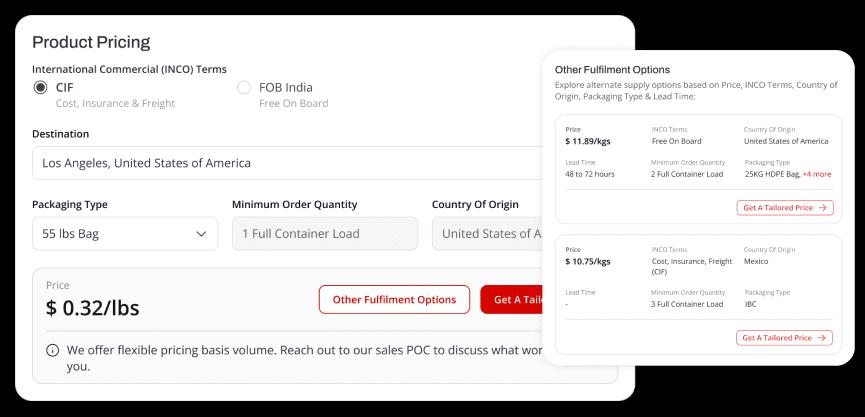
Access live, grade-specific pricing for every chemical, so your teams talks with data, not intuition on Elixir.
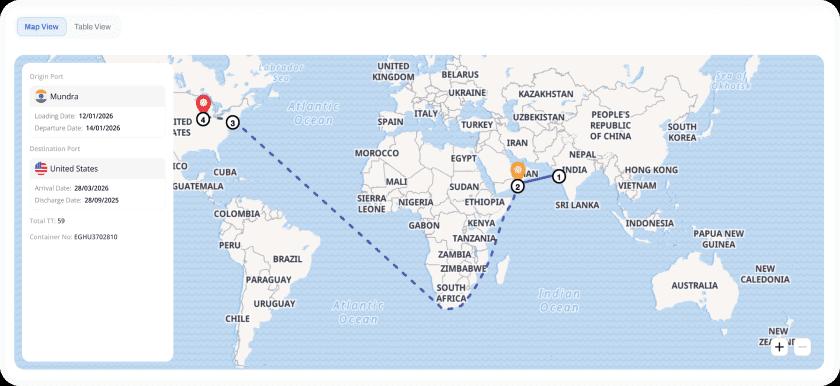
Compare fulfilment options across grades, INCO terms, origins, and lead times: all in one platform.

Live, transparent pricing
Real-time quotes across 12,000+ specialty chemicals.
Product Specification
Physical Properties
| Property | Specification |
|---|---|
| Appearance | White to yellow powder |
| Odor | Faint odor |
| Molecular Weight (G/Mol) | 632.3 |
| Density Or Specific Gravity | 1.1 g/cm³ |
| Ph (If Aqueous Solution) | Neutral to moistened litmus paper |
| Ph | Neutral to moistened litmus paper |
Chemical Properties
| Property | Specification |
|---|---|
| Solubility | Soluble in benzene; insoluble in water, alcohol and ether |
Thermal Properties
| Property | Specification |
|---|---|
| Melting Point | 266 °F |
| Flash Point | 530 °F |
| Autoignition Temperature | 788 °F |
Processing Methods & Reference Formulations
A. Cosmetic cream
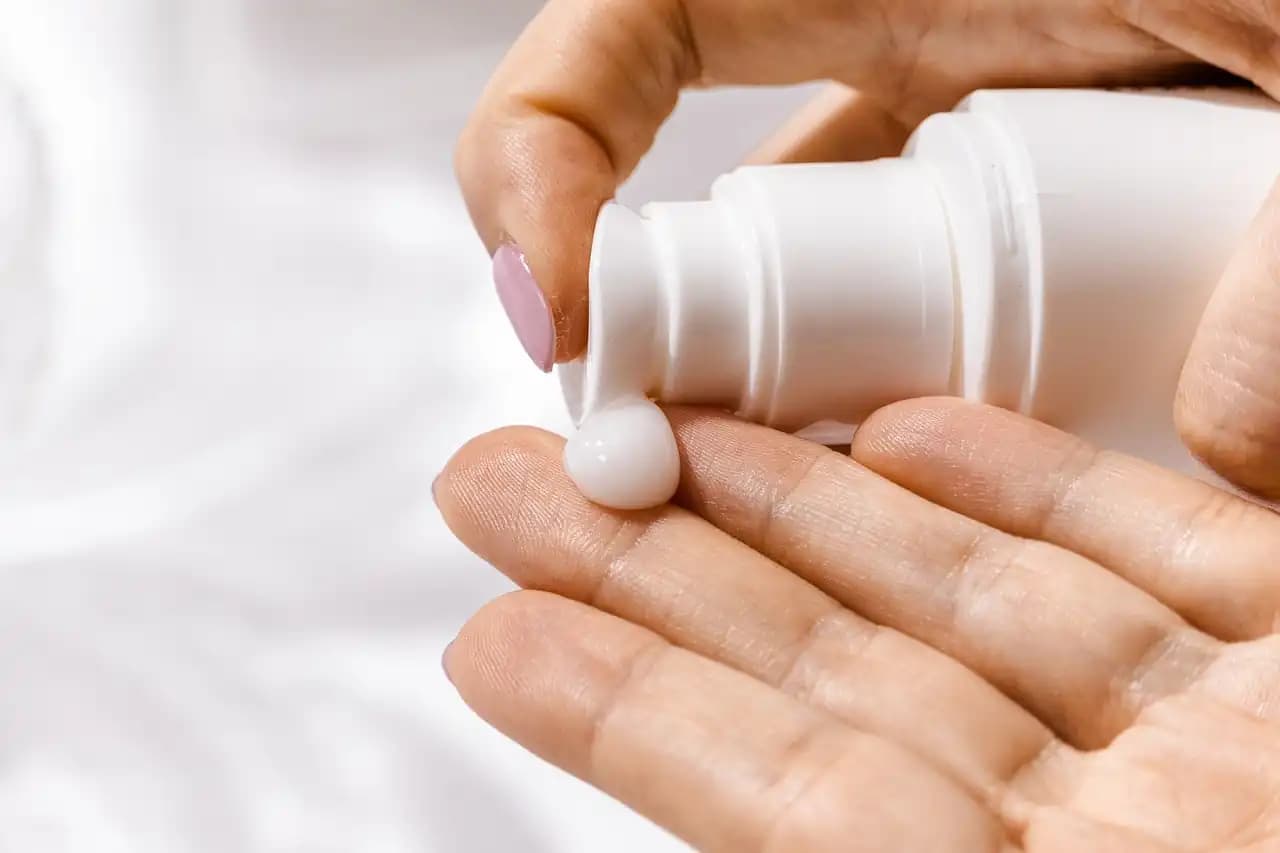
Add Zinc Stearate at 0.5–2% to improve cream spreadability, provide a silky, dry-touch feel, and add opacity for a more elegant visual appearance. Zinc Stearate is lipophilic—always disperse it in the oil phase before emulsification.
| Key Ingredients | Indicative Dosage (% w/w) |
|---|---|
| Deionized Water | 65.0% |
| Glycerin | 5.0% |
| Zinc Stearate | 0.5% |
| Caprylic/Capric Triglyceride | 5.0% |
| Glyceryl Stearate | 3.0% |
| Cetearyl Alcohol | 2.0% |
| Shea Butter (Butyrospermum Parkii) | 4.0% |
| Tocopheryl Acetate | 0.5% |
| Carbomer 940 | 0.3% |
| Triethanolamine | 0.2% |
| Phenoxyethanol & Ethylhexylglycerin | 1.0% |
| Fragrance | 0.5% |
| Dimethicone | 3.0% |
| Sodium Stearoyl Glutamate | 1.0% |
| Xanthan Gum | 0.5% |
| Citric Acid / Sodium Citrate | 0.1% |
B. Cosmetic makeup foundation
Add Zinc Stearate at 1–5% to improve spreadability, give a silky matte feel, and enhance pigment dispersion. It also helps reduce skin shine in oily skin types. Mix Zinc Stearate with iron oxides, titanium dioxide, and other pigments in the dry phase before dispersion. It improves adhesion to skin and color payoff in both pressed and liquid foundations.
| Key Ingredients | Indicative Dosage (% w/w) |
|---|---|
| Talc (Talcum Powder) | ~40% (balance base) |
| Titanium Dioxide | 15% |
| Zinc Oxide | 5% |
| Zinc Stearate | 5% |
| Kaolin or Precipitated Chalk | 10% |
| Bismuth Oxychloride | 3% |
| Magnesium Carbonate / Magnesium Stearate | 3% |
| Iron Oxides | ~18% |
| Binding Wax or Oil (e.g., isoparaffin or wax) | ~3% |
| Volatile Carrier or Resin | ~1% |
C. Face powder
Add Zinc Stearate at 3–10% to enhance powder compressibility (for pressed powders), improve skin adherence, and give a silky, smooth glide on application. High levels can cause dry feel, reduced payoff, or opacity issues.
| Key Ingredients | Indicative Dosage (% w/w) |
|---|---|
| Finely divided polyethylene (binder/vehicle) | ~70% |
| Talc / Kaolin | ~6% |
| Titanium Dioxide | ~3–4% |
| Zinc Oxide | ~5% |
| Zinc Stearate | 5% |
| Colorant Pigments (e.g. iron oxides, lakes) | Balance (~10–12%) |
Dosing Guidelines
A. Dosing by Application
| Products | Authorized dosage |
|---|---|
| Cosmetics & Personal Care | 1-5% |
| Paints & Coatings | 1-5% |
About Zinc Stearate
Zinc Stearate manufacturers produce this versatile compound for use across multiple industries. Known for its lubricating and release properties, Zinc Stearate is a key ingredient in the rubber and plastics industries, where it prevents products from sticking to molds and enhances processing efficiency. As a stabilizer, it plays a crucial role in the production of PVC, ensuring the material's durability and longevity. In the cosmetics industry, Zinc Stearate is valued for its thickening properties, providing texture and consistency to creams and lotions. Its non-toxic nature also makes it suitable for food-grade applications, where it is used as a release agent in food packaging and processing. Zinc Stearate suppliers focus on delivering high-purity products to meet the stringent demands of these industries. The production process is carefully controlled to ensure consistency and quality, which are critical for the compound's effectiveness. As sustainability becomes increasingly important, manufacturers are adopting greener practices to minimize environmental impact, aligning with the growing demand for eco-friendly raw materials in the chemical industry.
- Versatile Release Agent: Prevents sticking in molds, enhancing production efficiency in rubber and plastics.
- Effective Lubricant: Reduces friction and wear during plastic processing, improving product quality.
- Reliable Stabilizer: Extends the lifespan of PVC by preventing degradation during processing.
- Non-Toxic and Safe: Suitable for food-grade applications, ensuring safety in food packaging and processing.
- Eco-Friendly Production: Manufacturers focus on sustainable practices to reduce environmental impact.
About Zinc Stearate
Zinc Stearate manufacturers produce this versatile compound for use across multiple industries. Known for its lubricating and release properties, Zinc Stearate is a key ingredient in the rubber and plastics industries, where it prevents products from sticking to molds and enhances processing efficiency. As a stabilizer, it plays a crucial role in the production of PVC, ensuring the material's durability and longevity. In the cosmetics industry, Zinc Stearate is valued for its thickening properties, providing texture and consistency to creams and lotions. Its non-toxic nature also makes it suitable for food-grade applications, where it is used as a release agent in food packaging and processing. Zinc Stearate suppliers focus on delivering high-purity products to meet the stringent demands of these industries. The production process is carefully controlled to ensure consistency and quality, which are critical for the compound's effectiveness. As sustainability becomes increasingly important, manufacturers are adopting greener practices to minimize environmental impact, aligning with the growing demand for eco-friendly raw materials in the chemical industry.
- Versatile Release Agent: Prevents sticking in molds, enhancing production efficiency in rubber and plastics.
- Effective Lubricant: Reduces friction and wear during plastic processing, improving product quality.
- Reliable Stabilizer: Extends the lifespan of PVC by preventing degradation during processing.
- Non-Toxic and Safe: Suitable for food-grade applications, ensuring safety in food packaging and processing.
- Eco-Friendly Production: Manufacturers focus on sustainable practices to reduce environmental impact.
Regulatory Compliance
| Region | Max Allowed Level | Notes | Certification Body |
|---|---|---|---|
| China | - | Not listed as restricted or prohibited; permitted as a cosmetic ingredient at safe, well-justified usage levels. | NMPA - National Medical Products Administration |
| Japan | - | No maximum concentration specified; used in standard safe practice and must meet general purity/safety standards. | MHLW – Ministry of Health, Labour and Welfare |
| Republic of Korea | - | No explicit limit; permitted if safe for intended use and in line with the Cosmetics Act. | MFDS - Ministry of Food and Drug Safety |
| United States | - | No specific maximum concentration limit in the FDA regulations for cosmetics; general requirement is safe use as formulated. | FDA |
| ASEAN | - | Not specifically restricted; allowed if safe within ASEAN Cosmetic Directive guidelines. | - |
| European Union | - | No specific maximum limit; permitted as a safe ingredient | SCCS (Scientific Committee on Consumer Safety) |
FAQs - Zinc Stearate

Streamline
Your Chemical
Procurement
Get fast responses from real experts