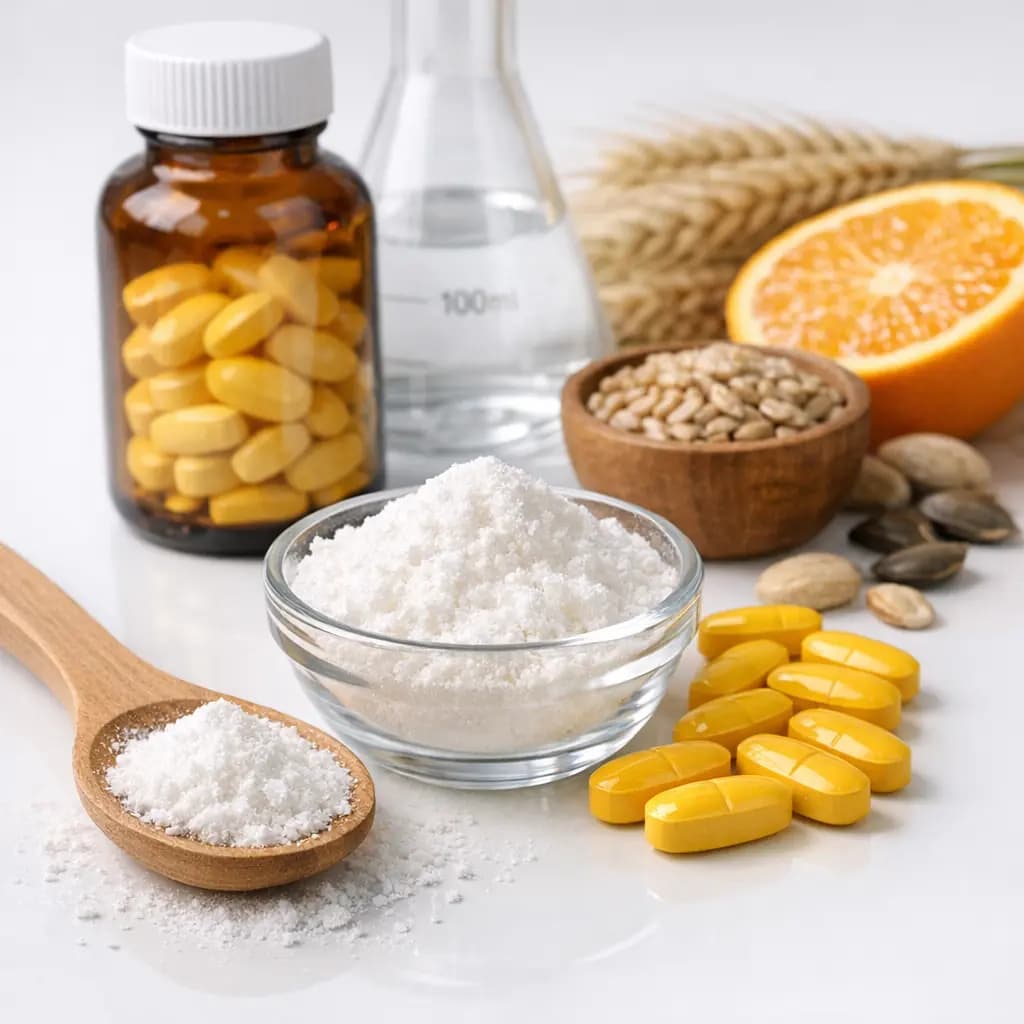
Vitamin B1
ELFABTM – Vit-B1

Get Pricing for This Product
Need pricing? Request a quote for this product and we'll get back to you shortly.
 Free Samples Available
Speed Up Your Sample Testing Process
We deliver domestic samples within 24 - 48 hours, helping you evaluate product without delays.
Vitamin B1, also known as Thiamine, is an essential nutrient that plays a crucial role in energy metabolism and nerve function. It is widely used in the food and pharmaceutical industries as a dietary…
CAS Number
67-03-8
HS Code
29362200
INCI Name
-
Molecular Formula
C12H17ClN4OS·HCl
Vitamin B1
ELFABTM – Vit-B1
Vitamin B1, also known as Thiamine, is an essential nutrient that plays a crucial role in energy metabolism and nerve function. It is widely used in the food and pharmaceutical industries as a dietary supplement and fortification agent. Thiamine is vital for converting…
CAS Number
67-03-8
INCI Name
-
HS Code
29362200
Molecular Formula
C12H17ClN4OS·HCl
Get Pricing for This Product
Need pricing? Request a quote for this product and we'll get back to you shortly.
Free Samples AvailableSpeed Up Your Sample Testing Process
We deliver domestic samples within 24 - 48 hours, helping you evaluate product without delays.
 By
By
Specialty chemicals, delivered right
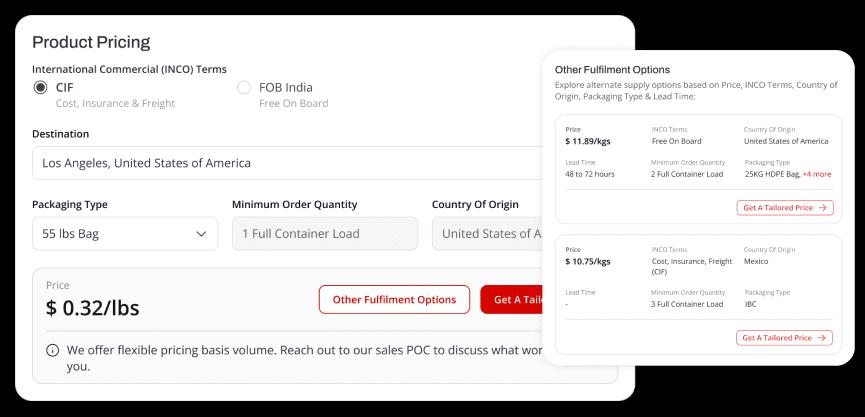
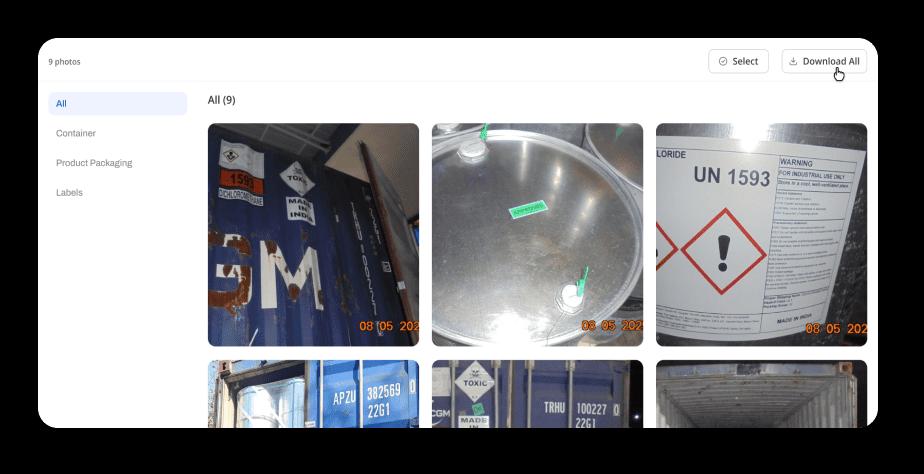
Access live, grade-specific pricing for every chemical, so your teams talks with data, not intuition on Elixir.
Compare fulfilment options across grades, INCO terms, origins, and lead times: all in one platform.

Live, transparent pricing
Real-time quotes across 12,000+ specialty chemicals.


About Vitamin B1
Vitamin B1, also known as Thiamine, is a vital nutrient that plays a key role in energy metabolism and nerve function. As a water-soluble vitamin, it is essential for converting carbohydrates into energy and is crucial for the proper functioning of the heart, muscles, and nervous system. Vitamin B1 manufacturers and suppliers focus on producing high-quality thiamine to meet the demands of the food and pharmaceutical industries. The production process is carefully controlled to ensure purity and stability, making it suitable for various applications, including dietary supplements and food fortification. In the global market, particularly in North America, Vitamin B1 is recognized for its importance in maintaining energy levels and supporting metabolic processes. Its versatility and effectiveness make it a preferred choice for manufacturers and suppliers looking to enhance the nutritional value of their products. With a focus on sustainability, Vitamin B1 manufacturers are adopting eco-friendly practices to minimize environmental impact, aligning with the growing demand for sustainable raw materials in the chemical industry.
- Essential Nutrient: Supports energy metabolism and nerve function, crucial for overall health.
- High Purity Standards: Ensures effectiveness in dietary supplements and pharmaceutical formulations.
- Water-Soluble: Easily absorbed and utilized by the body, making it a preferred choice for fortification.
- Versatile Applications: Used in food, pharmaceuticals, and animal nutrition for its beneficial properties.
- Sustainable Production: Focus on eco-friendly practices to meet the growing demand for sustainable raw materials.
About Vitamin B1
Vitamin B1, also known as Thiamine, is a vital nutrient that plays a key role in energy metabolism and nerve function. As a water-soluble vitamin, it is essential for converting carbohydrates into energy and is crucial for the proper functioning of the heart, muscles, and nervous system. Vitamin B1 manufacturers and suppliers focus on producing high-quality thiamine to meet the demands of the food and pharmaceutical industries. The production process is carefully controlled to ensure purity and stability, making it suitable for various applications, including dietary supplements and food fortification. In the global market, particularly in North America, Vitamin B1 is recognized for its importance in maintaining energy levels and supporting metabolic processes. Its versatility and effectiveness make it a preferred choice for manufacturers and suppliers looking to enhance the nutritional value of their products. With a focus on sustainability, Vitamin B1 manufacturers are adopting eco-friendly practices to minimize environmental impact, aligning with the growing demand for sustainable raw materials in the chemical industry.
- Essential Nutrient: Supports energy metabolism and nerve function, crucial for overall health.
- High Purity Standards: Ensures effectiveness in dietary supplements and pharmaceutical formulations.
- Water-Soluble: Easily absorbed and utilized by the body, making it a preferred choice for fortification.
- Versatile Applications: Used in food, pharmaceuticals, and animal nutrition for its beneficial properties.
- Sustainable Production: Focus on eco-friendly practices to meet the growing demand for sustainable raw materials.
FAQs - Vitamin B1
Related Products

Related Products

Streamline
Your Chemical
Procurement
Get fast responses from real experts