Sulphamic Acid
ELAROMATM – SA

Get Pricing for This Product
Need pricing? Request a quote for this product and we'll get back to you shortly.
 Free Samples Available
Speed Up Your Sample Testing Process
We deliver domestic samples within 24 - 48 hours, helping you evaluate product without delays.
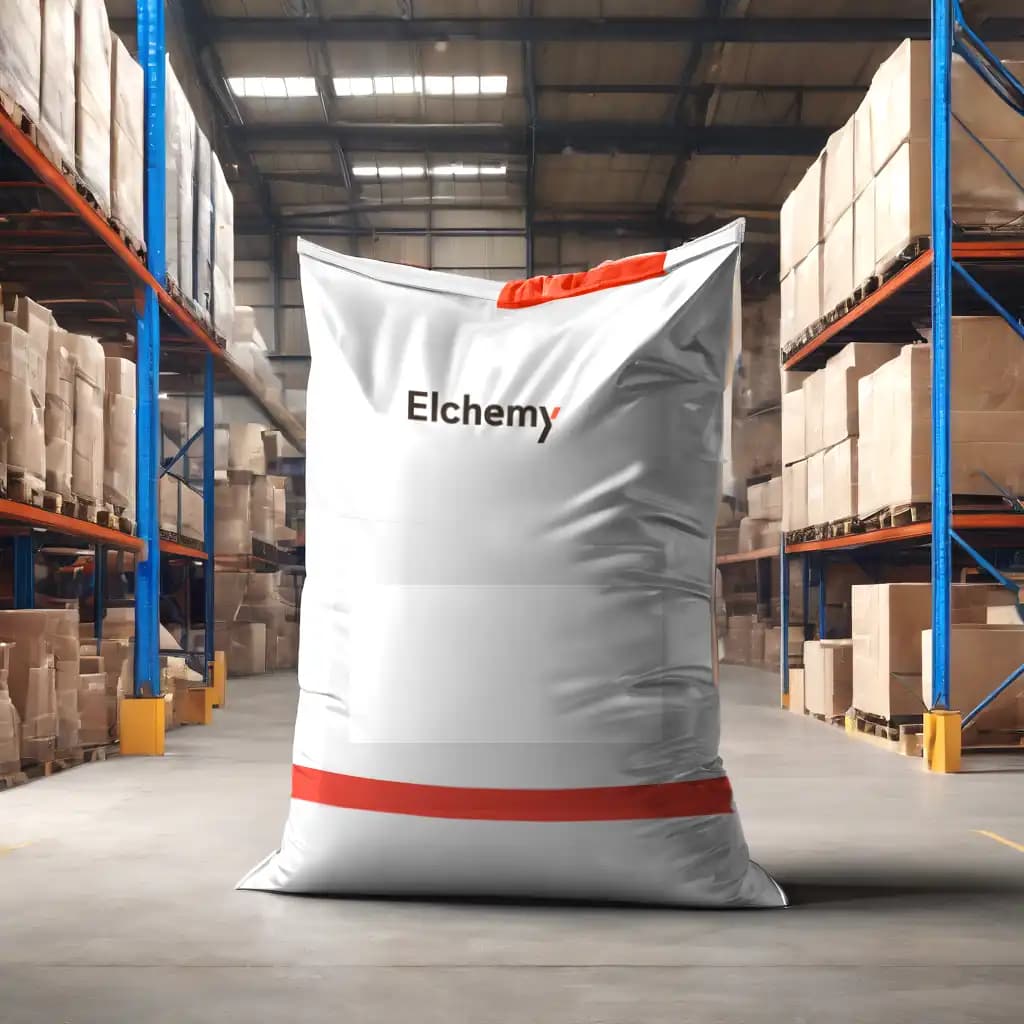
Sulphamic Acid is a versatile, crystalline solid used in various industries, including cleaning, water treatment, and chemical manufacturing. It acts as a descaling agent, pH regulator, and cleaning…
CAS Number
5329-14-6
HS Code
28111990
INCI Name
Sulphamic Acid
Molecular Formula
H₃NO₃S
Sulphamic Acid
ELAROMATM – SA
Sulphamic Acid is a versatile, crystalline solid used in various industries, including cleaning, water treatment, and chemical manufacturing. It acts as a descaling agent, pH regulator, and cleaning agent, making it essential in industrial and household applications. Its…
CAS Number
5329-14-6
INCI Name
Sulphamic Acid
HS Code
28111990
Molecular Formula
H₃NO₃S
Get Pricing for This Product
Need pricing? Request a quote for this product and we'll get back to you shortly.
Free Samples AvailableSpeed Up Your Sample Testing Process
We deliver domestic samples within 24 - 48 hours, helping you evaluate product without delays.
 By
By
Specialty chemicals, delivered right
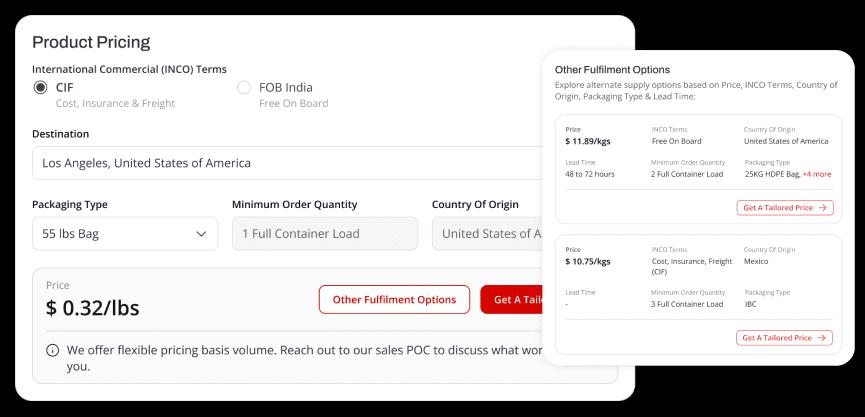
Access live, grade-specific pricing for every chemical, so your teams talks with data, not intuition on Elixir.
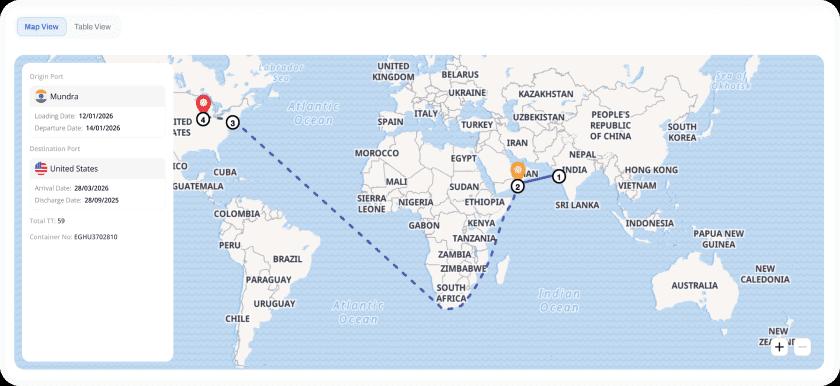
Compare fulfilment options across grades, INCO terms, origins, and lead times: all in one platform.

Live, transparent pricing
Real-time quotes across 12,000+ specialty chemicals.
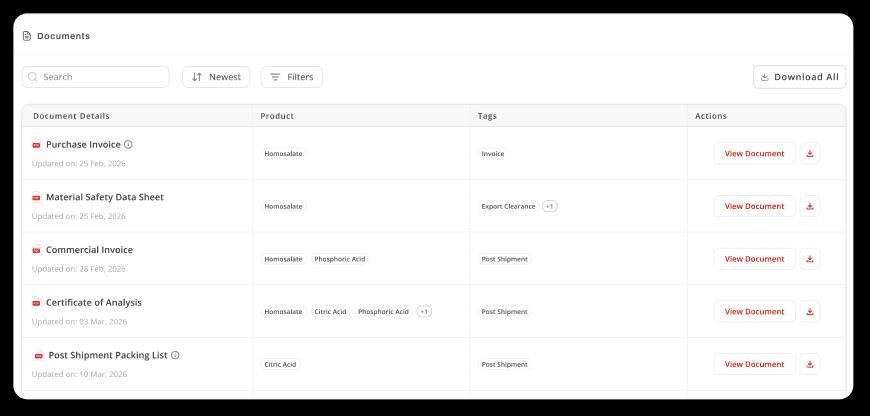
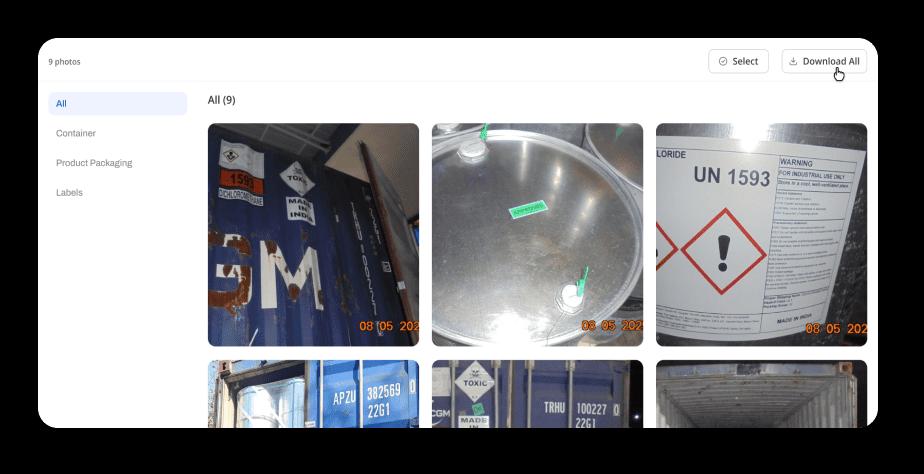
Product Specification
Physical Properties
| Property | Specification |
|---|---|
| Appearance | White solid |
| Molecular Weight (G/Mol) | 97.09 |
| Density Or Specific Gravity | 2.151 g/cm3 at 25 °C |
| Refractive Index | 1.553 |
| Ph (If Aqueous Solution) | 1.2 (10g/l, H2O) |
| Ph | 1.2 (10g/l, H2O) |
Chemical Properties
| Property | Specification |
|---|---|
| Water Solubility | 146.8 g/L (20 ºC) |
| Incompatibilities | Strong bases, chlorine, nitric acid, strong oxidizers, metals (corrosive) |
| Hazardous Reactions | Reacts violently with bases, chlorine, nitric acid (fire/explosion hazard); emits toxic fumes when heated |
Thermal Properties
| Property | Specification |
|---|---|
| Melting Point | 215-225 °C (dec.) (lit.) |
| Decomposition Temperature | Begins to decompose above 205°C, emitting SO₂, SO₃, and nitrogen gases |
| Thermal Stability | Stable when dry and at room temperature |
Processing Methods & Reference Formulations
A. Cleaning tablets
When formulating cleaning tablets with Sulfamic Acid, ensure it's added in a dry, granulated form to prevent premature reaction with moisture. Use a binder compatible with acidic conditions to maintain tablet integrity during compression.
| Key Ingredients | Indicative Dosage (% w/w) |
|---|---|
| Sulfamic acid | 52.3-65.13% |
| Sodium carbonate | 17.5–26.18% |
| Sorbitol | 0–15% |
| Citric acid | 5-10% |
| Surfactant | 2-5% |
| Disintegrating agent | 0.5-5% |
B. Laundry Detergent
When incorporating Sulfamic Acid into laundry detergent, ensure it's well-dispersed in the dry blend to prevent localized acidity. Avoid reactive alkaline components during mixing to maintain product stability and efficacy.
| Key Ingredients | Indicative Dosage (% w/w) |
|---|---|
| Sodium carbonate | 16.44% |
| Sodium sulfate | 8.52% |
| Sodium percarbonate | 10-15% |
| Sulfamic acid | 3.5% |
| Non-ionic surfactant | 2% |
| Water | 60-70% |
C. Cleansers
Dissolve sulfamic acid completely in the water phase before adding to the cleanser formulation to ensure uniform acidity. Incorporate it during the cool-down phase to maintain stability and prevent premature reaction with other ingredients.
| Key Ingredients | Indicative Dosage (% w/w) |
|---|---|
| Water (Aqua) | 70% |
| Sodium Laureth Sulfate (SLES) | 15% |
| Cocamidopropyl Betaine | 5% |
| Glycerin | 3% |
| Sulfamic Acid | 0.5% |
| Preservative (Phenoxyethanol) | 0.8% |
D. Soap
Dissolve sulfamic acid in a small amount of water before adding to the soap base to ensure even distribution and controlled pH adjustment. Add it during the cool-down phase to prevent degradation and maintain product stability.
| Key Ingredients | Indicative Dosage (% w/w) |
|---|---|
| Sodium Stearate | 25% |
| Sodium Laureth Sulfate | 30% |
| Sodium Chloride | 10% |
| Sulfamic Acid | 0.5-2% |
| Water | 30-40% |
Dosing Guidelines
A. Products
| Products | Authorized dosage |
|---|---|
| Laundry Detergent | 1-5% |
| Cleaners | 0.5-10% (typical) |
About Sulphamic Acid
Sulphamic Acid, also known as amidosulfonic acid, is a highly effective descaling agent used in various industrial applications. As a white crystalline solid, it is known for its ability to remove limescale and rust, making it a preferred choice in cleaning and maintenance. Sulphamic Acid manufacturers focus on producing high-purity grades to meet the stringent demands of industries such as water treatment and metal processing. Its role as a pH regulator in water treatment highlights its versatility and importance in maintaining system balance. Sulphamic Acid suppliers ensure consistent quality and availability to support diverse applications, from cleaning formulations to chemical manufacturing. The compound's stability and reactivity make it a valuable component in the synthesis of dyes, pigments, and other chemicals. With a focus on sustainability, Sulphamic Acid manufacturers are adopting greener practices to minimize environmental impact, aligning with the growing demand for eco-friendly raw materials in the chemical industry.
- Effective Descaling Agent: Removes limescale and rust, enhancing equipment efficiency and lifespan.
- Versatile pH Regulator: Maintains optimal pH levels in water treatment and industrial processes.
- High Purity Standards: Ensures performance in cleaning, chemical manufacturing, and metal processing.
- Non-Volatile and Safe: Provides safe handling and effective cleaning without residues.
- Eco-Friendly Production: Focus on minimizing environmental impact through sustainable practices.
About Sulphamic Acid
Sulphamic Acid, also known as amidosulfonic acid, is a highly effective descaling agent used in various industrial applications. As a white crystalline solid, it is known for its ability to remove limescale and rust, making it a preferred choice in cleaning and maintenance. Sulphamic Acid manufacturers focus on producing high-purity grades to meet the stringent demands of industries such as water treatment and metal processing. Its role as a pH regulator in water treatment highlights its versatility and importance in maintaining system balance. Sulphamic Acid suppliers ensure consistent quality and availability to support diverse applications, from cleaning formulations to chemical manufacturing. The compound's stability and reactivity make it a valuable component in the synthesis of dyes, pigments, and other chemicals. With a focus on sustainability, Sulphamic Acid manufacturers are adopting greener practices to minimize environmental impact, aligning with the growing demand for eco-friendly raw materials in the chemical industry.
- Effective Descaling Agent: Removes limescale and rust, enhancing equipment efficiency and lifespan.
- Versatile pH Regulator: Maintains optimal pH levels in water treatment and industrial processes.
- High Purity Standards: Ensures performance in cleaning, chemical manufacturing, and metal processing.
- Non-Volatile and Safe: Provides safe handling and effective cleaning without residues.
- Eco-Friendly Production: Focus on minimizing environmental impact through sustainable practices.
Regulatory Compliance
| Region | Max Allowed Level | Notes | Certification Body |
|---|---|---|---|
| China | - | No statutory maximum | - |
| India | - | Regulated for industrial use | - |
| Republic of Korea | - | No statutory maximum | - |
| United States | - | Not specifically restricted for industrial use | FDA |
| ASEAN | - | No statutory maximum | - |
| European Union | - | Registered under REACH, classified as hazardous | SCCS (Scientific Committee on Consumer Safety) |
FAQs - Sulphamic Acid

Streamline
Your Chemical
Procurement
Get fast responses from real experts