
Sodium Tripolyphosphate
ELRASATM – STPPd

Get Pricing for This Product
Need pricing? Request a quote for this product and we'll get back to you shortly.
 Free Samples Available
Speed Up Your Sample Testing Process
We deliver domestic samples within 24 - 48 hours, helping you evaluate product without delays.
Sodium Tripolyphosphate (STPP) is a white, granular or powdery inorganic compound widely used across detergents, water treatment, ceramics, food processing, and industrial applications. Known for its…
CAS Number
7758-29-4
HS Code
28.35.31.00
INCI Name
Sodium Tripolyphosphate
Molecular Formula
Na₅P₃O₁₀
Sodium Tripolyphosphate
ELRASATM – STPPd
Sodium Tripolyphosphate (STPP) is a white, granular or powdery inorganic compound widely used across detergents, water treatment, ceramics, food processing, and industrial applications. Known for its excellent sequestration, dispersion, buffering, and emulsifying properties, STPP…
CAS Number
7758-29-4
INCI Name
Sodium Tripolyphosphate
HS Code
28.35.31.00
Molecular Formula
Na₅P₃O₁₀
Get Pricing for This Product
Need pricing? Request a quote for this product and we'll get back to you shortly.
Free Samples AvailableSpeed Up Your Sample Testing Process
We deliver domestic samples within 24 - 48 hours, helping you evaluate product without delays.
 By
By
Specialty chemicals, delivered right
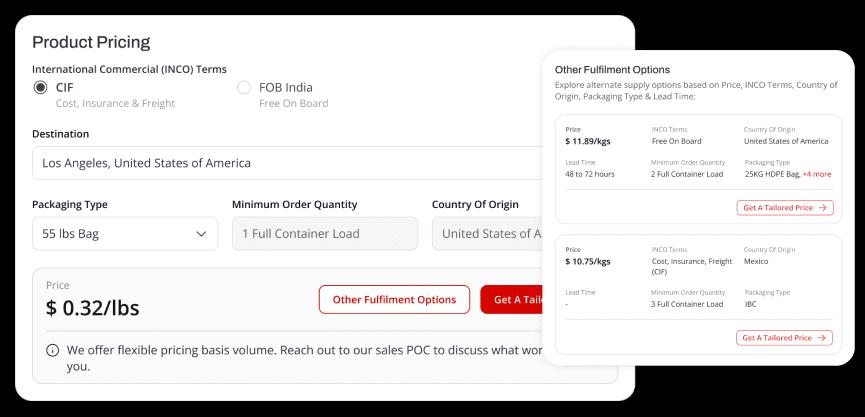
Access live, grade-specific pricing for every chemical, so your teams talks with data, not intuition on Elixir.
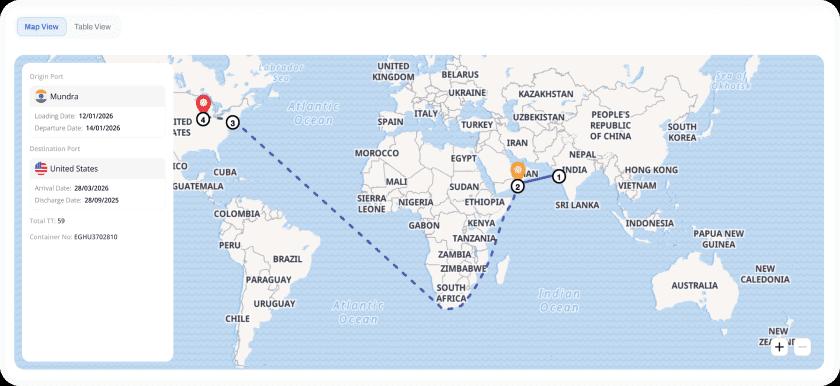
Compare fulfilment options across grades, INCO terms, origins, and lead times: all in one platform.

Live, transparent pricing
Real-time quotes across 12,000+ specialty chemicals.
Product Specification
Physical Properties
| Property | Specification |
|---|---|
| Appearance | White solid |
| Odor | Odorless |
| Molecular Weight (G/Mol) | 367.86 |
| Density Or Specific Gravity | 2.52 g/cm³ |
| Refractive Index | 1.658 |
| Ph (If Aqueous Solution) | 1% soln @ 25 °C = 9.7-9.8 |
| Density | 2.52 g/cm³ |
| Ph | 1% soln @ 25 °C = 9.7-9.8 |
Chemical Properties
| Property | Specification |
|---|---|
| Water Solubility | 20 g/100 mL (20 ºC) |
Thermal Properties
| Property | Specification |
|---|---|
| Melting Point | 622 °C |
Processing Methods & Reference Formulations
A. Hair Shampoo
STPP should be added to the water phase under stirring at room temperature or up to 40°C to ensure full dissolution before surfactants or thickeners are introduced. STPP works best and remains stable in slightly acidic to neutral pH.
| Key Ingredients | Indicative Dosage (% w/w) |
|---|---|
| Water | 65% |
| Sodium Laureth Sulfate | 15% |
| Cocamidopropyl Betaine | 5% |
| Glycerin | 3% |
| Sodium Tripolyphosphate | 3% |
| Polyquaternium-7 | 1% |
| Citric Acid | 0.2% |
| Methylisothiazolinone + Methylchloroisothiazolinone | 0.1% |
| Fragrance | 0.7% |
B. Laundry Detergent
For liquid detergents, it should be pre-dissolved in water before adding to the mix to avoid clumping. STPP works best in alkaline pH (9–10.5). Ensure the final formulation maintains this pH range for effective soil suspension and preventing redeposition on fabrics.
| Key Ingredients | Indicative Dosage (% w/w) |
|---|---|
| Water | 39.73% |
| Triethylenetetramine-N,N,N′,N″-penta(methylene phosphonic acid) | 3.3% |
| Sodium Hydroxide Solution | 3.3% |
| Sodium Tripolyphosphate | 3.3% |
| Sodium C12-14 Alcohol Ether Sulfate | 9% |
| Cocamidopropyl Betaine | 1.3% |
| Alcohol Ethoxylate (C12–C15) | 2% |
| Alkyl Amphocarboxyglycinate | 4% |
| Optical Brightener | 0.2% |
| Perfume | 0.2% |
| Opacifier (e.g., styrene/acrylic dispersion) | 0.067% |
| Enzymes, carriers, etc. | 0.135% |
C. Surface Cleaner
Incorporate STPP into the water phase early in the process and ensure it is fully dissolved before adding surfactants, to avoid precipitation or uneven distribution. STPP pairs well with surfactants like SLS, LAS, or alcohol ethoxylates, improving foam stability, detergency, and stain removal.
| Key Ingredients | Indicative Dosage (% w/w) |
|---|---|
| Water | 60% |
| Sodium Tripolyphosphate | 15% |
| Sodium Xylene Sulfonate | 5% |
| Nonylphenol Ethoxylate | 10% |
| Sodium Lauryl Sulfate | 5% |
| Cellulose Microparticles | 3% |
| Propylene Glycol | 2% |
| Butyl Glycol (co-solvent) | 2% |
| Preservative(s) & Fragrance | 1% |
Dosing Guidelines
A. Dosing by Application
| Products | Authorized dosage % |
|---|---|
| Laundry & Dishwashing Detergents | 15–35% |
| Industrial/Household Cleaners | 5-30% |
About Sodium Tripolyphosphate
Sodium Tripolyphosphate (STPP) is one of the most essential inorganic phosphates used across multiple industries due to its outstanding chemical versatility. With its formula Na₅P₃O₁₀, STPP acts as a powerful chelating agent, effectively binding hard-water ions to improve cleaning performance in detergents.
Its ability to disperse particles, emulsify oils, and control pH levels makes it a critical ingredient in industrial formulations. In the food industry, food-grade STPP enhances texture, retains moisture, and improves quality consistency in frozen and processed foods.
High-performance STPP is essential for manufacturers who depend on accurate chemical composition and stability for their processes. This is why sourcing from trusted sodium tripolyphosphate manufacturers ensures product efficiency and regulatory compliance.
From home care detergents to ceramic tiles and water treatment facilities, STPP remains an irreplaceable material due to its reliability, performance, and broad application range.
Features of Sodium Tripolyphosphate
Excellent Water Softening Ability: Binds calcium and magnesium to improve detergent performance.
Strong Dispersing Action: Prevents particle settling and improves mixture stability.
pH Buffering Capacity: Maintains ideal pH levels in industrial and household formulations.
Moisture Retention (Food Grade): Improves texture and juiciness in meat and seafood products.
High Compatibility: Works well with surfactants, emulsifiers, and industrial chemicals
Why Source Sodium Tripolyphosphate (STPP) Through Elchemy?
- Verified STPP Manufacturer Network: Every sodium tripolyphosphate producer in the Elchemy network is pre-audited for purity, P₂O₅ content, and consistency before onboarding. You deal with one accountable partner for detergent and food grades, and we manage supplier risk.
- Bulk Supply with Transparent Per-Kg Pricing: Source STPP (CAS 7758-29-4) from samples up to bulk bags and container loads, priced per kg and scaled to your volume, with a binding quote within 24 business hours.
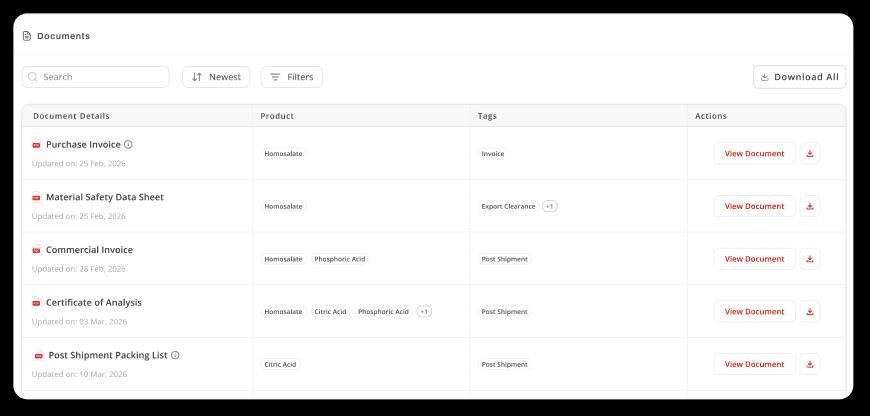
- Detergent & Food Grades, Fully Documented: Detergent/technical-grade as a builder for laundry and dish formulations and food-grade (E451) for moisture retention in seafood and meat — every order ships with COA, TDS, and SDS.
- Builder & Water-Treatment Ready: Consistent STPP for detergent building, water softening, and industrial processing, available in high and low bulk-density grades to suit your dosing system.
- Samples Dispatched in 24–48 Hours: Verify grade and density before bulk commitment. COA-backed samples are dispatched within 24–48 hours of confirmation.
- 40+ Country Reach with Market-Ready Compliance: Elchemy delivers worldwide with COA, SDS, and food (FCC/FSSAI) and detergent regulatory documentation on request.
- Effective Water Softener: Sequesters calcium and magnesium ions, enhancing cleaning efficiency in detergents.
- Versatile Food Additive: Improves texture and moisture retention in processed foods, ensuring quality.
- Key Water Treatment Agent: Prevents scale and corrosion, maintaining system efficiency.
- Enhances Ceramic Quality: Improves plasticity and glaze quality in ceramics.
- Eco-Friendly Production: Focus on sustainable manufacturing practices to minimize environmental impact.
About Sodium Tripolyphosphate
Sodium Tripolyphosphate (STPP) is one of the most essential inorganic phosphates used across multiple industries due to its outstanding chemical versatility. With its formula Na₅P₃O₁₀, STPP acts as a powerful chelating agent, effectively binding hard-water ions to improve cleaning performance in detergents.
Its ability to disperse particles, emulsify oils, and control pH levels makes it a critical ingredient in industrial formulations. In the food industry, food-grade STPP enhances texture, retains moisture, and improves quality consistency in frozen and processed foods.
High-performance STPP is essential for manufacturers who depend on accurate chemical composition and stability for their processes. This is why sourcing from trusted sodium tripolyphosphate manufacturers ensures product efficiency and regulatory compliance.
From home care detergents to ceramic tiles and water treatment facilities, STPP remains an irreplaceable material due to its reliability, performance, and broad application range.
Features of Sodium Tripolyphosphate
Excellent Water Softening Ability: Binds calcium and magnesium to improve detergent performance.
Strong Dispersing Action: Prevents particle settling and improves mixture stability.
pH Buffering Capacity: Maintains ideal pH levels in industrial and household formulations.
Moisture Retention (Food Grade): Improves texture and juiciness in meat and seafood products.
High Compatibility: Works well with surfactants, emulsifiers, and industrial chemicals
Why Source Sodium Tripolyphosphate (STPP) Through Elchemy?
- Verified STPP Manufacturer Network: Every sodium tripolyphosphate producer in the Elchemy network is pre-audited for purity, P₂O₅ content, and consistency before onboarding. You deal with one accountable partner for detergent and food grades, and we manage supplier risk.
- Bulk Supply with Transparent Per-Kg Pricing: Source STPP (CAS 7758-29-4) from samples up to bulk bags and container loads, priced per kg and scaled to your volume, with a binding quote within 24 business hours.
- Detergent & Food Grades, Fully Documented: Detergent/technical-grade as a builder for laundry and dish formulations and food-grade (E451) for moisture retention in seafood and meat — every order ships with COA, TDS, and SDS.
- Builder & Water-Treatment Ready: Consistent STPP for detergent building, water softening, and industrial processing, available in high and low bulk-density grades to suit your dosing system.
- Samples Dispatched in 24–48 Hours: Verify grade and density before bulk commitment. COA-backed samples are dispatched within 24–48 hours of confirmation.
- 40+ Country Reach with Market-Ready Compliance: Elchemy delivers worldwide with COA, SDS, and food (FCC/FSSAI) and detergent regulatory documentation on request.
- Effective Water Softener: Sequesters calcium and magnesium ions, enhancing cleaning efficiency in detergents.
- Versatile Food Additive: Improves texture and moisture retention in processed foods, ensuring quality.
- Key Water Treatment Agent: Prevents scale and corrosion, maintaining system efficiency.
- Enhances Ceramic Quality: Improves plasticity and glaze quality in ceramics.
- Eco-Friendly Production: Focus on sustainable manufacturing practices to minimize environmental impact.
Regulatory Compliance
| Region | Max Allowed Level | Notes | Certification Body |
|---|---|---|---|
| Australia | - | No specific OEL for STPP. Not explicitly restricted or prohibited in cosmetics regulations | - |
| China | - | No specific OEL published for STPP | - |
| Japan | - | No specific OEL for STPP. Not listed among prohibited/restricted cosmetic ingredients | - |
| Republic of Korea | - | No specific OEL for STPP. Not specifically restricted. | - |
| United States | - | No specific occupational exposure limit (OEL) for sodium tripolyphosphate. Not explicitly restricted or prohibited as a cosmetic ingredient. No maximum usage limit is set by the FDA | - |
| ASEAN | - | No specific limit for STPP. Not specifically restricted. | - |
| European Union | - | No specific OEL for STPP. No mandatory maximum limit. | - |
FAQs - Sodium Tripolyphosphate
Related Products

Related Products

Streamline
Your Chemical
Procurement
Get fast responses from real experts