
Sodium Hydrosulfite
ELRASATM – NaHS

Get Pricing for This Product
Need pricing? Request a quote for this product and we'll get back to you shortly.
 Free Samples Available
Speed Up Your Sample Testing Process
We deliver domestic samples within 24 - 48 hours, helping you evaluate product without delays.
Sodium Hydrosulfite is a powerful reducing agent widely used in textile, paper, and water treatment industries. It is primarily used for bleaching and reducing applications, offering effective color…
CAS Number
7775-14-6
HS Code
28311010
INCI Name
-
Molecular Formula
Na2S2O4
Sodium Hydrosulfite
ELRASATM – NaHS
Sodium Hydrosulfite is a powerful reducing agent widely used in textile, paper, and water treatment industries. It is primarily used for bleaching and reducing applications, offering effective color removal and brightening capabilities. Its versatility extends to applications in…
CAS Number
7775-14-6
INCI Name
-
HS Code
28311010
Molecular Formula
Na2S2O4
Get Pricing for This Product
Need pricing? Request a quote for this product and we'll get back to you shortly.
Free Samples AvailableSpeed Up Your Sample Testing Process
We deliver domestic samples within 24 - 48 hours, helping you evaluate product without delays.
 By
By
Specialty chemicals, delivered right
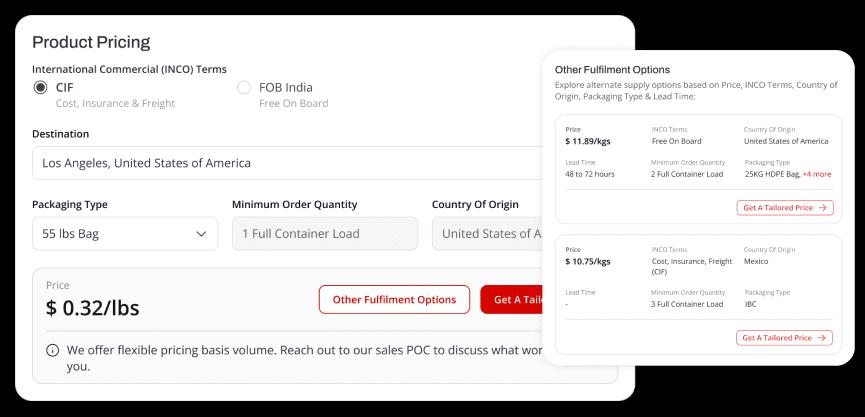
Access live, grade-specific pricing for every chemical, so your teams talks with data, not intuition on Elixir.
Compare fulfilment options across grades, INCO terms, origins, and lead times: all in one platform.

Live, transparent pricing
Real-time quotes across 12,000+ specialty chemicals.

About Sodium Hydrosulfite
Sodium Hydrosulfite, also known as sodium dithionite, is a white crystalline powder with strong reducing properties. It is a key component in various industrial applications, particularly in the textile and paper industries. As a bleaching agent, it effectively removes color from fabrics and paper, enhancing their brightness and quality. Sodium Hydrosulfite manufacturers focus on producing high-purity grades to meet the stringent demands of these industries. The compound is also used in water treatment processes to neutralize chlorine and other oxidizing agents, ensuring safe and clean water. Its versatility extends to food processing, where it acts as a preservative to maintain color and prevent spoilage. Sodium Hydrosulfite suppliers emphasize safe handling and storage practices to maintain its stability and effectiveness. The production process is carefully controlled to ensure consistency and quality, making it a reliable choice for various applications. As industries move towards sustainable practices, Sodium Hydrosulfite manufacturers are adopting greener production methods to minimize environmental impact. This aligns with the growing demand for eco-friendly chemicals in the global market. Sodium Hydrosulfite suppliers are committed to providing high-quality products that meet the evolving needs of their customers, ensuring its continued relevance in modern industry.
- Effective Bleaching Agent: Widely used in textile and paper industries for its powerful color removal capabilities.
- Versatile Reducing Agent: Essential in chemical manufacturing and water treatment processes.
- High Purity Standards: Ensures consistent performance in industrial applications.
- Eco-Friendly Production: Manufacturers are adopting sustainable practices to reduce environmental impact.
- Reliable Food Additive: Used to preserve color and prevent spoilage in food products.
About Sodium Hydrosulfite
Sodium Hydrosulfite, also known as sodium dithionite, is a white crystalline powder with strong reducing properties. It is a key component in various industrial applications, particularly in the textile and paper industries. As a bleaching agent, it effectively removes color from fabrics and paper, enhancing their brightness and quality. Sodium Hydrosulfite manufacturers focus on producing high-purity grades to meet the stringent demands of these industries. The compound is also used in water treatment processes to neutralize chlorine and other oxidizing agents, ensuring safe and clean water. Its versatility extends to food processing, where it acts as a preservative to maintain color and prevent spoilage. Sodium Hydrosulfite suppliers emphasize safe handling and storage practices to maintain its stability and effectiveness. The production process is carefully controlled to ensure consistency and quality, making it a reliable choice for various applications. As industries move towards sustainable practices, Sodium Hydrosulfite manufacturers are adopting greener production methods to minimize environmental impact. This aligns with the growing demand for eco-friendly chemicals in the global market. Sodium Hydrosulfite suppliers are committed to providing high-quality products that meet the evolving needs of their customers, ensuring its continued relevance in modern industry.
- Effective Bleaching Agent: Widely used in textile and paper industries for its powerful color removal capabilities.
- Versatile Reducing Agent: Essential in chemical manufacturing and water treatment processes.
- High Purity Standards: Ensures consistent performance in industrial applications.
- Eco-Friendly Production: Manufacturers are adopting sustainable practices to reduce environmental impact.
- Reliable Food Additive: Used to preserve color and prevent spoilage in food products.
FAQs - Sodium Hydrosulfite
Related Products


Related Products

Streamline
Your Chemical
Procurement
Get fast responses from real experts