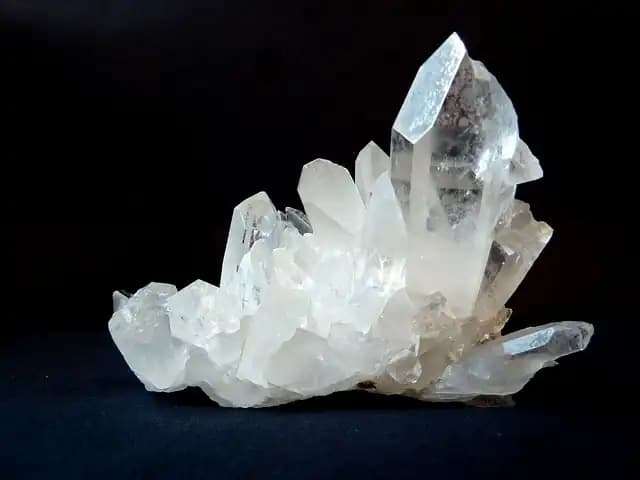
Sodium Cyanide
ELRASATM – NaCya

Get Pricing for This Product
Need pricing? Request a quote for this product and we'll get back to you shortly.
 Free Samples Available
Speed Up Your Sample Testing Process
We deliver domestic samples within 24 - 48 hours, helping you evaluate product without delays.
Sodium Cyanide is a highly toxic chemical compound used primarily in the mining industry for gold extraction. It is also used in electroplating, chemical manufacturing, and as a fumigant. Due to its…
CAS Number
143-33-9
HS Code
28372000
INCI Name
-
Molecular Formula
NaCN
Sodium Cyanide
ELRASATM – NaCya
Sodium Cyanide is a highly toxic chemical compound used primarily in the mining industry for gold extraction. It is also used in electroplating, chemical manufacturing, and as a fumigant. Due to its high toxicity, it requires careful handling and storage.
CAS Number
143-33-9
INCI Name
-
HS Code
28372000
Molecular Formula
NaCN
Get Pricing for This Product
Need pricing? Request a quote for this product and we'll get back to you shortly.
Free Samples AvailableSpeed Up Your Sample Testing Process
We deliver domestic samples within 24 - 48 hours, helping you evaluate product without delays.
 By
By
Specialty chemicals, delivered right
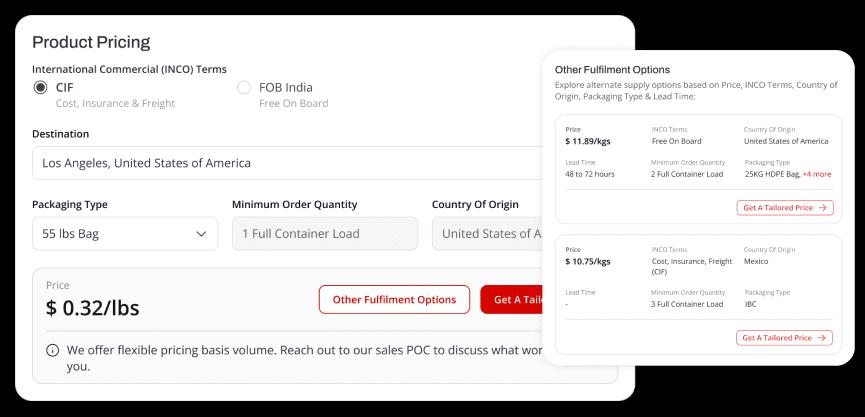
Access live, grade-specific pricing for every chemical, so your teams talks with data, not intuition on Elixir.
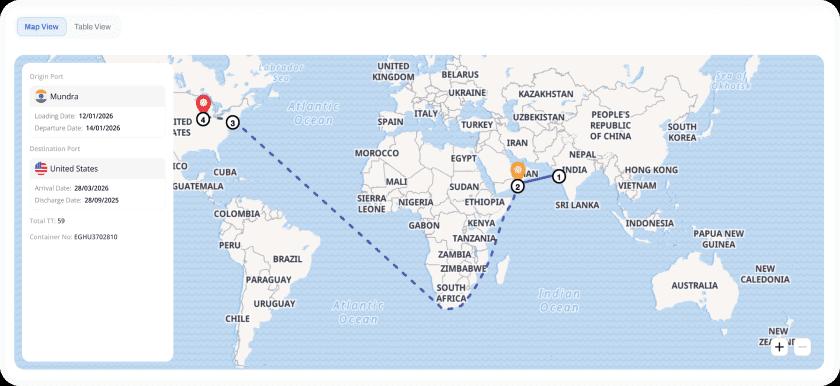
Compare fulfilment options across grades, INCO terms, origins, and lead times: all in one platform.

Live, transparent pricing
Real-time quotes across 12,000+ specialty chemicals.
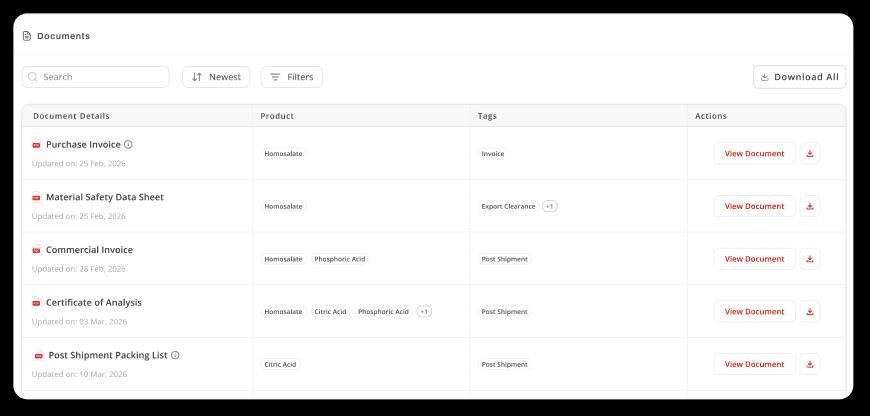
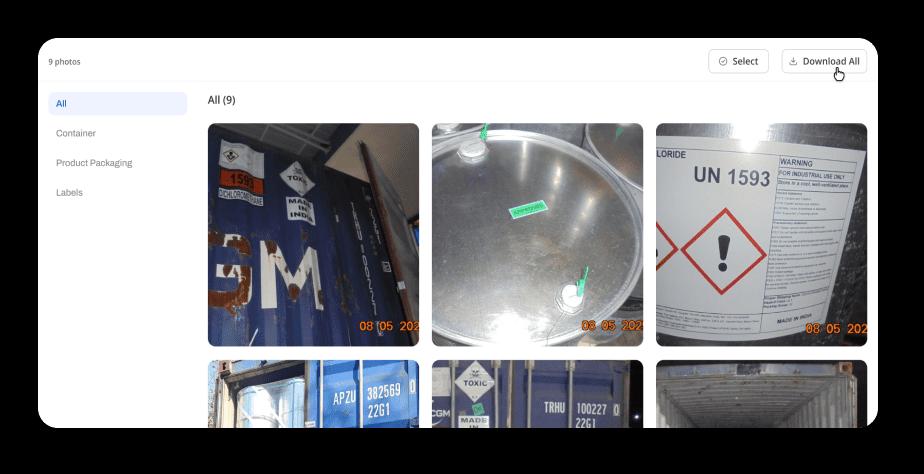
About Sodium Cyanide
Sodium Cyanide manufacturers and suppliers play a crucial role in the mining industry, providing a key reagent for gold extraction. As a highly toxic compound, Sodium Cyanide requires stringent safety measures during production, handling, and transportation. Manufacturers focus on producing high-purity Sodium Cyanide to ensure its effectiveness in various applications, including chemical manufacturing and electroplating. The compound's ability to form stable complexes with metals makes it indispensable in these industries. In North America, Sodium Cyanide suppliers are committed to adhering to environmental and safety regulations, minimizing the risk of exposure and environmental impact. The demand for Sodium Cyanide is driven by its efficiency in gold extraction, making it a vital component in the mining sector. As the industry evolves, manufacturers are exploring sustainable practices to reduce the environmental footprint of Sodium Cyanide production and use.
- Efficient Gold Extraction: Sodium Cyanide is the preferred reagent for gold leaching, offering high recovery rates and cost-effectiveness.
- High Purity Standards: Ensures optimal performance in mining and chemical applications.
- Regulated Use: Strict safety and environmental regulations govern its use, ensuring safe handling and disposal.
- Versatile Chemical Reagent: Used in various chemical syntheses and industrial processes.
- Critical in Electroplating: Provides a smooth and durable metal finish in electroplating applications.
About Sodium Cyanide
Sodium Cyanide manufacturers and suppliers play a crucial role in the mining industry, providing a key reagent for gold extraction. As a highly toxic compound, Sodium Cyanide requires stringent safety measures during production, handling, and transportation. Manufacturers focus on producing high-purity Sodium Cyanide to ensure its effectiveness in various applications, including chemical manufacturing and electroplating. The compound's ability to form stable complexes with metals makes it indispensable in these industries. In North America, Sodium Cyanide suppliers are committed to adhering to environmental and safety regulations, minimizing the risk of exposure and environmental impact. The demand for Sodium Cyanide is driven by its efficiency in gold extraction, making it a vital component in the mining sector. As the industry evolves, manufacturers are exploring sustainable practices to reduce the environmental footprint of Sodium Cyanide production and use.
- Efficient Gold Extraction: Sodium Cyanide is the preferred reagent for gold leaching, offering high recovery rates and cost-effectiveness.
- High Purity Standards: Ensures optimal performance in mining and chemical applications.
- Regulated Use: Strict safety and environmental regulations govern its use, ensuring safe handling and disposal.
- Versatile Chemical Reagent: Used in various chemical syntheses and industrial processes.
- Critical in Electroplating: Provides a smooth and durable metal finish in electroplating applications.
FAQs - Sodium Cyanide

Streamline
Your Chemical
Procurement
Get fast responses from real experts