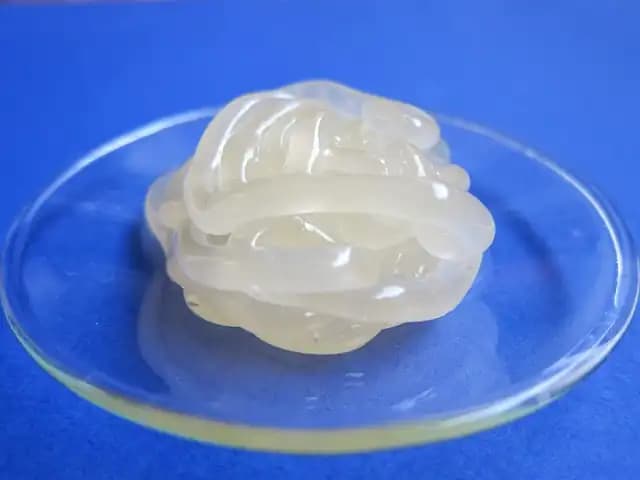
Santophen I Flakes
ELPROTECTTM – SIFlakes
Get Pricing For This Product
Need pricing? Request a quote for this product and we'll get back to you shortly.
Speed Up Your Sample Testing Process
Express Delivery in 24–48 Hours
Santophen I Flakes, also known as Pentachlorophenol, is a chlorinated phenol used primarily as a wood preservative. It is effective in protecting wood from fungal decay and insect damage. Due to its…
CAS Number
87-86-5
HS Code
29081990
INCI Name
-
Molecular Formula
C6HCl5O
Santophen I Flakes
ELPROTECTTM – SIFlakes
Santophen I Flakes, also known as Pentachlorophenol, is a chlorinated phenol used primarily as a wood preservative. It is effective in protecting wood from fungal decay and insect damage. Due to its potent biocidal properties, it is also used in industrial applications such as…
CAS Number
87-86-5
INCI Name
-
HS Code
29081990
Molecular Formula
C6HCl5O
Get Pricing For This Product
Need pricing? Request a quote for this product and we'll get back to you shortly.
Speed Up Your Sample Testing Process
We deliver domestic samples within 24 - 48 hours, helping you evaluate product without delays.
About Santophen I Flakes
Santophen I Flakes, also known as Pentachlorophenol, is a powerful chlorinated phenol used extensively in industrial applications. As a wood preservative, it protects against fungal decay and insect damage, making it invaluable in the construction and furniture industries. Its biocidal properties extend its use to leather preservation and as a pesticide, where it controls a wide range of pests. Manufacturers and suppliers of Santophen I Flakes focus on producing high-quality, technical-grade products to meet the stringent demands of these industries. The production process is carefully controlled to ensure consistency and effectiveness, crucial for its role in preserving materials. In North America and globally, Santophen I Flakes is recognized for its versatility and efficacy, although its use is regulated due to environmental and health considerations. Sustainable practices are increasingly adopted in its production, aligning with the growing demand for eco-friendly solutions in the chemical industry.
- Effective Wood Preservative: Protects wood from decay and insect damage, extending its lifespan.
- Potent Biocidal Properties: Controls microbial growth in various industrial applications.
- Versatile Use: Applicable in wood, leather, and pesticide industries.
- High-Quality Standards: Produced to meet stringent industrial requirements.
- Regulated Use: Compliance with environmental and safety regulations ensures responsible application.
About Santophen I Flakes
Santophen I Flakes, also known as Pentachlorophenol, is a powerful chlorinated phenol used extensively in industrial applications. As a wood preservative, it protects against fungal decay and insect damage, making it invaluable in the construction and furniture industries. Its biocidal properties extend its use to leather preservation and as a pesticide, where it controls a wide range of pests. Manufacturers and suppliers of Santophen I Flakes focus on producing high-quality, technical-grade products to meet the stringent demands of these industries. The production process is carefully controlled to ensure consistency and effectiveness, crucial for its role in preserving materials. In North America and globally, Santophen I Flakes is recognized for its versatility and efficacy, although its use is regulated due to environmental and health considerations. Sustainable practices are increasingly adopted in its production, aligning with the growing demand for eco-friendly solutions in the chemical industry.
- Effective Wood Preservative: Protects wood from decay and insect damage, extending its lifespan.
- Potent Biocidal Properties: Controls microbial growth in various industrial applications.
- Versatile Use: Applicable in wood, leather, and pesticide industries.
- High-Quality Standards: Produced to meet stringent industrial requirements.
- Regulated Use: Compliance with environmental and safety regulations ensures responsible application.
FAQs - Santophen I Flakes
Related Products


Related Products
Streamline
Your Chemical
Procurement
Get fast responses from real experts