Polyvinyl Acetate
ELRASATM – PVAC

Get Pricing for This Product
Need pricing? Request a quote for this product and we'll get back to you shortly.
 Free Samples Available
Speed Up Your Sample Testing Process
We deliver domestic samples within 24 - 48 hours, helping you evaluate product without delays.
Polyvinyl Acetate (PVAc) is a synthetic polymer used extensively in adhesives, paints, and coatings. Known for its excellent adhesion properties, it is a key ingredient in wood glues, paper adhesives,…
CAS Number
9003-20-7
HS Code
39053000
INCI Name
-
Molecular Formula
(C4H6O2)n
Polyvinyl Acetate
ELRASATM – PVAC
Polyvinyl Acetate (PVAc) is a synthetic polymer used extensively in adhesives, paints, and coatings. Known for its excellent adhesion properties, it is a key ingredient in wood glues, paper adhesives, and emulsion paints. PVAc is valued for its flexibility, water resistance, and…
CAS Number
9003-20-7
INCI Name
-
HS Code
39053000
Molecular Formula
(C4H6O2)n
Get Pricing for This Product
Need pricing? Request a quote for this product and we'll get back to you shortly.
Free Samples AvailableSpeed Up Your Sample Testing Process
We deliver domestic samples within 24 - 48 hours, helping you evaluate product without delays.
 By
By
Specialty chemicals, delivered right
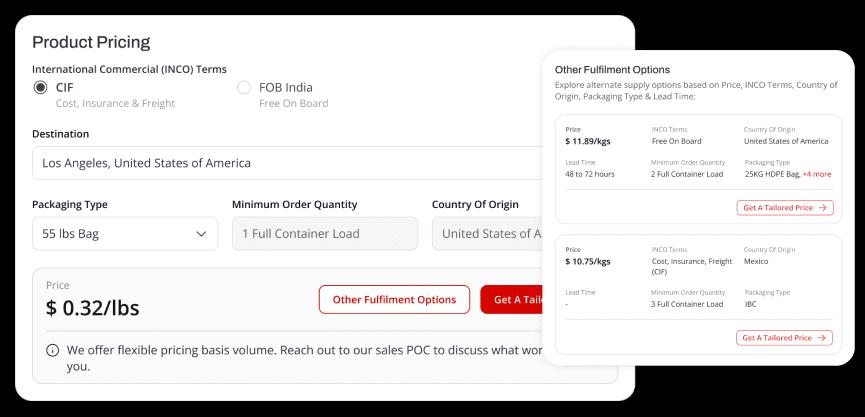
Access live, grade-specific pricing for every chemical, so your teams talks with data, not intuition on Elixir.
Compare fulfilment options across grades, INCO terms, origins, and lead times: all in one platform.

Live, transparent pricing
Real-time quotes across 12,000+ specialty chemicals.
About Polyvinyl Acetate
Polyvinyl Acetate, commonly referred to as PVAc, is a versatile polymer used in a wide range of industrial applications. As a key component in adhesives, it provides strong bonding capabilities, making it ideal for wood glues and paper adhesives. In the paints and coatings industry, PVAc acts as a binder, enhancing the durability and water resistance of the final product. Its flexibility and non-toxic nature make it suitable for use in textiles and paper products. PVAc manufacturers focus on producing high-quality polymers to meet the diverse needs of industries such as construction, textiles, and packaging. The production process is optimized to ensure consistency and performance, with a growing emphasis on sustainable practices. As a result, PVAc is a preferred choice for manufacturers seeking reliable and eco-friendly solutions. The polymer's adaptability and effectiveness underscore its importance in modern industrial applications.
- Strong Adhesion: Provides excellent bonding with wood, paper, and textiles.
- Water Resistance: Offers good resistance to water, enhancing product durability.
- Flexible and Non-Toxic: Safe for use in various applications, including textiles and paper.
- Versatile Binder: Used in paints, coatings, and construction materials for improved performance.
- Sustainable Production: Increasing focus on eco-friendly manufacturing practices.
About Polyvinyl Acetate
Polyvinyl Acetate, commonly referred to as PVAc, is a versatile polymer used in a wide range of industrial applications. As a key component in adhesives, it provides strong bonding capabilities, making it ideal for wood glues and paper adhesives. In the paints and coatings industry, PVAc acts as a binder, enhancing the durability and water resistance of the final product. Its flexibility and non-toxic nature make it suitable for use in textiles and paper products. PVAc manufacturers focus on producing high-quality polymers to meet the diverse needs of industries such as construction, textiles, and packaging. The production process is optimized to ensure consistency and performance, with a growing emphasis on sustainable practices. As a result, PVAc is a preferred choice for manufacturers seeking reliable and eco-friendly solutions. The polymer's adaptability and effectiveness underscore its importance in modern industrial applications.
- Strong Adhesion: Provides excellent bonding with wood, paper, and textiles.
- Water Resistance: Offers good resistance to water, enhancing product durability.
- Flexible and Non-Toxic: Safe for use in various applications, including textiles and paper.
- Versatile Binder: Used in paints, coatings, and construction materials for improved performance.
- Sustainable Production: Increasing focus on eco-friendly manufacturing practices.
FAQs - Polyvinyl Acetate

Streamline
Your Chemical
Procurement
Get fast responses from real experts