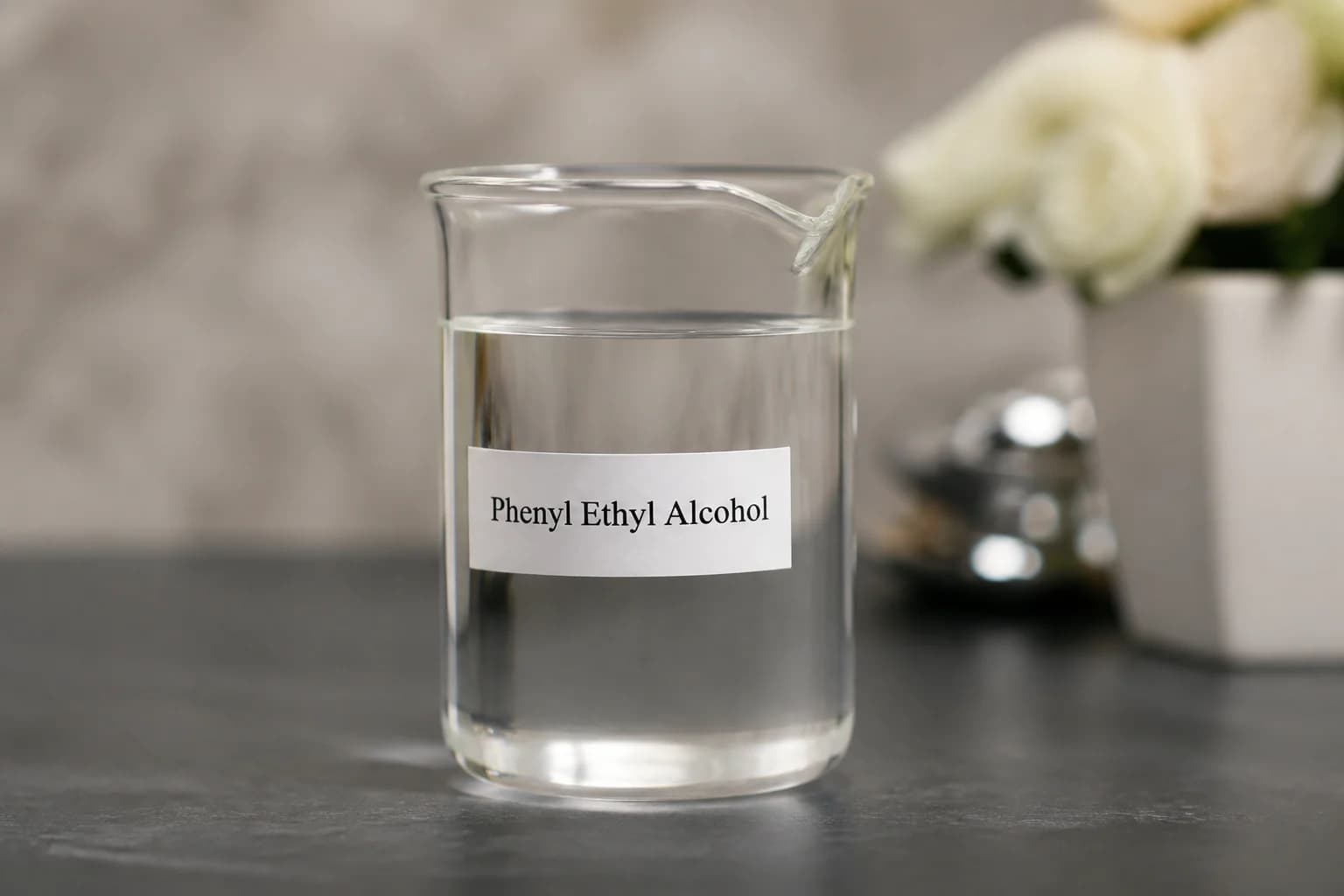
Phenyl Ethyl Alcohol
ELAROMATM – PEEO
Live Prices for Phenyl Ethyl Alcohol
View live pricing & request bulk enquiry for this product on Elixir.
 Free Samples Available
Speed Up Your Sample Testing Process
We deliver domestic samples within 24 - 48 hours, helping you evaluate product without delays.
Phenyl Ethyl Alcohol is a colorless liquid with a pleasant floral odor, commonly used in the fragrance and flavor industries. It serves as a key ingredient in perfumes, cosmetics, and personal care…
CAS Number
60-12-8
HS Code
2906.29.00
INCI Name
Phenyl Ethyl Alcohol
Molecular Formula
C₈H₁₀O
Phenyl Ethyl Alcohol
ELAROMATM – PEEO
Phenyl Ethyl Alcohol is a colorless liquid with a pleasant floral odor, commonly used in the fragrance and flavor industries. It serves as a key ingredient in perfumes, cosmetics, and personal care products due to its rose-like scent. Additionally, it is utilized as a…
CAS Number
60-12-8
INCI Name
Phenyl Ethyl Alcohol
HS Code
2906.29.00
Molecular Formula
C₈H₁₀O
Live Prices for Phenyl Ethyl Alcohol
View live pricing & request bulk enquiry for this product on Elixir.
Free Samples AvailableSpeed Up Your Sample Testing Process
We deliver domestic samples within 24 - 48 hours, helping you evaluate product without delays.
 By
By
Specialty chemicals, delivered right
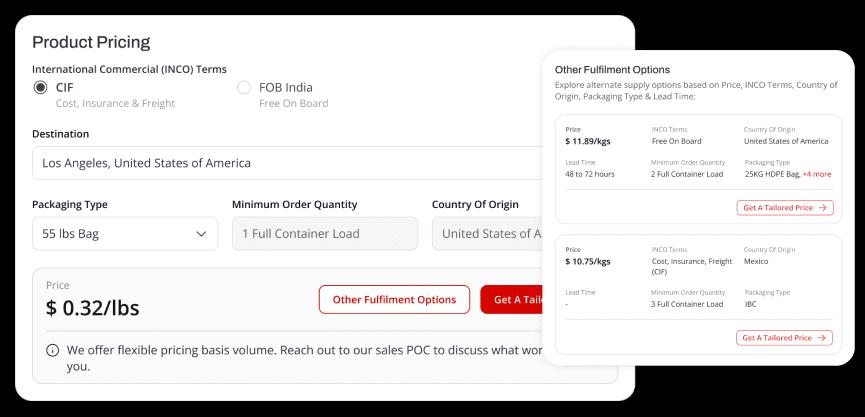
Access live, grade-specific pricing for every chemical, so your teams talks with data, not intuition on Elixir.
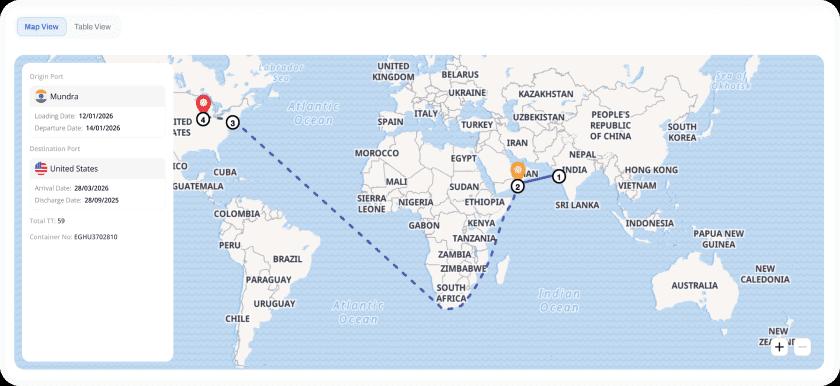
Compare fulfilment options across grades, INCO terms, origins, and lead times: all in one platform.

Live, transparent pricing
Real-time quotes across 12,000+ specialty chemicals.
Product Specification
Physical Properties
| Property | Specification |
|---|---|
| Appearance | Colorless liquid |
| Odor | Mild roselike odor |
| Molecular Weight (G/Mol) | 122.16 |
| Density Or Specific Gravity | 1.0202 at 20 °C/4 °C |
| Viscosity | 7.58 centapoise @ 25 °C; 3.19 centpoise @ 50 °C |
| Refractive Index | 1.5325 at 20 °C/D |
| Density | 1.0202 at 20 °C/4 °C |
Chemical Properties
| Property | Specification |
|---|---|
| Water Solubility | 2 g/100ml at 20 °C |
Thermal Properties
| Property | Specification |
|---|---|
| Melting Point | -27 °C |
| Boiling Point | 218.2 °C |
| Flash Point | 102 °C |
| Autoignition Temperature | 410 °C |
Processing Methods & Reference Formulations
A. Perfume
Blend directly into the perfume concentrate, as it is alcohol-soluble and helps smooth transitions between top and heart notes. Check for oxidation stability, and store in airtight containers to prevent slight yellowing or scent shift over time.
| Key Ingredients | Indicative Dosage (% w/w) |
|---|---|
| Phenyl Ethyl Alcohol | 4% |
| Linalool | 10% |
| Benzyl Acetate | 10% |
| Iso E Super | 15% |
| Hedione | 10% |
| Galaxolide | 10% |
| Musk Ketone | 5% |
| Para Anisic Aldehyde | 2% |
| Cinnamic Alcohol | 1% |
| Dipropylene Glycol (DPG) | 33% |
B. Shampoo
Add during the cool-down phase, to preserve its aroma and prevent volatility loss. Pre-mix with fragrance oils and solubilizer for proper dispersion in the aqueous shampoo base.
| Key Ingredients | Indicative Dosage (% w/w) |
|---|---|
| Water | ~63% |
| Sodium Laureth Sulfate | 15% |
| Cocamidopropyl Betaine | 6% |
| Glycerin | 3% |
| Citric Acid | 0.3% |
| Polyquaternium-10 | 0.2% |
| Disodium EDTA | 0.1% |
| Preservative (e.g. Phenoxyethanol) | 0.8% |
| Fragrance blend | 11% |
| Phenyl Ethyl Alcohol | 0.5% |
C. Soap
Add during the fragrance phase, when the soap has cooled, to reduce evaporation and scent loss. Pre-blend with other fragrance components, especially in cold process soap, for better scent distribution.
| Key Ingredients | Indicative Dosage (% w/w) |
|---|---|
| Sodium Palmate | 40% |
| Sodium Palm Kernelate | 25% |
| Water | 15% |
| Glycerin | 5% |
| Sorbitol | 5% |
| Titanium Dioxide | 1% |
| Tetrasodium EDTA | 0.1% |
| BHT | 0.2% |
| Fragrance Blend | ~8% |
| Phenyl Ethyl Alcohol | 0.5% |
D. Cosmetic cream
Add during the cool-down phase, to maintain fragrance stability and avoid evaporation. Pre-mix with a solubilizer or fragrance oil to ensure uniform dispersion in the cream emulsion.
| Key Ingredients | Indicative Dosage (% w/w) |
|---|---|
| Water | ~70% |
| Glycerin | 5% |
| Cetearyl Alcohol | 4% |
| Caprylic/Capric Triglyceride | 5% |
| Glyceryl Stearate | 3% |
| Dimethicone | 2% |
| Phenoxyethanol | 0.8% |
| Ethylhexylglycerin | 0.2% |
| Carbomer | 0.3% |
| Triethanolamine | 0.2% |
| Tocopherol (Vitamin E) | 0.3% |
| Fragrance Blend | ~9% |
| Phenyl Ethyl Alcohol | 0.5% |
Dosing Guidelines
A. Products | Authorized dosage
| Products | Authorized dosage |
|---|---|
| Perfume/Fragrance | Upto 4% |
| Cosmetic Care (Moisturizing Creams) | Upto 0.71% |
| Cosmetic Care (Lotions) | Upto 1% |
| Soaps | Upto 3.2% |
About Phenyl Ethyl Alcohol
Phenyl ethyl alcohol (PEA) - also called 2-phenylethanol or phenethyl alcohol (CAS 60-12-8, C₈H₁₀O) - is a colourless aromatic alcohol with a soft, warm, rose-like odour. It is the single most widely used rose note in perfumery, the main constituent of rose oil, and an excellent blender across floral, balsamic and aldehydic accords.
It has a valuable second role as a pH-independent, heat-stable antimicrobial preservative in cosmetics and pharmaceuticals. Note that phenyl ethyl alcohol is not the same as phenol - despite the similar name, phenol (carbolic acid) is a different, more hazardous chemical.
Phenyl Ethyl Alcohol Suppliers, Manufacturers & Distributors
Elchemy is a trusted phenyl ethyl alcohol supplier, manufacturer partner and distributor, supplying PEA (2-phenylethanol) to flavour and fragrance houses, cosmetic and pharmaceutical manufacturers across the USA, UK, UAE and 40+ countries. Working with audited manufacturers, we deliver ≥99% material - fragrance, cosmetic-preservative and pharma grades - with a COA on every batch. Explore the wider flavours & fragrances range.
Buy Phenyl Ethyl Alcohol in Bulk
Elchemy supplies bulk phenyl ethyl alcohol from sample quantities to drums and tankers, in fragrance, cosmetic and pharmaceutical grades, with US domestic stock for faster delivery. Submit the quote form with your grade, purity and volume for pricing within 24–48 hours.
Phenyl Ethyl Alcohol Price: Bulk Pricing & Price per Kg
The phenyl ethyl alcohol price moves with feedstock - the styrene-oxide or benzene route, or natural material - along with grade, purity and volume, so Elchemy quotes live rather than publishing a fixed rate. Buyers benchmark the price per kg for trial lots and per-drum for larger orders. Request a quote for an exact figure within 24–48 hours.
Phenyl Ethyl Alcohol Manufacturing Process
PEA is produced synthetically - most commonly by catalytic hydrogenation of styrene oxide, or by the Friedel-Crafts reaction of benzene with ethylene oxide - and is also available as natural material, from rose distillation or fermentation.
The synthetic product is purified to a chlorine-free, ≥99% perfumery grade. Raw materials are styrene oxide, or benzene and ethylene oxide. Every batch Elchemy supplies is tested for assay, acid value and odour, with a COA per order.
Grades Available
- Fragrance, FEMA 2858 (≥99%) - perfumery, for the rose note, and flavours
- Cosmetic / Preservative (≥99%) - antimicrobial preservative and booster in cosmetics
- Pharmaceutical (high purity) - preservative in pharmaceutical preparations such as eye drops and injectables
- Natural PEA (≥99%) - natural and clean-label fragrance and flavour use
Why Choose Elchemy as a Trusted Phenyl Ethyl Alcohol Supplier
- Multiple grades - fragrance (FEMA 2858), cosmetic-preservative and pharmaceutical grades, plus natural PEA on request
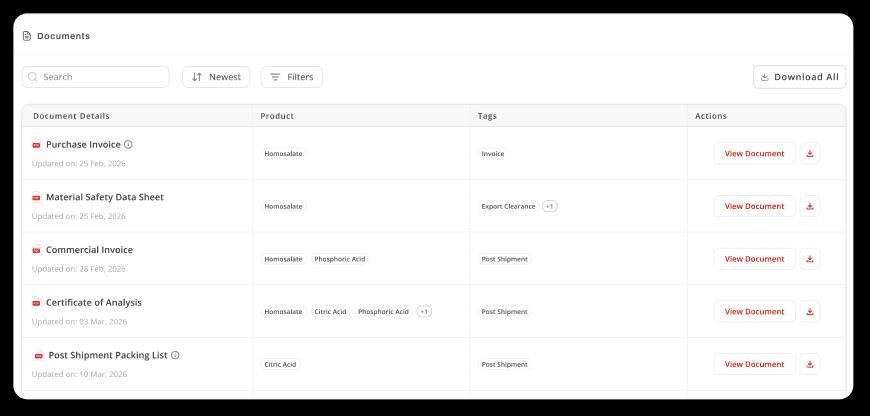
- Full documentation - COA, TDS and GHS SDS with every order; FEMA/IFRA and origin declarations on request
- Samples in 24–48 hours - evaluate aroma and purity before any bulk order
- Tailored options - custom grades and pack sizes via custom manufacturing
Safety & Handling
Phenyl ethyl alcohol is a low-hazard aroma chemical, considered safe at the levels used in fragrance, flavour and cosmetics, and reviewed favourably by IFRA and flavour authorities. As a concentrated liquid it may cause mild eye or skin irritation.
Handle with gloves and goggles in a ventilated area, keep containers closed and protected from prolonged heat and air, since it can slowly develop a phenylacetaldehyde note, and flush with water on contact. It is combustible but not readily flammable, with a flash point around 96 °C. A full GHS-aligned SDS ships with orders.
- Floral Aroma: Provides a rose-like scent, enhancing the fragrance profile of perfumes and personal care products.
- High Purity Standards: Ensures consistent quality and performance in fragrance and flavor applications.
- Versatile Solvent: Effective in dissolving various ingredients, aiding in the formulation of cosmetics and personal care products.
- Preservative Properties: Extends the shelf life of products by preventing microbial growth.
- Sustainable Production: Focus on eco-friendly manufacturing practices to reduce environmental impact.
About Phenyl Ethyl Alcohol
Phenyl ethyl alcohol (PEA) - also called 2-phenylethanol or phenethyl alcohol (CAS 60-12-8, C₈H₁₀O) - is a colourless aromatic alcohol with a soft, warm, rose-like odour. It is the single most widely used rose note in perfumery, the main constituent of rose oil, and an excellent blender across floral, balsamic and aldehydic accords.
It has a valuable second role as a pH-independent, heat-stable antimicrobial preservative in cosmetics and pharmaceuticals. Note that phenyl ethyl alcohol is not the same as phenol - despite the similar name, phenol (carbolic acid) is a different, more hazardous chemical.
Phenyl Ethyl Alcohol Suppliers, Manufacturers & Distributors
Elchemy is a trusted phenyl ethyl alcohol supplier, manufacturer partner and distributor, supplying PEA (2-phenylethanol) to flavour and fragrance houses, cosmetic and pharmaceutical manufacturers across the USA, UK, UAE and 40+ countries. Working with audited manufacturers, we deliver ≥99% material - fragrance, cosmetic-preservative and pharma grades - with a COA on every batch. Explore the wider flavours & fragrances range.
Buy Phenyl Ethyl Alcohol in Bulk
Elchemy supplies bulk phenyl ethyl alcohol from sample quantities to drums and tankers, in fragrance, cosmetic and pharmaceutical grades, with US domestic stock for faster delivery. Submit the quote form with your grade, purity and volume for pricing within 24–48 hours.
Phenyl Ethyl Alcohol Price: Bulk Pricing & Price per Kg
The phenyl ethyl alcohol price moves with feedstock - the styrene-oxide or benzene route, or natural material - along with grade, purity and volume, so Elchemy quotes live rather than publishing a fixed rate. Buyers benchmark the price per kg for trial lots and per-drum for larger orders. Request a quote for an exact figure within 24–48 hours.
Phenyl Ethyl Alcohol Manufacturing Process
PEA is produced synthetically - most commonly by catalytic hydrogenation of styrene oxide, or by the Friedel-Crafts reaction of benzene with ethylene oxide - and is also available as natural material, from rose distillation or fermentation.
The synthetic product is purified to a chlorine-free, ≥99% perfumery grade. Raw materials are styrene oxide, or benzene and ethylene oxide. Every batch Elchemy supplies is tested for assay, acid value and odour, with a COA per order.
Grades Available
- Fragrance, FEMA 2858 (≥99%) - perfumery, for the rose note, and flavours
- Cosmetic / Preservative (≥99%) - antimicrobial preservative and booster in cosmetics
- Pharmaceutical (high purity) - preservative in pharmaceutical preparations such as eye drops and injectables
- Natural PEA (≥99%) - natural and clean-label fragrance and flavour use
Why Choose Elchemy as a Trusted Phenyl Ethyl Alcohol Supplier
- Multiple grades - fragrance (FEMA 2858), cosmetic-preservative and pharmaceutical grades, plus natural PEA on request
- Full documentation - COA, TDS and GHS SDS with every order; FEMA/IFRA and origin declarations on request
- Samples in 24–48 hours - evaluate aroma and purity before any bulk order
- Tailored options - custom grades and pack sizes via custom manufacturing
Safety & Handling
Phenyl ethyl alcohol is a low-hazard aroma chemical, considered safe at the levels used in fragrance, flavour and cosmetics, and reviewed favourably by IFRA and flavour authorities. As a concentrated liquid it may cause mild eye or skin irritation.
Handle with gloves and goggles in a ventilated area, keep containers closed and protected from prolonged heat and air, since it can slowly develop a phenylacetaldehyde note, and flush with water on contact. It is combustible but not readily flammable, with a flash point around 96 °C. A full GHS-aligned SDS ships with orders.
- Floral Aroma: Provides a rose-like scent, enhancing the fragrance profile of perfumes and personal care products.
- High Purity Standards: Ensures consistent quality and performance in fragrance and flavor applications.
- Versatile Solvent: Effective in dissolving various ingredients, aiding in the formulation of cosmetics and personal care products.
- Preservative Properties: Extends the shelf life of products by preventing microbial growth.
- Sustainable Production: Focus on eco-friendly manufacturing practices to reduce environmental impact.
Regulatory Compliance
| Region | Max Allowed Level | Notes | Certification Body |
|---|---|---|---|
| Australia | 4% | No explicit national restriction; aligns with IFRA/international safety standards. | - |
| China | 4% | No explicit national restriction; regulated under NMPA, aligns with IFRA for fragrance use. | NMPA - National Medical Products Administration |
| Japan | 4% | No explicit national restriction; aligns with IFRA/international safety standards. | MHLW – Ministry of Health, Labour and Welfare |
| Republic of Korea | 4% | MFDS - Ministry of Food and Drug Safety | MFDS - Ministry of Food and Drug Safety |
| United States | 4% | Not restricted by FDA; industry follows IFRA. | FDA |
| ASEAN | 4% | - | - |
| European Union | 4% | Not listed as restricted; must comply with IFRA and allergen labeling if required. | SCCS |
FAQs - Phenyl Ethyl Alcohol
Related Products
Related Products

Streamline
Your Chemical
Procurement
Get fast responses from real experts