Maltitol
ELHUMETM – MAO pow
Get Pricing For This Product
Need pricing? Request a quote for this product and we'll get back to you shortly.
Speed Up Your Sample Testing Process
Express Delivery in 24–48 Hours
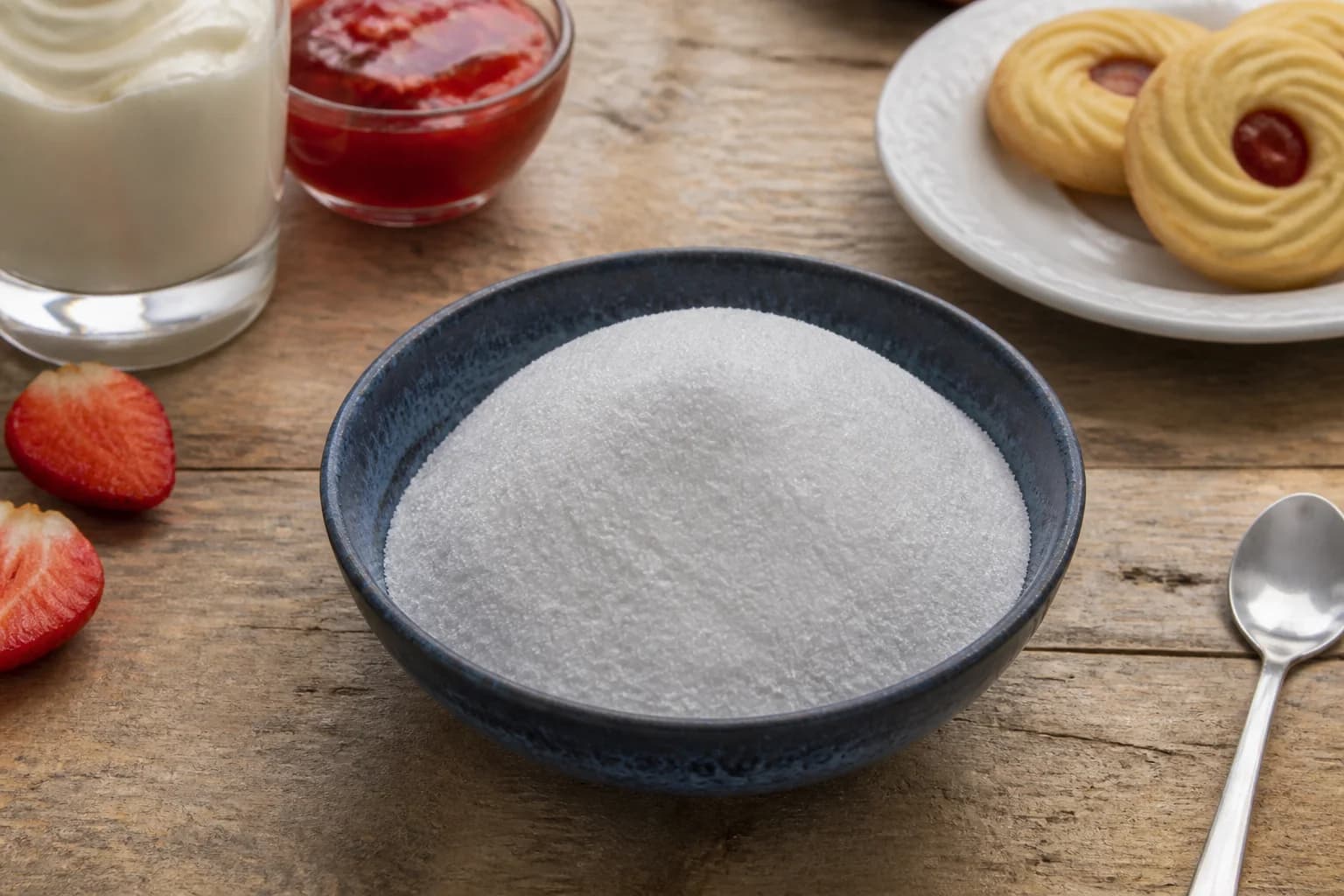
Maltitol is a sugar alcohol used as a sugar substitute. It is commonly used in the food industry for its sweetening properties, providing a similar taste and texture to sugar with fewer calories.…
CAS Number
585-88-6
HS Code
29054900
INCI Name
Maltitol
Molecular Formula
C12H24O11
Maltitol
ELHUMETM – MAO pow
Maltitol is a sugar alcohol used as a sugar substitute. It is commonly used in the food industry for its sweetening properties, providing a similar taste and texture to sugar with fewer calories. Maltitol is often found in sugar-free and low-calorie products, such as candies,…
CAS Number
585-88-6
INCI Name
Maltitol
HS Code
29054900
Molecular Formula
C12H24O11
Get Pricing For This Product
Need pricing? Request a quote for this product and we'll get back to you shortly.
Speed Up Your Sample Testing Process
We deliver domestic samples within 24 - 48 hours, helping you evaluate product without delays.
Product Specification
Physical Properties
| Property | Specification |
|---|---|
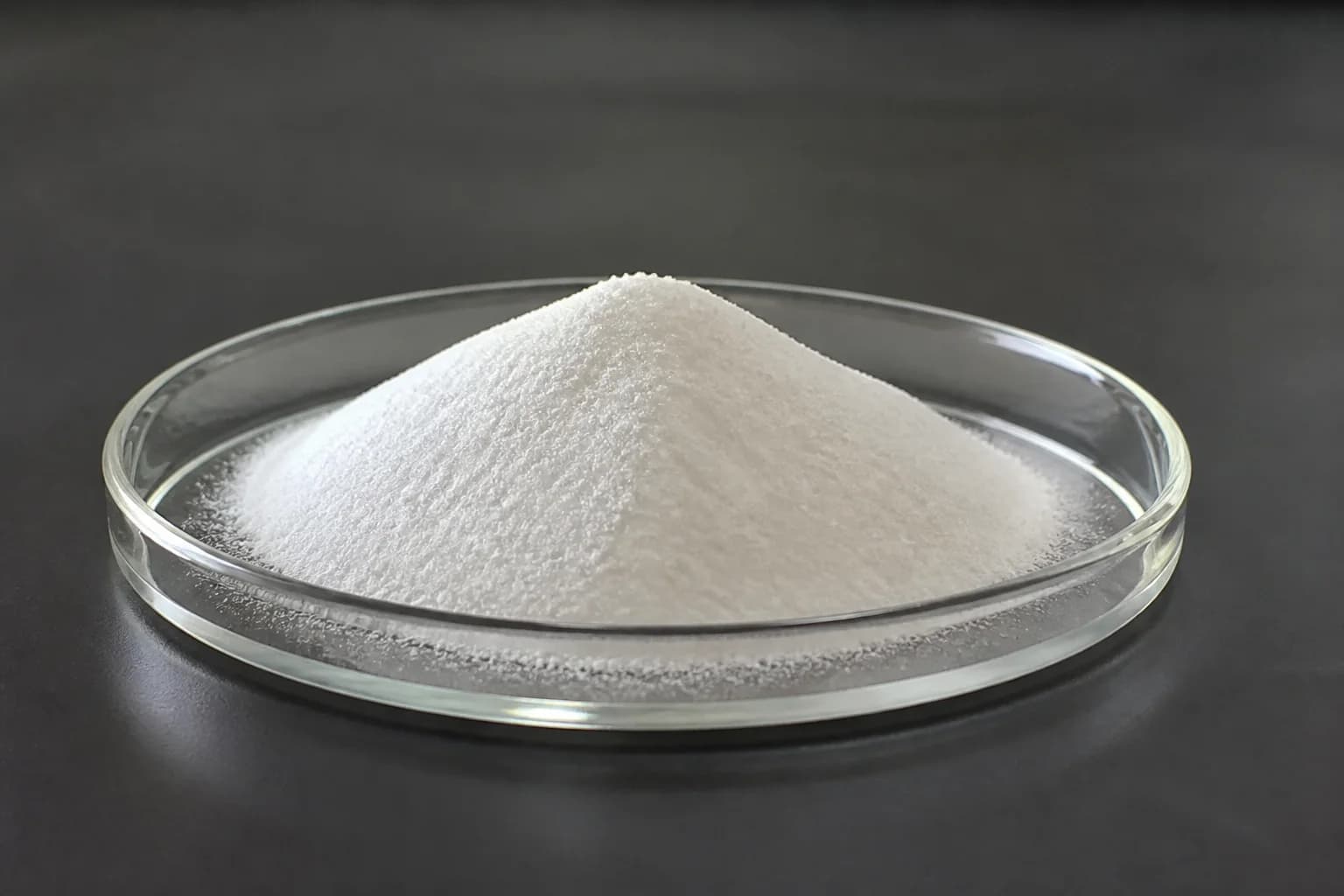
| Appearance | White crystalline powder |
| Odor | Neutral |
| Molecular Weight | 344.31 g/mol |
| Density / Specific Gravity | 1.52 g/cm³ |
| Viscosity | 24 mPa·s (50% w/v aqueous solution at 20°C) |
| Refractive Index | +105.5° to +108.5° (5% w/v solution) |
| Ph (Aqueous Solution) | 5.0-7.5 |
| Assay / Purity | ≥98% |
Chemical Properties
| Property | Specification |
|---|---|
| Pka | 12.84 |
| Ionic Nature | Non-ionic |
| Incompatibilities | Strong oxidizing agents |
| Hazardous Reactions / Decomposition Products | When heated above 200°C, decomposition may begin. Does not undergo browning reactions with amino acids. |
Thermal Properties
| Property | Specification |
|---|---|
| Melting Point | 148-151 °C |
| Boiling Point | Not applicable |
| Flash Point | >150°C |
| Decomposition Temperature | Initial decomposition starts at 269.79°C. |
| Thermal Stability | Good thermal and chemical stability. |
Dosing Guidelines
A. Dosing by Application
| Application | Recommended / Max Dosage |
|---|---|
| Sugar-free hard candy | Can be used as a near 1:1 replacement for sucrose. |
| Chewing gum | Used as a bulk sweetener. |
| Chocolates | Used as a sugar substitute. |
| Baked goods | Used for partial or full replacement of sugar. |
| Ice cream | Used as a sugar substitute. |
| Pharmaceutical syrups | Used as a non-crystallizing sweetening and suspending agent. |
| Lozenges | Used in the preparation of pharmaceutical lozenges. |
About Maltitol
Maltitol, a versatile sugar alcohol, is a popular choice among Maltitol manufacturers and Maltitol suppliers for its ability to provide sweetness with fewer calories. This white crystalline powder is extensively used in the food industry, particularly in sugar-free and low-calorie products, such as candies, chocolates, and baked goods. Its sweetening properties closely mimic those of sugar, making it an ideal substitute for those seeking to reduce sugar intake without sacrificing taste. Maltitol is also valued for its role as a bulking agent and humectant, contributing to the texture and moisture retention of food products. Additionally, its non-cariogenic nature makes it a preferred ingredient in dental care products, as it does not contribute to tooth decay. With a focus on quality and sustainability, Maltitol manufacturers are committed to producing high-purity compounds that meet the stringent demands of the food and personal care industries.
- Low-Calorie Sweetener: Provides sweetness similar to sugar with fewer calories, ideal for sugar-free and low-calorie products.
- Sweetness: 75-90% the sweetness of sugar
- Non-Cariogenic: Does not contribute to tooth decay, making it suitable for dental care products.
- Caloric Value: Reduced caloric value (2.1-2.4 kcal/g)
- Moisture Retention: Acts as a humectant, retaining moisture in food products to maintain freshness.
- Glycemic Index: Low glycemic index
- Versatile Application: Used in a wide range of food products, including candies, chocolates, and baked goods.
- Stability: Good thermal and chemical stability
- High Purity Standards: Ensures consistent quality and performance in various applications.
- Hygroscopicity: Low hygroscopicity
- Texture: Provides a creamy texture
About Maltitol
Maltitol, a versatile sugar alcohol, is a popular choice among Maltitol manufacturers and Maltitol suppliers for its ability to provide sweetness with fewer calories. This white crystalline powder is extensively used in the food industry, particularly in sugar-free and low-calorie products, such as candies, chocolates, and baked goods. Its sweetening properties closely mimic those of sugar, making it an ideal substitute for those seeking to reduce sugar intake without sacrificing taste. Maltitol is also valued for its role as a bulking agent and humectant, contributing to the texture and moisture retention of food products. Additionally, its non-cariogenic nature makes it a preferred ingredient in dental care products, as it does not contribute to tooth decay. With a focus on quality and sustainability, Maltitol manufacturers are committed to producing high-purity compounds that meet the stringent demands of the food and personal care industries.
- Low-Calorie Sweetener: Provides sweetness similar to sugar with fewer calories, ideal for sugar-free and low-calorie products.
- Sweetness: 75-90% the sweetness of sugar
- Non-Cariogenic: Does not contribute to tooth decay, making it suitable for dental care products.
- Caloric Value: Reduced caloric value (2.1-2.4 kcal/g)
- Moisture Retention: Acts as a humectant, retaining moisture in food products to maintain freshness.
- Glycemic Index: Low glycemic index
- Versatile Application: Used in a wide range of food products, including candies, chocolates, and baked goods.
- Stability: Good thermal and chemical stability
- High Purity Standards: Ensures consistent quality and performance in various applications.
- Hygroscopicity: Low hygroscopicity
- Texture: Provides a creamy texture
Regulatory Compliance
| Region | Max Allowed Level | Notes | Certification Body |
|---|---|---|---|
| United States | 99.5% | Generally Recognized as Safe (GRAS). The FDA allows the health claim "does not promote tooth decay" for sugar-free foods containing maltitol. | TSCA listed |
| European Union | - | Approved as a food additive (E965). The Scientific Committee on Food (SCF) concluded it is safe and assigned an Acceptable Daily Intake (ADI) of "not specified". | REACH registration may be required depending on tonnage. |
FAQs - Maltitol
Related Products

Related Products
Streamline
Your Chemical
Procurement
Get fast responses from real experts