Lyral
ELAROMATM – LAL

Get Pricing for This Product
Need pricing? Request a quote for this product and we'll get back to you shortly.
 Free Samples Available
Speed Up Your Sample Testing Process
We deliver domestic samples within 24 - 48 hours, helping you evaluate product without delays.
Lyral, also known as Hydroxyisohexyl 3-cyclohexene carboxaldehyde, is a synthetic fragrance compound widely used in the personal care and fragrance industries. It imparts a floral, lily-of-the-valley…
CAS Number
31906-04-04
HS Code
33029010
INCI Name
-
Molecular Formula
C13H22O2
Lyral
ELAROMATM – LAL
Lyral, also known as Hydroxyisohexyl 3-cyclohexene carboxaldehyde, is a synthetic fragrance compound widely used in the personal care and fragrance industries. It imparts a floral, lily-of-the-valley scent and is commonly found in perfumes, lotions, and other scented products.…
CAS Number
31906-04-04
INCI Name
-
HS Code
33029010
Molecular Formula
C13H22O2
Get Pricing for This Product
Need pricing? Request a quote for this product and we'll get back to you shortly.
Free Samples AvailableSpeed Up Your Sample Testing Process
We deliver domestic samples within 24 - 48 hours, helping you evaluate product without delays.
 By
By
Specialty chemicals, delivered right
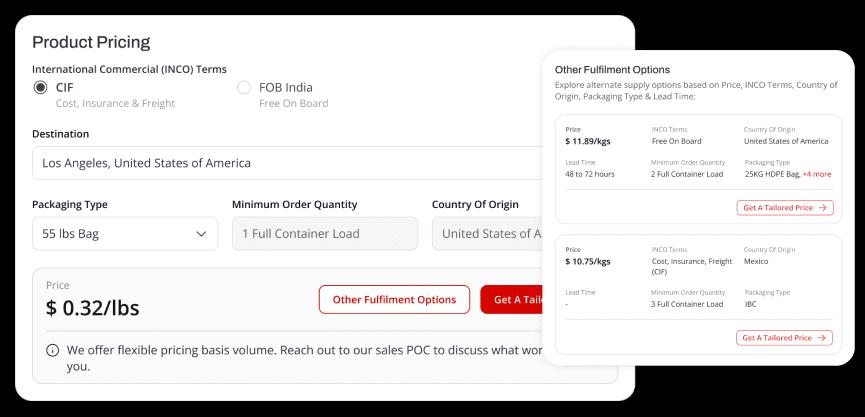
Access live, grade-specific pricing for every chemical, so your teams talks with data, not intuition on Elixir.
Compare fulfilment options across grades, INCO terms, origins, and lead times: all in one platform.

Live, transparent pricing
Real-time quotes across 12,000+ specialty chemicals.

About Lyral
Lyral, also known as Hydroxyisohexyl 3-cyclohexene carboxaldehyde, is a synthetic fragrance compound that plays a significant role in the personal care and fragrance industries. As a key ingredient in perfumes and scented products, Lyral imparts a distinctive floral, lily-of-the-valley scent that is highly sought after by manufacturers and consumers alike. Its ability to blend seamlessly with other fragrance components makes it a versatile choice for creating complex olfactory profiles. However, due to its potential as an allergen, the use of Lyral is subject to regulatory scrutiny in certain regions. Manufacturers must adhere to specific guidelines to ensure consumer safety, which may include concentration limits and mandatory labeling. Despite these challenges, Lyral remains a popular choice for its unique scent and compatibility with a wide range of products. As the demand for innovative and appealing fragrances continues to grow, Lyral manufacturers and suppliers are focused on producing high-quality, compliant products that meet the evolving needs of the global market.
- Distinctive Floral Scent: Provides a lily-of-the-valley aroma, enhancing fragrance profiles.
- Versatile Fragrance Component: Blends well with other ingredients, suitable for various applications.
- Regulatory Compliance: Adheres to safety guidelines, ensuring consumer protection.
- Widely Used in Personal Care: Found in perfumes, lotions, and deodorants for its appealing scent.
- Stable and Long-Lasting: Maintains fragrance integrity in diverse formulations.
About Lyral
Lyral, also known as Hydroxyisohexyl 3-cyclohexene carboxaldehyde, is a synthetic fragrance compound that plays a significant role in the personal care and fragrance industries. As a key ingredient in perfumes and scented products, Lyral imparts a distinctive floral, lily-of-the-valley scent that is highly sought after by manufacturers and consumers alike. Its ability to blend seamlessly with other fragrance components makes it a versatile choice for creating complex olfactory profiles. However, due to its potential as an allergen, the use of Lyral is subject to regulatory scrutiny in certain regions. Manufacturers must adhere to specific guidelines to ensure consumer safety, which may include concentration limits and mandatory labeling. Despite these challenges, Lyral remains a popular choice for its unique scent and compatibility with a wide range of products. As the demand for innovative and appealing fragrances continues to grow, Lyral manufacturers and suppliers are focused on producing high-quality, compliant products that meet the evolving needs of the global market.
- Distinctive Floral Scent: Provides a lily-of-the-valley aroma, enhancing fragrance profiles.
- Versatile Fragrance Component: Blends well with other ingredients, suitable for various applications.
- Regulatory Compliance: Adheres to safety guidelines, ensuring consumer protection.
- Widely Used in Personal Care: Found in perfumes, lotions, and deodorants for its appealing scent.
- Stable and Long-Lasting: Maintains fragrance integrity in diverse formulations.
FAQs - Lyral

Streamline
Your Chemical
Procurement
Get fast responses from real experts