
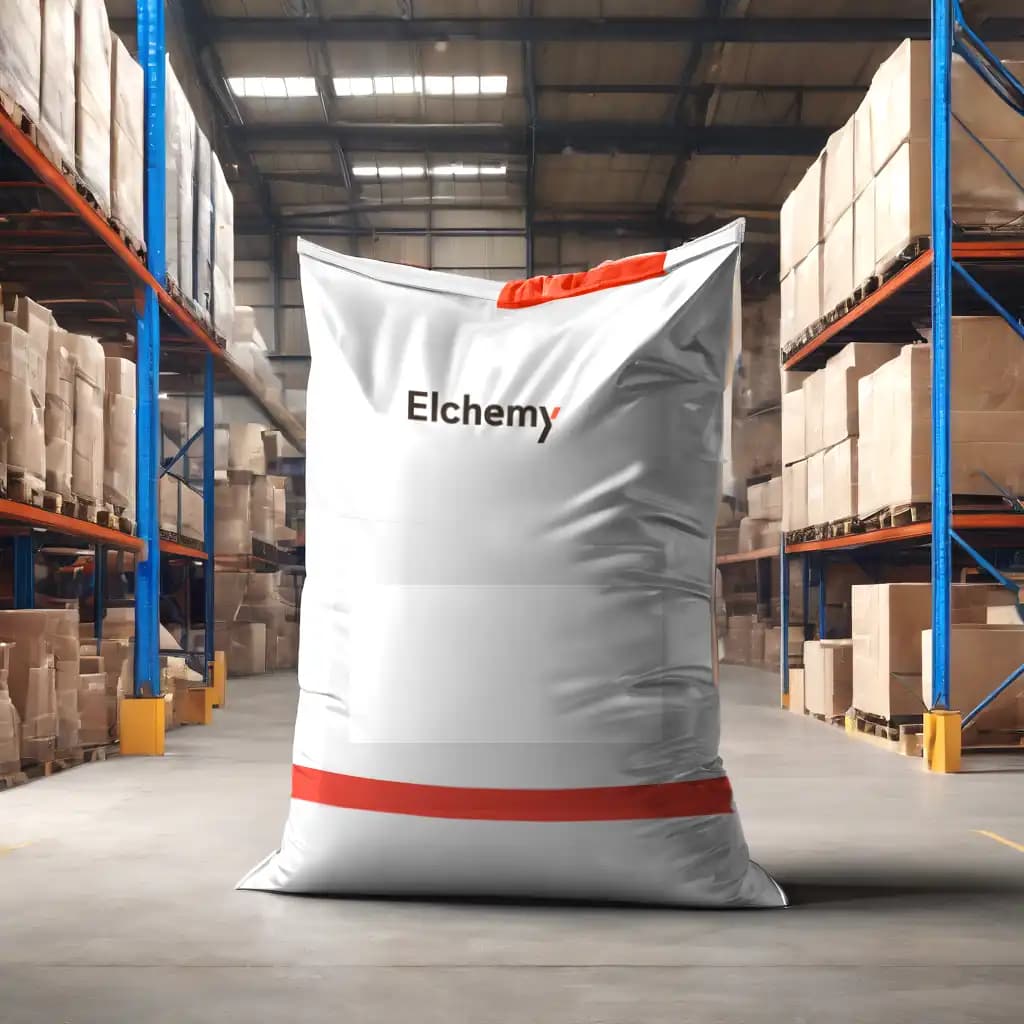
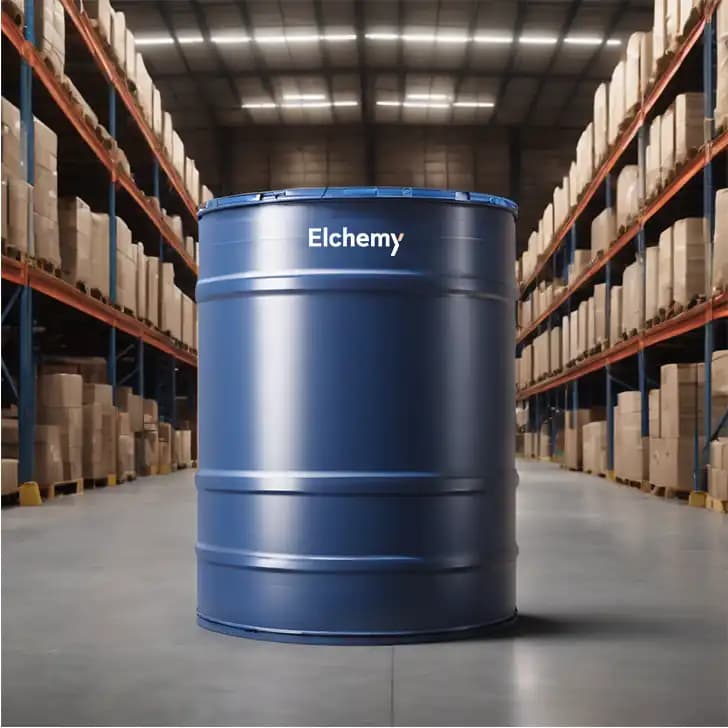
Lignosulfonate de Sodium
ELRASATM – LSDNa

Get Pricing for This Product
Need pricing? Request a quote for this product and we'll get back to you shortly.
 Free Samples Available
Speed Up Your Sample Testing Process
We deliver domestic samples within 24 - 48 hours, helping you evaluate product without delays.
Sodium lignosulfonate is a versatile, water-soluble anionic surfactant derived from lignin, a natural polymer found in wood. It is widely used in various industries, including construction,…
CAS Number
8061-51-6
HS Code
38040000
INCI Name
-
Molecular Formula
Variable (C20H24Na2O10S2)n
Lignosulfonate de Sodium
ELRASATM – LSDNa
Sodium lignosulfonate is a versatile, water-soluble anionic surfactant derived from lignin, a natural polymer found in wood. It is widely used in various industries, including construction, agriculture, and animal feed, due to its binding, dispersing, and emulsifying properties.…
CAS Number
8061-51-6
INCI Name
-
HS Code
38040000
Molecular Formula
Variable (C20H24Na2O10S2)n
Get Pricing for This Product
Need pricing? Request a quote for this product and we'll get back to you shortly.
Free Samples AvailableSpeed Up Your Sample Testing Process
We deliver domestic samples within 24 - 48 hours, helping you evaluate product without delays.
 By
By
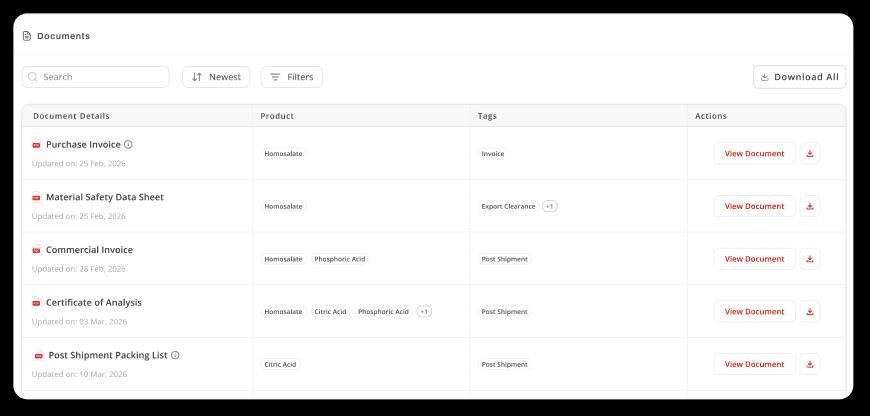
Specialty chemicals, delivered right
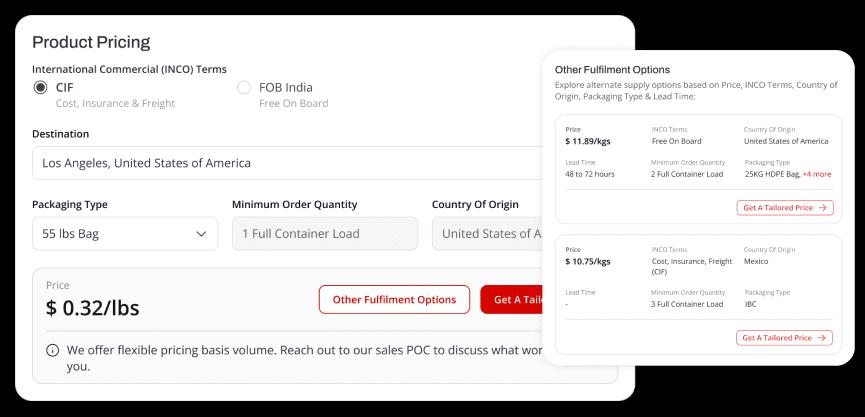
Access live, grade-specific pricing for every chemical, so your teams talks with data, not intuition on Elixir.
Compare fulfilment options across grades, INCO terms, origins, and lead times: all in one platform.

Live, transparent pricing
Real-time quotes across 12,000+ specialty chemicals.

About Lignosulfonate de Sodium
Sodium Lignosulfonate, also known as lignin sulfonate sodium salt, is a highly versatile chemical derived from lignin, a natural polymer found in wood. It is primarily produced as a byproduct of the sulfite pulping process in the paper industry. This eco-friendly compound is widely used across various industries due to its excellent binding, dispersing, and emulsifying properties. In the construction industry, sodium lignosulfonate is a popular additive in concrete formulations, where it acts as a plasticizer, enhancing the workability and strength of concrete. Its ability to reduce water content without compromising the structural integrity of concrete makes it a valuable component in modern construction practices. In agriculture, sodium lignosulfonate serves as a dispersant in agrochemical formulations, ensuring even distribution of active ingredients and improving the efficacy of pesticides and fertilizers. It is also used as a binder in animal feed, enhancing pellet quality and nutritional value. The chemical's role in dust control applications, particularly in unpaved roads and mining operations, highlights its versatility and environmental benefits. Sodium lignosulfonate manufacturers focus on producing high-quality, consistent products to meet the diverse needs of industries worldwide. The growing demand for sustainable and eco-friendly solutions further underscores the importance of sodium lignosulfonate in today's market.
- Eco-Friendly and Biodegradable: Derived from natural lignin, sodium lignosulfonate is biodegradable and environmentally friendly, making it a sustainable choice for various applications.
- Versatile Binding Agent: Its excellent binding properties make it ideal for use in concrete, animal feed, and dust control applications, enhancing product performance and quality.
- Effective Dispersant: Sodium lignosulfonate acts as a dispersant in agrochemical formulations, ensuring even distribution of active ingredients and improving the efficacy of pesticides and fertilizers.
- Cost-Effective Solution: As a byproduct of the paper industry, sodium lignosulfonate is a cost-effective alternative to synthetic chemicals, offering economic benefits to manufacturers and end-users.
- Improves Concrete Workability: Used as a plasticizer in concrete, it enhances workability and reduces water content, leading to stronger and more durable concrete structures.
About Lignosulfonate de Sodium
Sodium Lignosulfonate, also known as lignin sulfonate sodium salt, is a highly versatile chemical derived from lignin, a natural polymer found in wood. It is primarily produced as a byproduct of the sulfite pulping process in the paper industry. This eco-friendly compound is widely used across various industries due to its excellent binding, dispersing, and emulsifying properties. In the construction industry, sodium lignosulfonate is a popular additive in concrete formulations, where it acts as a plasticizer, enhancing the workability and strength of concrete. Its ability to reduce water content without compromising the structural integrity of concrete makes it a valuable component in modern construction practices. In agriculture, sodium lignosulfonate serves as a dispersant in agrochemical formulations, ensuring even distribution of active ingredients and improving the efficacy of pesticides and fertilizers. It is also used as a binder in animal feed, enhancing pellet quality and nutritional value. The chemical's role in dust control applications, particularly in unpaved roads and mining operations, highlights its versatility and environmental benefits. Sodium lignosulfonate manufacturers focus on producing high-quality, consistent products to meet the diverse needs of industries worldwide. The growing demand for sustainable and eco-friendly solutions further underscores the importance of sodium lignosulfonate in today's market.
- Eco-Friendly and Biodegradable: Derived from natural lignin, sodium lignosulfonate is biodegradable and environmentally friendly, making it a sustainable choice for various applications.
- Versatile Binding Agent: Its excellent binding properties make it ideal for use in concrete, animal feed, and dust control applications, enhancing product performance and quality.
- Effective Dispersant: Sodium lignosulfonate acts as a dispersant in agrochemical formulations, ensuring even distribution of active ingredients and improving the efficacy of pesticides and fertilizers.
- Cost-Effective Solution: As a byproduct of the paper industry, sodium lignosulfonate is a cost-effective alternative to synthetic chemicals, offering economic benefits to manufacturers and end-users.
- Improves Concrete Workability: Used as a plasticizer in concrete, it enhances workability and reduces water content, leading to stronger and more durable concrete structures.
FAQs - Lignosulfonate de Sodium

Streamline
Your Chemical
Procurement
Get fast responses from real experts