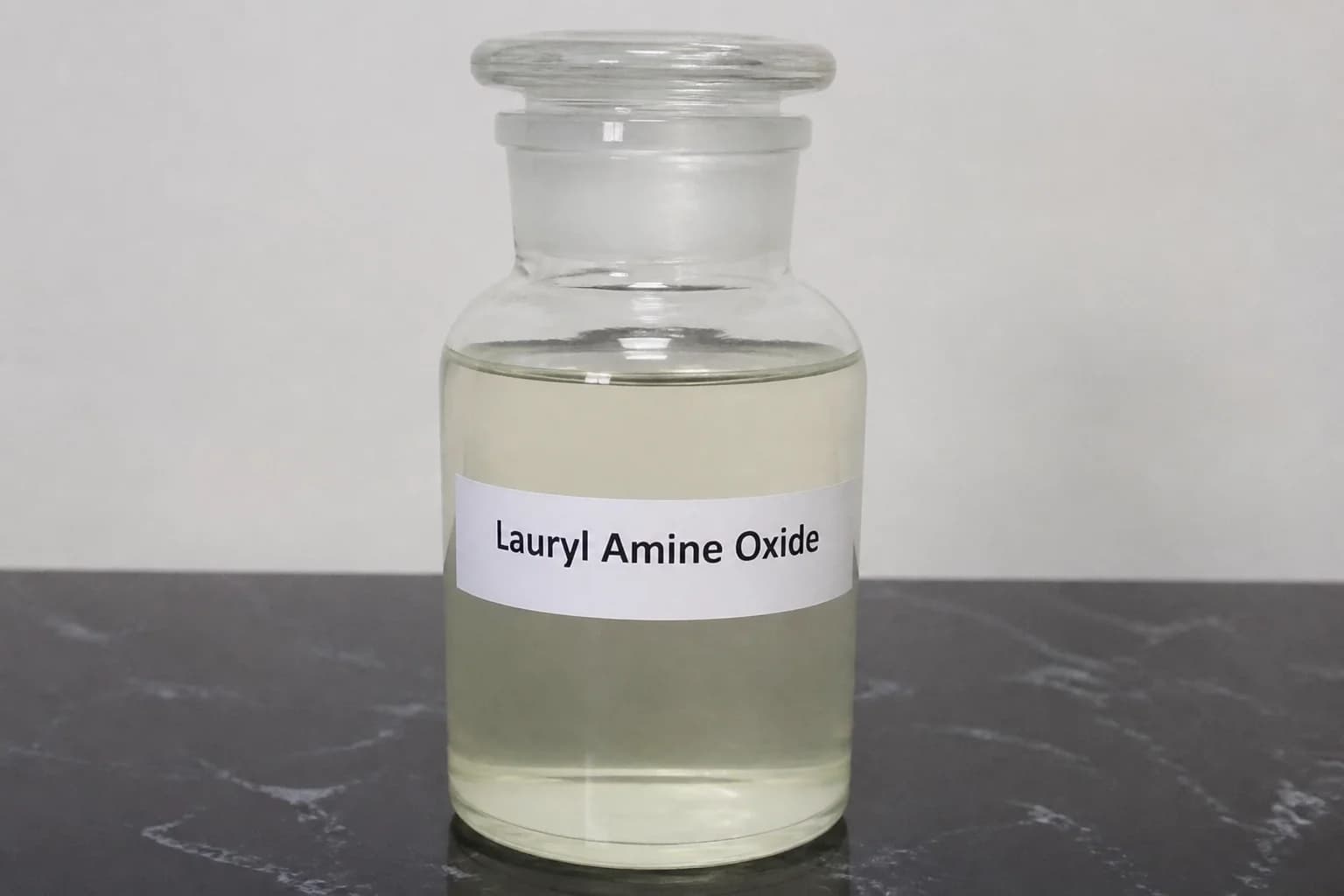
Lauryl Amine Oxide
ELSURFACTM – LAOx

Get Pricing for This Product
Need pricing? Request a quote for this product and we'll get back to you shortly.
 Free Samples Available
Speed Up Your Sample Testing Process
We deliver domestic samples within 24 - 48 hours, helping you evaluate product without delays.
Lauryl Amine Oxide is a versatile surfactant known for its excellent foaming and emulsifying properties. It is widely used in personal care products, household cleaners, and industrial applications.…
CAS Number
1643-20-5
HS Code
29239000
INCI Name
Lauryl Amine Oxide
Molecular Formula
C14H31NO
Lauryl Amine Oxide
ELSURFACTM – LAOx
Lauryl Amine Oxide is a versatile surfactant known for its excellent foaming and emulsifying properties. It is widely used in personal care products, household cleaners, and industrial applications. This compound acts as a mild detergent, providing effective cleaning while being…
CAS Number
1643-20-5
INCI Name
Lauryl Amine Oxide
HS Code
29239000
Molecular Formula
C14H31NO
Get Pricing for This Product
Need pricing? Request a quote for this product and we'll get back to you shortly.
Free Samples AvailableSpeed Up Your Sample Testing Process
We deliver domestic samples within 24 - 48 hours, helping you evaluate product without delays.
 By
By
Specialty chemicals, delivered right
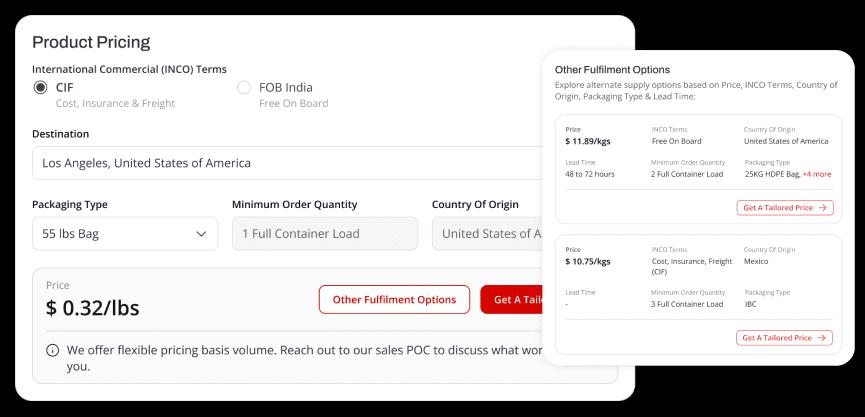
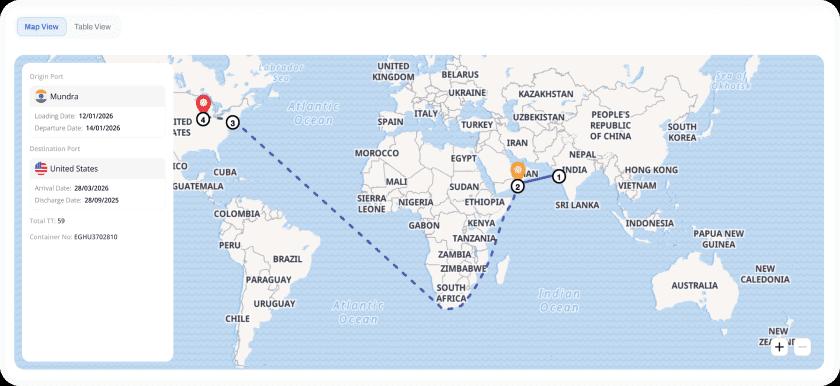
Access live, grade-specific pricing for every chemical, so your teams talks with data, not intuition on Elixir.
Compare fulfilment options across grades, INCO terms, origins, and lead times: all in one platform.

Live, transparent pricing
Real-time quotes across 12,000+ specialty chemicals.
Product Specification
Physical Properties
| Property | Specification |
|---|---|
| Appearance | Clear to pale yellow liquid |
| Odor | Fatty odor / Mild amine-like |
| Molecular Weight | 229.4 g/mol |
| Density | 0.91 g/cm³ |
| Specific Gravity | 0.966 |
| Viscosity | < 100 mPa.s (@ 20°C) |
| Refractive Index | 1.378 (@ 20°C, for 30% solution) |
| Ph (Aqueous Solution) | 6.0 - 8.0 (for 10% solution) |
| Assay / Purity | 29.0 - 31.0% (as active content in solution) |
Chemical Properties
| Property | Specification |
|---|---|
| Ionic Nature | Amphoteric/Zwitterionic. Becomes cationic in acidic conditions (pH < 5) and is non-ionic in neutral or alkaline conditions. |
| Incompatibilities | Strong oxidizing agents, reducing agents, acids. |
| Hazardous Reactions | Hazardous polymerization does not occur. |
| Hazardous Decomposition Products | Upon heating or in a fire, can release toxic fumes including carbon oxides (CO, CO2) and nitrogen oxides (NOx). |
Thermal Properties
| Property | Specification |
|---|---|
| Melting Point | 24-26 °C |
| Boiling Point | Not applicable |
| Flash Point | > 100 °C (> 212 °F) |
| Thermal Stability | Stable under normal conditions. |
Processing Methods & Reference Formulations
A. Foaming Liquid Soap
This formulation creates a rich-lathering hand soap.
| Key Ingredients | Indicative Dosage (% w/w) |
|---|---|
| Water | q.s. to 100 |
| Sodium Laureth Sulfate | 10.0 |
| Cocamidopropyl Betaine | 5.0 |
| Lauryl Amine Oxide | 3.0 |
| Glycerin | 2.0 |
| Tetrasodium EDTA | 0.1 |
| Citric Acid | to pH 5.5-6.5 |
| Preservative | q.s. |
| Fragrance | q.s. |
B. All-Purpose Household Cleaner
A general-purpose hard surface cleaner formulation.
| Key Ingredients | Indicative Dosage (% w/w) |
|---|---|
| Water | q.s. to 100 |
| Lauryl Amine Oxide | 4.0 |
| Sodium Citrate | 3.0 |
| Caprylyl/Capryl Glucoside | 2.0 |
| Ethanol | 2.0 |
| Preservative | q.s. |
| Fragrance | q.s. |
| Dye | q.s. |
Dosing Guidelines
A. Dosing by Application
| Application | Recommended / Max Dosage |
|---|---|
| Shampoos & Conditioners | 1.0 - 3.0% |
| Body Washes & Shower Gels | 2.0 - 4.0% |
| Facial Cleansers | 0.5 - 2.0% |
| Dishwashing Liquids | 1.0 - 20.0% |
| Hard Surface Cleaners | 1.0 - 20.0% |
| Bubble Baths & Hand Soaps | 1.0 - 20.0% |
| Industrial Degreasers | 1.0 - 20.0% |
About Lauryl Amine Oxide
Lauryl Amine Oxide, also known as dodecyl dimethylamine oxide, is a non-ionic surfactant widely used in various industries. As a Lauryl Amine Oxide manufacturer, we ensure high-quality production standards to meet the demands of global markets, particularly in North America. This compound is renowned for its excellent foaming and emulsifying properties, making it a preferred choice in personal care, household cleaning, and industrial applications. Our Lauryl Amine Oxide suppliers focus on delivering a product that is both effective and gentle, suitable for sensitive formulations. The production process is optimized for consistency and purity, ensuring that our customers receive a reliable product for their specific needs. Sustainability is a key focus, with efforts to minimize environmental impact through eco-friendly manufacturing practices. Lauryl Amine Oxide is a crucial ingredient in modern formulations, offering versatility and performance across multiple sectors.
- Excellent Foaming Agent: Provides rich, stable foam in personal care and cleaning products.
- Function: Surfactant (Amphoteric/Non-ionic), Foam Booster, Viscosity Modifier, Cleansing Agent, Emulsifier, Antistatic Agent.
- Emulsifying Properties: Stabilizes oil and water mixtures, enhancing formulation consistency.
- Features: Excellent and stable foam production, effective in a wide pH range, stable in bleach and acid solutions, compatible with all surfactant classes (anionic, cationic, non-ionic), biodegradable.
- Mild and Gentle: Suitable for sensitive skin applications, ensuring consumer safety.
- Benefits: Enhances cleaning performance by lifting and suspending grease and soil, builds viscosity for a richer product feel, mitigates irritation from harsher surfactants, and provides mild conditioning to skin and hair.
- Versatile Applications: Used in personal care, household cleaning, and industrial formulations.
- Eco-Friendly Production: Manufactured with a focus on sustainability and minimal environmental impact.
About Lauryl Amine Oxide
Lauryl Amine Oxide, also known as dodecyl dimethylamine oxide, is a non-ionic surfactant widely used in various industries. As a Lauryl Amine Oxide manufacturer, we ensure high-quality production standards to meet the demands of global markets, particularly in North America. This compound is renowned for its excellent foaming and emulsifying properties, making it a preferred choice in personal care, household cleaning, and industrial applications. Our Lauryl Amine Oxide suppliers focus on delivering a product that is both effective and gentle, suitable for sensitive formulations. The production process is optimized for consistency and purity, ensuring that our customers receive a reliable product for their specific needs. Sustainability is a key focus, with efforts to minimize environmental impact through eco-friendly manufacturing practices. Lauryl Amine Oxide is a crucial ingredient in modern formulations, offering versatility and performance across multiple sectors.
- Excellent Foaming Agent: Provides rich, stable foam in personal care and cleaning products.
- Function: Surfactant (Amphoteric/Non-ionic), Foam Booster, Viscosity Modifier, Cleansing Agent, Emulsifier, Antistatic Agent.
- Emulsifying Properties: Stabilizes oil and water mixtures, enhancing formulation consistency.
- Features: Excellent and stable foam production, effective in a wide pH range, stable in bleach and acid solutions, compatible with all surfactant classes (anionic, cationic, non-ionic), biodegradable.
- Mild and Gentle: Suitable for sensitive skin applications, ensuring consumer safety.
- Benefits: Enhances cleaning performance by lifting and suspending grease and soil, builds viscosity for a richer product feel, mitigates irritation from harsher surfactants, and provides mild conditioning to skin and hair.
- Versatile Applications: Used in personal care, household cleaning, and industrial formulations.
- Eco-Friendly Production: Manufactured with a focus on sustainability and minimal environmental impact.
Regulatory Compliance
| Region | Max Allowed Level | Notes | Certification Body |
|---|---|---|---|
| United States | 3.7% | The Cosmetic Ingredient Review (CIR) Expert Panel concluded that Lauramine Oxide is safe for use in rinse-off products. For leave-on products, its concentration is limited to 3.7%. It should not be used in products containing nitrosating agents. | Listed on the TSCA Inventory |
| European Union | - | Lauramine Oxide is listed in the EU's CosIng database with functions including antistatic, cleansing, and foam boosting. It is subject to the general safety requirements of the EU Cosmetics Regulation. It has a REACH registration. | REACH registration is required for import/manufacture over 1 tonne/year. |
| Canada | - | Lauryl Amine Oxide is not found on Health Canada's Cosmetic Ingredient Hotlist of prohibited or restricted substances. | Products must comply with the Food and Drugs Act and the Cosmetic Regulations. |
| India | - | Cosmetic ingredients are regulated under the Drugs and Cosmetics Act and the Cosmetics Rules, 2020. Ingredients must comply with the standards set by the Bureau of Indian Standards (BIS), specifically IS 4707. | Final products require registration with the Central Drugs Standard Control Organisation (CDSCO). |
| Japan | - | Cosmetics are regulated by the Ministry of Health, Labour and Welfare (MHLW) under the Pharmaceuticals and Medical Devices Act. There are lists of prohibited and restricted ingredients. | A local partner with a sales/marketing license is typically required to register products. |
| Australia | - | Industrial chemicals, including cosmetic ingredients, are regulated by the Australian Industrial Chemicals Introduction Scheme (AICIS). Importers/manufacturers must be registered and categorize their chemical introductions. | Registration with AICIS is required for importers or manufacturers. |
| China | - | Ingredients used in cosmetics must be listed in the Inventory of Existing Cosmetic Ingredients in China (IECIC) or undergo a new ingredient registration/notification with the NMPA. | IECIC listing or NMPA registration/notification. |
| Republic of Korea | - | Cosmetics are regulated by the Ministry of Food and Drug Safety (MFDS). There are lists of prohibited and restricted ingredients. | A local Responsible Distributor is required. Functional cosmetics require pre-market approval from the MFDS. |
| ASEAN | - | Cosmetic products are regulated under the ASEAN Cosmetic Directive (ACD), which provides a list of prohibited and restricted substances. | - |
FAQs - Lauryl Amine Oxide
Related Products
Related Products

Streamline
Your Chemical
Procurement
Get fast responses from real experts