Hydroxypropyl Methylcellulose

Get Pricing for This Product
Need pricing? Request a quote for this product and we'll get back to you shortly.
 Free Samples Available
Speed Up Your Sample Testing Process
We deliver domestic samples within 24 - 48 hours, helping you evaluate product without delays.
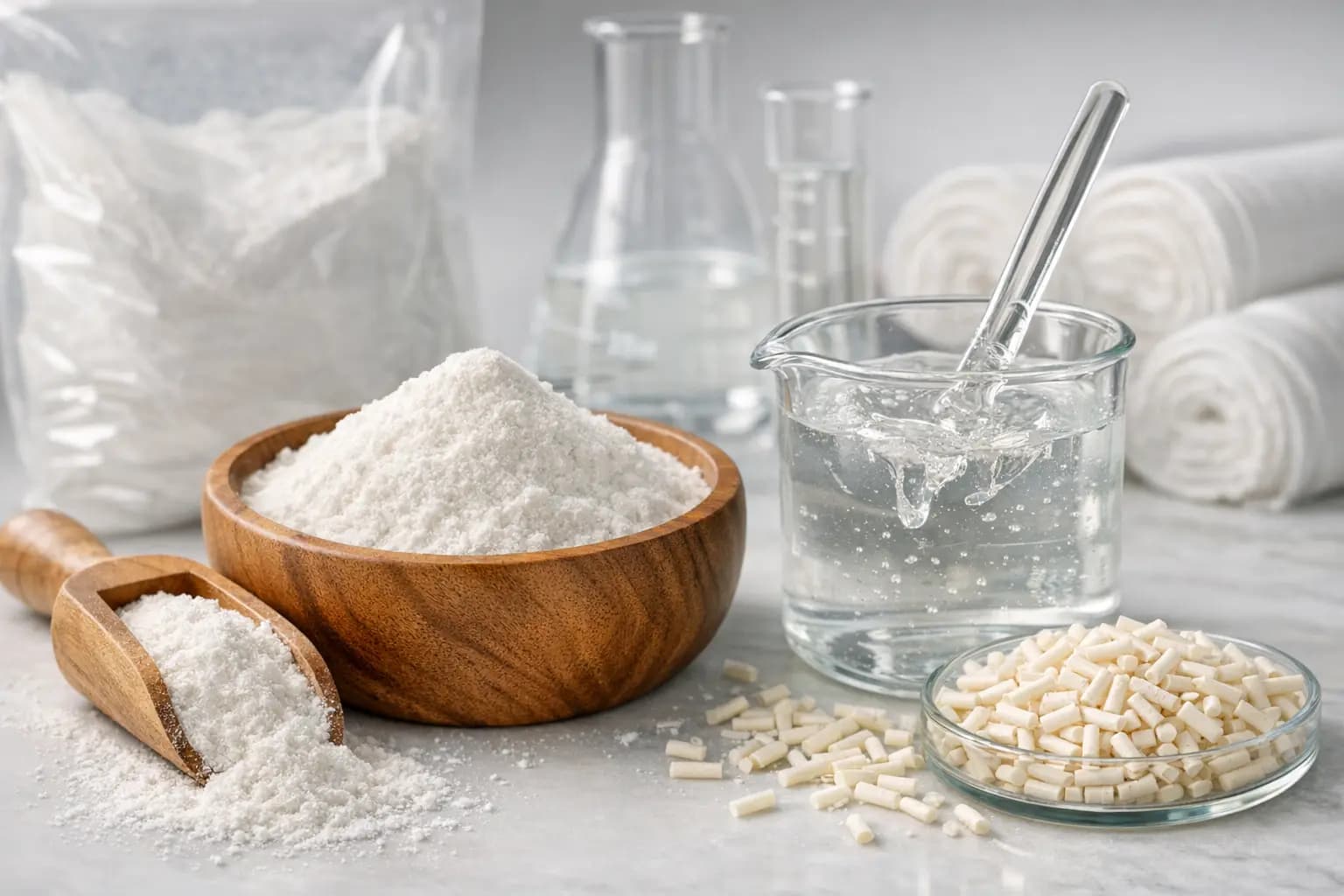
Hydroxypropyl Methylcellulose (HPMC) is a versatile polymer used primarily as a thickener, emulsifier, and film former in various industries, including pharmaceuticals, food, and construction.
CAS Number
9004-65-3
HS Code
3912.39.00
INCI Name
-
Molecular Formula
C56H108O30
Hydroxypropyl Methylcellulose
Hydroxypropyl Methylcellulose (HPMC) is a versatile polymer used primarily as a thickener, emulsifier, and film former in various industries, including pharmaceuticals, food, and construction.
CAS Number
9004-65-3
INCI Name
-
HS Code
3912.39.00
Molecular Formula
C56H108O30
Get Pricing for This Product
Need pricing? Request a quote for this product and we'll get back to you shortly.
Free Samples AvailableSpeed Up Your Sample Testing Process
We deliver domestic samples within 24 - 48 hours, helping you evaluate product without delays.
 By
By
Specialty chemicals, delivered right
Access live, grade-specific pricing for every chemical, so your teams talks with data, not intuition on Elixir.
Compare fulfilment options across grades, INCO terms, origins, and lead times: all in one platform.

Live, transparent pricing
Real-time quotes across 12,000+ specialty chemicals.

About Hydroxypropyl Methylcellulose
Hydroxypropyl Methylcellulose (HPMC) is a non-ionic cellulose ether derived from natural cellulose. It is widely recognized for its versatility and functionality across various industries. As a key ingredient in pharmaceuticals, food, and construction, HPMC offers unique properties that enhance product performance and stability.
In the pharmaceutical industry, HPMC is valued for its role as a binder and film former in tablet formulations, providing controlled release and stability. In the food sector, it acts as a thickener and emulsifier, improving texture and stability in sauces, dressings, and bakery products. The construction industry benefits from HPMC's ability to act as a thickener and water retention agent in cement and gypsum-based products, enhancing workability and adhesion.
Manufacturing Process of Hydroxypropyl Methylcellulose
Hydroxypropyl Methylcellulose is produced through the etherification of cellulose with methyl chloride and propylene oxide. This process involves the reaction of cellulose with these chemicals under controlled conditions to achieve the desired degree of substitution and viscosity. Leading HPMC manufacturers and HPMC suppliers ensure high purity and consistent quality through stringent production standards.
The production process is carefully monitored to maintain the balance between methyl and hydroxypropyl groups, which determines the solubility and viscosity of the final product. This makes HPMC a preferred choice for various applications requiring specific performance characteristics.
Packaging & Logistics
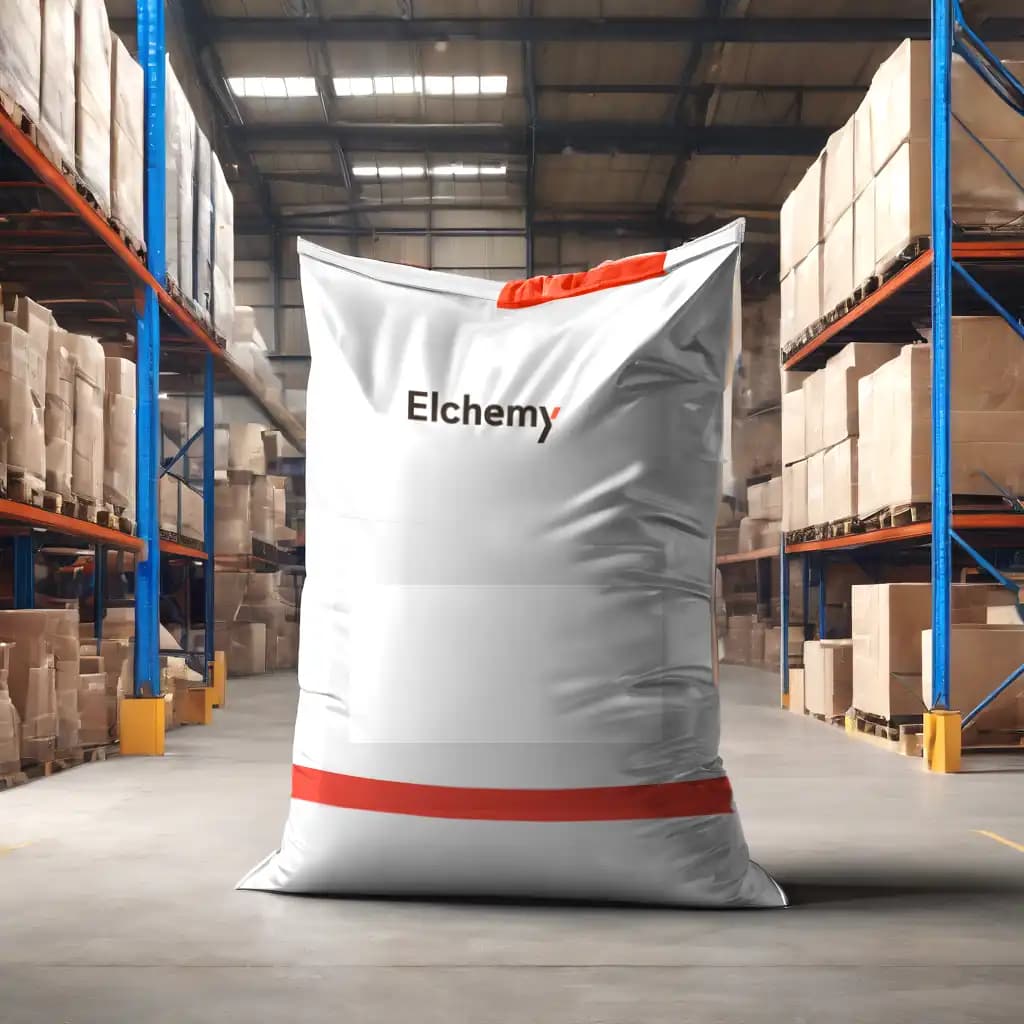
Hydroxypropyl Methylcellulose is typically packaged in 25 kg bags or 500 kg bulk bags to accommodate different customer needs. Proper packaging ensures product integrity during transportation and storage. For North American and global buyers, logistics are streamlined to ensure timely delivery and compliance with international shipping regulations.
Storage conditions are crucial for maintaining the quality of HPMC. It should be stored in a cool, dry place, away from direct sunlight and moisture. This helps preserve its functional properties and extends its shelf life.
Safety & Handling
When handling Hydroxypropyl Methylcellulose, it is important to use appropriate personal protective equipment (PPE) such as gloves and goggles to prevent skin and eye contact. HPMC is generally considered safe, but standard safety precautions should be followed during handling and processing.
Hydroxypropyl Methylcellulose is listed on the TSCA Inventory, ensuring compliance with regulatory standards. It is not classified as a hazardous material, but care should be taken to avoid dust generation and inhalation.
Hydroxypropyl Methylcellulose Price: Bulk Pricing for Industrial Buyers
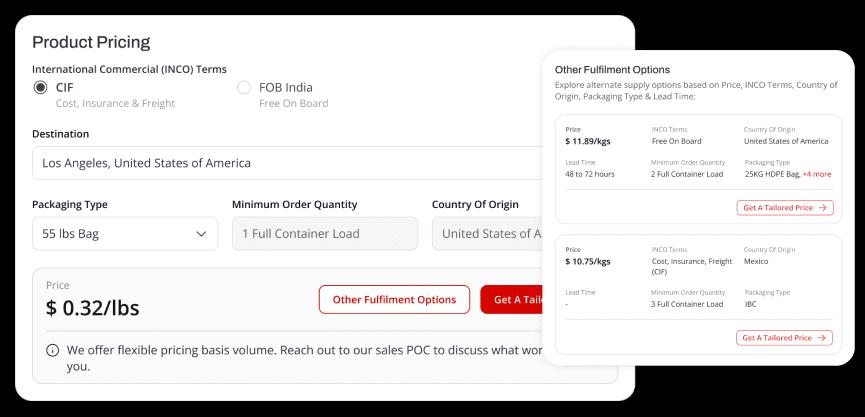
The price of Hydroxypropyl Methylcellulose is influenced by factors such as raw material costs, production efficiency, and market demand. For industrial buyers, bulk pricing is available, offering cost advantages for large-scale procurement. To obtain a competitive quote, contact Elchemy's sales team, who can provide detailed pricing information and discuss your specific needs.
Key pricing terms such as bulk pricing and industrial buyers are essential for understanding the cost structure and negotiating favorable terms.
Why Choose Elchemy as a Trusted Hydroxypropyl Methylcellulose Supplier?
Elchemy is committed to providing high-quality Hydroxypropyl Methylcellulose with reliable sourcing and consistent supply. Our extensive network ensures that we can meet the demands of North American and global customers efficiently. With a focus on quality assurance and customer satisfaction, Elchemy stands out as a trusted partner for your HPMC needs.
Our expertise in logistics and fulfillment allows us to deliver products on time, maintaining the integrity and quality of HPMC throughout the supply chain. Choose Elchemy for a seamless procurement experience and access to a wide range of specialty chemicals.
- High Purity: Ensures consistent performance and quality across applications.
- Versatile Applications: Suitable for pharmaceuticals, food, construction, and personal care industries.
- Excellent Solubility: Easily dissolves in water, enhancing formulation flexibility.
- Controlled Viscosity: Available in a range of viscosities to meet specific application needs.
- Reliable Supply: Sourced from reputable manufacturers, ensuring consistent availability.
About Hydroxypropyl Methylcellulose
Hydroxypropyl Methylcellulose (HPMC) is a non-ionic cellulose ether derived from natural cellulose. It is widely recognized for its versatility and functionality across various industries. As a key ingredient in pharmaceuticals, food, and construction, HPMC offers unique properties that enhance product performance and stability.
In the pharmaceutical industry, HPMC is valued for its role as a binder and film former in tablet formulations, providing controlled release and stability. In the food sector, it acts as a thickener and emulsifier, improving texture and stability in sauces, dressings, and bakery products. The construction industry benefits from HPMC's ability to act as a thickener and water retention agent in cement and gypsum-based products, enhancing workability and adhesion.
Manufacturing Process of Hydroxypropyl Methylcellulose
Hydroxypropyl Methylcellulose is produced through the etherification of cellulose with methyl chloride and propylene oxide. This process involves the reaction of cellulose with these chemicals under controlled conditions to achieve the desired degree of substitution and viscosity. Leading HPMC manufacturers and HPMC suppliers ensure high purity and consistent quality through stringent production standards.
The production process is carefully monitored to maintain the balance between methyl and hydroxypropyl groups, which determines the solubility and viscosity of the final product. This makes HPMC a preferred choice for various applications requiring specific performance characteristics.
Packaging & Logistics
Hydroxypropyl Methylcellulose is typically packaged in 25 kg bags or 500 kg bulk bags to accommodate different customer needs. Proper packaging ensures product integrity during transportation and storage. For North American and global buyers, logistics are streamlined to ensure timely delivery and compliance with international shipping regulations.
Storage conditions are crucial for maintaining the quality of HPMC. It should be stored in a cool, dry place, away from direct sunlight and moisture. This helps preserve its functional properties and extends its shelf life.
Safety & Handling
When handling Hydroxypropyl Methylcellulose, it is important to use appropriate personal protective equipment (PPE) such as gloves and goggles to prevent skin and eye contact. HPMC is generally considered safe, but standard safety precautions should be followed during handling and processing.
Hydroxypropyl Methylcellulose is listed on the TSCA Inventory, ensuring compliance with regulatory standards. It is not classified as a hazardous material, but care should be taken to avoid dust generation and inhalation.
Hydroxypropyl Methylcellulose Price: Bulk Pricing for Industrial Buyers
The price of Hydroxypropyl Methylcellulose is influenced by factors such as raw material costs, production efficiency, and market demand. For industrial buyers, bulk pricing is available, offering cost advantages for large-scale procurement. To obtain a competitive quote, contact Elchemy's sales team, who can provide detailed pricing information and discuss your specific needs.
Key pricing terms such as bulk pricing and industrial buyers are essential for understanding the cost structure and negotiating favorable terms.
Why Choose Elchemy as a Trusted Hydroxypropyl Methylcellulose Supplier?
Elchemy is committed to providing high-quality Hydroxypropyl Methylcellulose with reliable sourcing and consistent supply. Our extensive network ensures that we can meet the demands of North American and global customers efficiently. With a focus on quality assurance and customer satisfaction, Elchemy stands out as a trusted partner for your HPMC needs.
Our expertise in logistics and fulfillment allows us to deliver products on time, maintaining the integrity and quality of HPMC throughout the supply chain. Choose Elchemy for a seamless procurement experience and access to a wide range of specialty chemicals.
- High Purity: Ensures consistent performance and quality across applications.
- Versatile Applications: Suitable for pharmaceuticals, food, construction, and personal care industries.
- Excellent Solubility: Easily dissolves in water, enhancing formulation flexibility.
- Controlled Viscosity: Available in a range of viscosities to meet specific application needs.
- Reliable Supply: Sourced from reputable manufacturers, ensuring consistent availability.
FAQs - Hydroxypropyl Methylcellulose
Related Products

Related Products

Streamline
Your Chemical
Procurement
Get fast responses from real experts