Ethyl Carbitol
ELRASATM – ECBO

Get Pricing for This Product
Need pricing? Request a quote for this product and we'll get back to you shortly.
 Free Samples Available
Speed Up Your Sample Testing Process
We deliver domestic samples within 24 - 48 hours, helping you evaluate product without delays.
Ethyl Carbitol, also known as Diethylene Glycol Monoethyl Ether, is a versatile solvent used in various industries, including paints, coatings, and personal care. It is valued for its excellent…
CAS Number
111-90-0
HS Code
29094400
INCI Name
-
Molecular Formula
C6H14O3
Ethyl Carbitol
ELRASATM – ECBO
Ethyl Carbitol, also known as Diethylene Glycol Monoethyl Ether, is a versatile solvent used in various industries, including paints, coatings, and personal care. It is valued for its excellent solvency, low volatility, and ability to improve the flow and leveling of products.…
CAS Number
111-90-0
INCI Name
-
HS Code
29094400
Molecular Formula
C6H14O3
Get Pricing for This Product
Need pricing? Request a quote for this product and we'll get back to you shortly.
Free Samples AvailableSpeed Up Your Sample Testing Process
We deliver domestic samples within 24 - 48 hours, helping you evaluate product without delays.
 By
By
Specialty chemicals, delivered right
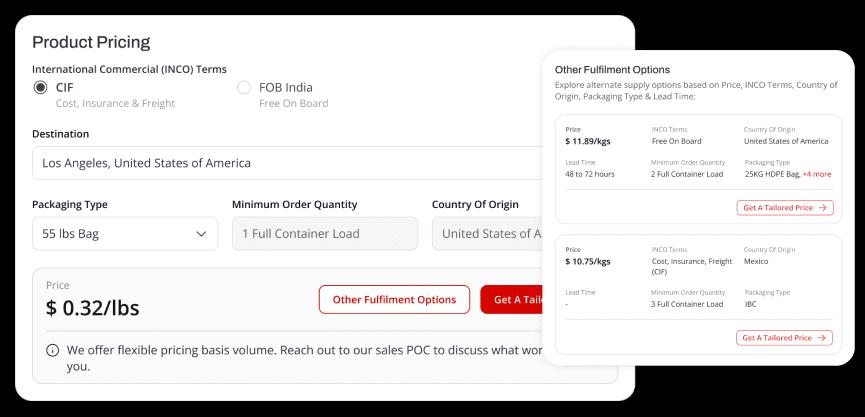
Access live, grade-specific pricing for every chemical, so your teams talks with data, not intuition on Elixir.
Compare fulfilment options across grades, INCO terms, origins, and lead times: all in one platform.

Live, transparent pricing
Real-time quotes across 12,000+ specialty chemicals.


About Ethyl Carbitol
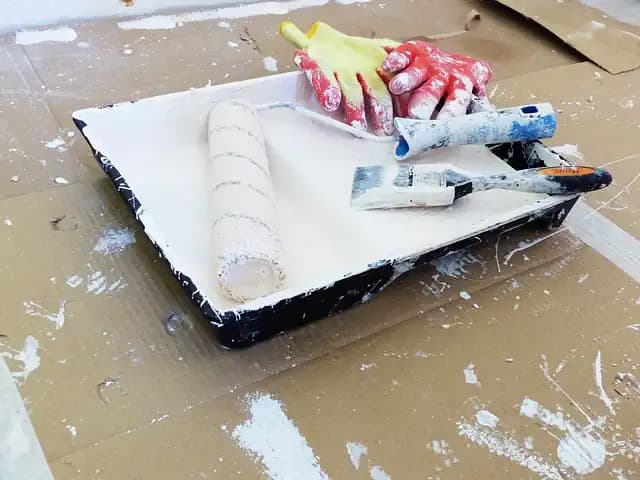
Ethyl Carbitol, also known as Diethylene Glycol Monoethyl Ether, is a highly effective solvent used across various industries. As a key ingredient in paints and coatings, it enhances the flow and leveling of products, ensuring a smooth and durable finish. In the personal care sector, Ethyl Carbitol acts as a solvent and humectant, improving the texture and moisture retention of formulations. Its low volatility and excellent solvency make it ideal for industrial cleaning applications, where it effectively removes grease and oils. Ethyl Carbitol manufacturers and suppliers focus on delivering high-purity products to meet the stringent demands of global markets, particularly in North America. The production process is optimized to ensure consistency and quality, aligning with the growing demand for sustainable and eco-friendly chemical solutions. As a versatile solvent, Ethyl Carbitol is also used in the textile industry as a dye carrier and in adhesives and sealants, highlighting its broad applicability and importance in modern industry.
- Excellent Solvency: Ethyl Carbitol provides superior solvency for a wide range of substances, making it ideal for diverse applications.
- Low Volatility: Its low evaporation rate ensures minimal loss during application, enhancing product performance.
- Versatile Use: Suitable for use in paints, coatings, personal care, and industrial cleaning formulations.
- High Purity Standards: Ensures consistent performance across various applications, meeting industry requirements.
- Eco-Friendly Production: Manufacturers focus on sustainable practices to minimize environmental impact.
About Ethyl Carbitol
Ethyl Carbitol, also known as Diethylene Glycol Monoethyl Ether, is a highly effective solvent used across various industries. As a key ingredient in paints and coatings, it enhances the flow and leveling of products, ensuring a smooth and durable finish. In the personal care sector, Ethyl Carbitol acts as a solvent and humectant, improving the texture and moisture retention of formulations. Its low volatility and excellent solvency make it ideal for industrial cleaning applications, where it effectively removes grease and oils. Ethyl Carbitol manufacturers and suppliers focus on delivering high-purity products to meet the stringent demands of global markets, particularly in North America. The production process is optimized to ensure consistency and quality, aligning with the growing demand for sustainable and eco-friendly chemical solutions. As a versatile solvent, Ethyl Carbitol is also used in the textile industry as a dye carrier and in adhesives and sealants, highlighting its broad applicability and importance in modern industry.
- Excellent Solvency: Ethyl Carbitol provides superior solvency for a wide range of substances, making it ideal for diverse applications.
- Low Volatility: Its low evaporation rate ensures minimal loss during application, enhancing product performance.
- Versatile Use: Suitable for use in paints, coatings, personal care, and industrial cleaning formulations.
- High Purity Standards: Ensures consistent performance across various applications, meeting industry requirements.
- Eco-Friendly Production: Manufacturers focus on sustainable practices to minimize environmental impact.
FAQs - Ethyl Carbitol

Streamline
Your Chemical
Procurement
Get fast responses from real experts